What a Fair Settlement Offer Looks Like
After a motorcycle accident, it's natural to feel overwhelmed, not just by your injuries and the recovery process, but by the sheer uncertainty of what comes next, especially when it comes to dealing with insurance companies. The moment you get a settlement offer, a knot forms in your stomach: "Is this enough? Is it fair?" This guide is here to walk you through what genuinely constitutes a fair settlement offer for your motorcycle accident claim, helping you understand the many moving parts involved.
Understanding the Basics of a Fair Motorcycle Accident Settlement
When you're reeling from a motorcycle accident, the thought of navigating legal and financial complexities can feel like riding through thick fog. But understanding what a fair settlement truly means is your first step towards clearing that fog. It's not just about getting some money; it's about getting the right amount of money that fully compensates you for all you've lost and will lose.
It's More Than Just Medical Bills
Many riders mistakenly believe that a fair settlement simply covers their immediate medical expenses. While medical bills are a significant part of any claim, they are just one piece of a much larger puzzle. Imagine you break your leg in a crash caused by a distracted driver. Your hospital bills, physical therapy, and crutches are clear costs. But what about the income you lost because you couldn't work for months? What about the pain you endured, the fear you felt, or the inability to ride your bike, play with your kids, or even walk without discomfort? These non-monetary losses, often called "pain and suffering," are just as real and just as compensable.
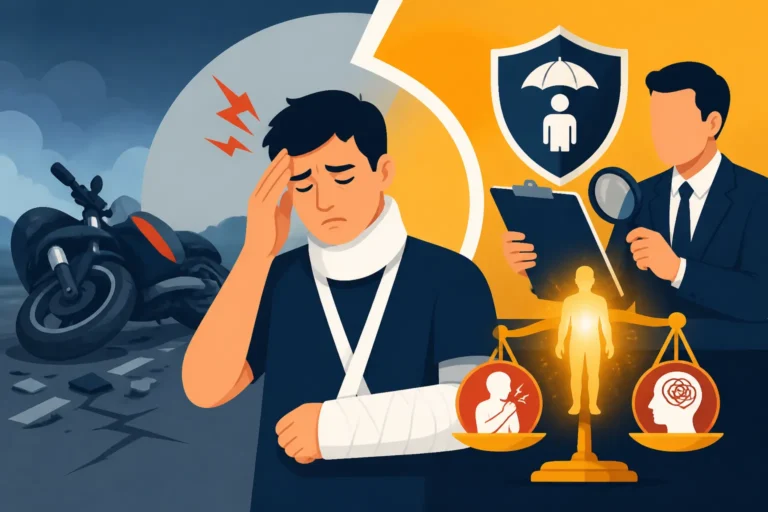
A truly fair settlement takes into account both your quantifiable financial losses – known as economic damages – and your subjective, harder-to-quantify non-economic damages. Ignoring either of these categories will inevitably lead to an offer that falls short of what you deserve. Understanding How Motorcycle Accident Settlements Are Calculated can shed more light on these intricacies.
The Role of Fault in Settlement Fairness
Before any dollar amount can be considered fair, you have to address the question of fault. In a motorcycle accident, the determination of who is to blame can drastically alter the final settlement figure. If the other driver was entirely at fault, your path to full compensation is generally clearer. However, if you are found to share some degree of fault, things get complicated. Most states operate under what's called "comparative negligence," meaning your compensation can be reduced by your percentage of fault.
For example, in a state like California, which follows a pure comparative negligence rule, if you suffered $100,000 in damages but were found 20% at fault for the accident, your maximum recovery would be $80,000. Some states, like Texas, have a modified comparative negligence rule, where you can only recover if you are less than 51% at fault. If you are 51% or more at fault, you get nothing. So, a settlement offer that doesn't correctly assess or challenge an unfair fault assignment isn't fair, no matter the dollar amount. This is why understanding How Fault Is Determined in Motorcycle Accidents is absolutely critical.
Key Components That Determine a Fair Settlement
A fair settlement isn't a random number plucked from the air. It's the sum total of various damages you've suffered, meticulously documented and strategically valued. Think of it as building your case brick by brick, with each type of damage being a crucial component.
Documenting Economic Damages Thoroughly
Economic damages are the tangible, verifiable financial losses you've incurred or will incur because of the accident. These are the easiest to put a number on, but they still require diligent collection and organization.
- Medical Expenses: This includes everything from the ambulance ride, emergency room visits, hospital stays, doctor appointments, surgeries, medications, and physical therapy. Keep every single bill, receipt, and explanation of benefits (EOB) from your health insurance. Don't forget co-pays, deductibles, and any medical equipment you had to purchase.
- Lost Wages: If your injuries prevented you from working, you're entitled to compensation for lost income. This covers the days, weeks, or even months you missed. For salaried employees, pay stubs are helpful. For hourly workers, pay stubs and timesheets showing missed shifts are essential. Self-employed riders need to show their income history through tax returns and business records.
- Property Damage: This covers the cost to repair or replace your motorcycle, helmet, leathers, and any other gear damaged in the crash. Get detailed repair estimates or, if your bike is totaled, gather evidence of its fair market value (e.g., Kelley Blue Book, NADAguides, local dealership quotes).
- Other Out-of-Pocket Expenses: Don't overlook smaller costs that add up. This could include mileage to doctor appointments, parking fees, household help you had to hire because you couldn't perform chores, or even childcare expenses while you were in recovery.
It's vital to remember that these aren't just past expenses. A fair settlement also considers future economic damages, such as anticipated future medical treatments, ongoing physical therapy, or even potential loss of future earning capacity if your injuries will permanently affect your ability to work.
Valuing Non-Economic Damages Accurately
This is where things get a bit more subjective, but no less important. Non-economic damages compensate you for the intangible losses that deeply impact your quality of life. These include:
- Pain and Suffering: This is the physical pain and emotional distress you've endured from the accident and your injuries. This can range from the acute pain of a broken bone to the chronic pain that lingers long after physical healing.
- Emotional Distress: Beyond physical pain, the psychological toll can be immense. This includes anxiety, depression, fear, PTSD, or even a newfound fear of riding or driving. Therapy bills can help document this, but journaling your feelings and experiences can also be powerful evidence.
- Loss of Enjoyment of Life: Have your injuries prevented you from pursuing hobbies you once loved, like riding your motorcycle, playing sports, hiking, or even just spending quality time with family? This loss significantly diminishes your life experience.
- Disfigurement and Scarring: Road rash, burns, or surgical scars can lead to permanent disfigurement, causing emotional distress and self-consciousness.
- Loss of Consortium: In certain cases, if your injuries are so severe they impact your relationship with your spouse, they may be able to claim loss of consortium, compensating them for the loss of companionship, intimacy, and support.
Insurance companies often use formulas, like the "multiplier method," to estimate pain and suffering, typically multiplying your economic damages by a number between 1.5 and 5 (or even higher for severe injuries). However, these are just starting points. A truly fair valuation requires a deep understanding of your unique circumstances and how the accident has reshaped your life. Delving into Pain and Suffering in Motorcycle Settlements provides more detail on how these claims are handled.
Considering Future Costs and Long-Term Impact
One of the biggest mistakes people make when evaluating a settlement offer is only looking at their current bills and losses. Motorcycle accidents often result in injuries with long-term consequences that may not be immediately apparent. A fair settlement must account for these potential future costs.
Let's say you suffered a traumatic brain injury (TBI). While the initial emergency care and hospital stay are covered, you might need years of cognitive therapy, occupational therapy, and ongoing medical monitoring. These costs could easily run into hundreds of thousands of dollars. Similarly, a spinal cord injury could lead to lifelong paralysis, requiring specialized medical equipment, home modifications, and professional care. Even seemingly minor injuries, like a severe case of Motorcycle Road Rash: Claims and Compensation, can lead to long-term scarring, nerve damage, or chronic pain that requires future treatment.
An accurate assessment of future costs often requires input from medical experts, vocational specialists, and economists who can project these expenses over your lifetime. Without this forward-looking perspective, any settlement offer, no matter how substantial it seems at first glance, could leave you financially vulnerable down the road. This comprehensive view is essential for determining What Affects Your Motorcycle Accident Payout in the long run.
How Insurance Companies Approach Settlement Offers
Understanding what a fair settlement should look like is one thing, but dealing with insurance companies is another beast entirely. They are not on your side, no matter how friendly the adjuster sounds. Their primary goal is to minimize their payout.
The Initial Offer: Often a Lowball
When you first receive an offer from the at-fault driver's insurance company, consider it a starting point, not a final destination. These initial offers are almost always lowball offers. Why? Because they know many people are desperate for quick cash, or simply don't understand the full value of their claim, and will accept it without question. They're testing the waters, hoping you'll bite.
This first offer rarely accounts for all your economic damages, and it almost certainly undervalues your non-economic damages, like pain and suffering. It's designed to make their problem go away for the lowest possible cost. Accepting it quickly can leave you without sufficient funds to cover future medical care or lost income.
Strategies Insurers Use to Minimize Payouts
Insurance companies have a playbook full of tactics to reduce your settlement. Being aware of these can help you protect your claim:
- Delay, Deny, Defend: This is a common strategy. They might delay investigating your claim, deny certain aspects of your injuries, or aggressively defend their insured driver, even when fault is clear.
- Requesting Extensive Medical Records: While they need some records, they might ask for your entire medical history, hoping to find a pre-existing condition they can blame for your current injuries.
- Twisting Your Words: Anything you say to an insurance adjuster can be used against you. They might try to get you to admit partial fault or downplay your injuries. Never give a recorded statement without legal counsel.
- Questioning Injury Severity: Adjusters might argue your injuries aren't as severe as you claim or that you delayed seeking treatment, attempting to devalue your pain and suffering.
- Using Rider Bias: Unfortunately, there's a pervasive stereotype that motorcyclists are reckless. Insurers might subtly (or not so subtly) try to imply you were somehow at fault just because you were on a bike. This is why having strong evidence to prove fault is so important. For more on this, see Rider Bias in Fault Determination.
- Pressuring You to Settle Quickly: They might offer a quick, small sum, especially if you're facing financial strain, knowing that once you sign a release, your claim is closed forever.
What to Expect During Negotiations
Negotiations are typically a back-and-forth process. You (or your attorney) will present a demand letter outlining all your damages and the total amount you are seeking. The insurance company will then respond with their offer, usually lower than your demand. This cycle continues until either a mutually agreeable settlement is reached or negotiations break down, leading to the possibility of a lawsuit.
It's a nuanced process that requires strong communication, a firm understanding of your case's value, and the ability to counter arguments effectively. Knowing How to Negotiate a Motorcycle Accident Settlement is crucial for a positive outcome.
Here's a simplified table illustrating the difference between an initial lowball offer and a genuinely fair offer:
| Component | Initial Lowball Offer (Typical) | Fair Settlement Offer (Goal) |
|---|---|---|
| Medical Expenses | Covers immediate, obvious bills; ignores future. | Fully accounts for all past, present, and future medical care, including therapy, medication. |
| Lost Wages | Only covers documented time off; ignores future. | Compensates for all past lost income and potential future loss of earning capacity. |
| Property Damage | Low estimate for repairs or depreciated value. | Full repair cost or fair market value for total loss; covers gear replacement. |
| Pain & Suffering | Minimal or non-existent; uses low multiplier. | Comprehensive valuation based on injury severity, impact on daily life, emotional toll. |
| Other Expenses | Often overlooked entirely. | Includes all out-of-pocket costs (travel, care, home modifications). |
| Fault Assessment | Attempts to shift blame to rider. | Based on objective evidence; accurately reflects comparative negligence laws. |
| Future Needs | Completely ignored or minimized. | Includes long-term care, adaptive equipment, ongoing therapy, and psychological support. |
Recognizing a Truly Fair Offer
So, how do you know when an offer is genuinely fair? It's not just about the number itself, but how that number was reached and what it truly covers.
When the Offer Aligns with Your Total Damages
A fair settlement offer is one that adequately compensates you for all your damages – economic and non-economic, current and future. It reflects the true impact the accident has had, and will continue to have, on your life.
This means the offer should ideally cover:
- All medical bills you've incurred up to the point of settlement.
- A reasonable estimate for all future medical expenses, including rehabilitation, medication, and potential surgeries.
- All income lost due to your inability to work.
- Any demonstrable loss of future earning capacity.
- The full cost to repair or replace your motorcycle and damaged gear.
- A substantial amount for your pain, suffering, emotional distress, and loss of enjoyment of life, commensurate with the severity and permanence of your injuries.
- Any other out-of-pocket expenses.
If an offer looks significantly lower than your calculated total damages, especially after accounting for non-economic factors and future costs, it's likely not fair. It should also factor in any Comparative Negligence in Motorcycle Accidents if you were found partially at fault.
Red Flags of an Unfair Settlement
There are several warning signs that an offer you've received is unfair and should likely be rejected:
- Pressure to Settle Quickly: If the insurance company is pushing you to accept an offer within days or weeks of the accident, especially before your medical treatment is complete or your prognosis is clear, that's a huge red flag. You cannot accurately assess future damages if you don't know the full extent of your recovery.
- Offer Doesn't Cover All Medical Bills: This is a non-starter. If the offer doesn't even cover what you've already spent, it's clearly insufficient.
- Ignores Pain and Suffering: A fair offer will always include a component for non-economic damages. If it's minimal or absent, it's not fair.
- Doesn't Account for Future Care: For serious injuries, overlooking future medical needs or lost earning potential is a major red flag.
- Based on Incomplete Information: If you haven't provided all your medical records, wage loss documentation, and a detailed account of your pain and suffering, the insurance company cannot possibly make a fair offer. Conversely, if they've ignored information you have provided, that's also an issue.
- The Adjuster Seems Unusually Friendly or Aggressive: While some adjusters are genuinely pleasant, remember their objective. Excessive friendliness can be a tactic to gain your trust and get information, while aggression is often meant to intimidate you into accepting less.
Why Seeking Legal Counsel is Crucial
Navigating the aftermath of a motorcycle accident and evaluating settlement offers is incredibly complex, especially when you're also trying to heal. This is precisely why having an experienced motorcycle accident attorney on your side is not just helpful, but often essential to securing a fair settlement.
An attorney brings several critical advantages:
- Expert Valuation: They know how to accurately calculate all your damages, including future costs and non-economic losses, ensuring no stone is left unturned.
- Negotiation Skills: Attorneys are seasoned negotiators who understand the tactics insurance companies use and know how to counter them effectively. They can demand a fair settlement without falling for lowball offers.
- Legal Expertise: They understand the specific laws in your state, including comparative negligence rules and statutes of limitations, which are vital for your claim.
- Leveling the Playing Field: The insurance company has an army of adjusters and lawyers. Your attorney acts as your advocate, ensuring your rights are protected and you're not taken advantage of.
- Focus on Recovery: With an attorney handling the legal battles, you can focus on what truly matters: your physical and emotional recovery.
Even if you think your case is straightforward, it's worth getting a free consultation to understand your options. An attorney can quickly assess the fairness of an offer and advise you on the best course of action. They can explain How a Lawyer Increases Your Settlement and protect your rights throughout the process.
Disclaimer
Please remember that this article provides general information and should not be considered legal advice. Every motorcycle accident claim is unique, and the information presented here may not apply to your specific situation. It is always recommended to consult with a qualified legal professional for advice tailored to your individual circumstances.