How Minor Injury Claims Are Valued
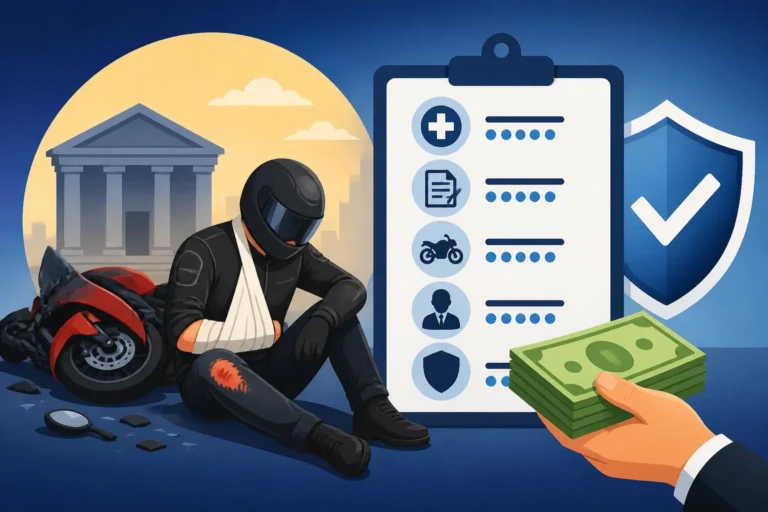
When you’ve been in a motorcycle accident, it’s easy to feel like your injuries might not be "serious enough" to warrant a significant claim, especially if you didn't break every bone in your body. But don't let that thought minimize what you've endured. This guide will walk you through how even seemingly minor motorcycle accident injuries are valued, helping you understand the true scope of your potential claim and ensuring you don't underestimate your experience.
Understanding "Minor" in Motorcycle Accidents
The word "minor" can be incredibly misleading when it comes to motorcycle accident injuries. What might be considered a fender-bender with a few aches and pains in a car often translates into a far more significant ordeal for a rider. The simple truth is, we riders don't have the protective cage of a car around us, which means even low-speed impacts or falls can lead to injuries that are anything but minor in their impact on our lives.
The Disconnect Between Perception and Reality
It's a frustrating reality that there's a huge disconnect between how the general public, and sometimes even insurance adjusters, perceive motorcycle injuries versus car occupant injuries. If a car driver walks away with whiplash and a bruised knee, it might be seen as a legitimate injury. But a motorcyclist with "just" road rash or a sprain often faces skepticism, as if their injuries are somehow less valid because they chose to ride. This bias can be incredibly disheartening. What they don't see is the immense force involved, the lack of crumple zones, and the sheer vulnerability of a human body against pavement and vehicles. Even a small impact can send a rider flying, leading to impacts that jar the entire body in ways a car occupant might never experience. This means that seemingly benign injuries can have deeper, more pervasive effects.
Common "Minor" Injuries and Their Real Impact
Let's talk about some of these "minor" injuries and what they really mean for a rider. They aren't just inconveniences; they can significantly disrupt your life and carry substantial costs.
- Road Rash: Ah, the dreaded road rash. It sounds like a superficial scrape, right? But depending on its depth and extent, road rash can range from a first-degree abrasion to a third or fourth-degree injury that goes through all layers of skin, exposing muscle and even bone. Severe road rash can require extensive medical treatment, including painful wound cleaning, debridement, and even skin grafts. It can lead to severe scarring, nerve damage, and a heightened risk of infection. The healing process is often agonizing, restricting movement, making sleep difficult, and preventing you from working or enjoying your normal activities. Don't let anyone tell you road rash is "just a scrape." For more on this, check out our guide on Road Rash Injuries and Claims.
- Sprains and Strains: A twisted ankle or wrist might seem minor, but for a rider, these can be debilitating. If you rely on your hands and wrists for work, a sprained wrist can mean weeks or months off the job, leading to significant lost income. An ankle sprain can limit your mobility, affecting everything from walking to driving a car, let alone getting back on your bike. These injuries often require physical therapy, pain medication, and extended recovery periods, accumulating medical bills and causing persistent discomfort.
- Contusions (Bruises): While a simple bruise might be minor, a deep contusion can indicate significant internal damage to muscle tissue, blood vessels, or even organs. They can be incredibly painful, lead to swelling, and limit the function of the affected body part. What looks like a "bad bruise" on the surface could be masking deeper issues that require diagnostic imaging and specialized treatment.
- Whiplash: Often associated with car accidents, whiplash can be just as, if not more, severe for a motorcyclist. The sudden jolt of an impact, especially if you're thrown from your bike, can snap your head and neck, leading to significant soft tissue damage, chronic pain, headaches, dizziness, and limited range of motion. Whiplash can persist for months or even years, impacting your quality of life and requiring ongoing chiropractic care or physical therapy. Our article on Motorcycle Neck Injury: Claims and Compensation delves deeper into this.
- Minor Fractures: A hairline fracture in a finger, toe, or even a rib might not sound as dramatic as a shattered femur, but they can still be incredibly painful and restrictive. A broken finger might prevent you from working, typing, or performing daily tasks. Rib fractures make breathing, coughing, and sleeping agonizing. These require immobilization, pain management, and time off from work or leisure activities.
Each of these injuries, though sometimes labeled "minor," can have a cascading effect, leading to significant pain, financial strain, and a diminished quality of life.
Components of a Minor Injury Claim
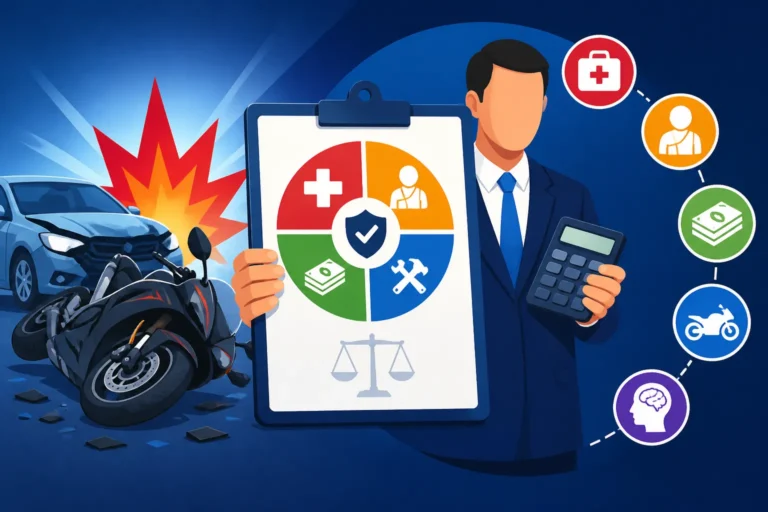
Even when your injuries aren't life-threatening, they still accumulate costs and cause suffering. A "minor" injury claim isn't just about the immediate band-aid; it's about recovering every dime you've spent and every moment of discomfort you've endured. Understanding the different types of damages you can claim is crucial to getting a fair settlement.
Economic Damages: The Tangible Costs
These are the calculable, out-of-pocket expenses directly resulting from your accident. They are often easier to quantify and are a fundamental part of any personal injury claim.
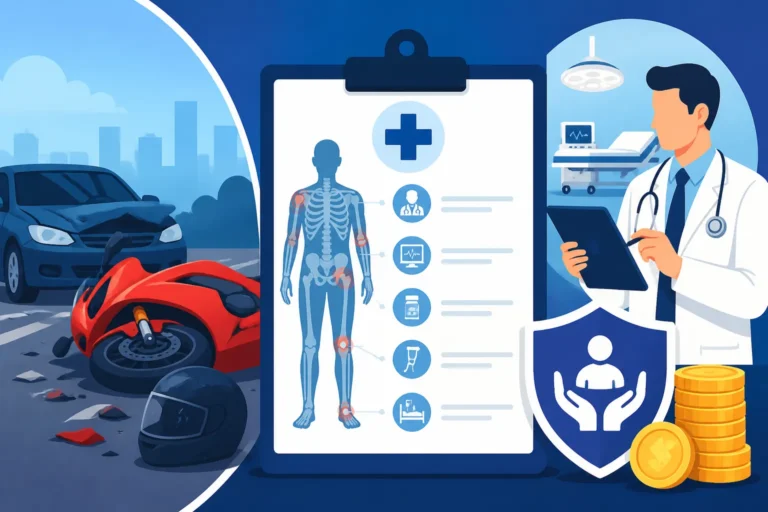
- Medical Bills: This is usually the first thing people think of. Even for "minor" injuries, medical care can add up quickly. This includes emergency room visits, ambulance rides (which can be shockingly expensive!), doctor consultations, diagnostic tests like X-rays or MRIs, prescription medications, physical therapy sessions, specialist visits (orthopedists, neurologists, dermatologists for road rash), and follow-up care. A few weeks of physical therapy after a severe sprain or whiplash can easily run into thousands of dollars. It's important to keep meticulous records of all medical expenses, even co-pays. Our article on How Medical Bills Affect Your Settlement provides more detail on this.
- Lost Wages and Earning Capacity: If your injuries, no matter how "minor" they seem, prevent you from working, you're entitled to compensation for those lost wages. This isn't just for hourly employees; it includes salaried individuals, freelancers, and small business owners. If your recovery means you have to use sick days, vacation days, or simply can't perform your job duties, that's a direct financial loss. Furthermore, if the injury creates a long-term limitation that reduces your ability to earn at the same level in the future, that's considered a loss of earning capacity. Imagine a graphic designer with a wrist sprain who can't use a mouse for weeks – that's a clear loss.
- Property Damage: Your motorcycle isn't just transportation; it's often a significant investment and a passion. Damage to your bike, helmet, riding gear (jacket, pants, gloves, boots), and any other personal property damaged in the crash (like a phone or backpack) is a crucial part of your claim. Even if your bike is repairable, the costs can be substantial, and if it's totaled, you need to be compensated for its fair market value.
Non-Economic Damages: The Intangible Toll
These damages are harder to put a dollar figure on, as they represent the subjective experience of suffering and loss. However, they are a very real and significant component of any personal injury claim, especially in motorcycle accidents where the physical and emotional impact can be profound. Learn more about the distinction in our guide on Economic vs Non-Economic Damages Explained.
- Pain and Suffering: This covers the physical pain you endure from your injuries, both acute and chronic. It's not just the sharp pain right after the accident, but also the persistent aches, stiffness, throbbing, and discomfort during recovery. This is a very personal experience, and it can be significant even with injuries labeled "minor." Imagine the constant irritation of road rash, the dull ache of a sprained joint, or the persistent headaches from whiplash. Our article Pain and Suffering Damages Explained dives deeper into this crucial aspect.
- Emotional Distress: Beyond physical pain, accidents can cause significant emotional and psychological trauma. This can manifest as anxiety, fear of riding again, difficulty sleeping, nightmares, depression, or even post-traumatic stress disorder (PTSD). Many riders experience a profound sense of violation or vulnerability after a crash. Even if your physical injuries are minor, the emotional scars can linger for a long time. For example, a rider who narrowly avoided a severe collision might develop anxiety every time they encounter a similar traffic situation.
- Loss of Enjoyment of Life: This refers to the inability to participate in activities you once enjoyed due to your injuries. If a sprained ankle prevents you from hiking, playing sports, or simply going for a walk with your dog, that's a loss of enjoyment. If road rash means you can't swim, go to the beach, or even wear certain clothes comfortably for months, that significantly impacts your quality of life. This aspect is particularly relevant for motorcyclists, as riding itself is often a deeply cherished activity that can be temporarily or even permanently taken away.
Combining both economic and non-economic damages gives a more complete picture of the true value of your "minor" injury claim. Never let an insurance company or anyone else downplay the non-economic impacts of your crash.
Factors Influencing the Value of Minor Injury Claims
The valuation of a minor injury claim isn't a fixed formula; it's a dynamic process influenced by several critical factors. Understanding these can help you better advocate for yourself and ensure you receive fair compensation.
Severity of Injury and Treatment Duration
While we're talking about "minor" injuries, there's still a spectrum within that category. A sprain that heals in two weeks with minimal physical therapy will generally be valued differently than a severe whiplash injury that requires months of chiropractic care, injections, and missed work.
- Objective vs. Subjective Injuries: Objective injuries are those easily proven with medical imaging, like a confirmed fracture on an X-ray. Subjective injuries, like muscle strains, nerve pain, or whiplash, can be harder to objectively pinpoint. However, with consistent medical documentation, expert opinions, and a clear treatment history, even subjective injuries can be strongly supported. Insurance companies often try to downplay subjective complaints, making thorough documentation even more critical.
- Duration and Intensity of Treatment: The longer you receive medical care and the more intensive that care is (e.g., surgery vs. rest, specialist visits vs. general practitioner), the more significant your claim often becomes. A course of acupuncture or several months of physical therapy, even for a "minor" back strain, demonstrates both the severity of your pain and your proactive efforts to recover. This prolonged treatment directly impacts your medical bills and often, your pain and suffering valuation.
Evidence and Documentation
This cannot be stressed enough: documentation is king. Without proper evidence, even the most legitimate "minor" injury claim can fall apart.
- Medical Records: Every single doctor's visit, every diagnosis, every prescription, every therapy session – it all needs to be recorded. Gaps in treatment can be used by insurance companies to argue that your injuries weren't serious or weren't caused by the accident. Always follow your doctor's recommendations for follow-up care. Our article on How Medical Records Support Your Claim emphasizes this.
- Accident Photos and Videos: Pictures of your injuries (road rash, bruises, swelling) immediately after the accident and throughout the healing process are incredibly powerful. Photos of the accident scene, vehicle damage (including your bike and gear), and any visible road hazards can also support your claim about how the accident happened and the forces involved. Dashcam footage or CCTV, if available, can be gold. For more details on what to capture, check out Photos to Take to Prove Motorcycle Fault.
- Personal Injury Journal: Keeping a daily log of your pain levels, limitations, emotional state, impact on daily activities, and medications can provide a compelling narrative of your suffering. Even for "minor" injuries, consistently tracking your daily struggles provides invaluable insight into your non-economic damages.
- Witness Statements and Police Reports: Independent witnesses can corroborate your account of the accident and the immediate aftermath. The official police report, while not always definitive on fault, documents the incident and can provide crucial details about the scene, weather conditions, and initial statements.
The Impact of Comparative Negligence
This is a critical factor, especially for motorcyclists who often face unfair bias. Many states operate under a system of Comparative Negligence in Motorcycle Accidents, where your compensation can be reduced by the percentage of fault attributed to you.
- How Shared Fault Reduces Payouts: If the other driver was 100% at fault, you can recover 100% of your damages. But if you were found to be 20% at fault for the accident (e.g., slightly speeding, or perceived as less visible), your total settlement amount would be reduced by 20%. So, a $20,000 claim for minor injuries could drop to $16,000.
- Rider Bias: Unfortunately, motorcyclists often face a preconceived notion that they are inherently reckless or at fault. Insurance adjusters might try to assign a higher percentage of fault to you, even for "minor" infractions, to reduce their payout. This is why proving the other driver's fault unequivocally is paramount. Our article on Rider Bias in Fault Determination explains how this can affect your case.
Insurance Policy Limits and Coverage
Even with strong evidence and significant damages, your payout is often limited by the available insurance coverage.
- At-Fault Driver's Policy Limits: The bodily injury liability limits of the at-fault driver's insurance policy will often set the maximum amount you can recover from them. If their policy is only $25,000 and your damages (medical bills, lost wages, pain and suffering) total $50,000, you might struggle to recover the full amount from their insurer alone.
- Underinsured Motorist (UIM) Coverage: This is where your own insurance comes into play. If your "minor" injuries and associated damages exceed the other driver's liability limits, your Underinsured Motorist (UIM) coverage can step in to cover the difference, up to your policy's limits. This coverage is absolutely vital for motorcyclists, as catastrophic injuries can quickly surpass minimum liability limits.
A nuanced understanding of these factors allows you to prepare for negotiations and build the strongest possible claim, even for injuries that others might dismiss as "minor."
Strategies to Maximize Your Minor Injury Claim
While the term "minor" might make you feel like your claim won't be significant, taking the right steps can ensure you're fairly compensated for all your damages. Every action you take (or don't take) after an accident can impact the eventual outcome.
Seek Immediate Medical Attention
This is arguably the most important piece of advice, regardless of how you feel after a crash. Even if you think you just have a few scrapes and bruises, adrenaline can mask pain and symptoms.
- Establish a Medical Record: Going to the emergency room, an urgent care clinic, or your primary care physician right after the accident creates an immediate medical record linking your injuries directly to the incident. This contemporaneous documentation is invaluable. If you delay seeking care, the insurance company might argue that your injuries weren't caused by the accident or that you exacerbated them by not seeking prompt treatment.
- Identify Hidden Injuries: Some injuries, like internal bleeding, concussions, or subtle fractures, might not be immediately apparent. A medical professional can diagnose these issues early, preventing more severe complications down the line. Our guide, Why You Should Seek Immediate Treatment, explores this in more detail.
- Follow Through with Treatment: Once you start treatment, stick with it. Attend all follow-up appointments, complete all physical therapy sessions, and take all prescribed medications. Gaps in treatment can be used by the insurance company to claim you weren't seriously injured or that you weren't compliant with medical advice.
Document Everything Thoroughly
As mentioned before, detailed documentation is your most powerful tool. The more evidence you have, the harder it is for insurance companies to dispute your claim.
- Photographs and Videos: Take photos of the accident scene, vehicle damage, and especially your injuries. Capture the progression of road rash, bruising, and swelling over time. These visual aids are compelling evidence.
- Injury Journal: Keep a daily log of your pain levels, limitations, emotional state, medications, and how your injuries impact your daily life. This journal provides a detailed, personal account of your suffering and aids in proving non-economic damages like pain and suffering.
- Keep All Receipts and Records: Save every medical bill, prescription receipt, repair estimate for your bike and gear, and any documentation for lost wages from your employer. These tangible records directly prove your economic damages.
- Police Report: Obtain a copy of the official police accident report. While not always conclusive on fault, it provides an objective account of the scene and initial statements.
Don't Rush to Settle
Insurance companies are businesses, and their goal is to settle claims for the lowest possible amount. They might offer a quick, lowball settlement, especially for "minor" injuries, hoping you'll take it out of desperation or a desire to move on.
- Understand the Full Extent of Your Injuries: Many injuries, particularly soft tissue injuries, take time to fully manifest and heal. Rushing to settle before you have a clear understanding of your prognosis, future medical needs, and lost earning capacity can leave you without adequate compensation if your injuries worsen or require prolonged treatment. You generally want to wait until you've reached Maximum Medical Improvement (MMI) before settling, which means your condition has stabilized and further recovery isn't expected. For more on the settlement process, see How Long Does a Motorcycle Settlement Take.
- Negotiate Effectively: A lowball offer isn't the final word. You have the right to negotiate. Present your documented damages, including all economic and non-economic losses. If you're unsure how to approach this, a motorcycle accident attorney can be invaluable in handling these negotiations. Check out our guide on How to Negotiate a Motorcycle Accident Settlement for more strategies.
- Beware of General Releases: Never sign a general release of liability without fully understanding its implications. This document often means you give up your right to pursue further compensation for any injuries or damages related to the accident, even if new issues arise later.
By being proactive, meticulous, and patient, you significantly increase your chances of recovering fair compensation for your minor motorcycle accident injuries.
Valuing "Minor" Motorcycle Accident Injuries: A Comparison
To further illustrate the true value of seemingly minor injuries in a motorcycle accident claim, let's look at a comparative table. This highlights how various factors contribute to the overall potential settlement, moving beyond just the immediate medical cost.
| Injury Type | Initial Perception (Often by Others) | Potential Real-World Impact (for a Rider) | Key Claim Components (Examples) | Potential Valuation Factors |
|---|---|---|---|---|
| Road Rash (2nd-3rd degree) | "Just a scrape" | Severe pain, infection risk, scarring, nerve damage, restricted movement, sleep disturbance, psychological impact. | ER/Urgent care, wound care, debridement, antibiotics, plastic surgery consults, skin grafts, scar revision, pain medication, lost wages, emotional distress. | Depth & extent of rash, scarring severity, presence of infection, duration of wound care, need for skin grafts, nerve damage, impact on daily activities (e.g., swimming, wearing clothes), lost income. |
| Whiplash/Neck Strain | "Minor neck pain" | Chronic headaches, dizziness, limited neck mobility, persistent pain, difficulty concentrating, anxiety, missed work/riding. | Chiropractic adjustments, physical therapy, massage therapy, pain medication, diagnostic imaging (MRI), specialist visits, lost wages, emotional distress, loss of enjoyment (e.g., inability to ride). | Duration of symptoms, intensity of pain, length of treatment, effectiveness of treatment, impact on work/hobbies, need for long-term care, evidence of nerve impingement. |
| Sprained Ankle/Wrist | "Just a twist" | Severe swelling, inability to bear weight/grip, limited mobility, chronic instability, missed work (especially manual labor), pain. | ER/Urgent care, X-rays, bracing/splinting, physical therapy, pain medication, specialist visits, lost wages, emotional distress, loss of enjoyment (e.g., hiking, lifting, riding). | Degree of sprain (Grade I-III), length of immobilization, physical therapy duration, persistent pain/instability, impact on specific job duties or hobbies (e.g., clutching, braking), lost income. |
| Deep Contusion/Bruise | "Just a bruise" | Intense pain, significant swelling, hematoma, nerve compression, limited joint/muscle function, discoloration, potential underlying issues. | ER/Urgent care, diagnostic imaging (ultrasound, MRI), pain medication, physical therapy, specialist consults, lost wages (if debilitating). | Size and depth of contusion, presence of hematoma, impact on muscle/joint function, length of recovery, persistent pain, need for follow-up care. |
| Minor Fracture (e.g., finger/toe/rib) | "Not a major bone" | Significant pain, immobilization, restricted hand/foot/torso function, inability to work, sleep disturbance, prolonged healing. | ER/Urgent care, X-rays, casting/splinting, pain medication, physical therapy, lost wages, discomfort. | Location and type of fracture, need for reduction, length of immobilization, impact on specific job duties or daily tasks, duration of pain. |
This table underscores that even common "minor" injuries for motorcyclists often come with a wide range of tangible costs and intangible suffering that must be factored into any settlement calculation.
What to Do Immediately After a Motorcycle Accident
Beyond understanding the valuation, it's crucial to know the immediate steps to take to protect your claim, no matter how "minor" your injuries seem. Your actions right after the crash can significantly impact your ability to recover compensation later.
Prioritize Your Safety and Well-being
Your health is the absolute most important thing. Adrenaline can mask pain, so don't assume you're fine if you can stand up.
- Move to Safety (If Possible): If you can move, get yourself and your bike (if it's safe to do so) out of the path of oncoming traffic. Turn on your hazard lights.
- Check for Injuries: Assess yourself and any passengers. If you feel any significant pain or are disoriented, do not move unnecessarily. Wait for paramedics.
- Call 911: Always call the police and emergency medical services. A police report is vital for documenting the accident, and paramedics can assess your condition. Even if you decline ambulance transport, getting checked out on the scene creates a record. For more on what to do, see What to Do Immediately After a Motorcycle Accident.
Gather Information at the Scene
If you're able and it's safe, collect as much information as possible. This data will be critical for your claim.
- Exchange Information: Get the other driver's name, contact information, insurance company and policy number, driver's license number, and vehicle license plate number.
- Take Photos and Videos: Document everything – your injuries, bike damage, the other vehicle, the accident scene from various angles, road conditions, traffic signs, and any skid marks. Our article How to Document the Scene to Prove Fault provides a comprehensive checklist.
- Identify Witnesses: Get names and contact information for anyone who saw the accident. Their unbiased testimony can be incredibly valuable in proving fault. Read more about How Witnesses Affect Motorcycle Fault.
- Do Not Admit Fault: Even if you think you might be partly to blame, do not admit fault or apologize. Let the investigation determine fault. Anything you say can be used against you by insurance companies.
Follow Up and Consult with an Attorney
Once you've left the scene, your next steps are just as crucial.
- Seek Medical Attention (Again): Even if paramedics checked you over, schedule an appointment with your doctor or a specialist as soon as possible. Some injuries, like concussions, might have delayed symptoms.
- Notify Your Insurance Company: Report the accident to your own insurance company promptly, but stick to the facts and avoid speculating about fault or injury severity.
- Consult a Motorcycle Accident Attorney: Even for seemingly minor injuries, talking to an attorney experienced in motorcycle accidents is highly advisable. They understand the nuances of rider bias and how to properly value and negotiate claims, ensuring you receive fair compensation. They can also help navigate complex issues like Shared Fault in Motorcycle Accidents or disputes over who is at fault in a Left-Turn Motorcycle Accidents Explained. An attorney can protect your rights and handle communications with insurance adjusters, who may try to minimize your injuries and settlement offer.
Taking these steps diligently will create a robust foundation for your claim, regardless of whether your injuries are "minor" or catastrophic.
Disclaimer
Please remember, the information provided in this guide is for informational purposes only and does not constitute legal advice. Motorcycle accident claims are complex and highly dependent on the specific facts of your case and the laws of your state. It is always recommended to consult with a qualified motorcycle accident attorney to discuss your individual situation and receive personalized legal advice.