Motorcycle Accidents Caused by Failure To Yield
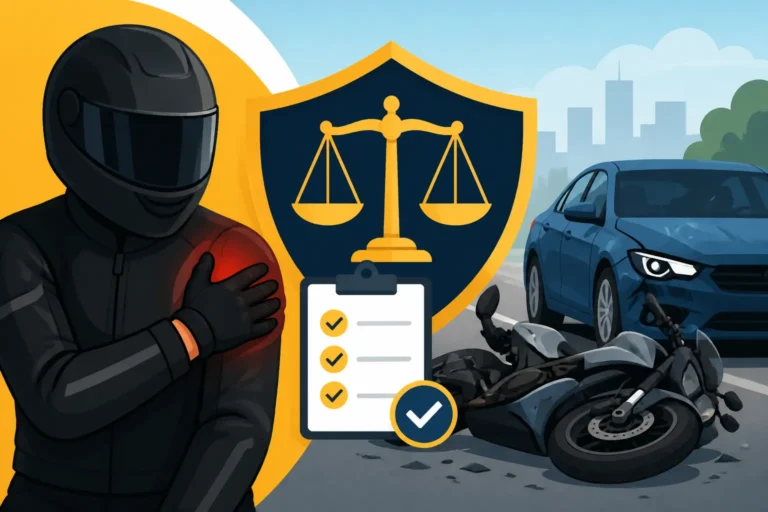
It’s an all too common nightmare for motorcycle riders: you’re cruising along, minding your own business, and suddenly, a car pulls out in front of you, seemingly from nowhere. The driver often throws their hands up, or worse, says those infuriating words, "I didn't see you." This gut-wrenching experience is the heart of motorcycle accidents caused by a failure to yield, leaving riders with severe injuries and a complex path to recovery. This guide aims to thoroughly break down what failure-to-yield means, why these crashes happen so often, and what you need to know if you've been impacted.
Understanding "Failure to Yield" in Motorcycle Accidents
"Failure to yield" is a phrase that carries significant weight in traffic law and, unfortunately, in the lives of motorcycle riders. At its core, it means a driver did not give the right-of-way to another vehicle when required by law, leading to a collision. For motorcyclists, these incidents are particularly dangerous, often resulting in devastating outcomes.
The Legal Definition and Ramifications
Legally speaking, failure to yield occurs when a driver proceeds without granting precedence to another vehicle or pedestrian that has the legal right to go first. This isn't just a courtesy; it's a fundamental rule of the road designed to prevent collisions and maintain traffic flow. When a car operator violates this rule and causes an accident with a motorcycle, they are generally considered negligent. This negligence is the cornerstone of any personal injury claim a rider might pursue. Different states have varying specifics in their traffic codes regarding right-of-way, but the principle remains the same: certain situations dictate who must wait and who may proceed. For instance, in many states, a driver making a left turn must yield to oncoming traffic, including motorcycles, before turning. If they fail to do so, and a crash occurs, they have failed to yield. The ramifications extend beyond a traffic ticket; they involve liability for property damage, medical bills, lost wages, and pain and suffering.
Why Motorcycles Are Disproportionately Affected
Motorcycles, by their very nature, are smaller and less conspicuous than cars, trucks, or SUVs. This size difference is a huge factor in why riders are so often the victims of failure-to-yield accidents. Drivers, often subconsciously, tend to look for larger vehicles, and a motorcycle can literally disappear in their blind spots or be misjudged for its speed and distance. It's a phenomenon known as "looked but failed to see," where a driver might technically look in the direction of an oncoming motorcycle but their brain doesn't register it as a significant threat or even as a vehicle at all. This cognitive bias, coupled with distractions like cell phones or in-car entertainment systems, creates a dangerous environment for riders. The narrow profile of a motorcycle can also make it harder for drivers to accurately estimate its speed, leading them to misjudge gaps in traffic and pull out prematurely. These combined factors mean that even when a driver thinks they've checked for traffic, they might still miss seeing a motorcycle, leading to a critical failure to yield.
Common Scenarios of Failure to Yield Accidents Involving Motorcycles
Failure-to-yield accidents aren't a single type of crash; they manifest in several common scenarios, each carrying its own risks and challenges for motorcyclists. These situations highlight typical driver errors that put riders in harm's way.
Left-Turn Collisions
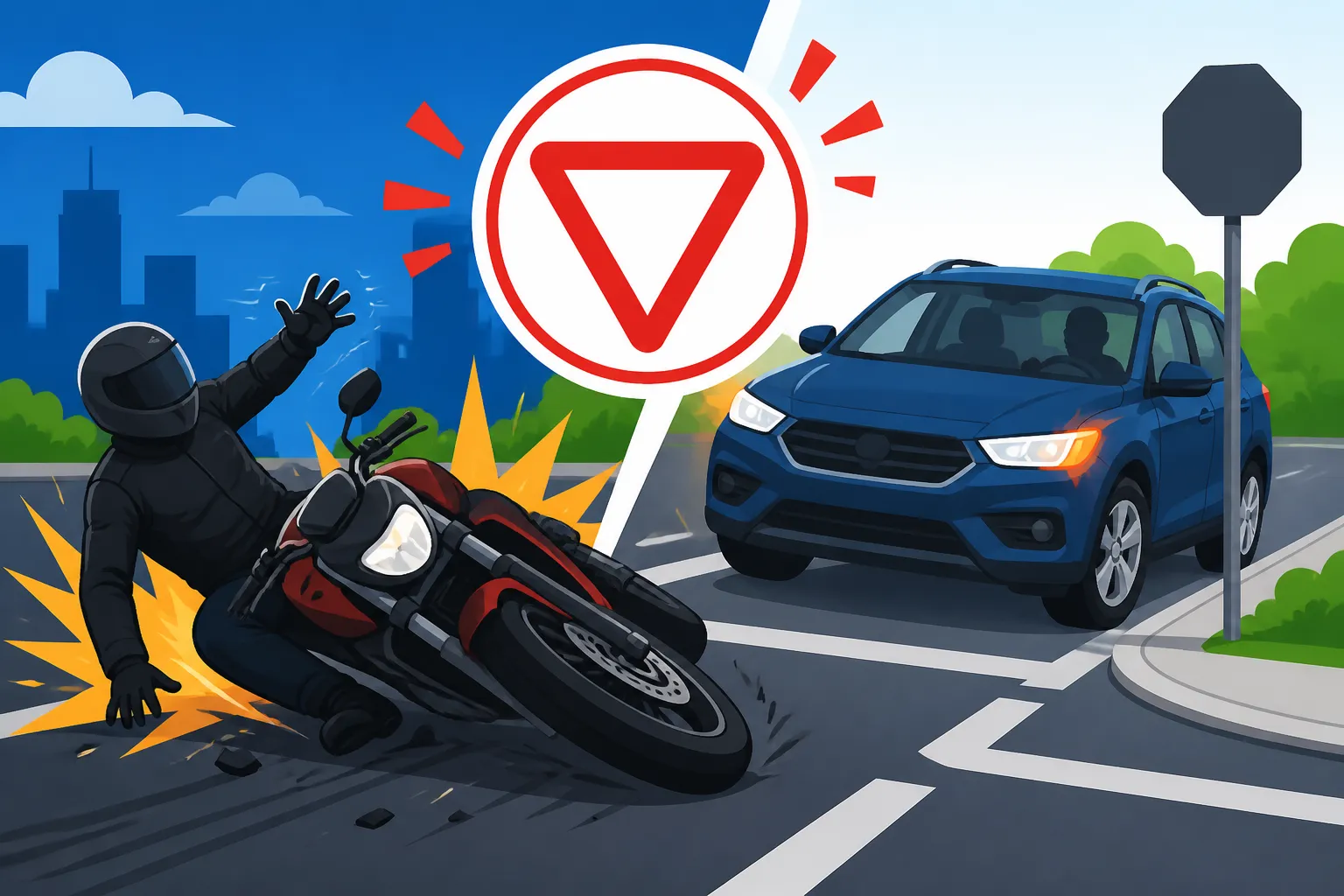
This is perhaps the most notorious type of failure-to-yield accident for motorcyclists. You're riding straight through an intersection, and an oncoming car suddenly makes a left turn directly into your path. The driver often claims they didn't see you, or they misjudged your speed and thought they had enough time to complete their turn. Unfortunately, motorcycles can be less noticeable against complex backgrounds, especially at night or in busy urban environments like downtown Los Angeles or Chicago's Loop. The car driver is usually found at fault in these situations because they are legally required to yield to oncoming traffic before making a left turn. The impact points are often on the side of the motorcycle, leading to severe injuries for the rider who is frequently thrown from their bike. It’s a terrifying moment that happens far too often, and it underscores the vulnerability of riders on the road. If you've been involved in such an incident, understanding Left-Turn Motorcycle Accidents Explained can provide further clarity on how fault is typically assigned.
Stop Signs and Traffic Lights
Intersections governed by stop signs and traffic lights are another hotbed for failure-to-yield crashes. At a four-way stop, for example, a driver might roll through the stop sign or stop but then proceed without waiting for a motorcycle that arrived first or has the right-of-way. Similarly, at a traffic light, a driver might try to "beat the light" by turning or accelerating on a stale yellow, or even run a red light, colliding with a motorcycle that has a green signal. The consequences of these actions can be catastrophic. Imagine you're riding through a green light on a main thoroughfare in Phoenix, Arizona, and a distracted driver blows through their red light from a cross street. You have no time to react. These incidents often involve high speeds and direct impacts, leading to some of the most severe injuries. Documenting How Police Reports Establish Fault in these scenarios is crucial for your claim.
Merging and Lane Changes
While not always a clear "failure to yield" in the traditional sense, accidents during merging or lane changes often stem from a driver failing to yield appropriate space or failing to see a motorcycle in an adjacent lane or approaching from an on-ramp. When a car attempts to merge onto a highway without checking their blind spot, or changes lanes abruptly without signaling, a motorcycle in that lane is at extreme risk. The smaller size of a motorcycle means it can easily be overlooked in a car's blind spot, leading to a sideswipe or forcing the rider off the road. This is particularly prevalent on busy multi-lane highways or congested city streets, where drivers are often aggressive or distracted. For instance, a truck driver on I-75 near Atlanta, Georgia, might not check their massive blind spot before changing lanes, simply because they don't anticipate a smaller vehicle like a motorcycle being there. This negligence directly results in a failure to yield the lane to the existing traffic.
The Devastating Impact of Failure to Yield on Riders
The physical, emotional, and financial toll of a motorcycle accident caused by a driver's failure to yield is often profound, far surpassing what many people might imagine. Unlike car occupants, motorcyclists lack the protection of an enclosed vehicle, airbags, or seatbelts, making them incredibly vulnerable.
Severe Injuries and Long-Term Consequences
When a motorcycle collides with a larger vehicle, the rider usually takes the brunt of the impact. This often leads to horrific injuries, far beyond typical fender-benders. We're talking about things like catastrophic head trauma, even with a helmet, leading to Motorcycle Accident Traumatic Brain Injuries. Spinal cord injuries are tragically common, potentially resulting in paralysis and a lifetime of medical care. Broken bones are almost a given, frequently compound fractures that require multiple surgeries and lengthy rehabilitation. Then there's the infamous road rash, which can range from minor abrasions to deep, full-thickness skin loss requiring painful skin grafts and leaving permanent scarring, as detailed in Road Rash Injuries and Claims.
Beyond these immediate, visible injuries, many riders suffer internal injuries that aren't immediately apparent, as well as nerve damage that can lead to chronic pain and loss of function. The recovery journey is not just weeks or months, but often years, involving physical therapy, occupational therapy, and ongoing medical appointments. Some injuries may result in permanent disability, drastically altering a rider's quality of life and ability to perform daily tasks or even return to their previous profession. The psychological scars are also deep, with many victims experiencing PTSD, anxiety, and depression long after their physical wounds have healed.
Financial Burden and Economic Damages
The financial aftermath of a severe motorcycle accident can be crippling. Medical bills stack up at an astonishing rate, covering everything from emergency room visits and ambulance rides to surgeries, specialist consultations, medications, and rehabilitation. These costs can easily run into the tens or hundreds of thousands of dollars, or even millions for catastrophic, lifelong injuries. Beyond direct medical expenses, there's the significant loss of income. Many injured riders are unable to work for extended periods, or ever again, leading to lost wages and a diminished earning capacity for the future.
Then there's the damage to the motorcycle itself. Repairs can be extensive and expensive, or the bike might be a total loss, requiring replacement. Personal property like helmets, leathers, and other gear are almost always destroyed in a serious crash, adding to the financial strain. These are all considered economic damages, and they represent a tangible, measurable loss. The sheer weight of these financial pressures can be overwhelming, pushing families into debt and creating immense stress during an already traumatic time. Understanding how Economic Damages Explained and other types of damages are accounted for is crucial for your claim.
Proving Fault in Failure to Yield Motorcycle Accidents
Determining and proving fault is the absolute bedrock of any motorcycle accident claim, especially when a driver has failed to yield. It's rarely as simple as one person saying, "They hit me!" The insurance companies and legal system demand evidence, and gathering it thoroughly is key to securing fair compensation.
The Role of Evidence and Documentation
Solid evidence is your best friend when proving a driver failed to yield. The more concrete information you have, the stronger your case will be. This starts at the scene of the accident, where photographs are invaluable. Snap pictures of everything: vehicle positions, damage to both the car and your motorcycle, skid marks on the road, traffic signs or signals, and any road hazards. Take photos from multiple angles and distances. If there's a dashcam in your helmet or the other driver's vehicle, that footage can be gold. It provides an unbiased, real-time account of what happened.
Police reports are also critical. While not always the final word on fault, they offer an official account of the accident, including diagrams, citations issued, and statements from drivers and witnesses. Be sure to get a copy of the police report as soon as possible. Beyond the immediate scene, medical records are vital for proving the extent of your injuries and their direct link to the accident. Keep detailed records of all doctor visits, diagnoses, treatments, and prescriptions. Witness statements, especially from impartial bystanders, can corroborate your version of events and are often highly persuasive. Don't forget to get contact information for anyone who saw the crash. This comprehensive documentation forms the foundation for proving that the other driver's actions constituted a failure to yield. Learning about Motorcycle Accident Evidence for Proving Fault can help you understand what to prioritize.
Overcoming the "I Didn't See the Motorcycle" Defense
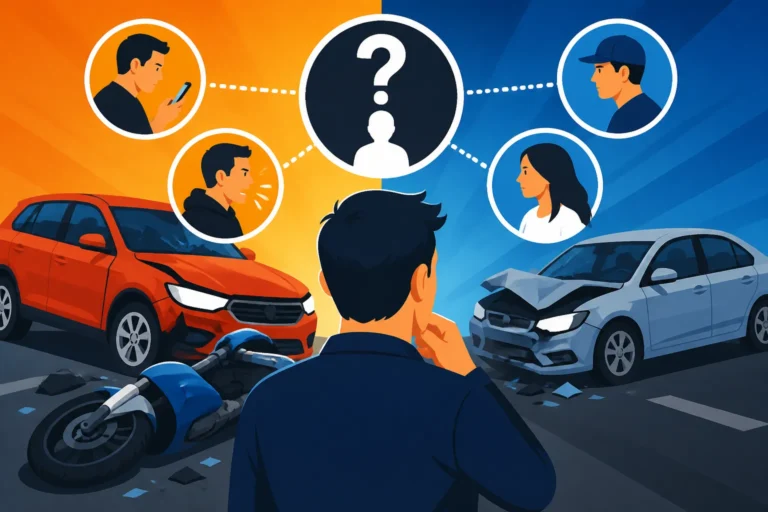
This defense is as frustrating as it is common. Drivers who fail to yield often claim they simply "didn't see" the motorcycle, implying that the rider was somehow invisible or at fault for not being more noticeable. However, legally, "I didn't see them" is usually not a valid excuse for failing to yield. Drivers have a legal duty to operate their vehicles safely and to be aware of their surroundings, which includes looking for all traffic, regardless of size.
To counter this defense, you'll need the evidence we just discussed. Witness testimony can be powerful, especially if they saw the motorcycle clearly before the crash. Accident reconstruction experts can analyze the scene, vehicle damage, and impact dynamics to demonstrate that the motorcycle was visible and the driver had ample opportunity to see it if they had been paying proper attention. Furthermore, showing that the driver violated a specific traffic law (like failing to yield at a stop sign or during a left turn) directly refutes their "didn't see" claim, as it points to a clear legal infraction. It’s about shifting the narrative from the rider's visibility to the driver's responsibility and negligence.
| Failure to Yield Scenario | Common Evidence Needed | Typical Legal Duty Violated |
|---|---|---|
| Left-Turn Collision | Police report, intersection photos, witness statements, traffic camera footage (if available) | Yield to oncoming traffic |
| Stop Sign Violation | Police report, intersection photos, skid marks, witness statements, local CCTV | Stop and yield to cross traffic |
| Red Light Running | Police report, traffic camera footage, witness statements, dashcam | Obey traffic signals, stop on red |
| Unsafe Lane Change/Merge | Police report, dashcam footage, witness statements, vehicle damage photos | Check blind spots, yield to existing lane traffic |
| Pedestrian Crosswalk | Police report, crosswalk photos, witness statements, local CCTV | Yield to pedestrians in crosswalk |
Legal Implications and Compensation for Riders
Once fault is established, the legal implications shift towards seeking fair compensation for the injured rider. This process involves navigating insurance companies, understanding different types of damages, and dealing with potential challenges like comparative negligence.
Types of Damages You Can Recover
When a driver's failure to yield causes an accident, the injured motorcyclist is generally entitled to recover a range of damages. These typically fall into two main categories: economic and non-economic. Economic damages are the quantifiable financial losses, such as past and future medical expenses (hospital stays, surgeries, therapy, medication, adaptive equipment), lost wages (from time off work due to injury and recovery), and loss of future earning capacity if the injuries prevent a return to the same job. They also include property damage for your motorcycle and any destroyed gear.
Non-economic damages are more subjective but just as real. These compensate you for the pain and suffering you endured, both physical and emotional. This can include chronic pain, emotional distress, mental anguish, scarring and disfigurement, and loss of enjoyment of life – meaning the inability to participate in hobbies or activities you once loved. In rare cases where the driver's conduct was particularly egregious (like drunk driving), punitive damages might also be awarded, intended to punish the at-fault party and deter similar behavior. Understanding Types of Damages in a Motorcycle Accident Claim can help you see the full scope of potential recovery.
The Impact of Comparative Negligence
Unfortunately, even when another driver clearly failed to yield, insurance companies often try to pin some blame on the motorcyclist. This is where the concept of comparative negligence comes into play. Most states follow some form of comparative negligence, which means that if you are found partially at fault for the accident, your total compensation can be reduced by your percentage of fault. For example, if you are deemed 10% at fault for speeding, and your total damages are $100,000, you would only be able to recover $90,000.
States like California operate under a "pure comparative negligence" system, where you can recover damages even if you are 99% at fault (though your payout would be minimal). Other states, like Texas, use "modified comparative negligence," often with a 50% or 51% bar rule, meaning if you are found to be 50% or more at fault, you cannot recover any damages at all. This highlights why it’s so important to vigorously fight any unfair assignment of fault. Insurance companies often try to use rider stereotypes against victims, suggesting they were speeding or reckless, even when the primary cause was the other driver's failure to yield. Your attorney will work to demonstrate that the primary responsibility, and thus the majority of fault, lies squarely with the driver who failed to yield. How Comparative Negligence in Motorcycle Accidents reduces your potential settlement and emphasizes the need for strong legal representation.
Preventative Measures and Rider Safety
While you can't control other drivers' actions, taking proactive steps can significantly reduce your risk of becoming a victim of a failure-to-yield accident and strengthen your position if one does occur.
Defensive Riding Strategies
Defensive riding is paramount for motorcyclists, especially given the prevalence of drivers who fail to see or yield to bikes. Always assume other drivers don't see you. This means riding as if you are invisible, which, ironically, makes you more prepared for drivers who truly don't notice you. Focus on maintaining a safe following distance, constantly scanning the road ahead and to your sides for potential hazards, particularly at intersections. Look for tell-tale signs of a driver about to pull out or turn, like wheels turning, heads moving, or even just their vehicle slowing down.
Visibility is key. Wear bright, reflective gear, especially at night or in low light conditions. Consider adding auxiliary lighting to your motorcycle. Always use your turn signals, and consider using your horn briefly before passing a car or approaching an intersection where a driver might not see you. Never rely solely on another driver to make the correct decision. Be ready to take evasive action, whether it's braking hard, swerving, or accelerating out of a dangerous situation. Your life literally depends on your vigilance and ability to react to others' mistakes. Thinking ahead and anticipating potential errors are crucial elements in preventing Common Causes of Motorcycle Accidents.
The Importance of Proper Gear and Training
While proper gear won't prevent an accident caused by another driver's failure to yield, it dramatically reduces the severity of injuries if a crash does occur. A DOT-compliant helmet, for example, is your best defense against traumatic brain injuries, even in states with partial or no helmet laws. Beyond helmets, investing in protective gear like armored jackets, riding pants, gloves, and sturdy boots can mitigate road rash, broken bones, and other impact injuries. Good quality gear acts as a second skin, absorbing impacts and resisting abrasion.
Furthermore, continuous training is incredibly beneficial. Basic riding courses are a great start, but advanced rider training programs teach invaluable skills like emergency braking, evasive maneuvers, and hazard perception that can help you avoid or lessen the impact of a collision. These skills become second nature and can mean the difference between a close call and a catastrophic accident. Many courses also emphasize mental preparedness and situational awareness, which are crucial for anticipating dangerous scenarios, especially those involving drivers who might fail to yield. Don't underestimate the power of being well-trained and well-protected.
What to Do Immediately After a Motorcycle Accident
Being involved in a motorcycle accident is a terrifying, disorienting experience. It's hard to think clearly when you're hurt and shaken. However, the steps you take immediately following a failure-to-yield crash can profoundly impact your health and the success of any potential legal claim.
Securing the Scene and Seeking Medical Attention
First and foremost, your safety and health are paramount. If you are able, move yourself and your motorcycle to a safe location out of the flow of traffic, if possible. If you or anyone else is injured, call 911 immediately. Even if you feel "fine," it's crucial to seek medical attention. Adrenaline can mask pain, and some serious injuries, like internal bleeding or concussions, might not manifest symptoms for hours or even days. A thorough medical examination creates an official record of your injuries, which is vital for any future claim.
While waiting for emergency services, and only if it's safe to do so, begin documenting the scene. Take photos and videos as described earlier. Exchange information with the other driver, including their name, contact information, insurance details, and license plate number. Do not admit fault or apologize, even if you're just being polite. These statements can be misconstrued and used against you later. Obtain contact information from any witnesses. When law enforcement arrives, cooperate fully and provide an accurate account of what happened, but stick to the facts and don't speculate. These first steps are critical in protecting your health and preserving evidence for what might become a complex legal process. For a comprehensive guide, refer to What to Do Immediately After a Motorcycle Accident.
Notifying Your Insurance and Consulting a Legal Professional
As soon as possible after addressing immediate medical needs, you'll need to notify your insurance company about the accident. Provide them with the basic facts, but remember, you don't have to give a recorded statement or detailed account to their adjusters until you've spoken with a legal professional. Insurance companies, even your own, are businesses focused on minimizing payouts, and anything you say can potentially be used to undermine your claim.
This is where a motorcycle accident lawyer becomes indispensable. Dealing with injuries, medical bills, lost wages, and aggressive insurance adjusters is overwhelming. A lawyer specializing in motorcycle accidents understands the nuances of these cases, including the common "I didn't see the motorcycle" defense and how to counter it effectively. They can investigate the crash, gather crucial evidence, negotiate with insurance companies on your behalf, and ensure all your damages—economic and non-economic—are properly accounted for. They will guide you through the complexities of Motorcycle Accident Liability: A Complete Guide and ensure you don't make mistakes that could jeopardize your settlement. While it might seem like an added burden, consulting with an attorney early on is often the best way to protect your rights and secure the compensation you deserve. Most offer free initial consultations, so there's no risk in seeking expert advice.
Disclaimer
The information provided in this article is for general informational purposes only and does not constitute legal advice. Motorcycle accident laws vary significantly by state, and the specifics of any accident claim depend on individual circumstances. It is highly recommended to consult with a qualified legal professional specializing in motorcycle accident cases for advice tailored to your specific situation.