How PTSD Is Proven in a Claim
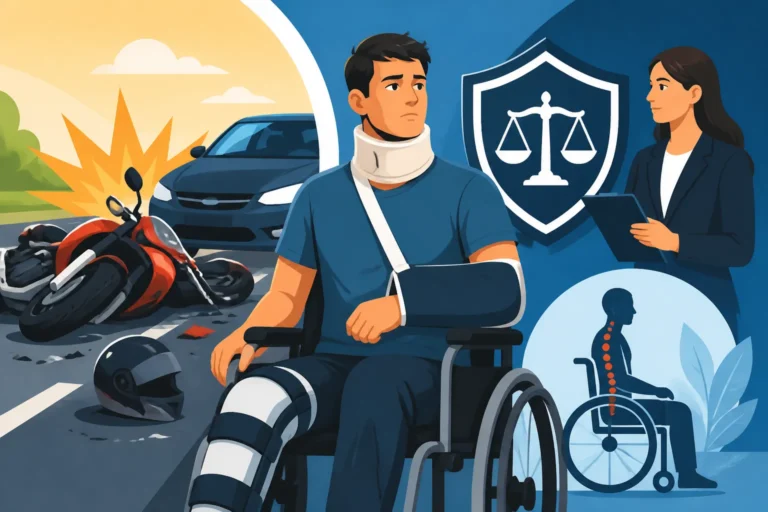
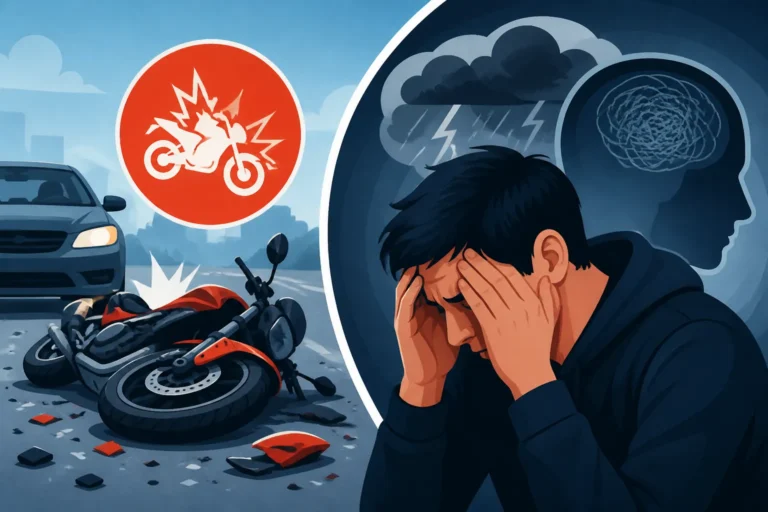
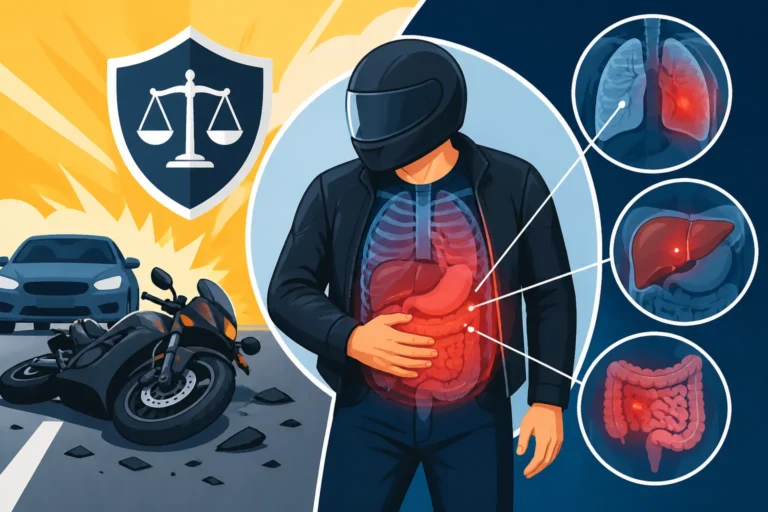
A motorcycle accident is far more than just bent metal and broken bones. For many riders, the unseen scars can cut just as deep, leading to conditions like Post-Traumatic Stress Disorder (PTSD) that profoundly impact daily life long after physical wounds heal. Proving this complex psychological injury in a claim can feel like an uphill battle, especially when insurance companies often focus solely on visible damage. This guide will walk you through the essential steps and types of evidence needed to effectively prove PTSD in your motorcycle accident claim, ensuring your full recovery is considered.
Understanding PTSD After a Motorcycle Accident
When you've been through the jarring, terrifying experience of a motorcycle accident, it's not uncommon for your mind to struggle with processing the trauma. The sheer vulnerability on two wheels, the sudden impact, the immediate pain, and the overwhelming fear can embed themselves deeply into your psyche, leading to a host of debilitating symptoms that fall under the umbrella of Post-Traumatic Stress Disorder. It’s a very real condition, and its impact on your life can be just as significant as any physical injury, if not more so.
What PTSD Looks Like for Riders
PTSD isn't just about feeling "stressed" or "shaken up" after a crash. It’s a recognized mental health condition characterized by specific symptoms that persist for more than a month after a traumatic event. For riders, this can manifest in ways that directly impact their passion for riding, their daily routines, and their overall well-being. You might find yourself reliving the accident through intrusive thoughts, nightmares, or vivid flashbacks that make it feel like you're back on the asphalt, watching that car turn in front of you all over again.
Beyond these re-experiencing symptoms, avoidance is a huge one. Many riders develop an intense fear of riding, even if they've been on bikes their whole lives. They might avoid the accident scene, specific routes, or even conversations about motorcycles. Hyperarousal symptoms can make you constantly on edge, irritable, or prone to sudden outbursts. You might struggle with sleep, find it impossible to concentrate, or feel a pervasive sense of numbness, detached from friends, family, and activities you once loved. It’s a persistent state of fight-or-flight, severely eroding your quality of life. These can easily become some of the Long-Term Effects of Motorcycle Injuries.
Why Motorcycle Accidents Are Prone to Causing PTSD
Motorcycle accidents carry a uniquely high risk for psychological trauma for several reasons. First, the inherent exposure of being on a bike means that riders often experience the full force of an impact with very little physical buffer compared to someone in a car. This direct exposure, combined with the often severe nature of Common Motorcycle Accident Injuries like road rash, broken bones, or head trauma, amplifies the traumatic experience.
Secondly, there's a significant element of perceived helplessness. In many motorcycle crashes, particularly those caused by another driver's negligence (like a left-turn collision or a distracted driver), the rider has little to no time to react and is completely at the mercy of the other vehicle. This loss of control is deeply traumatizing. The common phrase, "I didn't see the motorcycle," often hurled at riders, can also contribute to feelings of invisibility and injustice, further exacerbating the emotional toll. The sheer suddenness, the loud noises, the immediate pain, and the stark reality of severe injury or even death, all combine to create a perfect storm for PTSD development.
Gathering Medical Evidence for Your PTSD Claim
When you're dealing with the invisible wounds of PTSD, proving your injury in a claim hinges heavily on solid medical evidence. Unlike a broken arm that shows up clearly on an X-ray, PTSD requires expert diagnosis and consistent documentation to establish its presence, severity, and direct link to your motorcycle accident. This is where professional medical and psychological support becomes not only crucial for your recovery but also for the strength of your legal case.
The Importance of Professional Diagnosis
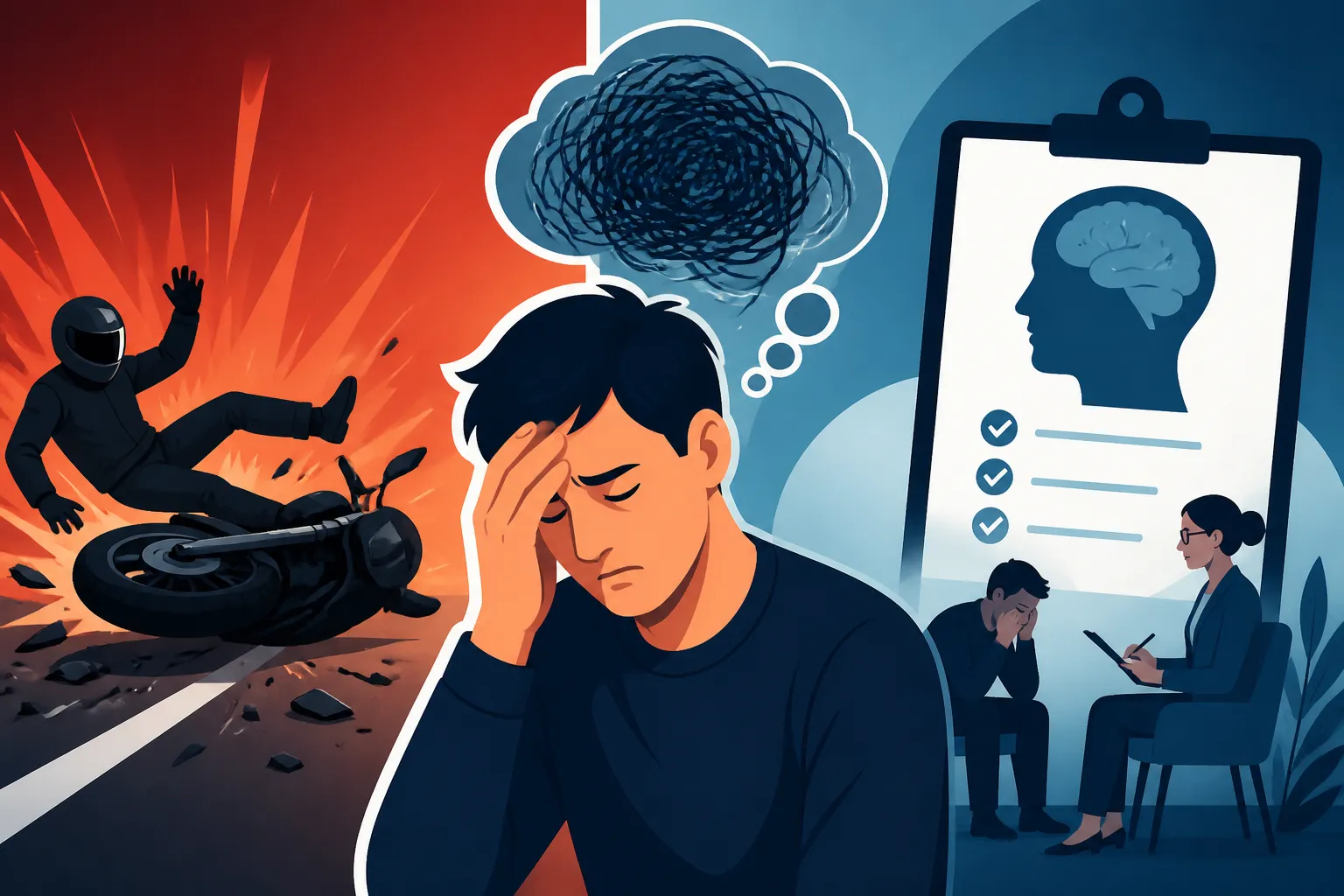
The cornerstone of proving PTSD in a claim is a formal diagnosis from a qualified mental health professional. This isn't something your family doctor, no matter how supportive, can typically provide to the standard required for a legal claim. You need to be evaluated by a psychiatrist, psychologist, or a licensed clinical social worker with experience in trauma and PTSD. These specialists are trained to use specific diagnostic criteria outlined in the Diagnostic and Statistical Manual of Mental Disorders, Fifth Edition (DSM-5), which is the authoritative guide used by mental health professionals.
During these evaluations, they will assess your symptoms, their duration, their impact on your functioning, and crucially, establish the link between these symptoms and the specific traumatic event of your motorcycle accident. Without this professional diagnosis, an insurance company can easily argue that your symptoms are unrelated, exaggerated, or simply not PTSD at all. Seeking immediate treatment is vital, as any significant delay can be used by the defense to question the severity or origin of your condition. This is why Why You Should Seek Immediate Treatment is often advised for all injuries, visible or not.
Detailed Medical Records and Treatment History
Once you've received a diagnosis, continuous and thorough documentation of your treatment is paramount. Every session, every medication prescribed, and every symptom discussed needs to be recorded. Here's what your treatment history should ideally include:
- Therapy Notes: Detailed records from your therapy sessions outlining your symptoms, progress, challenges, and the therapist's observations. These notes provide a narrative of your struggle and recovery journey.
- Psychological Evaluations: Comprehensive reports from initial and ongoing psychological assessments that confirm the PTSD diagnosis, assess its severity, and provide a prognosis. These reports often include specific testing results that objectively measure psychological distress.
- Medication Prescriptions: Records of any medications prescribed for PTSD symptoms (e.g., antidepressants, anti-anxiety medications) and the dates they were filled. This demonstrates a medical necessity for treatment.
- Hospitalization Records: If your PTSD symptoms led to hospitalization for intensive treatment or crisis intervention, these records are extremely strong evidence.
- Referral Information: Documentation showing that you were referred to a mental health specialist due to the accident-related trauma.
All these documents collectively form a robust picture of your suffering and the professional efforts being made to address it. They are critical elements for your legal team when outlining the Types of Damages in a Motorcycle Accident Claim.
Non-Medical Evidence to Strengthen Your Case
While medical records are the bedrock of proving PTSD in a claim, they aren't the only pieces of the puzzle. The insidious nature of PTSD means it impacts every facet of your life, often in ways that aren't captured by a therapist's notes alone. Gathering non-medical evidence can paint a vivid picture of how the accident has shattered your world, making your claim more relatable and compelling to an insurance adjuster or jury. This type of evidence helps bridge the gap between clinical diagnosis and real-world suffering, especially for things like Emotional Distress Damages.
Personal Journals and Witness Testimonies
One of the most powerful forms of non-medical evidence comes directly from you and those closest to you.
- Your Personal Journal: Keeping a daily journal where you record your symptoms, triggers, feelings, and how PTSD impacts your daily activities can be incredibly helpful. Note down instances of flashbacks, panic attacks, nightmares, difficulty sleeping, social withdrawal, or inability to engage in hobbies. For example, you might write, "October 24th: Tried to ride my bike to work, but as soon as I hit the intersection where the accident happened, I froze. Heart pounding, couldn't breathe. Had to pull over and call a cab. Felt completely defeated." This raw, day-to-day account of your struggles can be far more impactful than a simple doctor's note stating "patient reports anxiety." It directly demonstrates your How to Prove Pain and Suffering.
- Witness Testimonies: Statements from friends, family members, co-workers, or even neighbors can corroborate your claims. These individuals can describe the "before and after" you. They can testify to changes in your personality, your mood, your social habits, your ability to perform tasks, or your general demeanor since the accident. For instance, a spouse might explain how you used to love weekend rides but now refuse to even look at your motorcycle, or how you suffer from night terrors that disrupt their sleep as well. Their objective observations lend credibility to your subjective experiences.
Impact on Daily Life and Work
PTSD doesn't just reside in your head; it permeates your entire existence. Documenting its ripple effects on your day-to-day life and professional capacity is essential for calculating both your Economic vs Non-Economic Damages Explained.
- Loss of Enjoyment of Life: This refers to your inability to partake in hobbies, social activities, or daily routines that you once enjoyed. Did you used to be an avid rider, motorcyclist event attendee, or even just enjoy driving your car, but now the thought of being on the road fills you with dread? Are you unable to attend social gatherings because of anxiety, or have you become withdrawn from your family? Documenting specific examples, such as canceled outings, missed family events, or giving up a beloved hobby, clearly shows this loss.
- Impact on Relationships: PTSD can strain personal relationships. You might become irritable, distant, or suffer from mood swings. Testimonies or even your journal entries detailing arguments, misunderstandings, or emotional detachment from loved ones due to your symptoms can highlight this aspect of your suffering.
- Lost Wages and Earning Capacity: PTSD can make it difficult, if not impossible, to return to work, or to perform at the same level as before. Concentrating might be hard, you might suffer from panic attacks at work, or you might struggle with tasks that involve driving or stressful environments. Document any time off work due to mental health issues, a reduction in hours, or even a complete inability to work. Obtain statements from your employer detailing your performance before and after the accident. For those who were self-employed, tracking income discrepancies is crucial. This directly relates to How to Document Lost Wages.
- Sleep Disturbances: Nightmares, insomnia, and restless sleep are common PTSD symptoms. These can lead to chronic fatigue, further impairing your daily functioning. Keep a sleep log if possible, noting when you wake up, if you had nightmares, and how rested you feel.
By meticulously gathering this diverse range of evidence, you create a comprehensive narrative that powerfully illustrates the profound and far-reaching effects of PTSD stemming from your motorcycle accident.
The Role of Experts and Legal Strategy
Even with compelling medical and non-medical evidence, navigating a PTSD claim can be incredibly challenging. Insurance companies are notorious for skepticism when it comes to psychological injuries, often attempting to minimize their impact or deny their connection to the accident. This is where the strategic involvement of legal professionals and specialized experts becomes absolutely indispensable. They are equipped to handle the complexities and push back against insurer tactics, ensuring your claim is taken seriously.
Consulting with Forensic Psychologists
A forensic psychologist plays a unique and invaluable role in a personal injury claim involving PTSD. Unlike a treating therapist whose primary goal is your recovery, a forensic psychologist's role is to conduct an independent, objective evaluation specifically for legal purposes. They are trained to assess the causal link between the traumatic event (your motorcycle accident) and the development of PTSD.
Their evaluation typically involves:
- Extensive Interviews: Detailed discussions with you about the accident, your history, your symptoms, and their impact.
- Psychological Testing: Administration of standardized psychological tests designed to identify and quantify PTSD symptoms, anxiety, depression, and other related conditions. These tests provide objective data that can be harder for insurance companies to dispute.
- Review of Records: Thorough examination of all your medical records, police reports, witness statements, and any personal journals you've kept.
The forensic psychologist then compiles a comprehensive report that formally diagnoses PTSD, details its severity, and explains how it directly resulted from the motorcycle accident. This report serves as powerful expert testimony that can significantly strengthen your claim, helping to validate your experiences.
Building a Strong Narrative
Your legal team's job is to weave all the pieces of evidence—medical reports, therapy notes, your personal testimony, witness statements, and expert opinions—into a coherent and compelling narrative. This narrative tells the story of how your life has been irrevocably altered by the accident and the resulting PTSD. They understand that How Insurers Value Pain and Suffering can be subjective, and a strong narrative helps quantify the intangible.
A skilled attorney will:
- Connect the Dots: Clearly link the specific traumatic events of the motorcycle accident to the onset and progression of your PTSD symptoms.
- Quantify Damages: Translate your suffering into tangible financial terms, including not only medical bills and lost wages but also non-economic damages like pain and suffering, emotional distress, and loss of enjoyment of life. They'll ensure all your Types of Damages in a Motorcycle Accident Claim are accounted for.
- Anticipate Defenses: Foresee potential arguments from the defense (e.g., pre-existing conditions, malingering) and proactively gather evidence to counter them.
- Present a Unified Front: Ensure all your evidence supports a consistent story of severe trauma and its lasting impact, leaving little room for doubt.
This meticulous approach is often why many riders choose to consult with a lawyer. If you're wondering, Do You Need a Motorcycle Accident Lawyer, for a complex claim like PTSD, the answer is almost always yes.
Overcoming Insurance Company Challenges
Insurance companies are in the business of minimizing payouts, and psychological injuries like PTSD are often prime targets for their skepticism. They might argue:
- No Physical Injury, No PTSD: They might try to downplay the mental trauma if your physical injuries were considered "minor" or if you didn't seek mental health treatment immediately after the crash.
- Pre-existing Conditions: They'll dig into your medical history to find any past mental health issues and try to attribute your current PTSD to those, rather than the accident.
- Exaggeration or Malingering: Insurers might imply you are faking or exaggerating your symptoms for financial gain.
Your legal team is experienced in How Lawyers Deal with Insurance Companies and these common tactics. They will use the comprehensive evidence you've gathered, backed by expert opinions, to systematically dismantle these arguments. They might point to the "eggshell skull" rule (meaning the defendant takes the victim as they find them, even if they're more susceptible to injury), or present clear timelines showing symptom onset after the crash. Their goal is to prove, without a doubt, that your PTSD is a legitimate, accident-related injury deserving of full compensation.
Ultimately, proving PTSD in a motorcycle accident claim requires a blend of rigorous medical documentation, compelling personal accounts, and expert legal strategy. It's a challenging path, but with the right approach, you can ensure that the unseen wounds you carry are acknowledged and justly compensated.
Important Evidence for Proving PTSD
To recap the crucial evidence you'll need to gather to effectively prove PTSD in your motorcycle accident claim, consider the following table. This breakdown emphasizes both the medical and personal aspects that collectively build a strong case.
| Evidence Type | What it Demonstrates | Key Details to Include |
|---|---|---|
| Professional Diagnosis | Formal identification of PTSD as per DSM-5 criteria. | Diagnosis from a psychiatrist, psychologist, or licensed clinical social worker. |
| Therapy Notes | Consistent treatment, symptom progression, and impact of trauma. | Dates of sessions, detailed notes on symptoms, coping mechanisms, and therapist observations. |
| Psychological Evaluations | Objective assessment of PTSD severity and causal link to the accident. | Comprehensive reports from forensic psychologists, including standardized test results. |
| Medication Records | Medical necessity for pharmacological treatment of symptoms. | Prescriptions for antidepressants, anti-anxiety meds, and refill history. |
| Personal Journal | Your direct, day-to-day experience of symptoms and their impact. | Specific incidents of flashbacks, panic attacks, nightmares, avoidance behaviors, emotional distress, and changes in routine. |
| Witness Statements | Objective observations from others about changes in your behavior and personality. | Testimonies from family, friends, or co-workers detailing your "before and after" the accident. |
| Lost Wages/Income Docs | Financial impact due to inability to work or reduced capacity. | Pay stubs, tax returns, employer statements, documentation of missed work, or reduced earning capacity. |
| Activity Logs/Photos | Loss of enjoyment of life and inability to participate in hobbies. | Records of canceled activities, photos of you engaging in hobbies before the accident vs. lack thereof after. |
| Police Report | Official documentation of the accident, confirming the traumatic event. | Details of the collision, parties involved, and any immediate emotional distress noted by officers. |
This combination of evidence helps to solidify your claim, proving not only that you suffer from PTSD but also that it directly resulted from the severe trauma experienced during your motorcycle accident.
Disclaimer
Please remember, the information provided in this guide is intended for general informational purposes only and does not constitute legal or medical advice. Every motorcycle accident claim is unique, and the specific laws and procedures can vary significantly by state and individual circumstances. It is crucial to consult with a qualified personal injury attorney and a mental health professional to discuss your specific situation and understand your legal rights and medical options. Do not rely solely on this information when making decisions about your health or legal matters.