Is a Motorcycle Neck Injury a Permanent Injury
The immediate aftermath of a motorcycle accident is often a whirlwind of pain, confusion, and overwhelming worry about your health. Among the many terrifying possibilities, neck injuries are particularly insidious, often leaving riders wondering if their life will ever feel normal again. It's a completely valid fear to ask, "Is this going to be permanent?" This guide dives deep into understanding motorcycle neck injuries, how they can become lasting conditions, and what that means for your future and any potential claim.
Understanding Motorcycle Neck Injuries
When you’re involved in a motorcycle accident, your body is subjected to incredible forces. Unlike drivers in cars who are often somewhat contained by airbags and seatbelts, motorcyclists have little to no protection, making them incredibly vulnerable to severe injuries. The neck, being a flexible and vital structure connecting your head to your torso, is particularly susceptible to trauma in a crash. Even a low-speed impact can cause significant damage due to the sudden, violent movements it can undergo.
Types of Neck Injuries in Motorcycle Accidents
The range of neck injuries sustained in a motorcycle crash can vary dramatically, from relatively minor strains to devastating spinal cord damage. Understanding these different types is crucial for appreciating the potential for long-term impact.
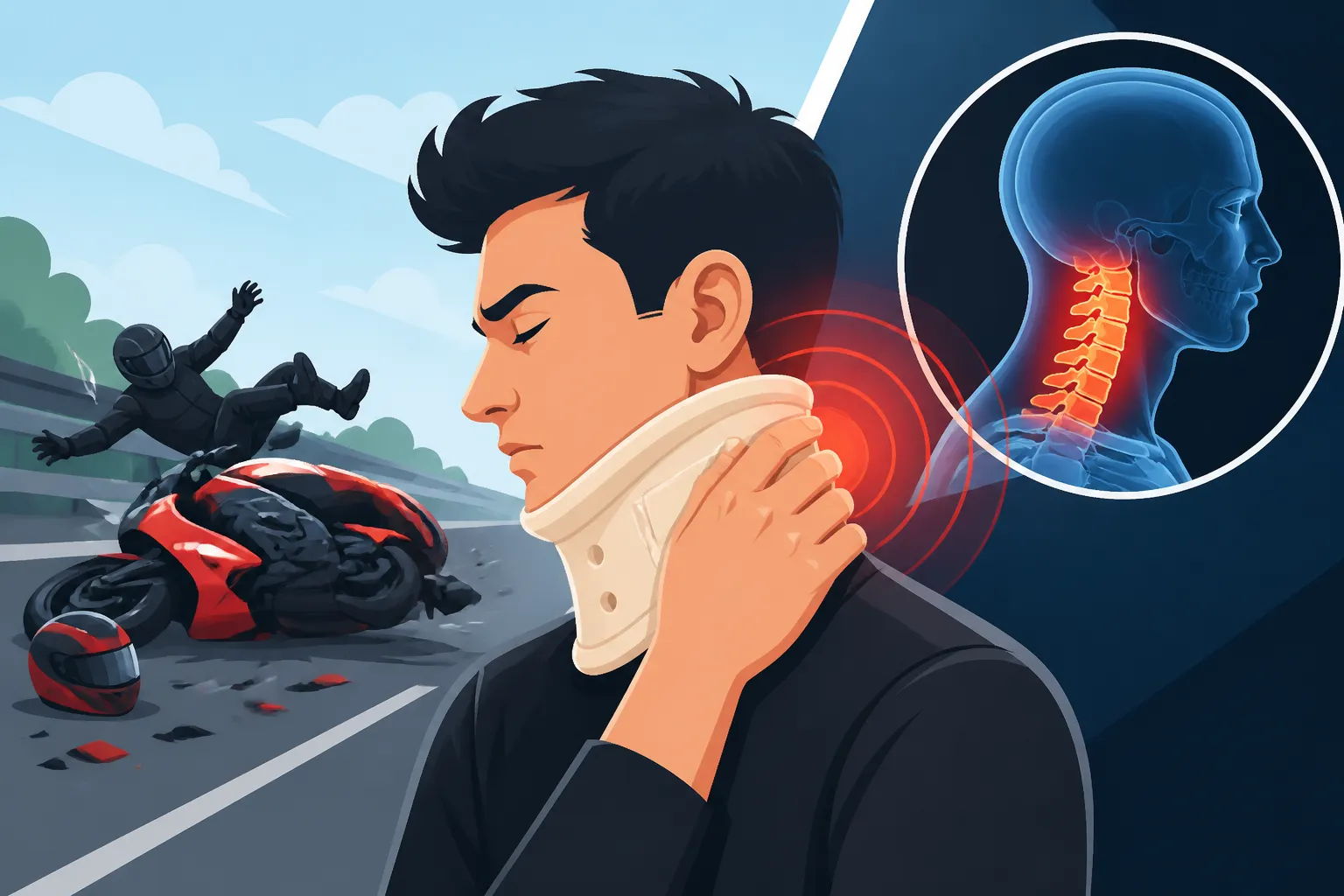
One of the most common neck injuries is whiplash, medically known as cervical strain or sprain. This occurs when your head is suddenly jerked forward and backward (or side to side), stretching and tearing the soft tissues, muscles, and ligaments in your neck beyond their normal range of motion. While many people think of whiplash as a minor injury, severe whiplash can lead to chronic pain, headaches, dizziness, and limited neck mobility that can persist for months or even years. Imagine trying to turn your head to check your blind spot on your bike when even a slight movement sends a jolt of pain down your spine—it completely changes your riding experience, or worse, prevents it altogether.
Beyond whiplash, riders often face more severe structural damage. Cervical fractures involve breaks in the vertebrae, the bones that make up your spinal column in your neck. These are incredibly serious and can range from small cracks to complete breaks that destabilize the spine. Similarly, the impact can cause herniated discs, where the soft, jelly-like cushions between your vertebrae rupture or bulge, pressing on nearby nerves. This pressure can result in radiating pain, numbness, tingling, and weakness in your arms and hands, making everyday tasks excruciating. A broken collarbone or shoulder can also contribute to neck pain, complicating diagnosis and recovery.
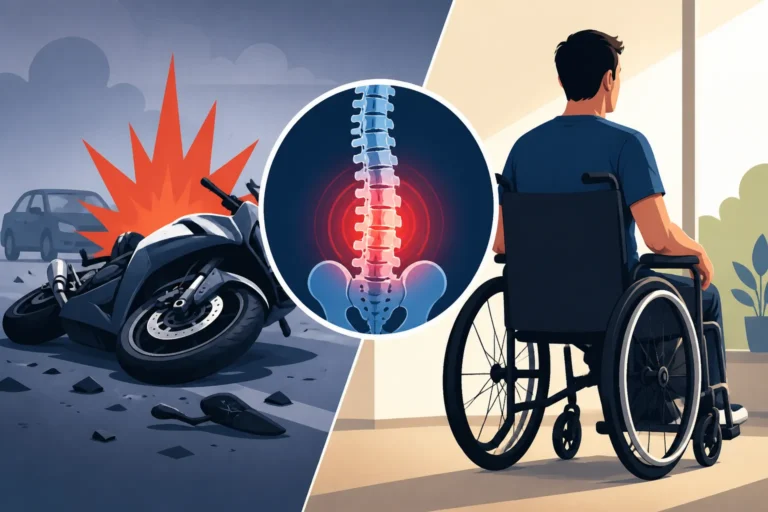
The most catastrophic neck injury is a spinal cord injury (SCI), which can lead to partial or complete paralysis below the site of the injury. If the spinal cord itself is compressed or severed, the communication between your brain and the rest of your body is disrupted. This can mean losing the ability to move your limbs, control bodily functions, or even breathe independently. While not all neck injuries involve the spinal cord directly, any severe trauma to the cervical spine carries this devastating risk. Learning more about the intricacies of spinal cord injuries can be vital if you or a loved one are facing such a diagnosis; consider reading our detailed article on Motorcycle Spinal Cord Injury: Claims and Compensation.
Initial Symptoms and Delayed Onset
One of the most frustrating and often misleading aspects of neck injuries is that the full extent of the damage isn't always immediately apparent. Many riders, in the adrenaline-fueled moments after a crash, might feel shaken up but not realize the severity of their injuries. They might experience some stiffness, dismiss it as a typical ache from a fall, and try to tough it out. This delayed onset of symptoms is incredibly common with neck injuries.
You might feel a dull ache the day of the accident, but then wake up the next morning with excruciating pain, severe stiffness, headaches, or even numbness and tingling radiating into your arms and fingers. This delay happens because inflammation and swelling often take time to develop, gradually putting pressure on nerves or causing muscles to spasm. It's not uncommon for disc herniations or nerve impingements to present with escalating symptoms over several days or weeks.
This is why seeking immediate medical attention, even if you feel "okay" after a motorcycle accident, is paramount. A visit to the emergency room or urgent care can help diagnose hidden injuries that might worsen over time. A doctor can assess your condition, order imaging tests like X-rays, CT scans, or MRIs, and begin a treatment plan. This prompt medical evaluation doesn't just benefit your health; it also creates an undeniable paper trail that is crucial if you need to pursue a personal injury claim later. Insurance companies often look for gaps in treatment or delays in seeking care as a way to argue that your injuries weren't severe or weren't directly caused by the accident. Don't give them that opening.
When a Neck Injury Becomes Permanent
The question of whether a neck injury is permanent weighs heavily on anyone who has experienced the trauma of a motorcycle accident. It’s a terrifying prospect to think that the pain, limitation, or neurological deficits you’re experiencing today might be with you for the rest of your life. While many neck injuries, especially milder whiplash, can heal with proper treatment and time, others simply do not.
Defining "Permanent Injury" in a Medical and Legal Sense
From a medical perspective, an injury is generally considered "permanent" when a patient has reached what is known as Maximum Medical Improvement (MMI). This means that your doctors have done everything they can through treatment, therapy, and rehabilitation, and your condition is not expected to improve further. At MMI, your doctor will assess your remaining limitations, pain, and any functional deficits. For a neck injury, this could mean chronic nerve pain, persistent headaches, limited range of motion in your neck, or ongoing weakness in your arms and hands. It's a point where continued treatment is mostly about managing symptoms rather than achieving further recovery.
Legally, a "permanent injury" is a critical designation. It significantly impacts the value of your personal injury claim. When an injury is deemed permanent, it implies that you will face ongoing medical expenses, potential loss of future earning capacity, and a diminished quality of life for the foreseeable future. This designation allows you to seek compensation for these long-term damages, including future medical costs, future lost wages, and significantly higher awards for pain and suffering. Without a medical expert's determination of MMI and permanence, it's very difficult to make a strong case for these long-term damages. This is why understanding How Injury Severity Affects Compensation is so important.
Factors Contributing to Permanent Damage
Several factors can influence whether a motorcycle neck injury progresses from a temporary setback to a permanent condition. It's rarely just one thing, but rather a combination of circumstances and individual characteristics.
First and foremost is the severity of the initial trauma. A high-impact collision or a direct blow to the head and neck is more likely to cause significant structural damage to vertebrae, discs, or the spinal cord itself. A cervical fracture, for instance, has a much higher likelihood of leading to permanent issues than a mild muscle strain. If the accident caused a significant misalignment of the spine or severe nerve compression, the chances of long-term problems increase dramatically. Think about a rear-end collision on the highway, common causes of motorcycle accidents, where your bike is suddenly stopped, but your head keeps moving forward with intense force. This scenario can create immediate, severe trauma to the cervical spine.
Individual characteristics also play a substantial role. A younger, healthier rider may have a better chance of recovering fully from certain injuries compared to an older rider with pre-existing conditions like arthritis, degenerative disc disease, or osteoporosis. These conditions can make the neck more fragile and less resilient to trauma, turning a moderate impact into a serious, lasting injury. While insurance companies often try to use pre-existing conditions against you, it's important to remember that the "eggshell skull rule" often applies, meaning the at-fault party is responsible for aggravating a pre-existing condition, even if you were more vulnerable than an average person.
Finally, the effectiveness and timeliness of treatment are crucial. Prompt and appropriate medical intervention can make a significant difference in preventing a temporary injury from becoming a permanent one. Delaying treatment, failing to follow doctor's orders, or not engaging in recommended physical therapy can hinder recovery and allow acute problems to become chronic. Sometimes, surgical intervention might be necessary to stabilize the spine or relieve nerve pressure, and delaying such procedures can lead to irreversible damage. If you're wondering about the specifics of treatment and recovery, our article Motorcycle Neck Injury: Treatment and Long-Term Impact offers further insights.
Diagnosing and Documenting Neck Injury Permanence
Proving a neck injury is permanent, both to your own satisfaction and to the satisfaction of an insurance adjuster or jury, requires meticulous medical diagnosis and thorough documentation. It's not enough to simply feel that your injury is permanent; you need concrete evidence.
Medical Evaluation and Diagnostic Tools
The journey to diagnosing the permanence of a neck injury typically begins with a comprehensive medical evaluation by a qualified specialist. Initially, you might see an emergency room doctor or your primary care physician, but for persistent or severe neck injuries, you'll likely be referred to specialists. These might include an orthopedist, who specializes in musculoskeletal injuries, a neurologist, who focuses on nerve and spinal cord issues, or a pain management specialist. These experts can provide a detailed diagnosis, prognosis, and treatment plan.
Diagnostic tools are indispensable in painting a clear picture of your neck injury. X-rays can reveal fractures and misalignments, while a CT scan provides more detailed cross-sectional images of bone structures. However, for soft tissue damage—like whiplash, herniated discs, or damage to ligaments and nerves—an MRI (Magnetic Resonance Imaging) is often the gold standard. MRI scans can show disc bulges, herniations, spinal cord compression, and nerve impingement that might not be visible on other imaging. Furthermore, nerve conduction studies and electromyography (EMG) can assess nerve damage and muscle response, providing objective evidence of neurological deficits. These tests help specialists confirm the extent of the injury and determine if it's likely to be a long-term problem.
The Importance of Consistent Medical Records
If you're dealing with a permanent neck injury, your medical records are the bedrock of your personal injury claim. Every doctor's visit, every diagnostic test, every prescribed medication, and every therapy session needs to be accurately recorded. Consistency is key:
- Detailed Records of Symptoms: Ensure your doctors accurately document all your symptoms, including pain levels, numbness, tingling, weakness, headaches, and any limitations in movement. Don't minimize your pain when talking to medical professionals, even if you're trying to be brave.
- Treatment History: Records should clearly show the course of your treatment, including physical therapy, chiropractic care, injections, and any surgeries. This demonstrates your commitment to recovery and the medical necessity of these interventions.
- Doctor's Notes and Prognosis: Crucially, your medical records should include your doctor's assessment of your condition at MMI, including any permanent impairment ratings or restrictions. This expert opinion is often the most powerful evidence you have that your injury is indeed permanent.
Without this consistent and thorough documentation, insurance companies will quickly try to downplay the severity and permanence of your injuries. They might argue that a gap in treatment indicates you weren't in pain, or that a lack of specific diagnostic findings means your claims are exaggerated. Maintaining an injury journal where you log your daily pain levels, functional limitations, and how your injury affects your daily life can also serve as powerful supporting evidence, even if it's not a formal medical record. For more on this, check out our guide on How to Document Injuries for a Claim.
The Long-Term Impact on Your Life and Claim
A permanent neck injury doesn't just mean ongoing pain; it can profoundly alter every aspect of your life, from your career to your personal relationships and hobbies. Recognizing and quantifying these impacts is crucial for securing fair compensation.
Daily Life Challenges with a Permanent Neck Injury
Living with a permanent neck injury can be an incredibly isolating and frustrating experience. The most obvious challenge is chronic pain, which can range from a dull ache to sharp, debilitating spasms. This pain can make it difficult to sleep, concentrate, and engage in even simple daily activities. Imagine the simple act of looking over your shoulder while riding your motorcycle, or even just driving a car, becoming a painful, impossible feat. This can lead to a significant reduction in mobility and range of motion, impacting basic tasks like dressing, showering, or even lifting light objects.
Beyond the physical, there's a heavy emotional and psychological toll. Chronic pain often leads to anxiety, depression, and irritability. You might struggle with feelings of helplessness, anger, and grief over the loss of your former capabilities. Hobbies that once brought joy, like riding your motorcycle, playing sports, or gardening, might become impossible. This loss of enjoyment of life is a legitimate and significant form of suffering. Relationships can also strain under the weight of chronic pain and disability, as friends and family may struggle to understand or cope with your limitations. This kind of suffering is real and deserves to be recognized in your claim.
Compensation for Permanent Neck Injuries
When a motorcycle accident leaves you with a permanent neck injury, the compensation you seek must reflect the entirety of your losses—both those you’ve already incurred and those you will face for the rest of your life. This generally falls into two categories: economic and non-economic damages.
Economic damages cover your quantifiable financial losses. This includes all past and future medical expenses related to your neck injury, such as doctor visits, surgeries, medications, physical therapy, chiropractic care, assistive devices, and even necessary modifications to your home or vehicle. If you require ongoing pain management or specialist consultations for the next several decades, these costs can accumulate to an astronomical sum. Lost wages are also a significant component; if your injury has forced you out of work, or you're now limited in your ability to perform your job, you can claim for past lost income and, crucially, loss of future earning capacity. This calculates the difference between what you would have earned throughout your career if the accident hadn't happened versus what you are now realistically able to earn with your permanent injury. To understand these components better, explore our article on Economic vs Non-Economic Damages Explained.
Non-economic damages address the intangible losses that profoundly impact your quality of life. This is where pain and suffering come into play, covering not just physical pain but also emotional distress, mental anguish, loss of enjoyment of life, and disfigurement. For a permanent neck injury, these non-economic damages are often substantial because the impact is lifelong. Imagine the frustration of not being able to pick up your child or grandchild, the constant ache that disrupts your sleep, or the inability to pursue your passion for riding—these are real, lasting burdens. Calculating these damages is complex, often using a "multiplier method" based on the severity and duration of your suffering. Our post on Pain and Suffering in Motorcycle Settlements provides more detail on this often-misunderstood area of compensation.
| Type of Neck Injury | Potential for Permanence | Common Long-Term Issues | Impact on Claim Value |
|---|---|---|---|
| Mild Whiplash | Low to Moderate | Chronic stiffness, headaches, minor pain flare-ups | Moderate to High (if chronic) |
| Severe Whiplash | Moderate to High | Chronic pain, limited mobility, migraines, nerve irritation | High |
| Herniated Disc | Moderate to High | Persistent nerve pain (radiculopathy), numbness, weakness, need for surgery | High |
| Cervical Fracture | High | Chronic pain, instability, limited range of motion, neurological deficits | Very High |
| Spinal Cord Injury | Very High | Partial/complete paralysis, loss of sensation, incontinence, spasticity | Catastrophic |
Navigating Your Claim with a Permanent Neck Injury
Dealing with the physical and emotional aftermath of a permanent neck injury is immense, and trying to navigate a complex legal claim on top of it can feel impossible. This is precisely why having the right support and strategy is critical.
The Role of an Attorney in Permanent Injury Claims
When your neck injury is permanent, the stakes in your personal injury claim skyrocket. You're not just seeking compensation for a few weeks of missed work or a couple of months of physical therapy; you're looking at a lifetime of care, lost opportunities, and altered living. This is where an experienced motorcycle accident attorney becomes an invaluable ally. They understand the nuances of these complex cases and know how to fight for the full compensation you deserve. If you're wondering whether you truly need legal representation, our article Do You Need a Motorcycle Accident Lawyer explains the many benefits.
A skilled attorney will:
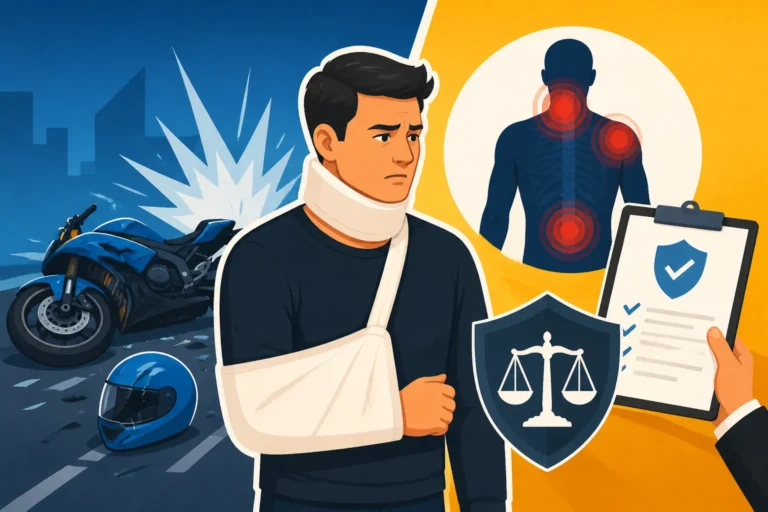
- Gather Comprehensive Evidence: They will collect all your medical records, bills, diagnostic imaging, and expert opinions from your treating physicians. They might also enlist independent medical examiners (IMEs) to provide a second opinion on the permanence and extent of your injuries.
- Quantify All Your Damages: Attorneys work with medical and vocational experts to accurately calculate your future medical expenses and lost earning capacity. This isn't just guesswork; it involves detailed projections based on your specific injury, age, profession, and life expectancy. They also understand how to articulate and maximize your non-economic damages, like pain and suffering, which are often the largest component of a permanent injury settlement.
- Negotiate with Insurance Companies: Insurance adjusters are trained to minimize payouts, especially in cases involving permanent injuries. They will try to downplay your symptoms, argue that your injury isn't truly permanent, or blame pre-existing conditions. Your attorney will handle all communications and negotiations, countering these tactics and presenting a strong, evidence-backed demand for a fair settlement. They understand How Insurance Companies Assign Blame to Riders and can fight back against unfair assumptions.
Common Challenges and How to Overcome Them
Pursuing a claim for a permanent neck injury comes with specific challenges that you and your legal team must be prepared to face.
One of the biggest hurdles is insurance company skepticism. Adjusters are often wary of claims involving long-term pain and will try to suggest your injuries are exaggerated or not truly permanent. They might pressure you to settle quickly, before the full extent of your permanent injury is even known. This is a common tactic, and it highlights why it’s so important to wait until you've reached Maximum Medical Improvement (MMI) before considering any settlement offers. Accepting an early, lowball offer can leave you without recourse for future medical needs and suffering. Our detailed guide, What Happens If You Settle Too Early, explains the pitfalls of rushing to an agreement.
Another challenge is proving a direct causation between the accident and the permanence of your injury, especially if you have pre-existing conditions. Your attorney will work with medical experts to draw a clear link, demonstrating that the motorcycle accident either caused your permanent injury or significantly aggravated a prior condition. They'll know How to Fight an Unfair Fault Assignment and protect your right to compensation.
To overcome these challenges, thoroughness, patience, and expert legal representation are key. Document everything, follow all medical advice, and let your attorney handle the complexities of the legal process. They are there to protect your rights and ensure that your permanent neck injury is fully recognized and compensated, allowing you to focus on managing your health and adapting to your new reality.
Disclaimer
The information provided in this blog post is intended for general informational purposes only and does not constitute legal or medical advice. Every motorcycle accident and injury claim is unique, and the outcome depends on specific facts and applicable laws. Always consult with a qualified legal professional for advice tailored to your individual situation and a medical doctor for diagnosis and treatment of any injuries.