States with No Helmet Law
Navigating the open road on a motorcycle brings an unparalleled sense of freedom, but with that freedom comes a patchwork of state laws, especially concerning helmet use. It’s easy to get confused about where you can ride without a helmet and what that truly means for your safety and any potential accident claim. This guide cuts through the noise, detailing the states with varying helmet laws and the significant consequences riders face when opting out of this critical piece of safety gear.
Understanding Motorcycle Helmet Laws in the U.S.
The legal landscape for motorcycle helmets across the United States is anything but uniform. While some states have strict requirements for all riders, others offer more leeway, leading to a complex web of regulations that can often catch riders off guard, especially when crossing state lines. It’s crucial for every rider, from the seasoned veteran to the weekend warrior, to understand the specific rules of the road they’re on.
The Spectrum of Helmet Laws: Universal vs. Partial
When we talk about motorcycle helmet laws, there are generally two main categories: universal and partial. States with universal helmet laws require all motorcycle riders, regardless of age or experience, to wear a helmet. These are often seen as the most protective laws, aiming to reduce serious injuries and fatalities across the board. Think of states like California, where strapping on a helmet is as mandatory as having headlights on. The reasoning is clear: helmets save lives and mitigate the severity of injuries.
On the other hand, states with partial helmet laws, sometimes misleadingly referred to as "no helmet law" states, only require certain riders to wear helmets. Typically, these laws target younger riders, often those under 18 or 21, or riders who do not carry a specific amount of medical insurance. For instance, in some states, riders over a certain age might be allowed to ride helmetless, provided they have adequate health insurance coverage in place. This creates a scenario where an 18-year-old rider might legally have to wear a helmet, while their 22-year-old friend riding alongside them does not. This distinction is vital because it means that even in a state that appears to have "no helmet law," you might still be legally required to wear one depending on your age or insurance status. Understanding these nuances is key to staying compliant and, more importantly, safe. For a deeper dive into these different approaches, you can explore the topic of Universal vs Partial Helmet Laws Explained.
Historical Context and Evolution of Laws
The journey of motorcycle helmet laws in the U.S. has been a winding one, often influenced by federal mandates, public safety campaigns, and shifting political tides. The federal government first pushed for universal helmet laws in the late 1960s, tying highway funding to states' adoption of such mandates. This led to many states enacting universal laws. However, in the 1970s, as federal pressure eased, many states repealed or weakened their universal laws, often due to arguments about personal freedom and individual choice.
Since then, the debate has continued, with some states reinstating stricter laws while others have maintained partial or no universal mandates. Organizations like the National Highway Traffic Safety Administration (NHTSA) consistently advocate for universal helmet laws, citing overwhelming evidence of their effectiveness in preventing head injuries and fatalities. This push and pull between safety advocacy and personal liberty has shaped the diverse landscape of helmet laws we see today. What’s clear is that these laws aren't static; they can change based on legislative efforts and public sentiment, making it crucial for riders to stay informed about the current regulations in their state and any states they plan to travel through.
The States Where Helmets Aren't Universally Required
When people talk about "states with no helmet law," what they usually mean are states that don't have a universal requirement for all riders. It's a common misconception that in these states, literally no one has to wear a helmet. The reality is far more intricate and often comes with specific conditions or age restrictions.
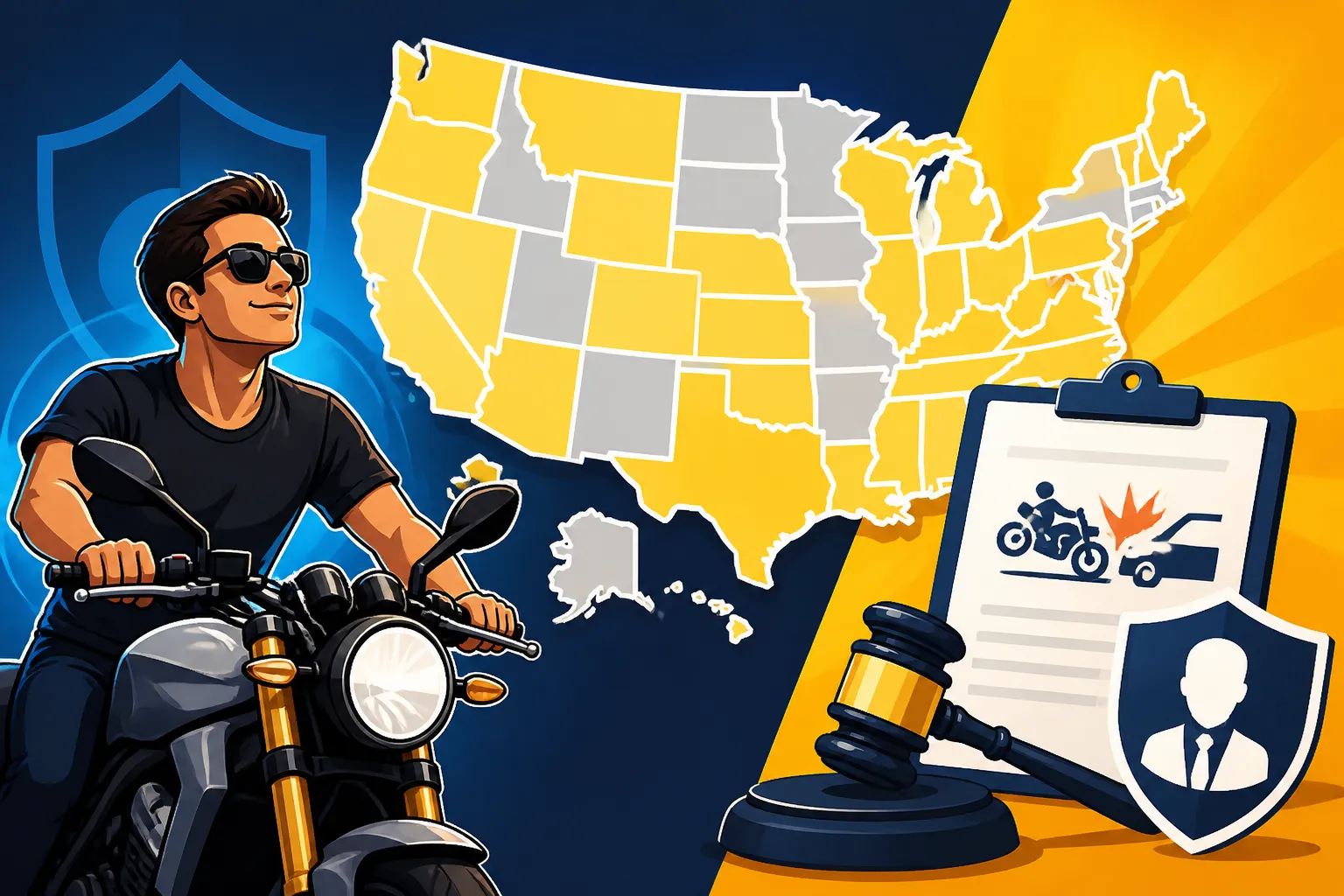
Identifying "No Helmet Law" States
A handful of states truly have no universal helmet law, meaning adults generally aren't required to wear them, although there might still be conditions. For example, in Illinois, riders over 18 are not mandated to wear a helmet. Similarly, in Iowa and New Hampshire, there's no universal helmet law, which means adult riders can choose whether or not to wear one. It's important to stress that this freedom often comes with significant personal risk. These states are often the ones highlighted in discussions about rider's choice, but it’s crucial to understand that while the law may not require it for adults, the physical realities of a crash remain unchanged.
While these states might offer what feels like greater freedom, riders should be acutely aware that foregoing a helmet dramatically increases the risk of severe head injuries in an accident. Even if the law allows it, common sense and safety experts strongly advise against it. Always double-check the latest statutes before you ride, as laws can change.
States with Partial Helmet Laws and Their Nuances
Many states fall into the "partial helmet law" category, which is where much of the confusion lies. In these states, while not everyone must wear a helmet, specific groups of riders are still legally obligated to do so. The most common stipulation involves age. For example:
- Florida requires riders under the age of 21 to wear a helmet. Riders 21 and older can ride without a helmet if they carry an insurance policy providing at least $10,000 in medical benefits for injuries incurred in a motorcycle accident.
- Texas has a similar partial law: riders under 21 must wear a helmet. Those 21 and older can ride without one if they have completed a motorcycle safety course and carry adequate medical insurance (typically at least $10,000 in medical coverage).
- Pennsylvania generally requires riders under 21 to wear a helmet. For those 21 and over, the helmet requirement is waived if they have held a motorcycle license for at least two years or have completed a motorcycle safety course.
These partial laws often reflect a compromise between promoting safety and respecting individual liberty. However, they also create a complex legal environment where a rider's age, insurance status, and training can dictate their legal obligation to wear a helmet. The bottom line is that "no helmet law" often means "no universal helmet law" and comes with specific caveats that riders must heed. Ignorance of these specific rules is not a defense, and non-compliance can have serious legal and financial consequences beyond the obvious safety risks. For more detailed information, consider reading up on Motorcycle Helmet Laws by State.
The Real-World Implications of Riding Without a Helmet
While the legal freedom to ride without a helmet might appeal to some, the physical and financial consequences of doing so are stark and undeniable. A motorcycle accident, even a minor one, can be devastating, and without a helmet, the risk of catastrophic injury skyrockets.
Increased Risk of Injury and Severity
Let's be brutally honest: riding a motorcycle exposes you to certain risks, and a helmet is your last line of defense for your most vital organ. In a crash, the human head is incredibly vulnerable. Without a helmet, even a low-speed impact can result in a severe traumatic brain injury (TBI), skull fractures, facial disfigurement, or worse. The statistics from organizations like the Centers for Disease Control and Prevention (CDC) are unequivocal: helmets significantly reduce the risk of head injury and death.
Imagine a scenario: you're cruising down a scenic route in Florida, enjoying the breeze without a helmet. A car unexpectedly pulls out in front of you, and you go down. Instead of a concussion that a helmet might mitigate, you could be looking at a devastating TBI, leading to long-term cognitive impairment, paralysis, or a vegetative state. These aren't just abstract fears; they are the unfortunate realities many riders face. Even relatively minor accidents, like falling over at a standstill, can cause serious head trauma if you're not protected. Motorcycle accidents already carry a higher risk of severe injury compared to car accidents, and riding without a helmet amplifies that risk exponentially. The potential for catastrophic injuries like those discussed in Common Motorcycle Accident Injuries is a sobering thought, making the choice to wear a helmet a paramount one, regardless of legal mandates.
How Not Wearing a Helmet Affects Your Accident Claim
This is where the rubber meets the road, quite literally, for your financial recovery after an accident. Even if you're legally allowed to ride without a helmet in your state, choosing not to wear one can severely impact your ability to recover full compensation for your injuries. This is often due to something called the "helmet defense."
Insurance companies, always looking to minimize payouts, love the helmet defense. They will argue that your decision not to wear a helmet contributed to the severity of your head and brain injuries. This isn't about proving fault for the accident itself – the other driver might still be entirely at fault for causing the collision. Instead, it's about reducing the damages you can claim. For example, if you suffer a severe TBI and the insurance company can convince a jury (or negotiate a settlement based on this premise) that the injury would have been less severe had you worn a helmet, your compensation for medical bills, lost wages, and pain and suffering could be significantly reduced.
This concept falls under comparative negligence laws in many states. Even in a state like Texas, which has a modified comparative negligence rule, if your own actions (like not wearing a helmet when you legally could have) are deemed to have contributed to your injuries, your settlement amount could be proportionally lowered. It's a cruel irony: you followed the law by not wearing a helmet, but that choice can still cost you dearly after an accident. Understanding How Helmet Laws Affect Your Accident Claim is crucial before making a personal choice about head protection.
The Helmet Defense Explained: A Major Hurdle in Claims
The "helmet defense" is a formidable tactic employed by insurance companies and opposing legal teams in motorcycle accident claims. It's designed to shift a portion of the responsibility for your injuries onto you, even if you weren't at fault for the crash itself.
What is the Helmet Defense?
At its core, the helmet defense is an argument that states: regardless of who caused the accident, your decision not to wear a helmet exacerbated your injuries, particularly head injuries. It's a strategic move to reduce the value of your claim. This defense doesn't say you caused the accident; it simply claims that your damages are higher than they should have been because you chose not to use available safety equipment.
For example, imagine a driver texting behind the wheel swerves into your lane in Missouri, a state without a universal helmet law for adults. You suffer a severe head injury. The other driver is clearly negligent. However, their insurance company might argue that while their driver caused the crash, your resulting TBI would have been much less severe, or perhaps even avoided, if you had been wearing a DOT-compliant helmet. They'll bring in medical experts and accident reconstructionists to testify to this fact, aiming to demonstrate that your own actions contributed to the extent of your injuries. This often leverages the concept of Contributory vs Comparative Negligence Explained, where your actions, even if not causing the accident, impact your recovery.
How it Impacts Damages and Settlements
The impact of the helmet defense on your potential settlement can be profound. If successfully argued, it can lead to a significant reduction in the compensation you receive for various damages:
- Medical Expenses: While some initial medical care might still be covered, future medical costs, especially for long-term TBI rehabilitation, could be substantially reduced if the defense proves a helmet would have lessened these expenses.
- Lost Wages and Earning Capacity: If your head injury prevents you from returning to your job or diminishes your future earning potential, the defense will argue that these losses are greater than they should have been.
- Pain and Suffering: This is a huge component of non-economic damages. A jury or insurance adjuster will be less inclined to award a large sum for pain and suffering if they believe you could have prevented or lessened the severity of that suffering by wearing a helmet.
- Quality of Life: Permanent disabilities resulting from a head injury without a helmet can severely impact your quality of life. The helmet defense will attempt to diminish the compensation for this loss.
Essentially, the helmet defense aims to reduce what you are "owed" by arguing that a portion of your suffering and financial burden is self-inflicted. This is particularly relevant in states like Florida, where adults can legally forgo helmets, but still face the helmet defense if injured. The insurance company's goal is to pay out as little as possible, and the helmet defense is a powerful tool in their arsenal. The bottom line is that even if you're riding legally without a helmet, you're opening the door for an aggressive challenge to your claim's value. This is why many riders who legally don't have to wear a helmet choose to wear one anyway – it's not just about immediate safety, but also about protecting your financial future.
Practical Advice for Riders in All States
No matter where you ride in the U.S., personal safety should always be your top priority. While legal requirements vary, the physics of a motorcycle accident do not. Taking proactive steps can protect you both on the road and in the unfortunate event of a collision.
Prioritizing Safety Gear Regardless of Law
Even in states where helmet laws are lenient or non-existent for adult riders, choosing to wear a DOT-compliant helmet is simply the smartest decision you can make. It’s an investment in your well-being, far more valuable than the fleeting sensation of wind in your hair. A good helmet doesn't just protect your head; many full-face helmets offer crucial protection for your face and jaw, which are incredibly vulnerable in a crash. Brands like Shoei, Arai, and Bell offer helmets that meet rigorous safety standards, providing excellent impact absorption and coverage. You can find a fantastic selection of these at reputable retailers like Cycle Gear, which emphasizes quality and fit to ensure maximum protection.
Beyond a helmet, wearing other protective gear is equally vital. Think about a durable, abrasion-resistant jacket, riding pants, gloves, and sturdy boots. Road rash is a horrific reality of motorcycle accidents, and proper gear can prevent severe skin loss, infections, and permanent scarring. Even in a minor slide, thick leather or textile gear can mean the difference between a few scrapes and extensive skin grafts. It’s about creating a protective envelope around your body, minimizing injuries that could otherwise be life-altering. Remember, the road doesn't care about the law; it cares about friction and impact. For more on this, check out Motorcycle Safety Gear and Legal Protection.
Documenting Helmet Use and Injury Prevention
If you make the smart choice to wear a helmet and other protective gear, it's equally smart to be prepared to prove it, should you ever need to. This might sound cynical, but in the aftermath of an accident, insurance companies can be surprisingly skeptical.
Here's how to document your safety efforts:
- Always wear a DOT-compliant helmet: This is non-negotiable for safety and legal defensibility. Ensure it has the DOT sticker, indicating it meets federal safety standards. Avoid novelty helmets, as they offer little protection and can be used against you in a claim.
- Take photos of your gear: Before an accident, occasionally take photos of yourself wearing your full riding gear, including your helmet. This can serve as evidence of your consistent commitment to safety.
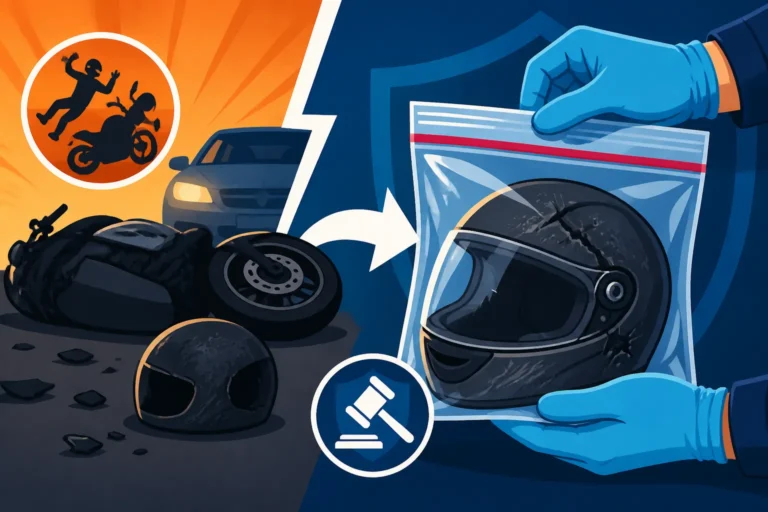
- After an accident, preserve your gear: If you're involved in a crash, do not discard your damaged helmet or other protective gear. This gear, especially your helmet, can be crucial evidence. The damage on the helmet can demonstrate the force of impact and, importantly, that the helmet did its job in protecting your head. Photos of the damaged helmet at the scene, along with photos of any minor injuries to areas covered by your gear, can further support your claim that you were well-protected. Your decision to wear appropriate gear, even if not legally required, can serve as powerful evidence that you acted responsibly to mitigate potential injuries, which can be highly beneficial when dealing with a potential "helmet defense." Learning How to Prove You Wore a Helmet can make a significant difference in your case.
Navigating a Claim When Helmet Use is a Factor
Dealing with the aftermath of a motorcycle accident is stressful enough without the added complication of debating helmet use. However, if you find yourself in this situation, there are specific steps and considerations that can significantly impact the outcome of your claim.
Gathering Evidence to Counter the Helmet Defense
If the opposing insurance company or legal team attempts to use the "helmet defense" against you, even if you were wearing a helmet, you need to be ready to counter it. This means meticulously gathering and presenting evidence.
First, physical evidence from the scene is paramount. If you were wearing a helmet, make sure photographs of the accident scene include your helmet, especially if it shows signs of impact. This proves it was on your head and took the brunt of the force. Similarly, document any other protective gear you were wearing. Witness statements, particularly from first responders or bystanders, confirming you were wearing a helmet, can also be incredibly valuable.
Second, medical records play a crucial role. A helmet’s purpose is to reduce injury severity, not necessarily prevent all injury. Your medical records detailing any head or facial injuries, along with expert testimony, can help show that despite wearing a helmet, the impact was severe enough to cause certain injuries. An accident reconstruction expert might even be able to testify that without a helmet, your injuries would have been far more devastating, thereby demonstrating the helmet's effectiveness rather than its failure to prevent all harm. This helps frame your claim around the unavoidable injuries, rather than those exacerbated by lack of protection.
The Value of Legal Counsel
When facing a situation where helmet use (or non-use) is being used to diminish your claim, hiring an experienced motorcycle accident attorney becomes less of an option and more of a necessity. Insurance companies are skilled at exploiting any perceived weakness in a claim, and the helmet defense is a prime example.
A knowledgeable attorney understands the intricacies of How Not Wearing a Helmet Affects Your Settlement and can effectively counter these arguments. They can:
- Investigate thoroughly: Your attorney will gather all necessary evidence, including police reports, witness statements, medical records, and potentially accident reconstruction reports, to build a strong case.
- Negotiate with insurers: Lawyers are adept at dealing with insurance adjusters who try to undervalue claims. They can highlight the other driver’s clear fault and mitigate the impact of the helmet defense by emphasizing your overall responsibility and the inherent risks of motorcycling.
- Engage experts: Your lawyer can consult with medical and accident reconstruction experts who can provide crucial testimony to counter the defense's arguments, explaining how your injuries were consistent with the crash impact despite helmet use, or how they would have been far worse without one.
- Navigate comparative negligence laws: Depending on your state's laws, your attorney can argue against any reduction in damages due to alleged contributory negligence related to helmet use.
- Take your case to trial: If a fair settlement cannot be reached, a seasoned attorney is prepared to argue your case in court, presenting compelling evidence to a jury.
Ultimately, while the law in some states might permit you to ride without a helmet, your decision to do so can become a significant point of contention in an accident claim. Having an expert on your side, familiar with Motorcycle Accident Liability: A Complete Guide and how insurers manipulate public perception of riders, is often the key to securing the fair compensation you deserve.
Disclaimer
This article is for general informational purposes only and does not constitute professional advice. Laws and regulations vary by location and change over time. Consult a qualified professional for guidance on your specific situation.