Motorcycle Handlebar Height Laws
Riding a motorcycle offers unparalleled freedom, but sometimes, the sheer volume of rules and regulations can feel like it's trying to rein in that very spirit. One area that often leaves riders scratching their heads and possibly running afoul of the law is handlebar height. You might love the look of those classic ape hangers, but understanding whether they’re legal, and how they might affect your safety and even an accident claim, is absolutely critical. This guide will cut through the confusion and explain everything you need to know about motorcycle handlebar height laws.
Understanding the "Ape Hanger" Laws and Their Origins
For many riders, the sight of a bike with high handlebars, often dubbed "ape hangers," evokes a certain sense of classic custom cool. It's a look deeply ingrained in motorcycle culture, from iconic movies to custom bike shows. However, what looks cool on screen or in a garage can quickly become a legal headache on the open road, as many states have specific—and sometimes surprisingly strict—laws governing just how high those handlebars can reach. These regulations aren't just arbitrary rules designed to cramp your style; they're often rooted in perceived safety concerns that have evolved over decades.
Historical Context and Public Perception
The origin of handlebar height laws dates back to concerns about safety and control, particularly during the mid-20th century. As custom culture flourished, so did the popularity of extremely tall handlebars, or "ape hangers." While some riders found these comfortable for long cruises, critics, including law enforcement and safety advocates, argued that excessively high handlebars could compromise a rider's ability to maintain proper control of the motorcycle, especially during emergency maneuvers. The image of a rider's hands being significantly above their shoulders, sometimes even above their head, sparked a public perception that these bikes were inherently unsafe or difficult to manage.
This perception, often fueled by media portrayals, led to a push for legislation. Early laws were sometimes vague, leading to varied interpretations and enforcement, but the intent was clear: to ensure riders could operate their machines safely and effectively. The legislative efforts were also often part of broader campaigns to regulate custom motorcycles, which sometimes faced negative stereotypes. Thus, laws around handlebar height became a tangible way for states to address what they saw as a growing safety issue, aiming to prevent accidents and improve rider control.
The Underlying Safety Concerns
The primary safety concerns behind handlebar height regulations revolve around a rider's ability to control their motorcycle effectively and react quickly to unexpected situations. When handlebars are excessively high, a rider’s arms are stretched upwards, often beyond a comfortable and natural position. This posture can lead to several problems. For one, it can significantly reduce the leverage a rider has over the steering. Imagine trying to make a sharp turn or quickly swerve to avoid a hazard when your arms are fully extended and locked; it's much harder to apply precise steering inputs compared to having your elbows slightly bent and your arms in a more relaxed, responsive position.
Secondly, extended arms can lead to quicker fatigue, especially in the shoulders and upper back. This fatigue can degrade reaction time and overall control over longer rides, increasing the risk of a mistake. Your ability to brake effectively, particularly with the front brake, can also be compromised if your hands are positioned too high, as it becomes more difficult to modulate the lever with precision. Furthermore, some argue that extremely high handlebars can obstruct a rider's field of vision, particularly if they are constantly looking up or if their hands block parts of their view. These combined factors contribute to the argument that overly tall handlebars create a less safe riding environment, justifying the legislative limits seen across many states.
State-Specific Handlebar Height Regulations
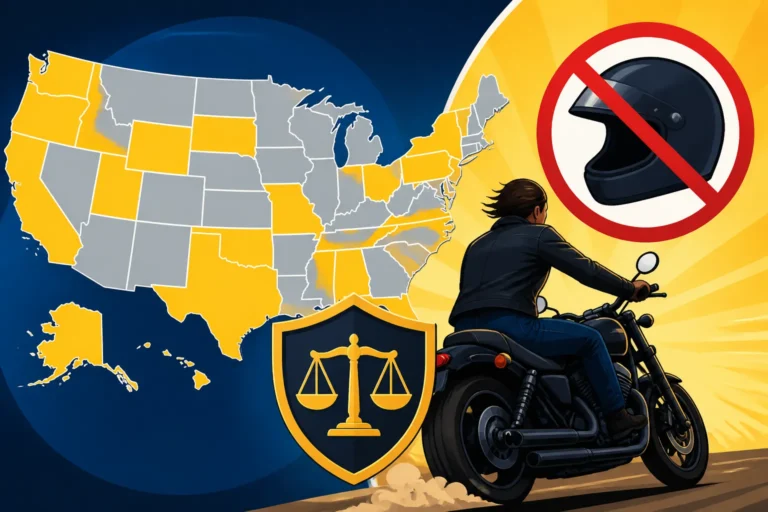
Navigating the patchwork of motorcycle handlebar height laws across the United States can be a real headache. There isn't a single, universal rule, and what's perfectly legal in one state might earn you a ticket the moment you cross state lines. This is why it's absolutely crucial for every rider, especially those who travel, to understand the specific regulations of their home state and any states they plan to visit. The general idea is to ensure that a rider's hands aren't positioned so high that it impedes control, but how each state defines that "safe" limit varies wildly.
Universal Guidelines and Common Maximums
While a universal law doesn't exist, many states share common themes in their handlebar height regulations. The most frequently encountered standard is that the handlebars must not extend above a certain point relative to the rider's shoulders. This "shoulder height" rule is prevalent across a large number of states, including places like New York, Ohio, and Pennsylvania. The logic behind this is straightforward: keeping hands at or below shoulder level allows for better blood flow, reduces arm fatigue, and maintains adequate leverage for steering and braking. However, even within this common theme, the exact definition of "shoulder height" can differ. Some states might specify that the highest part of the handgrips should not be above the top of the rider's shoulders when seated on the motorcycle. Other states might use "eye level" as the benchmark, implying an even lower maximum height.
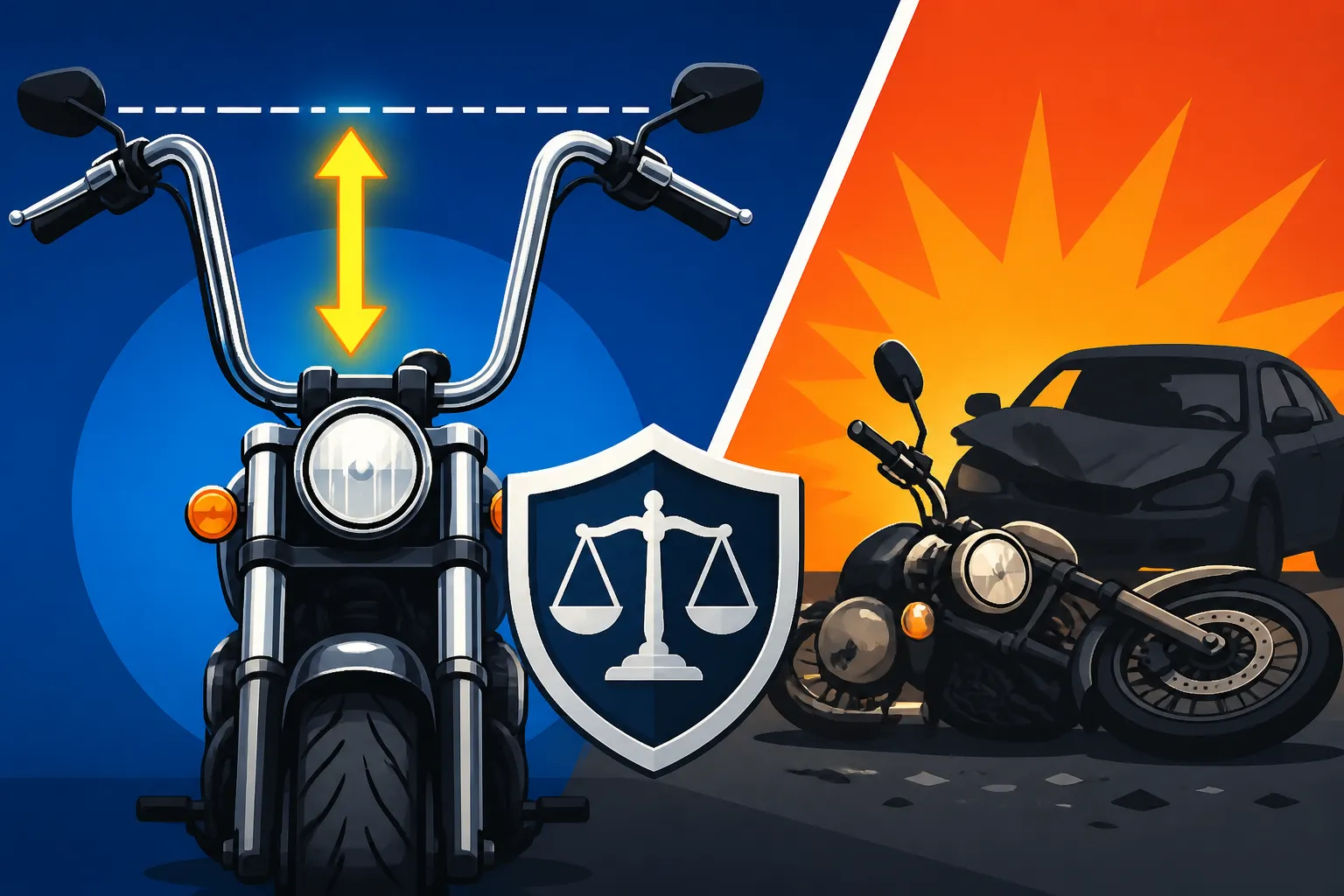
For example, in many states, the legal limit is often set at 15 inches above the seat, or more commonly, that the handgrips cannot be higher than the operator's shoulders or head. The intent is to ensure that the rider maintains a natural and unrestricted posture, allowing them full range of motion for steering, braking, and signaling. It's a pragmatic approach to rider safety, attempting to balance custom aesthetics with practical control and emergency maneuverability. This shared principle, despite its variations, underlines a consistent concern for safe operation across state lines.
Notable State Variations
The devil, as they say, is in the details, and nowhere is that truer than with motorcycle handlebar height laws. Even states that seem to share a common philosophy often have unique interpretations or specific measurements that can catch an unsuspecting rider off guard. For instance, California, a state known for its vibrant custom motorcycle scene, specifies that the highest portion of the handlebar must not be more than six inches above the height of the top of the operator's shoulders when the operator is seated and the grips are grasped. This is a very precise measurement, designed to prevent excessively high handlebars. Texas offers a similar rule, stating that handlebars cannot be higher than 15 inches above the seat, although local interpretations can vary.
Florida, on the other hand, is a bit more straightforward, generally requiring that the handlebars not be higher than the top of the operator's shoulders. While this seems simple, the lack of a specific measurement can sometimes lead to subjective enforcement. New York and Pennsylvania also typically adhere to the "shoulder height" rule. Contrast this with states like Arizona, which often use the "eye level" rule, typically meaning the grips can't be higher than the rider's eyes. Then you have states like Washington, which don't have a specific handlebar height law at all, leaving it largely up to officer discretion if the handlebars are deemed to impede safe operation.
It's clear that riders absolutely must do their homework. Before embarking on a road trip, particularly one that spans multiple states, it's wise to check the current regulations for each jurisdiction. A simple check on state DMV websites or a quick call to local law enforcement can save you a significant amount of hassle, not to mention a potential citation. This due diligence is part of being a responsible rider, ensuring that your customized ride remains street-legal wherever the road takes you.
Measurement Methods and Enforcement
Understanding the letter of the law is one thing, but knowing how that law is enforced is another entirely. The way handlebar height is measured can be surprisingly nuanced and, frankly, sometimes subjective depending on the law enforcement officer. Most commonly, states that specify a "shoulder height" or "eye level" rule will have an officer observe the rider while seated on the motorcycle with their hands on the grips. The measurement is taken from the ground up, to the highest part of the handgrips, then compared against the height of the rider's shoulders or eyes in that same seated position. Some states, like California, even specify that the top of the handlebars should be measured relative to the top of the shoulders, meaning the six-inch rule isn't just about handgrips but the entire bar.
However, the specific language in the law matters greatly. Some statutes provide a fixed numerical limit, such as "no more than 15 inches above the seat," which is easier to measure objectively with a tape measure. Other laws are more open to interpretation, stating "no higher than the shoulders." In these cases, an officer might physically observe you, or even ask you to sit on your bike, to determine if your handlebar setup seems to impede your control.
Table: Sample Motorcycle Handlebar Height Laws by State (Always Verify Current Laws)
| State | Common Rule/Limit | Measurement Standard | Notes |
|---|---|---|---|
| California | No more than 6 inches above the operator's shoulders. | When seated, hands on grips, top of bar to top of shoulder. | Very specific. |
| Florida | Not higher than the operator's shoulders. | Generally observed when seated. | Less specific measurement, relies on officer discretion. |
| New York | No more than 15 inches above the portion of the seat. | Measured from lowest point of seat to highest point of grip. | Objective numerical limit. |
| Ohio | Not higher than the operator's shoulders. | Generally observed when seated. | Similar to Florida, focus on perceived control. |
| Texas | No more than 15 inches above the seat. | Measured from lowest point of seat to highest point of grip. | Objective numerical limit. |
| Washington | No specific handlebar height law. | N/A | Officer discretion applies if handlebars impede safe operation. |
Enforcement can vary significantly. In some areas, an officer might give a warning first, while in others, a citation for violating handlebar height laws could be immediate. These violations typically result in a traffic fine, but repeatedly being stopped or cited could potentially lead to more serious consequences, especially if combined with other infractions. It’s always best to err on the side of caution and ensure your handlebars comply with the most stringent state laws you might encounter, or at least the laws of your home state and frequent travel routes.
The Impact of Handlebar Height on Safety and Control
Beyond the legal implications and the risk of a traffic ticket, the height of your handlebars has a very real and tangible impact on your riding experience. It directly influences your comfort, your ability to maneuver the bike, and ultimately, your safety on the road. Many riders choose high handlebars for aesthetic reasons or a perceived comfort, but it's important to understand the trade-offs, especially when it comes to critical riding functions. The goal is always to find that sweet spot between personal preference and optimal control.
Ergonomics and Rider Fatigue
The ergonomic relationship between a rider and their motorcycle is paramount for both comfort and safety. When handlebars are set too high, forcing your hands significantly above your shoulders, it creates an unnatural posture. Your arms are often stretched out and locked, placing undue strain on your shoulders, neck, and upper back. This isn't just about discomfort; it directly translates to accelerated rider fatigue. On shorter rides, you might not notice it much, but imagine a multi-hour cruise down the highway. What starts as a slight ache can quickly escalate into persistent pain and stiffness.
Fatigue isn't just about feeling tired; it degrades your ability to react swiftly and think clearly. When your muscles are strained and your body is uncomfortable, your concentration naturally wanders. This can lead to slower reaction times when you need to brake suddenly, swerve, or make quick adjustments in traffic. Proper ergonomics, with handlebars that allow a slight bend in the elbows and a relaxed posture, helps distribute the effort across your body, delaying the onset of fatigue and allowing you to maintain peak focus and control for longer periods. This is why getting your setup right is so important, not just for style, but for every mile you ride.
Maneuverability and Emergency Braking
One of the most critical aspects affected by handlebar height is your ability to maneuver the motorcycle and perform emergency braking. Riding a motorcycle isn't like driving a car; it requires constant, subtle inputs from your arms and body to maintain balance and direction. When your handlebars are too high, your arms are extended, making it much harder to exert the necessary leverage and fine control over the steering. Imagine trying to quickly counter-steer to avoid a sudden obstacle or navigate a tight curve with your arms locked; it becomes a much more strenuous and less precise action.
In an emergency braking situation, especially with the front brake, proper arm position is crucial for maximizing stopping power and maintaining stability. With your hands high above your shoulders, you lose the natural bracing position that allows you to absorb the forward momentum and effectively modulate the brake lever. This can lead to reduced braking efficiency or even instability, increasing the risk of a skid or a fall. The ability to react instinctively and smoothly in a crisis hinges on having your hands and arms in a position that allows for maximum control and rapid response. While custom handlebars may look great, a setup that compromises these fundamental controls could put you in a dangerous spot.
Visibility and Control Impairment
Beyond the direct physical strain and reduced leverage, excessively high handlebars can subtly yet significantly impair your overall control and visibility, contributing to potential accidents. While the handlebars themselves don't typically block your forward view, the awkward body posture they enforce can. If your hands are constantly above your eye line or significantly stretching your torso, you might find yourself craning your neck or shifting your gaze more frequently, potentially missing critical details in your peripheral vision or creating blind spots. Your natural field of vision, particularly what you can see immediately around your bike, is vital for navigating traffic and spotting hazards like potholes or debris.
More importantly, the feeling of "control impairment" is a significant factor. When a rider feels less connected to the steering, or their arms are fatigued, their confidence in handling the motorcycle diminishes. This psychological aspect can be as impactful as the physical limitations. A rider who feels less in control is less likely to react decisively in an emergency. They might hesitate to make a sharp turn, or their response to unexpected road conditions might be delayed, leading to Common Causes of Motorcycle Accidents. Even tasks like signaling turns or checking mirrors can become more cumbersome with an awkward arm position, diverting attention and increasing the risk of an incident. Ensuring your handlebars allow for unimpeded visibility and a feeling of absolute control is not just a legal requirement, but a fundamental safety practice.
Legal Consequences and Insurance Implications
Getting caught with handlebars that don't meet state regulations can sting. It's not just about a simple fine; violating these laws can have far-reaching consequences that extend beyond the initial traffic stop, potentially impacting your wallet, your insurance premiums, and even your ability to recover damages after an accident. Many riders don't realize that modifications, even seemingly minor ones, can be scrutinized in the aftermath of a crash.
Traffic Citations and Fines
The most immediate consequence of violating handlebar height laws is receiving a traffic citation. This typically comes with a fine, the amount of which can vary depending on the state and even the specific county or municipality. For instance, in some areas, a handlebar violation might be a relatively minor infraction, leading to a fine similar to a minor speeding ticket. In others, particularly if local law enforcement is strict about motorcycle modifications, the fine could be more substantial.
Beyond the monetary cost, a traffic citation often adds points to your driving record. Accumulating too many points can lead to increased insurance premiums, and in some cases, even a suspension of your motorcycle endorsement or driver's license. This means that what started as a simple aesthetic choice could end up costing you hundreds or even thousands of dollars over time in higher insurance rates. Plus, dealing with a traffic court appearance can be a significant hassle, taking time away from work and personal life. It's an inconvenience that's easily avoidable by simply adhering to local regulations.
Impact on Motorcycle Accident Claims
This is where things can get particularly complicated and frustrating for riders. If you're involved in a motorcycle accident and your handlebars are found to be non-compliant with state laws, it could significantly impact your ability to recover damages, even if the other driver was clearly at fault. Insurance companies are always looking for ways to reduce payouts, and a non-compliant modification provides them with an opening.
They might argue that your illegal handlebars contributed to the accident by impairing your ability to control the bike, or that they exacerbated your injuries because you weren't in a proper defensive position. This is often referred to as the "helmet defense" parallel – even if not wearing a helmet didn't cause the crash, an insurer might argue it contributed to your head injury. Similarly, they might argue that your high handlebars, while not causing the initial collision, limited your ability to swerve or brake effectively, thereby contributing to the severity of the impact or your injuries.
In states that follow Comparative Negligence in Motorcycle Accidents rules, a judge or jury could assign a percentage of fault to you, even if it's minor, simply because your bike was not legally compliant. For example, if the other driver was 90% at fault, but you are deemed 10% at fault due to your handlebars, your total settlement could be reduced by that 10%. In states with "modified comparative negligence" rules, if your fault percentage exceeds a certain threshold (often 50% or 51%), you could be barred from recovering any damages at all. This is a critical point that many riders overlook, but it's a stark reality that can severely impact your financial recovery after a traumatic event. It's just one of the ways How Insurance Companies Assign Blame to Riders.
Insurance Coverage and Potential Denials
Another layer of complication arises with your own motorcycle insurance coverage. While it's rare for an insurance company to outright deny all coverage solely based on handlebar height, they might use it as leverage to dispute certain aspects of your claim. For instance, if you suffered shoulder or arm injuries in a crash, an insurer could argue that your excessively high handlebars contributed to the nature or severity of those specific injuries. This could lead to a reduction in the compensation you receive for medical bills, lost wages, and pain and suffering related to those injuries.
Furthermore, custom modifications, including aftermarket handlebars, are sometimes excluded from standard insurance policies unless explicitly declared and covered. If you have custom parts that are damaged in an accident, and they weren't properly reported to your insurer, you might find yourself out of luck when it comes to property damage claims. While companies like Progressive or Dairyland often cater to motorcycle owners with various modifications, it's always on the rider to ensure their policy adequately covers custom parts and that any modifications comply with legal standards. The last thing you want after a crash is to discover that your modifications not only broke the law but also voided or reduced crucial aspects of your insurance coverage. Always review your policy details and discuss any significant modifications with your insurance provider.
Choosing the Right Handlebar Height for You
Deciding on the perfect handlebar height for your motorcycle is a personal journey, blending aesthetics, comfort, and most importantly, safety and legal compliance. It's a balance every rider strives for, and thankfully, there are ways to achieve the look you want while still maintaining optimal control and staying on the right side of the law.
Ergonomic Considerations for Comfort and Control
When it comes to handlebars, "comfort" isn't just about feeling good on a sunny afternoon ride; it's about ergonomic efficiency that translates into sustained control. The ideal handlebar height positions your hands and arms so that your elbows have a slight bend, your shoulders are relaxed, and your wrists are straight. This neutral position minimizes strain on your joints, muscles, and tendons, significantly reducing fatigue on longer rides. It also keeps your blood circulation optimal, preventing numbness or tingling that can occur with extended, locked arms.
Moreover, this ergonomic sweet spot directly enhances your ability to control the bike. With slightly bent elbows, you have natural "suspension" that absorbs road shocks and allows for quick, fluid steering inputs. This is crucial for precise maneuvering, sudden swerving, and confident emergency braking. When you’re comfortable and your body is in an efficient position, you can ride longer, safer, and with more enjoyment. Experimenting with different bar styles and risers can help you find this balance, ensuring that your ride is a joy, not a strain.
Selecting Aftermarket Handlebars
If you're looking to change your handlebars, the aftermarket offers a dizzying array of options, from drag bars and clubman bars to mini-apes and full-blown ape hangers. The key is to select handlebars that not only complement your bike's style but, more importantly, adhere to legal height limits and enhance your control. Start by understanding your state's specific handlebar height laws. Armed with this knowledge, you can begin to narrow down your choices.
When browsing options, consider bars from reputable manufacturers known for quality and safety. Brands like Biltwell, Kuryakyn, and Magnum Shielding (for cables) offer a wide range of styles and heights. Many motorcycle parts retailers, such as Cycle Gear, provide detailed specifications, including rise, pull-back, and width, which are crucial for determining how a particular set of bars will fit you and your bike. Don't just pick based on looks; sit on your bike, imagine your hands on the grips, and visualize how your arms, shoulders, and back will feel. Sometimes, even a small change in rise or pullback can make a huge difference in comfort and control. Remember that changing handlebars often requires new cables (throttle, clutch) and brake lines, so factor those into your budget and plan.
Installation and Compliance Tips
Once you've chosen your new handlebars, proper installation is paramount. If you're not an experienced mechanic, it's always best to have a qualified professional perform the installation. This ensures that all connections are secure, cables are routed correctly, and brake lines are bled properly. Incorrect installation can lead to dangerous situations, such as sticky throttles, non-responsive brakes, or snapped cables. A professional can also help ensure that the final setup complies with your state's specific regulations, especially regarding handlebar height.
After installation, take your bike for a test ride in a safe, controlled environment. Pay close attention to how the new handlebars feel. Can you comfortably reach all controls? Is steering effortless and precise? Do your arms and shoulders feel relaxed? Practice emergency braking and tight turns to confirm that your control hasn't been compromised. If anything feels off, don't hesitate to make adjustments or seek further advice. It’s also a good idea to measure your handlebar height once installed, especially if your state has a numerical limit, and keep a record of your bike's compliance. Being proactive about compliance can save you from potential legal issues and ensure your safety on every ride. This diligence, along with wearing proper Motorcycle Safety Gear and Legal Protection, contributes to a safer riding experience.
Navigating Legal Challenges After a Motorcycle Accident
Being involved in a motorcycle accident is a terrifying experience, often leading to serious injuries and property damage. The aftermath can be just as daunting, especially when dealing with insurance companies and legal complexities. Understanding how to protect yourself and your rights from the moment a crash occurs is vital for securing the compensation you deserve. Even if you believe you followed all the rules, like having compliant handlebars and wearing proper gear, the other side will likely look for any reason to shift blame or reduce your claim.
Documenting the Scene and Your Injuries
The moments immediately following a motorcycle accident are critical for your future claim. Your health and safety are the top priority, so seek medical attention for any injuries, even if they seem minor. Once you're safe and able, begin documenting everything you can. Take extensive photos and videos of the accident scene: the positions of all vehicles, road conditions, traffic signals, skid marks, and any debris. Capture photos of your motorcycle's damage, your injuries, and even the other driver's vehicle. Get contact information from witnesses, and if there's a police report, note the officer's name and report number.
Equally important is meticulously documenting your injuries and subsequent medical treatment. Keep a detailed log of all doctor visits, hospital stays, medications, and physical therapy appointments. Retain all medical bills and receipts. Create an How to Document Injuries for a Claim journal to record your pain levels, limitations, and how the injuries impact your daily life. This comprehensive documentation forms the backbone of your claim, providing irrefutable evidence of the accident's impact on you. Even if you think your handlebars were compliant, documenting them in photos at the scene can counter later arguments from insurance adjusters. For more detailed steps, refer to What to Do Immediately After a Motorcycle Accident.
The Role of a Motorcycle Accident Attorney
After a motorcycle accident, dealing with medical recovery and mounting bills while simultaneously battling insurance adjusters can be overwhelming. This is where a specialized motorcycle accident attorney becomes an invaluable ally. These legal professionals understand the nuances of motorcycle law, the biases riders often face, and the tactics insurance companies employ. They can take on the burden of communicating with insurers, gathering evidence, and negotiating on your behalf, allowing you to focus on your recovery.
An attorney can help investigate the accident thoroughly, potentially hiring accident reconstruction experts or collecting additional evidence that you might not be able to access. They will ensure all deadlines are met, such as the statute of limitations for filing a lawsuit. Crucially, they can accurately assess the full value of your damages, including economic damages like medical expenses and lost wages, and non-economic damages like pain and suffering. Without an attorney, you might unknowingly accept a lowball settlement offer that doesn't adequately cover your long-term needs. Having an experienced legal advocate by your side can significantly improve your chances of securing a fair and just settlement. For more information on why legal help is important, consider reading Do You Need a Motorcycle Accident Lawyer.
Challenging Unfair Fault Assignments
It’s an unfortunate reality that Rider Bias in Fault Determination often comes into play after a motorcycle accident. Insurance companies, and even some law enforcement officers, may harbor preconceived notions that motorcyclists are inherently reckless, making it harder for riders to prove the other party’s fault. This bias can manifest as an unfair assignment of fault, where you, the rider, are deemed partially or even wholly responsible for a crash you didn't cause. This is particularly relevant if there were any modifications to your bike, like non-compliant handlebars, which an insurer could seize upon to pin blame.
An attorney can be instrumental in challenging these unfair fault assignments. They can scrutinize the police report for inaccuracies, interview witnesses, analyze traffic camera footage or dashcam recordings, and even bring in expert testimony to reconstruct the accident. If the other driver claims, for example, "I Didn't See the Motorcycle' Defense Explained", your attorney can highlight driver negligence and the common phenomenon of "inattentional blindness." They will fight to prove that any alleged fault on your part, such as handlebar height, did not contribute to the cause of the accident, or at least did not contribute to the extent the insurance company claims. Their goal is to ensure How Fault Is Determined in Motorcycle Accidents accurately and that you are not unfairly penalized, thereby protecting your right to full compensation.
Disclaimer
This article is for general informational purposes only and does not constitute professional advice. Laws and regulations vary by location and change over time. Consult a qualified professional for guidance on your specific situation.