Motorcycle Helmet Law in Arizona
It’s a common misconception, especially for folks riding through Arizona, that helmet laws here are a free-for-all. Many riders are genuinely confused about whether they need to wear a helmet, leading to unnecessary risks and potential legal headaches down the road. This guide is here to clear up that confusion, diving deep into Arizona’s motorcycle helmet laws, how they impact your safety, and what it could mean for you in the unfortunate event of a motorcycle accident claim.
Understanding Arizona's Specific Motorcycle Helmet Law
Riding in Arizona offers some truly incredible scenery, from the red rocks of Sedona to the vast stretches of desert highways. But while the open road might call to your free spirit, it’s crucial to understand the state’s specific helmet laws. Unlike some states with universal helmet laws, Arizona operates under a more nuanced system, which can sometimes catch riders off guard.
The "Under 18" Rule Explained
The primary distinguishing factor in Arizona's motorcycle helmet law is age. Simply put, if you are under 18 years old, you are legally required to wear a U.S. Department of Transportation (DOT) compliant helmet while operating or riding on a motorcycle. This isn't just a suggestion; it's a hard and fast rule, codified in Arizona Revised Statutes Title 28, Section 964. For instance, imagine a 17-year-old rider from Flagstaff heading out for a cruise with friends. If they're pulled over without a helmet, they'll likely face a citation. It’s a measure designed to protect younger riders, who statistically face higher risks on the road. Parents and guardians also have a role to play here, ensuring their younger passengers or offspring adhere to these requirements, not just for legal compliance but, more importantly, for their safety.
What It Means for Adult Riders
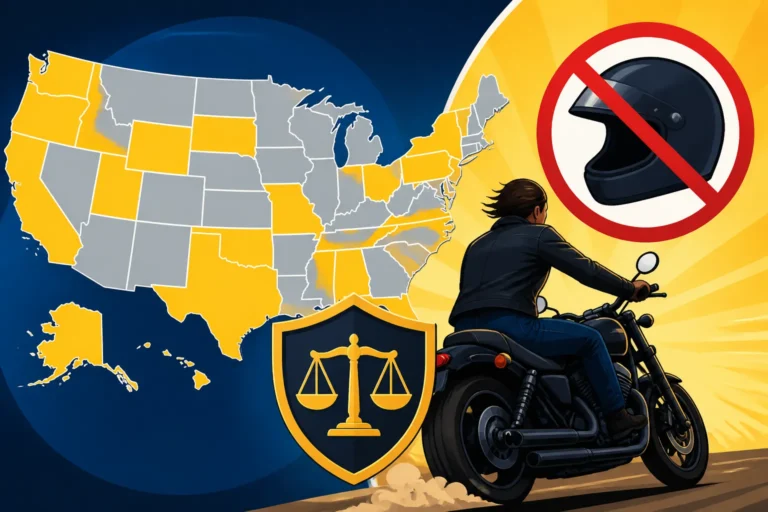
Now, if you're 18 years of age or older, the law allows you the personal choice of whether to wear a helmet. This is what classifies Arizona as a "partial helmet law" state, as opposed to a "universal helmet law" state like California or a "no helmet law" state for adults like Iowa. This freedom can feel exhilarating, truly embodying the spirit of the open road for many seasoned riders. You’ll see plenty of adult riders cruising through Scottsdale or down Route 66 without helmets, exercising this legal option. However, it’s a critical distinction that "legal" doesn't always equate to "safe" or "prudent," especially when considering the devastating consequences a crash can bring. While the law grants this choice, it doesn't absolve you of the inherent dangers. Many seasoned riders, even those for whom it's not legally mandated, still choose to wear helmets for the added layer of protection.
Impact of Helmet Use on a Motorcycle Accident Claim
Even though adult riders in Arizona have the choice to go helmet-less, this decision can have significant repercussions if you're involved in a motorcycle accident. The legal landscape around accident claims is complex, and whether or not you were wearing a helmet can become a focal point, especially when insurance companies or opposing counsel are looking for ways to reduce their liability.
The "Helmet Defense" and Its Role
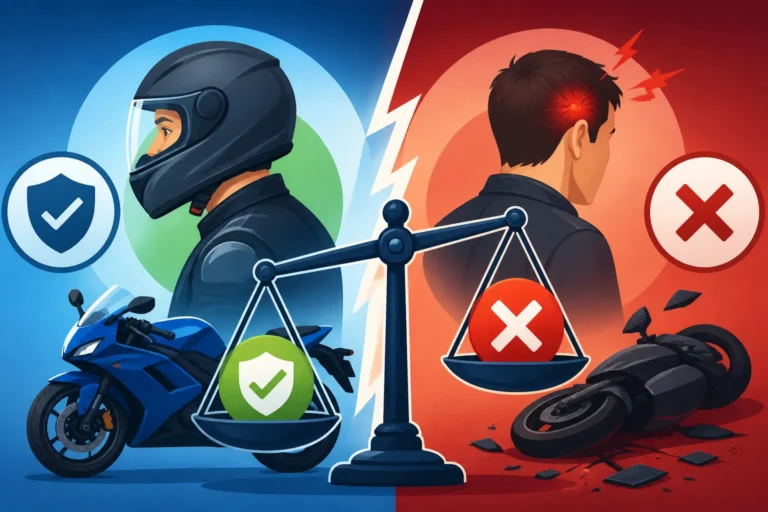
This is where the concept of the "helmet defense" comes into play, and it’s something every rider needs to understand. Even if you're over 18 and legally not required to wear a helmet in Arizona, if you sustain a head injury in a crash while unhelmeted, the other side's insurance company will almost certainly argue that your injuries would have been less severe if you had been wearing a helmet. This argument is powerful because it tries to shift a portion of the blame for your injuries back onto you, even if the other driver was clearly at fault for causing the collision. For example, if a distracted driver in Phoenix blows through a stop sign and hits you, causing a traumatic brain injury, their insurance provider might acknowledge their driver's fault for the crash itself, but then argue that your TBI could have been prevented or mitigated with a helmet.
This isn't to say that not wearing a helmet will automatically bar your claim, but it can significantly complicate things. It can lead to a reduction in the amount of compensation you receive for your medical bills, lost wages, and pain and suffering. The legal team for the at-fault party will essentially be invoking a form of Comparative Negligence in Motorcycle Accidents, suggesting that your own actions contributed to the severity of your injuries, even if not to the cause of the accident. Understanding How Helmet Laws Affect Your Accident Claim is crucial, as this defense is a common tactic.
How Not Wearing a Helmet Affects Your Settlement
When it comes to calculating a settlement, every detail matters, and your helmet use is one of them. Insurers are in the business of minimizing payouts, and the helmet defense gives them a strong tool. If you suffer a concussion or a more severe head injury without a helmet, your claim for those specific damages related to the head injury could be substantially reduced. The argument goes that a reasonable person would have taken precautions to protect themselves, even if not legally compelled.
Consider two hypothetical scenarios in Tucson:
- Rider A: An 18-year-old rider, legally able to ride without a helmet, is hit by a car and suffers a serious head injury.
- Rider B: A 25-year-old rider, also legally able to ride without a helmet, is hit in an identical crash but was wearing a DOT-compliant helmet, sustaining a much less severe head injury or no head injury at all.
While both riders might be able to prove the other driver's fault, Rider A's settlement for head injury damages will likely face a much steeper challenge and potential reduction due to the "helmet defense." This is why even in states with partial helmet laws, many riders choose to wear Motorcycle Helmet Laws by State compliant headgear to protect their potential claim, should the worst happen. The potential reduction in a Motorcycle Accident Settlement Process Explained can be significant, directly impacting your ability to cover long-term medical care or compensate for lost earning capacity.
Beyond the Law Why Smart Riders Still Wear Helmets
While Arizona law gives adult riders a choice, the statistics and practical realities paint a clear picture: helmets save lives and reduce the severity of injuries. As a veteran lifestyle blogger for motorcycle enthusiasts, I've seen firsthand the devastating impact of head injuries that could have been avoided. This isn't about legal mandates; it's about personal safety and smart riding.
Minimizing the Risk of Severe Injuries
Let's be brutally honest: motorcycles offer little to no physical protection in a crash. When a motorcycle goes down, the rider is directly exposed to impact with the road, other vehicles, or obstacles. Head injuries, including traumatic brain injuries (TBIs), are among the most debilitating and life-altering consequences of a motorcycle accident. A DOT-compliant helmet is designed specifically to absorb impact forces and distribute energy across a wider area, drastically reducing the risk of skull fractures, severe concussions, and brain damage. Even in a low-speed fall, a helmet can mean the difference between walking away shaken but unharmed, and facing a lifetime of medical treatments or permanent disability. Think about how many times you’ve heard of a low-side fall on a dirt road, where a rider might just get a scraped knee and elbow because they had proper gear. Without a helmet, that same low-side could have catastrophic head trauma. This emphasis on safety is why we consistently advocate for proper gear, regardless of local laws.
The True Cost of a Head Injury
The financial, emotional, and physical costs of a severe head injury are staggering. Beyond the immediate emergency room visits and surgeries, a traumatic brain injury can lead to long-term cognitive impairment, personality changes, memory loss, and the need for extensive rehabilitation, often spanning years or even a lifetime. These are the "damages" that an insurance company tries to quantify in a settlement, but they can never truly capture the profound impact on a rider's quality of life and their family.
| Injury Type | Typical Helmet Use Outcome (if DOT-Compliant) | Typical Non-Helmet Use Outcome | Potential Claim Impact (without helmet) |
|---|---|---|---|
| Minor Head Trauma (Concussion) | Reduced severity, faster recovery | Severe concussion, prolonged symptoms | Moderate reduction in "pain and suffering" and medical expenses claims. |
| Skull Fracture | Absorbed impact, lower fracture risk | High risk of fracture, brain swelling | Significant reduction, potentially jeopardizing entire head injury claim. |
| Traumatic Brain Injury (TBI) | Minimized risk, less severe TBI | High risk of severe TBI, permanent damage | Substantial reduction, as TBI could be argued as avoidable or less severe. |
| Fatal Head Injury | Reduced fatality risk | High fatality risk | Wrongful death claim may face "comparative fault" arguments for victim's actions. |
The table illustrates that while a helmet isn't a magical shield against all injury, it fundamentally changes the nature and severity of head trauma, which in turn heavily influences any Types of Damages in a Motorcycle Accident Claim.
Investing in Quality Gear
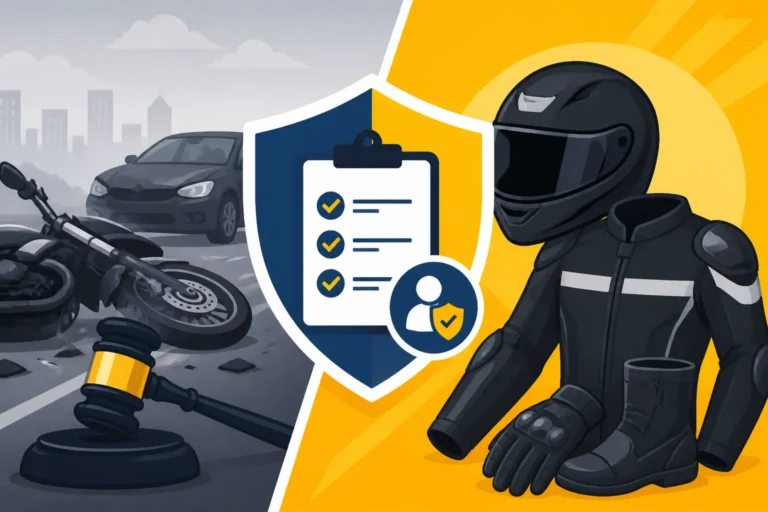
This is where investing in high-quality riding gear, especially a good helmet, becomes paramount. Brands like Cycle Gear offer a wide selection of DOT-approved helmets, ranging from full-face to modular and open-face styles, ensuring that riders can find something that fits their comfort and aesthetic preferences while still providing vital protection. Don't compromise on safety to save a few bucks. Your head is worth more than any price tag. A quality full-face helmet not only offers superior impact protection but also shields your face from debris, wind, and sun, enhancing comfort and visibility. Choosing a DOT Helmet Requirements Explained helmet means it has met specific safety standards, which is crucial for both protection and any potential legal arguments in an accident claim.
Important Considerations for Out-of-State Riders in Arizona
Arizona is a popular destination for motorcycle rallies, cross-country tours, and scenic rides. This means many riders from other states, with different helmet laws, will find themselves on Arizona's roads. It's vital to understand how Arizona's specific rules apply to visitors.
Reciprocity and Local Laws
Generally, when you ride in a different state, you are expected to abide by that state's traffic laws, including helmet laws. So, if you're an adult rider from California (a universal helmet state) visiting Arizona, you are technically allowed to ride without a helmet once you cross the border, provided you are 18 or older. Conversely, if you're an 18-year-old rider from a state like Iowa (which has no universal helmet law for adults) and you're riding through Arizona, you are not required to wear a helmet here. The rule about being under 18 is consistent, regardless of your home state; if you're a minor, you must wear a helmet. However, it's always prudent to be aware of the laws of all states you plan to ride through. Ignorance of the law is rarely an excuse that holds up well in court, or more importantly, when facing injury.
Personal Safety Above All
Regardless of the local laws, the safest practice for any rider, especially those traversing unfamiliar roads, is to always wear a DOT-compliant helmet. Changing road conditions, unexpected wildlife, or simply the increased risk of encountering an inattentive driver are all reasons to prioritize protection. Think of it as your primary line of defense against the unexpected. I've often seen riders from states with less stringent laws come to Arizona and think they're "free," only to regret it deeply after a simple mishap. It's one thing to have the legal right to choose; it's another entirely to make the safest choice for your well-being. This applies to all your gear, too. While Arizona might not have strict Motorcycle Gear Laws and Requirements, wearing protective jackets, pants, gloves, and boots can significantly reduce the severity of Road Rash Injuries and Claims and other common motorcycle accident injuries. Don't just consider the law; consider your skin, bones, and brain.
Key Takeaways and Actionable Steps
Navigating the nuances of motorcycle helmet laws in Arizona, especially when considering the potential aftermath of an accident, can feel overwhelming. But it doesn't have to be. The core message is clear: while adults have a choice, making the safer choice is almost always the smarter one.
What to Do After an Accident, Helmet or Not
If you find yourself in the unfortunate situation of a motorcycle accident in Arizona, your helmet status is just one piece of a larger puzzle. Regardless of whether you were wearing a helmet or not, your first priority is always your safety and health. Seek immediate medical attention, even if you feel fine. Some serious injuries, like internal bleeding or certain types of Motorcycle Accident Traumatic Brain Injuries, might not manifest symptoms right away. Document everything: take photos of the scene, your motorcycle, your injuries, and any property damage. Collect contact information from witnesses and the other driver. It’s critical to remember What to Do After a Motorcycle Accident to protect your rights and potential claim.
Consulting with an Expert
Motorcycle accident claims are notoriously complex, often involving significant injuries and the pervasive "rider bias" from insurance companies. If you’ve been in a crash, especially one involving a head injury or a dispute over fault, it’s highly advisable to consult with an attorney who specializes in motorcycle accidents. They can help you understand How Fault Is Determined in Motorcycle Accidents, counter the helmet defense if it's raised against you, and ensure you receive fair compensation for your injuries and losses. They can also guide you through the process of proving fault and damages, regardless of your helmet use at the time of the collision.
The open road in Arizona is an incredible experience, but it comes with responsibilities. Knowing and understanding the laws, and more importantly, prioritizing your safety with proper gear, will ensure your rides are as enjoyable and safe as possible.
Disclaimer
This article provides general information about motorcycle helmet laws in Arizona and their potential impact on accident claims. It is not intended as legal advice. Laws can change, and specific situations vary. If you have been involved in a motorcycle accident, it is crucial to consult with a qualified legal professional for advice tailored to your individual circumstances.