Motorcycle Endorsement and License Laws
Riding a motorcycle offers unparalleled freedom and an incredible connection to the open road, but it also comes with its own set of responsibilities, especially when it comes to the law. Many riders, both new and experienced, often find themselves confused by the patchwork of state-specific rules regarding motorcycle endorsements and licenses. This guide is here to untangle that web, explaining exactly what you need to ride legally and how those rules can impact you on your journey.
Understanding What a Motorcycle Endorsement Is
Let's start by clarifying a common point of confusion: the difference between a standard driver's license and a motorcycle endorsement. You can't just hop on a bike with your regular Class C driver's license; that’s a recipe for legal trouble and puts everyone on the road at risk. The law requires a specific qualification that proves you have the skills and knowledge to operate a motorcycle safely.
What Exactly Is a Motorcycle Endorsement?
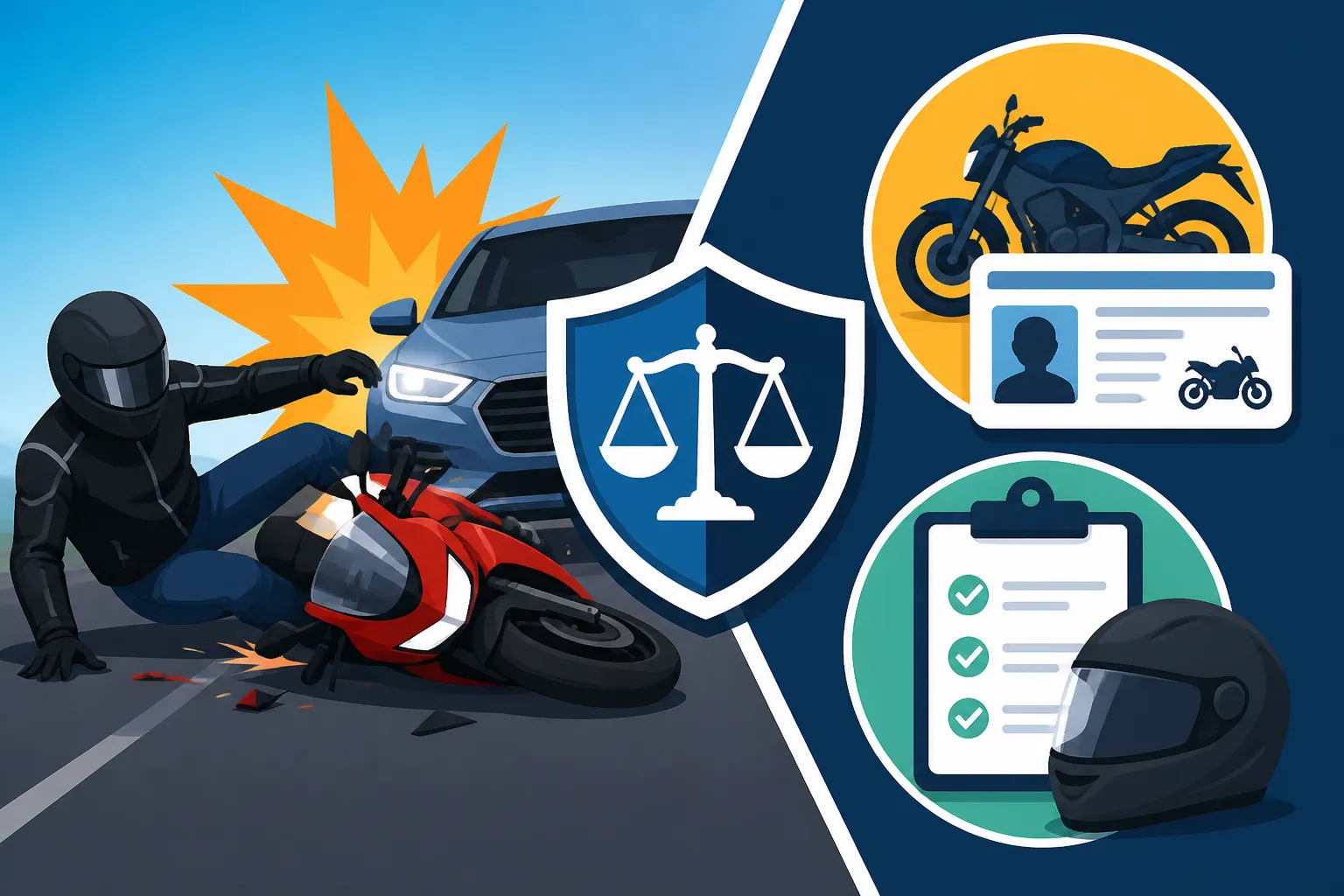
Think of a motorcycle endorsement as an add-on to your existing driver's license. It’s not a separate license entirely in most states, but rather a special designation printed right on your driver's license, often appearing as "M" or "M1." This endorsement certifies that you have met your state’s requirements to legally operate a two- or three-wheeled motorized vehicle. These requirements typically include passing specialized written and riding tests, demonstrating that you understand the unique dynamics of motorcycle operation, traffic laws specific to bikes, and how to handle various road conditions. It’s a critical piece of paper that says, "Yes, this person knows how to ride safely."
Without this endorsement, you are essentially driving without the correct license for the vehicle, which carries serious legal penalties. For instance, in states like California or Texas, driving without the proper endorsement can lead to significant fines, your motorcycle being impounded, and even points on your driving record. It’s not just a minor infraction; it’s treated with the seriousness it deserves, given the inherent risks of motorcycle riding.
Why Do You Need One? Legal, Safety, and Insurance Implications
The reasons for needing a motorcycle endorsement extend far beyond simply avoiding a traffic ticket. They touch upon legal compliance, rider safety, and the practicalities of insurance coverage. First and foremost, it's about legality. Every state in the U.S. requires a motorcycle endorsement to legally operate a motorcycle on public roads. This isn't just bureaucracy; it's a fundamental aspect of road safety. The tests you take to get your endorsement are designed to ensure you possess basic riding skills and an understanding of specific motorcycle laws, like how to manage your bike in different traffic scenarios or react to hazards.
Beyond the legal aspect, there are significant safety implications. Motorcycle accidents often result in severe injuries, and the training and testing for an endorsement are meant to reduce this risk. The knowledge gained from a motorcycle safety course, which is often a prerequisite for the endorsement, can literally be a lifesaver. These courses teach defensive riding techniques, emergency maneuvers, and hazard perception that many car drivers simply aren't aware of. This is why you'll often hear experienced riders strongly advocate for formal training, regardless of state requirements.
Then there’s the crucial matter of insurance. If you're involved in a motorcycle accident and don't have a valid endorsement, your insurance company might deny your claim entirely. Imagine being severely injured after a crash, with extensive medical bills and a totaled bike, only to find out your policy won't cover anything because you weren’t legally allowed to be on the road. This scenario, unfortunately, is a harsh reality for many who choose to ride without proper licensing. Insurers view riding without an endorsement as a significant increase in risk, and they often include clauses in policies that exclude coverage for illegal operation. It’s a costly gamble that no rider should ever take.
State-Specific License and Endorsement Requirements
Navigating the various state laws for motorcycle endorsements can feel like trying to solve a puzzle with missing pieces. Each state has its own unique set of rules, age requirements, and testing procedures. While there are common threads, the nuances can make a big difference, especially if you're riding across state lines or moving.
Overview of Common Requirements
Generally, most states follow a similar pattern for obtaining a motorcycle endorsement. You typically need to be at least 16 years old, though some states have a minimum age of 18 or require parental consent for younger riders. The process usually involves three key components:
- Written Knowledge Test: This exam covers traffic laws, road signs, and motorcycle-specific rules of the road. It tests your understanding of safe riding practices, such as proper lane positioning, scanning for hazards, and the effects of alcohol or drugs. Many states provide a motorcycle operator manual that you can study to prepare for this test.
- Vision Test: Standard for any driver's license, this ensures your eyesight is adequate for safe driving.
- Skills (Riding) Test: This is where you demonstrate your ability to physically control a motorcycle. It usually takes place on a closed course at the DMV and includes maneuvers like weaving through cones, making sharp turns, emergency braking, and maintaining balance at low speeds. Some states, like California, have specific tests such as the "cone weave" or "figure eight" to assess rider proficiency.
In many states, especially for younger riders, completing an approved motorcycle safety course can waive the riding skills test. This is a huge benefit, not only for the convenience but also because these courses offer invaluable hands-on training that far surpasses what you’d learn just practicing in a parking lot.
Examples from Specific States
Let's look at a few state examples to highlight the variations:
- California: Known for its large motorcycle community, California has universal helmet laws and a fairly straightforward endorsement process. Riders must be at least 16 years old. If you're under 21, you must complete an approved Motorcycle Training Course (MTC) to get your permit and then your M1 endorsement. For those 21 and over, completing the MTC can waive the riding skills test, otherwise, you'll need to take it at the DMV. California has a graduated licensing system, meaning you first get a permit, then a full endorsement. For more specific details on what California requires, check out this guide on Motorcycle Helmet Law in California.
- Florida: Florida offers more flexibility regarding helmets for riders over 21 with significant insurance coverage, but the endorsement process is still rigorous. Riders under 21 must complete a Basic RiderCourse (BRC) from a Florida Rider Training Program (FRTP). For those 21 and older, completing the BRC also waives the riding skills test. If you don't take the course, you'll need to pass both the written and riding exams at the DMV. Florida also requires a standard driver's license before you can apply for a motorcycle endorsement.
- Texas: Texas also mandates completion of an approved motorcycle safety course to obtain a Class M license. Riders must be at least 16 years old. If you're 16 or 17, you must have held a valid learner’s permit for at least six months and have completed both the classroom and riding portions of an approved safety course. For adults, the safety course is usually sufficient to waive the riding test. Texas is another state where you first obtain a restricted permit (Class M learner's license) before getting the full endorsement.
- New York: New York requires a motorcycle permit first, obtained after passing a written test. After holding the permit for a certain period (usually 6 months for those under 18, or immediate for those 18+ with a course), you can schedule a road test. New York offers a waiver for the road test if you complete an approved motorcycle safety course, which is highly recommended due to the state's sometimes challenging riding conditions, especially in urban areas like New York City or along winding rural routes.
As you can see, while the basic framework exists, the specifics like age, mandatory courses, and permit waiting periods can differ significantly. Always check your state's Department of Motor Vehicles (DMV) or equivalent agency for the most up-to-date and accurate information.
Permit Versus Full Endorsement
Many states implement a graduated licensing system, requiring riders to first obtain a motorcycle learner's permit before being eligible for a full endorsement. This is designed to give new riders supervised experience before they’re fully independent on the road.
What you can (and can't) do with a permit:
A motorcycle learner's permit comes with restrictions that vary by state but typically include:
- No nighttime riding: Many states prohibit permit holders from riding after sunset or during specific evening hours.
- No passengers: Carrying a passenger is usually forbidden for permit holders.
- No freeway riding: High-speed highways and interstates are often off-limits.
- Riding with a licensed supervisor: Some states require you to ride with an experienced, fully endorsed motorcyclist within sight.
- Helmet requirement: Even in states with partial helmet laws, permit holders are almost always required to wear a DOT-compliant helmet, regardless of age.
These restrictions are in place for a good reason: to protect new riders while they develop essential skills in a lower-risk environment. Ignoring these restrictions can lead to tickets, fines, and even the revocation of your permit, further delaying your journey to a full endorsement. It’s crucial to understand and adhere to the specific limitations of your state’s motorcycle permit.
The Process of Getting Your Motorcycle Endorsement
Getting your motorcycle endorsement might seem like a daunting task, but when broken down into steps, it becomes much more manageable. The process is designed to equip you with the skills and knowledge necessary to ride safely and confidently.
Required Courses and Training Programs
One of the best paths to obtaining your motorcycle endorsement, and honestly, the smartest way to learn to ride, is through an approved motorcycle safety course. The Motorcycle Safety Foundation (MSF) Basic RiderCourse (BRC) is the gold standard and is recognized in nearly all states. These courses are typically offered by state agencies, community colleges, or private motorcycle schools.
A typical BRC will involve:
- Classroom Instruction: You’ll cover fundamental topics such as motorcycle controls, protective gear, road hazards, defensive riding strategies, and managing risk. This is where you gain the theoretical knowledge that will be tested on the written exam.
- Practical Riding Exercises: On a closed course (often a parking lot), you'll get hands-on experience with actual motorcycles (usually provided by the course). Instructors will guide you through exercises like starting and stopping, shifting gears, turning, weaving, and emergency braking. This is crucial for building muscle memory and confidence in a safe, controlled environment.
Many states, like Florida and Texas, have made completing such a course mandatory, especially for younger riders, or offer a waiver for the DMV riding test if you pass the course. This is a huge advantage, as the course typically provides the motorcycle for the practical exam, and the instructors are there to guide you, unlike the sometimes intimidating experience of a DMV road test. Plus, the skills you learn in these courses go far beyond what's required for the test, genuinely making you a safer rider. If you're looking for Motorcycle Safety Gear and Legal Protection, these courses often emphasize what gear is truly essential.
Preparing for the Written and Riding Tests
Even if you take a safety course, you'll likely still need to pass a written knowledge test. Preparation is key here. Pick up your state's official motorcycle operator manual from the DMV or download it online. Read it thoroughly, paying special attention to sections on:
- Lane positioning: Understanding how to maximize your visibility and escape routes.
- Hazard avoidance: Identifying and reacting to common road dangers.
- Alcohol and drug awareness: The severe impact on riding ability.
- Group riding etiquette: If you plan to ride with others.
Many states also offer practice tests online, which can be incredibly helpful for familiarizing yourself with the format and types of questions.
For the riding test, practice is paramount. If you're not taking a course that waives the test, find a large, empty parking lot and practice the maneuvers described in your state's motorcycle manual. Focus on:
- Slow-speed control: This is often the trickiest part. Practice friction zone control, tight turns, and stopping smoothly.
- Emergency braking: Know how to use both front and rear brakes effectively.
- Swerve maneuvers: Be able to quickly change direction to avoid an obstacle.
When you go for your riding test, ensure your motorcycle is in good working order (lights, horn, tires, mirrors), and you are wearing all the required protective gear, which might include a DOT-approved helmet, eye protection, long sleeves, long pants, gloves, and sturdy footwear. Places like Cycle Gear are excellent resources for finding all the necessary protective equipment that meets safety and legal standards.
Out-of-State Transfers and Reciprocity
What happens if you move to a new state or already have a motorcycle endorsement from another state? This is where reciprocity comes in. Most states recognize a valid motorcycle endorsement from another U.S. state. Generally, when you move and get a new driver's license in your new state, your motorcycle endorsement will transfer over automatically, as long as it was valid in your previous state.
However, there can be exceptions and specific procedures:
- Proof of endorsement: You'll need to show your previous state's license clearly indicating your motorcycle endorsement.
- Additional tests: In rare cases, a state might require you to pass a short written test on their specific laws, even if you have an existing endorsement. This is more common if you're coming from a state with significantly different traffic laws or helmet requirements.
- Time limits: Some states have a grace period within which you must transfer your license. If you wait too long, you might be treated as a new applicant and have to go through the full endorsement process again.
For international riders, the rules are often more complex. A foreign motorcycle license might be accepted for a short period (e.g., 30-90 days), but eventually, you'll need to obtain a U.S. state-specific endorsement, which usually means going through the full testing process. Always check with the DMV in your new state as soon as possible to understand their specific requirements for transferring your license and endorsement. This proactive approach ensures you remain legal and protected on the road, no matter where you ride.
Special Cases and Exceptions to Endorsement Laws
While the general rules for motorcycle endorsements apply to most riders, there are some specific situations and vehicle types that have different or modified requirements. It's crucial to understand these distinctions to ensure you're always riding legally.
Three-Wheeled Motorcycles and Autocycles
The world of two-wheeled riding has expanded to include a variety of three-wheeled vehicles, such as the Can-Am Spyder, Polaris Slingshot, and various trikes. The legal classification and endorsement requirements for these vehicles can vary significantly from traditional two-wheeled motorcycles.
- Three-wheeled motorcycles (e.g., Can-Am Spyder): In many states, like New York, Florida, and California, these vehicles still fall under the "motorcycle" category but may have a specific sub-endorsement, often an "M3" or a restricted "M" endorsement. Some states recognize that operating a three-wheeled vehicle is different from a two-wheeler, potentially waiving the two-wheeled riding test if you're testing on a trike. However, a general motorcycle endorsement (M1) usually covers three-wheelers, while an "M3" might restrict you only to three-wheelers. It's vital to check your state's DMV guidelines carefully, as misinterpreting this could lead to issues with your Motorcycle Accident Liability: A Complete Guide.
- Autocycles (e.g., Polaris Slingshot): These are a bit trickier. Autocycles, like the Polaris Slingshot, often have a steering wheel and foot pedals similar to a car, but they have only three wheels and are open-air. Many states do not require a motorcycle endorsement for autocycles, classifying them as automobiles or a separate vehicle class altogether. For instance, in states like Texas and Florida, you typically only need a standard driver's license to operate a Polaris Slingshot. However, other states, such as New York, may still require a motorcycle endorsement. This distinction is important because the liability and insurance aspects could change drastically depending on the vehicle's legal classification. Always confirm with your state's motor vehicle department.
The key takeaway here is that "motorcycle" isn't a one-size-fits-all term in the eyes of the law when three wheels are involved. Do your homework before you hit the road on one of these unique machines.
Mopeds and Scooters
Mopeds and scooters are popular for urban commuting and short distances, offering a different riding experience than a full-sized motorcycle. Their legal requirements also differ significantly in most states.
- Mopeds: These are generally defined as two- or three-wheeled vehicles with an engine displacement of 50cc or less and a top speed typically not exceeding 30-35 mph. In many states, you don't need a full motorcycle endorsement to operate a moped. A standard driver's license (Class C) is often sufficient. Some states, like California, require a Class M2 endorsement (for motorized bicycles), while others might have specific age restrictions (e.g., 16 years old) but no endorsement requirement beyond a basic driver's license. Moped riders are often subject to different helmet laws than motorcyclists, though it's always safer to wear one.
- Scooters: The legal classification of a scooter depends heavily on its engine size. If a scooter has an engine displacement of 50cc or less, it might be classified as a moped and fall under those rules. However, if the scooter's engine is larger than 50cc (e.g., 150cc, 250cc, or even larger maxi-scooters), it is almost universally classified as a motorcycle and requires a full motorcycle endorsement (M1 or M) to operate legally on public roads. This is a common point of confusion: a Vespa 300cc, for example, requires a motorcycle endorsement, just like a Harley-Davidson.
Always check your state's specific definitions for mopeds, scooters, and motorcycles based on engine size, speed capabilities, and wheel configuration. What you ride, and where you ride it, directly impacts the type of license you need.
Military Personnel and Out-of-Country Licenses
Military personnel and individuals holding licenses from other countries often have unique circumstances when it comes to U.S. motorcycle endorsement laws.
- Military Personnel: Service members often move frequently and may be stationed in different states or even overseas. Many states offer special provisions or extensions for military members regarding driver's licenses and endorsements. For example, some states may allow active-duty military to keep their out-of-state license valid for a longer period or expedite the transfer process. Additionally, military motorcycle safety courses (like those offered by the U.S. Army or Air Force) are often recognized and can sometimes fulfill state training requirements for an endorsement. However, these benefits are not universal, and service members should always verify the specific rules of the state they are currently residing or operating a vehicle in.
- Out-of-Country Licenses: For those visiting or moving to the U.S. from another country, an international driving permit (IDP) combined with their home country's driver's license may allow them to legally operate a motorcycle for a limited period (e.g., usually up to one year, but sometimes shorter). The IDP itself is not a license; it's a translation of your existing license. However, after this grace period, or if the individual becomes a resident of a U.S. state, they will generally be required to obtain a U.S. state driver's license and a specific motorcycle endorsement by passing the written and riding tests. This process ensures that foreign riders are familiar with U.S. traffic laws and have demonstrated competency in riding on American roads. The specific length of time an international license is valid varies widely by state, so immediate research upon arrival is recommended.
Riding Without a Proper Endorsement
Riding without the correct motorcycle endorsement is a serious offense that can lead to significant headaches, from legal consequences to devastating financial impacts in the event of an accident. It's a risk that is simply not worth taking.
Legal Consequences
The legal repercussions for riding a motorcycle without a valid endorsement vary by state, but none are minor. Here’s a breakdown of what you could face:
- Fines: Expect a hefty fine. In many states, riding without an endorsement is treated similarly to driving without a license, which can carry fines in the hundreds of dollars. In some jurisdictions, repeated offenses can lead to even higher penalties.
- Vehicle Impoundment: One of the most immediate and frustrating consequences is that your motorcycle can be impounded on the spot. This means you'll not only pay fines but also towing fees and daily storage fees, which can quickly add up to hundreds or even thousands of dollars. Getting your bike out of impound is often a bureaucratic nightmare, requiring proof of ownership, valid insurance, and a properly endorsed rider to retrieve it.
- Points on Your License: Many states will assess points against your driving record for this offense. Accumulating too many points can lead to increased insurance premiums, license suspension, or even revocation of your regular driver's license. This means not only will you not be able to ride your motorcycle, but you might also lose the privilege of driving a car.
- Misdemeanor Charges: In some states, particularly for repeat offenders or if other infractions (like reckless driving) are involved, riding without an endorsement can escalate to a misdemeanor charge. A misdemeanor conviction can result in jail time, probation, and a criminal record, which can impact future employment, housing, and other aspects of your life.
- License Suspension/Revocation: Depending on your state's laws and your driving history, your regular driver's license could be suspended or revoked, meaning you can't operate any motor vehicle legally.
The bottom line is that law enforcement takes this seriously because operating a motorcycle requires specialized skills and knowledge. Without an endorsement, you're signaling to authorities that you haven't demonstrated that competency, posing a potential danger to yourself and others.
Insurance Implications
Beyond the immediate legal troubles, riding without an endorsement can have catastrophic effects on your motorcycle insurance and any potential accident claims. This is where the financial devastation really kicks in.
- Denied Claims: This is the most critical issue. Most motorcycle insurance policies contain clauses that deny coverage if the vehicle was being operated illegally at the time of an accident. Riding without a valid endorsement falls squarely into this category. If you get into a crash and don't have the proper licensing, your insurance company could refuse to pay for your medical bills, property damage to your bike, or damages to other vehicles or individuals involved. This leaves you personally responsible for potentially hundreds of thousands of dollars in expenses.
- Increased Premiums: Even if, by some slim chance, your insurance company doesn't deny the claim outright (perhaps due to extenuating circumstances or specific policy language), having an incident while riding without an endorsement will almost certainly lead to a dramatic increase in your future insurance premiums. You'll be classified as a high-risk driver, making coverage expensive and difficult to obtain.
- No Coverage for Other Parties: If you cause an accident while riding unlicensed, not only will your own injuries and bike damage likely go uncovered, but your liability insurance might also be void. This means you could be personally sued by the other driver for their vehicle damage, medical expenses, lost wages, and pain and suffering. This could lead to wage garnishments, liens on your property, and long-term financial hardship.
- Impact on Future Claims: An incident involving riding without an endorsement can create a lasting mark on your driving record and insurance history. Future insurance applications might be denied, or you could face significantly higher rates for years to come, even if you eventually get properly licensed.
It's a stark reminder that motorcycles, by their nature, carry higher risks, and insurance companies underwrite policies based on the assumption of legal operation. Deviating from that basic legal requirement can erase your safety net when you need it most.
How Riding Unlicensed Affects Your Accident Claim
If you’re involved in a motorcycle accident and discover you were riding without the required endorsement, your ability to recover damages in a personal injury claim can be severely compromised. Even if the other driver was clearly at fault, your lack of proper licensing can be used against you.
- Contributory Negligence and Comparative Fault: Most states operate under some form of comparative negligence. This means that if you are found to be partially at fault for the accident, your compensation can be reduced by your percentage of fault. While riding without an endorsement doesn’t cause an accident in the same way distracted driving does, an insurance company or opposing counsel can argue that it demonstrates a general disregard for safety and legal requirements. This could, in some jurisdictions, be used to assign a percentage of fault to you, thereby reducing your settlement. Some states, like Virginia, still have a pure contributory negligence rule, where if you are found even 1% at fault, you cannot recover any damages at all. For more on this, read about Contributory vs Comparative Negligence Explained.
- The "Illegal Act" Defense: Insurers and defense attorneys may argue that because you were engaged in an illegal act (riding without a proper endorsement), you are not entitled to recover damages, or your claim should be significantly diminished. They might assert that had you been properly licensed, you would have had the necessary training and skill to avoid or mitigate the accident, even if the other driver was primarily responsible.
- Credibility Issues: In a legal dispute, your credibility can be undermined. A jury or claims adjuster might view your unlicensed status as a sign of irresponsibility, making them less sympathetic to your claims for damages, particularly for subjective elements like pain and suffering.
- Difficulty Proving Damages: Even if you can argue that your unlicensed status had no bearing on the cause of the accident, the practicalities of a claim become much harder. Medical providers or lienholders might be hesitant if insurance coverage is ambiguous. Trying to pursue a claim for property damage, lost wages, or medical bills when your own insurance has denied coverage becomes an uphill battle.
The bottom line: riding without a valid motorcycle endorsement is a significant vulnerability. It provides a powerful tool for insurance companies to deny or drastically reduce your compensation, even when someone else clearly caused your injuries. This is why securing your proper endorsement is not just about obeying the law, but about protecting your future in case of an unforeseen event.
Keeping Your Endorsement Valid and Safe Riding Practices
Once you've earned your motorcycle endorsement, the journey doesn't end there. Maintaining its validity and continually honing your riding skills are crucial for long-term safety and enjoyment on two wheels.
Renewals and Updates
Just like your standard driver's license, your motorcycle endorsement needs to be renewed periodically. Renewal schedules vary by state, typically every 4 to 8 years. It's easy to overlook this detail, but letting your endorsement expire can lead to the same legal and insurance problems as riding without one in the first place.
Here’s what to keep in mind:
- Check Expiration Dates: Most state DMVs will send renewal notices, but it's ultimately your responsibility to know when your license and endorsement expire. Mark your calendar or set reminders on your phone.
- Online vs. In-Person Renewal: Many states now offer online renewal options, which can be a huge convenience. However, sometimes an in-person visit is required, especially if it's time for an updated photo or an eyesight test.
- Fees and Requirements: Be prepared for renewal fees. Some states may also require you to pass a vision test again, or in rare cases, a written test, especially if you've had traffic violations.
- Address Changes: Always update your address with the DMV promptly if you move. This ensures you receive renewal notices and other important correspondence.
Staying on top of renewals is a simple task that prevents future headaches and ensures you’re always riding legally.
Advanced Rider Training and Its Benefits
While the basic rider course gives you fundamental skills, the learning journey for a motorcyclist never truly ends. Advanced rider training offers immense benefits, regardless of how many years you've been riding.
- Enhanced Skill Development: Courses like the MSF Advanced RiderCourse (ARC) or other specialized track schools teach high-level skills such as precise cornering, advanced braking techniques, evasive maneuvers, and optimal body positioning. These aren't just for racing; they translate directly to safer street riding, allowing you to react more effectively to unexpected situations.
- Increased Confidence: Mastering new skills on your bike significantly boosts confidence, making you a more relaxed and intuitive rider. This isn't about arrogance, but about feeling more at home and in control on your machine, reducing stress and improving focus.
- Better Hazard Perception: Advanced training often emphasizes "seeing the whole picture" – anticipating potential dangers from other vehicles, road conditions, and environmental factors. This proactive approach can help you avoid accidents before they even become a threat. Knowing What Causes Most Motorcycle Accidents can help inform your training focus.
- Insurance Discounts: Many insurance companies recognize the value of advanced rider training. Completing an approved course can often qualify you for discounts on your motorcycle insurance premiums, making it a win-win scenario: you get safer, and you save money.
- Refresher for Lapsed Riders: If you've taken a break from riding for several years, an advanced course, or even a repeat of the basic course, can be an excellent way to shake off the rust and get back up to speed safely.
Investing in continuous rider education is one of the best ways to ensure a long and enjoyable riding career. Companies like Cycle Gear even offer discounts to riders who have completed specific safety courses, reinforcing the value of ongoing education and proper Motorcycle Safety Gear and Legal Protection.
The Link Between Proper Licensing and Road Safety
It might seem obvious, but the fundamental link between proper licensing (including your endorsement) and overall road safety cannot be overstated. It's not just about compliance; it's about minimizing risk for everyone.
- Demonstrated Competency: A valid endorsement is a legal certification that you've demonstrated at least a minimum level of skill and knowledge required to safely operate a motorcycle. This process weeds out individuals who lack basic control or understanding of traffic laws, reducing the number of truly unprepared riders on the road.
- Reinforcement of Safe Practices: The process of obtaining an endorsement, especially through a safety course, reinforces crucial safe riding practices. This includes understanding the importance of proper protective gear (helmets, jackets, gloves, boots), maintaining proper following distance, avoiding blind spots, and understanding Motorcycle Helmet Laws by State and Motorcycle Gear Laws and Requirements.
- Accountability: Holding a valid license and endorsement means you are accountable to the law. Traffic violations, reckless riding, or involvement in an accident can lead to penalties that impact your driving privileges, providing an incentive for responsible behavior.
- Reduced Risk for Others: When all riders are properly licensed and trained, the collective risk on the road decreases. Car drivers can have a higher, albeit sometimes misplaced, expectation that motorcyclists will operate predictably and safely. This mutual understanding, though often strained by the 'I Didn't See the Motorcycle' defense, is critical for accident prevention.
Ultimately, your motorcycle endorsement is more than a piece of paper; it's a testament to your commitment to safe and responsible riding. It safeguards your legal standing, protects your financial well-being, and most importantly, contributes to the safety of every journey you embark upon.
Disclaimer
This article is for general informational purposes only and does not constitute professional advice. Laws and regulations vary by location and change over time. Consult a qualified professional for guidance on your specific situation.