Does Not Wearing a Helmet Affect a Claim in Washington
Riding a motorcycle in Washington State offers some of the most breathtaking scenery, from the coastal highways to the mountain passes. But sometimes, despite all our caution, accidents happen. A common, heartbreaking question that comes up when a rider is injured is about helmet use – specifically, whether not wearing a helmet, even if it feels like a personal choice, can really impact an injury claim. This guide will meticulously break down Washington's specific laws and how they can affect your potential compensation.
Understanding Washington State's Universal Helmet Law
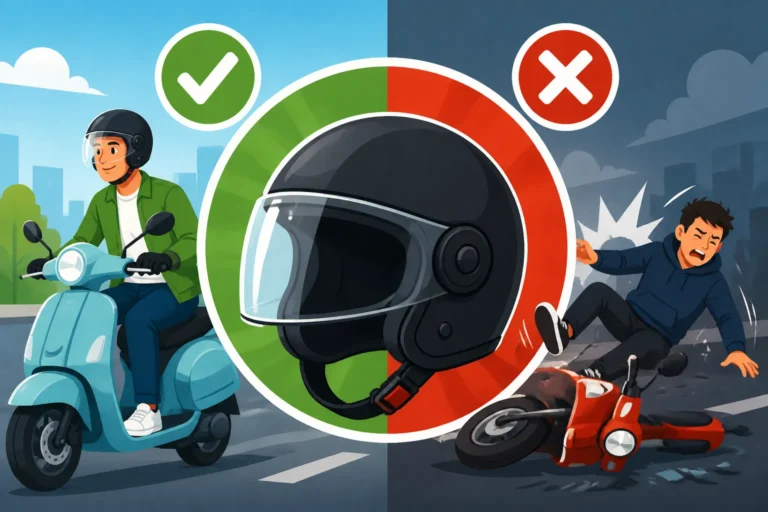
First and foremost, let's talk about the law itself. Washington State has a universal helmet law, which means that every single rider and passenger on a motorcycle, regardless of age, must wear a helmet that meets federal safety standards. This isn't a suggestion; it's a legal requirement.
What the Law Requires of Riders
The Revised Code of Washington (RCW 46.37.530) is pretty clear on this. It states that no person shall operate or ride upon a motorcycle or moped on a public highway unless they are wearing a safety helmet of a type approved by the Washington State Patrol. The state patrol specifically looks for helmets that comply with the Federal Motor Vehicle Safety Standard (FMVSS) 218, often indicated by a DOT certification sticker. This isn't just about avoiding a traffic ticket; it's a fundamental safety measure designed to protect riders from severe head trauma in the event of a crash. When you're out there on I-5 or winding through the Cascades, a helmet is your primary defense.
Penalties for Non-Compliance
If you're pulled over for not wearing a helmet in Washington, you're likely looking at a traffic infraction, which comes with a fine. It’s usually not a moving violation that adds points to your license, but it's still a penalty. More importantly, the most severe "penalty" for not wearing a helmet isn't a fine – it's the exponentially increased risk of serious or fatal head injuries in a crash. We all want to feel the wind in our hair, but that feeling comes with a huge gamble if you choose to ride without proper head protection. Many experienced riders will tell you that investing in a high-quality helmet from reputable stores like Cycle Gear is just part of responsible riding.
The "Helmet Defense" and Your Accident Claim
This is where things get really intricate and often frustrating for riders. When you're involved in a motorcycle accident and weren't wearing a helmet, the other driver's insurance company will almost certainly bring up what's known as the "helmet defense."
How Insurance Companies Use Non-Helmet Use Against You
The "helmet defense" is essentially an argument by the at-fault driver's insurance company that your decision not to wear a helmet contributed to the severity of your injuries, especially head injuries. They'll argue that even if their insured driver was negligent and caused the crash, your failure to follow the law and protect yourself exacerbated your damages. For example, if you suffered a traumatic brain injury (TBI), the insurance company will argue that had you been wearing a DOT-compliant helmet, the injury would have been less severe, or perhaps even avoided altogether. This argument aims to reduce the amount of compensation they have to pay you.
It’s a tough pill to swallow because you know the crash wasn't your fault, but suddenly, the focus shifts to your choices. This tactic is common, and it's a way for insurers to minimize payouts by placing a portion of the responsibility for your injuries back on your shoulders. You might be feeling immense pain and financial strain from medical bills, and then they try to suggest you're partly to blame for how bad things got. This is why understanding "How Helmet Laws Affect Your Accident Claim" is so crucial.
Proving Injury Causation with and Without a Helmet
The core of the helmet defense often comes down to medical and accident reconstruction expert testimony. The insurance company might hire their own experts to argue that the helmet, if worn, would have prevented or minimized specific injuries. On your side, your legal team would work to prove that the other driver's negligence was the primary cause of the accident and your injuries, regardless of helmet use, or that the injuries you sustained would have occurred even with a helmet. For instance, if you suffered a broken leg or severe road rash, your attorney could argue that a helmet would not have prevented those specific injuries, making the helmet defense irrelevant to those particular damages.
This is a battle of "what ifs" that can significantly complicate an otherwise straightforward claim. It's not just about proving the other driver was at fault for the collision; it's about proving how much of your injury was attributable to their fault, versus your own actions.
Washington's Pure Comparative Negligence System
Washington is one of a handful of states that follows a "pure comparative negligence" rule. This is incredibly important when considering how not wearing a helmet might impact your claim.
How Pure Comparative Negligence Works in Washington
Under Washington's pure comparative negligence system (RCW 4.22.005), an injured party can still recover damages even if they were partially at fault for the accident or the severity of their injuries. However, the amount of damages they can recover will be reduced proportionally by their percentage of fault. There's no cutoff — even if you are found to be 99% at fault, you can still recover 1% of your damages. This differs from states with modified comparative negligence rules, where you might be barred from recovery if your fault exceeds 50% or 51%.
So, in the context of not wearing a helmet, if a jury determines that the other driver was 80% at fault for causing the accident, but your failure to wear a helmet contributed 20% to the severity of your head injuries, your total compensation for those specific head injuries would be reduced by 20%. This proportionate reduction can have a significant impact on your overall settlement, especially for claims involving "Motorcycle Traumatic Brain Injuries".
Impact on Overall Damages and Payouts
Let's say a jury awards you $100,000 in total damages for your motorcycle accident injuries, including significant head trauma. If they determine you were 20% responsible for the severity of those head injuries because you weren't wearing a helmet, your $100,000 award would be reduced by $20,000, leaving you with $80,000. This reduction applies to both economic damages (like medical bills specifically for head injuries) and non-economic damages (like pain and suffering related to the head injury).
It’s a system designed to ensure fairness, but it can feel incredibly unfair when you're the one facing reduced compensation due to a decision that wasn't about causing the crash itself. This is why the conversation about "Comparative Negligence in Motorcycle Accidents" is so vital for riders in Washington.
Types of Damages Affected by the Helmet Defense
When an insurance company successfully employs the helmet defense, it specifically targets certain categories of damages, aiming to reduce your overall payout.
Economic Damages Under Scrutiny
Economic damages are the tangible, verifiable costs you incur due to the accident. These include things like medical bills, lost wages, and property damage. If you weren't wearing a helmet, the most significant impact will be on medical expenses related to head and facial injuries. The other side will argue that extensive neurosurgery, long-term cognitive therapy, or even basic concussion treatment could have been less severe or unnecessary if a helmet had been worn. This can lead to disputes over how much of these costs should be covered. Similarly, lost wages might be scrutinized if your inability to work is directly linked to a head injury that the defense claims would have been mitigated by a helmet.
It's not just about the immediate bills either. If your head injury leads to long-term care needs, future medical expenses, or a reduced earning capacity, the helmet defense can argue that these future costs should also be discounted based on your percentage of fault for the injury severity.
Non-Economic Damages and Pain and Suffering
Non-economic damages are harder to quantify but no less real. They include pain and suffering, emotional distress, loss of enjoyment of life, and disfigurement. These are often the largest component of a motorcycle accident settlement. If your head injury caused significant pain and suffering, memory loss, personality changes, or a permanent reduction in your quality of life, the insurance company will argue that a portion of that suffering could have been avoided with a helmet.
For example, if a traumatic brain injury (TBI) has left you with chronic headaches and anxiety, the defense will attempt to reduce the compensation for these non-economic damages by the percentage of fault assigned to your non-helmet use. This makes it incredibly difficult to recover fully for the profound personal toll the accident has taken, even if the other driver was clearly negligent. Understanding "Pain and Suffering in Motorcycle Settlements" becomes critical here.
Strategies for Countering the Helmet Defense
Even if you weren't wearing a helmet, your claim isn't automatically doomed in Washington State. There are specific strategies to mitigate the impact of the helmet defense.
Arguing the Helmet Wouldn't Have Prevented Injuries
One key strategy is to argue that the helmet, even if worn, would not have prevented the specific injuries you sustained or reduced their severity. This often involves expert medical testimony. For instance, if you suffered a severe spinal cord injury in your neck, your legal team could argue that the force of the impact was so great that a helmet wouldn't have prevented the neck trauma. Similarly, for severe road rash, broken limbs, or internal injuries, a helmet offers no protection, rendering the helmet defense irrelevant to those particular damages.
This approach focuses on disentangling the causes of injury. It demonstrates that while helmet use is important, it isn't a panacea, and the other driver's negligence is still directly responsible for a significant portion of your harm. This is a complex legal argument that truly requires the expertise of someone who specializes in motorcycle accidents.
Focusing on Non-Head Injuries and Other Damages
Another effective strategy is to compartmentalize your injuries. If you have multiple injuries, some of which are clearly unrelated to helmet use (e.g., a broken leg, internal organ damage, or significant road rash), your attorney will focus on these damages first. The helmet defense might be strong for head injuries, but it's completely irrelevant for a shattered ankle. By clearly separating these, you can seek full compensation for the non-head-related damages.
Furthermore, property damage to your motorcycle is entirely separate from personal injury. Whether or not you wore a helmet has no bearing on the cost to repair or replace your bike. While your personal injuries might be subject to the helmet defense, your property damage claim should remain unaffected. This is part of a broader strategy to "Maximize Your Motorcycle Accident Settlement".
The Role of Accident Reconstruction Experts
Accident reconstruction experts can play a pivotal role in countering the helmet defense. These professionals can analyze the crash dynamics, vehicle speeds, points of impact, and trajectory to determine exactly how your injuries occurred. They can provide scientific evidence that, for example, the impact forces were so extreme that a helmet's protective capabilities would have been overwhelmed, or that the head injury resulted from a secondary impact point not typically covered by a helmet.
Their findings can challenge the insurance company's assumptions about the helmet's potential effectiveness and help a jury understand the true cause and severity of your injuries, independent of helmet use.
The Broader Picture: Why All Gear Matters
While the focus here has been on helmets, it's crucial to remember that a helmet is just one piece of your protective ensemble. "Motorcycle Safety Gear and Legal Protection" goes far beyond just what's on your head.
Beyond Helmets: Jackets, Gloves, Boots
Think about road rash – a common, painful, and often disfiguring injury for motorcyclists. A sturdy riding jacket, proper gloves, and abrasion-resistant pants and boots can significantly reduce the severity of road rash and other impact injuries to your body. Brands like Cycle Gear offer a wide range of protective clothing designed to minimize damage from slides and impacts. Even if you forgo a helmet, having robust body armor can strengthen your claim for non-head injuries by demonstrating a general commitment to safety.
If you sustain severe road rash, your attorney can argue that while you might have chosen not to wear a helmet, you did take precautions to protect your body, and the other driver's negligence is directly responsible for your extensive skin injuries, scarring, and associated medical costs and pain.
Documentation of All Protective Gear
It's always a good idea to document all the gear you were wearing at the time of the accident. Take photos of your damaged helmet, jacket, gloves, and boots. This physical evidence can not only support your injury claims by showing the force of the impact but also demonstrate your proactive efforts to protect yourself. Even if a helmet defense is used against your head injury, showing you wore other protective gear can sometimes help paint a more responsible picture of you as a rider to a jury, potentially influencing their perception of your overall fault. When you're dealing with the aftermath of an accident, every piece of evidence matters. Make sure to consult with someone who understands how to handle "What to Do After a Motorcycle Accident".
Summary of Helmet Law Impact on Claims in Washington
To help clarify, here’s a quick overview of how not wearing a helmet generally impacts different aspects of a motorcycle accident claim in Washington State:
| Aspect of Claim | Impact of Not Wearing a Helmet (in Washington) | Notes |
|---|---|---|
| Legality/Traffic Ticket | You are in violation of Washington's universal helmet law (RCW 46.37.530) and may receive a fine. | This is a separate issue from your injury claim but can be used as evidence of statutory negligence by the defense. |
| Causation of Accident | Generally, no direct impact. Not wearing a helmet does not cause a crash. | The focus remains on how the accident occurred and who was at fault for the collision itself. |
| Severity of Head Injuries | Significant impact. Insurance companies will argue your head injuries would have been less severe or prevented with a helmet. | This is the primary target of the "helmet defense." Damages for traumatic brain injuries, skull fractures, etc., will be reduced proportionally based on your assigned fault. |
| Severity of Non-Head Injuries | Generally, no direct impact. A helmet does not protect other body parts. | Damages for road rash, broken bones (limbs, ribs), internal injuries, spinal cord injuries (non-cervical spine if separated from head impact) are less likely to be affected by the helmet defense. |
| Economic Damages | Medical bills and lost wages specifically tied to head injuries may be reduced. | Costs for physical therapy, neurorehabilitation, medication for head trauma, and income loss due to a TBI are vulnerable to proportional reduction. |
| Non-Economic Damages | Pain and suffering, emotional distress, and loss of enjoyment of life related to head injuries may be reduced. | The subjective nature of these damages makes them a key area for the defense to argue for reduction based on comparative negligence. |
| Property Damage | No impact. The cost to repair or replace your motorcycle is unrelated to helmet use. | Your claim for damage to your bike, gear (if damaged), and personal belongings should proceed normally, irrespective of whether you wore a helmet. |
| Overall Settlement Value | Will likely be reduced if you sustained head injuries. The degree of reduction depends on the percentage of fault assigned by a jury or negotiated settlement. | Under Washington's pure comparative negligence, you can still recover, but your total payout will be lowered by your assigned percentage of fault for contributing to injury severity. This reinforces "How Comparative Negligence Reduces Your Payout". |
Seeking Legal Counsel After a Motorcycle Accident
Dealing with the aftermath of a motorcycle accident is tough enough without navigating complex legal doctrines and insurance company tactics. When you're injured, especially if you weren't wearing a helmet, the stakes are incredibly high.
Why an Attorney is Crucial for Complex Claims
Even in Washington's pure comparative negligence system, securing fair compensation when facing a helmet defense is an uphill battle. Insurance adjusters are experts at minimizing payouts, and they will use every tool at their disposal, including your non-compliance with the helmet law, to reduce your claim. An experienced motorcycle accident attorney understands these tactics and knows how to counter them effectively. They can gather evidence, consult with accident reconstructionists and medical experts, and build a strong case that focuses on the other driver's fault while minimizing the impact of the helmet defense on your specific injuries. If you're wondering "Do You Need a Motorcycle Accident Lawyer", this scenario is a strong affirmative.
They can also help you understand "Common Motorcycle Accident Injuries" and ensure that all your damages, both economic and non-economic, are properly calculated and presented. They'll also be invaluable in explaining "Types of Damages in a Motorcycle Accident Claim" you may be entitled to.
Navigating the Legal System in Washington State
The legal landscape in Washington is unique, with its pure comparative negligence rule and specific helmet laws. An attorney familiar with Washington personal injury law will be able to guide you through every step, from filing the initial claim to negotiating with insurance companies, and if necessary, representing you in court. They understand how local judges and juries might perceive the helmet defense and can tailor your case accordingly. This local expertise can make all the difference in achieving a favorable outcome. Don't hesitate to seek a consultation to discuss your specific situation.
Disclaimer
Please remember that this information is for educational purposes only and is not legal advice. Every motorcycle accident claim is unique, and the outcome depends on specific facts, evidence, and applicable laws. You should consult with a qualified personal injury attorney to discuss your individual situation and get personalized legal guidance.