How Texas Helmet Law and Insurance Work
Riding a motorcycle in Texas is an unparalleled experience, offering freedom and open roads that many of us cherish. But let's be real: sometimes, things go sideways, and when an accident happens, the confusion and stress can be overwhelming. One of the biggest worries I hear from riders is how Texas's specific helmet laws might impact their motorcycle accident claim and what role insurance plays in all of it. This guide is here to untangle that, giving you a clear, empathetic look at how Texas helmet law and insurance work together after a crash.
Understanding Texas Helmet Laws for Riders
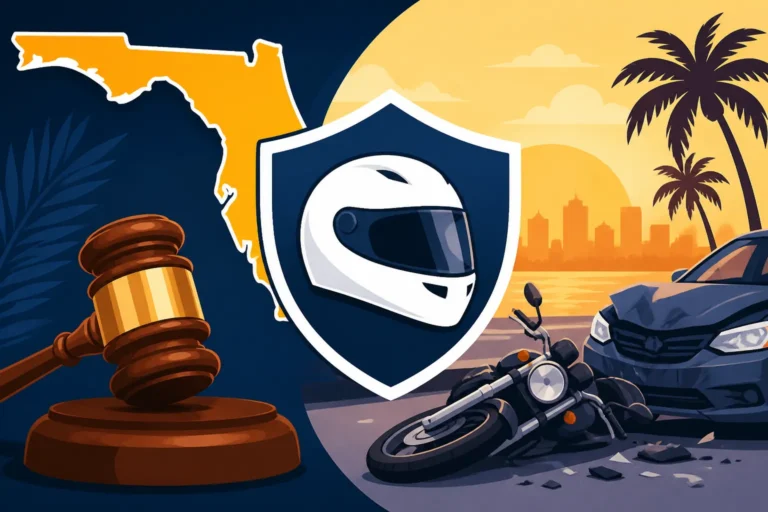
Navigating the legal landscape after a motorcycle accident can feel like trying to ride through a dust storm blindfolded. When it comes to helmets, Texas has some unique rules that aren't quite "universal," and understanding them is crucial, not just for your safety, but for any potential accident claim. Unlike some states with blanket requirements, Texas operates under a more nuanced system, often referred to as a "partial" helmet law.
The Over 21 Rule and Financial Responsibility
For riders aged 21 and older, Texas law provides a choice, but it comes with strings attached. You're generally exempt from mandatory helmet use if you meet specific criteria related to financial responsibility. This isn't just a casual suggestion; it's a legal requirement. Essentially, if you choose to ride without a helmet as an adult in Texas, you must be covered by an insurance policy that provides at least $10,000 in medical benefits for injuries sustained in a motorcycle accident. This is detailed in the Texas Transportation Code, Section 661.003.
This provision is a double-edged sword. On one hand, it grants adult riders a level of personal freedom many appreciate. On the other, it places the onus squarely on the rider to ensure they have the proper financial safety net in place. If you're involved in a crash and weren't wearing a helmet, and you can't prove you had this specific medical benefits coverage, you could face penalties and seriously complicate your accident claim. It's not just about getting a ticket; it's about potentially undermining your ability to recover damages if you're injured.
Age-Based Requirements and Exemptions
The law shifts significantly for younger riders in the Lone Star State. If you're under the age of 21, the choice isn't yours to make—you are legally required to wear a helmet, no exceptions. This universal requirement for younger riders is a clear measure designed to protect those considered more vulnerable and less experienced on the road. The statute doesn't discriminate based on your insurance status or riding experience; if you're under 21, that helmet needs to be securely fastened.
What does this mean in a practical sense? If a rider under 21 is involved in an accident and wasn't wearing a helmet, they're not just facing a potential citation from law enforcement. Their non-compliance with the law can become a significant factor in any subsequent injury claim, potentially affecting their ability to recover damages for their injuries, particularly head injuries. Insurance companies will absolutely use this against you, arguing that your injuries would have been less severe had you followed the law. It’s a tough reality, but it’s the legal playing field we're on here in Texas.
The Impact of Helmet Use on Your Motorcycle Accident Claim
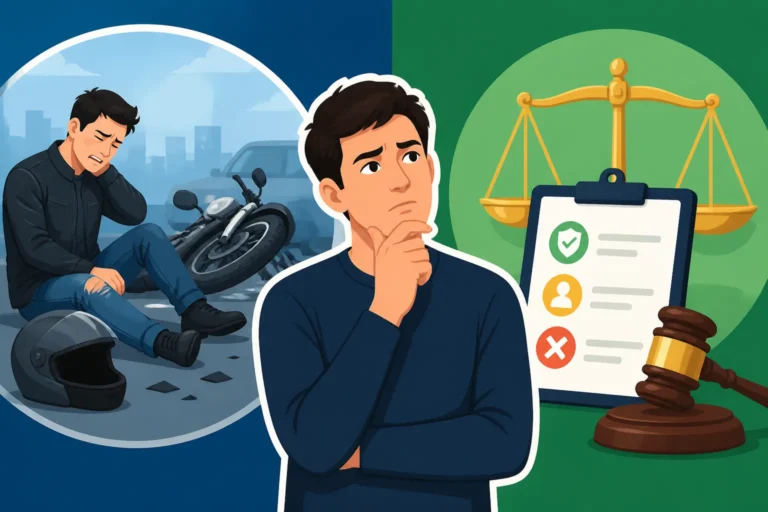
After a motorcycle crash, when you're trying to heal and make sense of the chaos, the question of helmet use often looms large, especially concerning your accident claim. It's not just about what the law says you should have done; it's about how that decision—or lack thereof—can directly affect the compensation you might receive. Insurance companies, frankly, are always looking for ways to minimize their payout, and your helmet status can be one of their most potent arguments.
The Helmet Defense and Comparative Fault in Texas
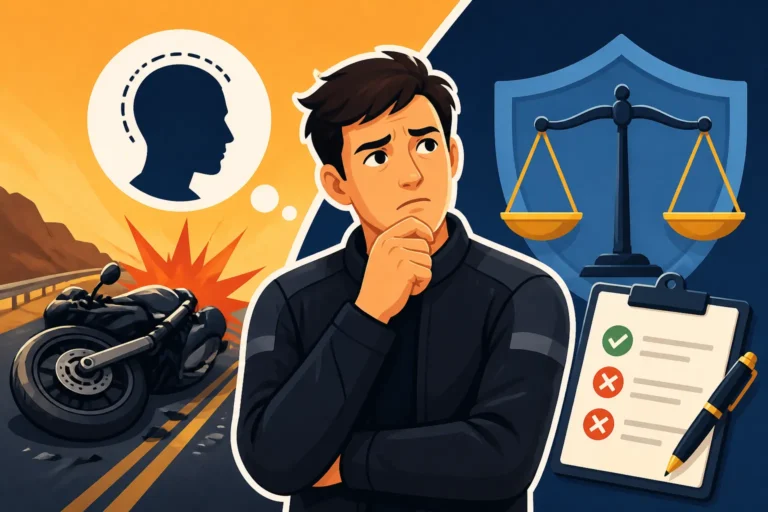
The concept known as "the helmet defense" is a tactic insurance companies and defense attorneys frequently employ. Even if the other driver was clearly at fault for the accident—maybe they made a dangerous Left-Turn Motorcycle Accidents Explained or were distracted—they might argue that your injuries, especially head injuries, would have been less severe or entirely avoided if you had worn a helmet. This argument aims to shift some of the blame for the extent of your injuries onto you, even if they concede fault for the actual collision.
Texas follows a modified comparative negligence rule, sometimes referred to as the 51% Rule. This means that if you are found to be 51% or more at fault for the accident, you cannot recover any damages. However, even if you are less than 51% at fault, your recoverable damages will be reduced by your percentage of fault. For example, if you are deemed 20% at fault for your injuries due to not wearing a helmet, and your total damages are $100,000, you would only be able to recover $80,000. This is how How Comparative Negligence Reduces Your Payout can really sting. Understanding Comparative Negligence in Motorcycle Accidents is vital for any rider in Texas. This isn't about proving you caused the accident, but rather arguing that your own actions contributed to the severity of your damages.
How Insurance Companies Leverage Non-Helmet Use
Insurance adjusters are not your friends in these situations, no matter how sympathetic they sound. Their job is to protect their company's bottom line. When they learn you weren't wearing a helmet (and were over 21 without the specific medical benefits coverage, or simply under 21), they will pounce. They'll argue that your lack of a helmet constitutes a failure to mitigate your damages. This means they'll claim you didn't take reasonable steps to prevent or minimize the injuries you suffered.
This tactic can significantly impact the value of your claim, particularly for categories like medical expenses, pain and suffering, and lost wages. For example, if you suffered a traumatic brain injury (TBI) but weren't wearing a helmet, the insurance company might argue that a DOT-compliant helmet would have prevented or greatly reduced the severity of that TBI. This could lead to them offering a substantially lower settlement amount or even denying compensation for head-related injuries entirely. This is why How Not Wearing a Helmet Affects Your Settlement is such a critical consideration in any Texas motorcycle accident claim. Even if the other driver was clearly negligent, the insurance company will try to assign some percentage of responsibility for the severity of your injuries to you, leveraging your helmet status.
Navigating Insurance After a Crash in Texas
Dealing with insurance companies after a motorcycle accident in Texas can feel like a labyrinth, especially when the nuances of helmet laws come into play. It's a high-stakes game where every piece of information, or lack thereof, can dramatically swing the outcome of your claim. Knowing what to expect and how to protect yourself is paramount.
The Adjuster's Investigation and Helmet Status
From the moment you report a motorcycle accident, the insurance adjuster assigned to the case will begin their investigation. One of their initial points of inquiry, especially in Texas, will often be about helmet use. They will ask questions about whether you were wearing a helmet, what kind of helmet it was, and if it was DOT-compliant. They might even ask for photographs of your helmet if it was damaged, or request access to medical records to look for any mention of head injuries and correlating helmet use (or non-use).
It's not just about direct questions, either. Adjusters are trained to gather details from police reports, witness statements, and even social media posts to piece together the narrative. If the police report indicates you weren't wearing a helmet, or if it mentions any head injuries, you can bet the adjuster will highlight that. They'll use this information to build a case that your injuries were preventable or exacerbated by your decision regarding head protection. This is a key part of How Insurance Companies Assign Blame to Riders even when they aren't the primary cause of the collision itself.
Protecting Your Claim: Documentation and Communication
To counter these tactics, meticulous documentation is your best defense. If you were wearing a helmet, keep it! Even if it's damaged, that damaged helmet can be powerful evidence. Take photos of your helmet immediately after the accident, showing its condition and how it was secured. If you bought it recently, keep the receipt. Quality gear from reputable retailers like Cycle Gear often comes with certifications that can be helpful to prove it was DOT-compliant.
When communicating with insurance companies, whether yours or the at-fault driver's, be extremely cautious. Remember, anything you say can be used against you. It's often best to provide only the most basic information and avoid speculating or admitting fault. Do not, under any circumstances, sign any waivers or releases without thoroughly understanding what you are signing and, ideally, consulting with a legal professional. Early settlement offers, especially for serious injuries, are often significantly lower than the true value of your claim, and signing a general release too soon could permanently waive your rights to pursue further compensation. You can find more advice on What to Do After a Motorcycle Accident to protect your claim.
Leveraging Underinsured/Uninsured Motorist Coverage
Even if you meticulously followed all Texas helmet laws and the other driver was 100% at fault, you might still face challenges if they are uninsured or underinsured. This is where your own insurance policy's Uninsured/Underinsured Motorist (UM/UIM) coverage becomes a lifeline. In Texas, insurance companies are required to offer UM/UIM coverage, although you have the right to reject it in writing. This coverage steps in when the at-fault driver either has no insurance or not enough insurance to cover your medical bills, lost wages, and other damages.
If you have UM/UIM coverage, you would file a claim with your own insurance company, and they would essentially step into the shoes of the at-fault driver's insurer. However, even when dealing with your own carrier, you might still face scrutiny regarding helmet use if it contributed to your injuries. Therefore, having robust UM/UIM coverage and understanding its role is a crucial part of your overall protection as a rider. It's another layer of defense against the unexpected financial burdens that can arise from a motorcycle crash.
Protecting Your Ride and Your Rights After a Texas Crash
Riding in Texas is a passion, and a crash can feel like a violation of that freedom. Beyond the immediate shock and injury, dealing with the aftermath—the laws, the insurance adjusters, the recovery—can be overwhelming. But there are concrete steps you can take to protect yourself and ensure you get the justice and compensation you deserve.
The Immediate Aftermath: What to Do and Document
The moments immediately following a motorcycle accident are chaotic, but what you do (or don't do) can profoundly impact your claim. First and foremost, ensure your safety and seek immediate medical attention, even if you feel fine. Some serious injuries, like Motorcycle Accident Traumatic Brain Injuries or internal bleeding, may not manifest symptoms right away. Medical records are foundational evidence for your claim, proving the link between the accident and your injuries.
Next, document everything. Take extensive photos and videos of the accident scene from multiple angles: your motorcycle, the other vehicles involved, road conditions, traffic signs, skid marks, and especially your injuries. If you were wearing a helmet, photograph it, even if it's damaged. This visible proof of impact can be invaluable. If you purchased your helmet from a reliable vendor like Cycle Gear, make sure to keep your receipt as proof of purchase and compliance. Gather contact information from any witnesses, as their statements can corroborate your account. For more detailed instructions, refer to Motorcycle Accident Evidence for Proving Fault.
The Value of Quality Gear Beyond the Law
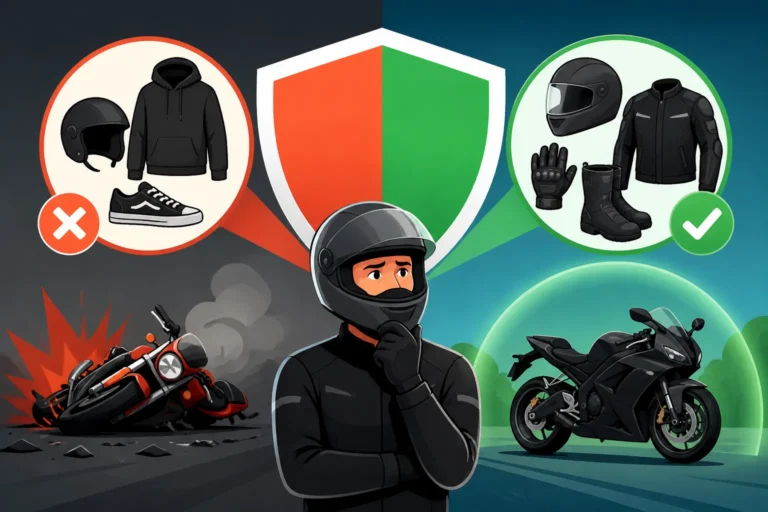
While Texas law offers a choice for adult riders regarding helmets, the practical and legal benefits of wearing a DOT-compliant helmet cannot be overstated. Helmets significantly reduce the risk of severe head injuries, which are often the most devastating and costly. Investing in a high-quality, full-face helmet from a reputable source like Cycle Gear provides not just physical protection, but also a layer of legal protection for your claim. If you were wearing a proper helmet and still suffered a head injury, it makes it much harder for insurance companies to successfully deploy the "helmet defense" against you.
Beyond helmets, consider other Motorcycle Safety Gear and Legal Protection like riding jackets with armor, gloves, and sturdy boots. While not mandated by Texas law for adults, this gear offers crucial protection against injuries like severe Road Rash Injuries and Claims and broken bones. Documenting that you were wearing appropriate gear can show you were a responsible rider who took precautions, further strengthening your position against any attempts by insurers to diminish your claim.
When to Bring in the Professionals
The legal and insurance complexities surrounding motorcycle accident claims in Texas are immense. Between understanding comparative negligence, battling the helmet defense, and negotiating with adjusters, it's easy to feel outmatched. This is precisely why considering legal representation is often the smartest move you can make. An experienced motorcycle accident attorney understands the specific nuances of Texas law, including how helmet status affects claims. They can:
- Investigate the accident thoroughly, gathering evidence you might miss.
- Deal directly with insurance companies, protecting you from their tactics.
- Accurately value your damages, including medical bills, lost wages, and pain and suffering.
- Negotiate for a fair settlement that reflects the true extent of your losses.
- Take your case to court if a fair settlement cannot be reached.
While some minor accidents might be manageable on your own, if you've suffered significant injuries, lost wages, or if fault is disputed, an attorney can be invaluable. Don't let the fear of legal fees deter you; many motorcycle accident lawyers work on a contingency fee basis, meaning they only get paid if you win your case. Knowing when Do You Need a Motorcycle Accident Lawyer can make all the difference in the outcome of your claim. They can help you understand How Motorcycle Accident Settlements Are Calculated and ensure you're not leaving money on the table.
Motorcycle Helmet Law and Insurance Insights
Here’s a quick overview of how Texas helmet laws interact with your insurance claim:
| Factor | Under 21 Rider (Mandatory Helmet) | Over 21 Rider (Optional Helmet) | Impact on Insurance Claim |
|---|---|---|---|
| Helmet Requirement | Universal | Optional if financially responsible or have specific medical insurance | Non-compliance can be used as evidence of comparative fault for injury severity. |
| Financial Responsibility | Not applicable for helmet choice | Required to have at least $10,000 medical benefits for helmet exemption | Lack of this insurance for non-helmet wearers can lead to penalties and complicate claims. |
| "Helmet Defense" | Highly applicable if no helmet and head injury | Applicable if no helmet and head injury | Insurance companies will argue injuries would have been less severe with a helmet, reducing your compensation. |
| Comparative Negligence | Non-compliance can increase fault percentage | Non-compliance can increase fault percentage | Your total damages can be reduced by your assigned percentage of fault (e.g., for not mitigating injuries). |
| Evidence Needed | Police report, medical records | Police report, medical records, proof of medical insurance coverage | Documentation of helmet use (or lack thereof) and injury correlation is critical for both sides. |
Ultimately, while Texas offers a degree of freedom regarding helmet use for adult riders, that freedom comes with significant responsibilities and potential consequences in the event of an accident. Prioritizing safety by wearing a DOT-compliant helmet is always the wisest choice, both for your well-being and the strength of any future personal injury claim.
Disclaimer
The information provided in this guide is intended for general informational purposes only and does not constitute legal advice. Motorcycle accident laws, including helmet laws and insurance regulations, can be complex and vary by state and specific circumstances. It is highly recommended that you consult with a qualified legal professional for advice tailored to your individual situation after a motorcycle accident.