Motorcycle License Requirements by State
For motorcycle enthusiasts, few things are as exhilarating as the open road, but that feeling can quickly turn to frustration when you're trying to figure out the maze of different motorcycle license requirements across various states. It's not just a matter of hopping on and going; each state has its own specific rules for getting that coveted "M" endorsement, and misunderstanding them can lead to legal headaches. This comprehensive guide is here to untangle those complexities, giving you a clear roadmap to getting properly licensed, no matter where your journey takes you.
Demystifying Motorcycle License Basics
Before you even think about kickstarting your engine, it's crucial to understand the fundamental difference between a standard driver's license and the specific authorization you need to legally operate a motorcycle. This isn't just about having a license; it's about having the right kind of license for two wheels.
Endorsement versus Standalone License
In most parts of the United States, you won't get a separate "motorcycle license" that stands entirely on its own. Instead, what you'll typically earn is a motorcycle endorsement on your existing driver's license. This endorsement, usually denoted by an "M" or "M1" class, signifies that you've demonstrated the necessary knowledge and skills to safely operate a motorcycle in addition to a standard passenger vehicle. Think of it like a specialized stamp on your regular license.
However, there are exceptions. Some states, like California with its Class M1 and M2 licenses, or specific scenarios where a person might only want to operate a motorcycle and not a car, might offer a standalone motorcycle license. A Class M1 license in California, for instance, allows you to operate any two-wheel motorcycle, while an M2 is typically for mopeds or motorized bicycles. It’s a subtle but important distinction that often depends on the state and the type of motorized two-wheeler you intend to ride. Understanding the nuances between a motorcycle endorsement vs license explained can save you a lot of confusion.
Provisional Permits and Learning Restrictions
For most new riders, the journey to a full motorcycle endorsement begins with a provisional permit, often called a learner's permit. This permit is your ticket to legally practicing on a motorcycle, but it comes with a strict set of rules and limitations designed to keep you safe while you're still developing your skills. These restrictions can vary significantly from state to state, but commonly include:
- No Night Riding: Many states prohibit permit holders from riding after sunset or during specific nighttime hours. This is because visibility is a huge factor for motorcyclists, and new riders need all the advantages they can get.
- No Passenger Rule: Carrying a passenger adds a whole new dimension of balance and control, so most permits forbid new riders from having anyone else on the bike.
- Helmet Requirement: While some states have partial helmet laws, provisional permit holders are almost universally required to wear a DOT-compliant helmet, regardless of age or the state's general laws. This is a critical safety measure.
- Highway Restrictions: Some permits might prevent you from riding on high-speed roadways or freeways until you've gained more experience.
- Supervision: In certain areas, especially for younger riders, you might need to be supervised by a licensed motorcyclist of a certain age or experience level.
For example, in Texas, a Class M instruction permit allows you to ride only during daylight hours, prohibits passengers, and requires a helmet. You generally need to hold this permit for a certain period, like six months, before you can apply for a full endorsement. These permits are crucial stepping stones, ensuring that new riders get supervised practice before they hit the open road independently.
A Deep Dive into State-Specific Licensing Laws
The beauty of riding across state lines quickly turns into a logistical puzzle when you consider the patchwork of motorcycle license requirements that exist throughout the U.S. There's no single federal motorcycle license, meaning what's required in California might be different from what's needed in Florida or New York.
How States Approach Age and Training Requirements
Age is one of the most common differentiators in state motorcycle licensing laws. While 16 is a frequent minimum age for a motorcycle permit, many states require riders to be 18 to obtain a full, unrestricted motorcycle endorsement. For example, in New York, you can get a learner's permit at 16, but full licensure often requires holding that permit for a minimum of six months and passing both a written and road test.
Training requirements also vary wildly. Some states, like Oregon, mandate that all new riders complete an approved motorcycle safety course (such as those offered by the Motorcycle Safety Foundation, or MSF) to obtain their license. This course often waives the need for a separate riding skills test at the DMV, streamlining the process while also greatly enhancing rider safety. Other states, like Alabama, don't require a course but offer it as an option to waive the riding test, and sometimes even the written test. These courses teach fundamental skills, hazard perception, and emergency maneuvers – invaluable knowledge whether required or not. Equipping yourself with the right gear, from helmets to riding jackets, is also often emphasized in these courses, and places like Cycle Gear are great resources for finding all the essential protective equipment. You can learn more about specific requirements in our guide on Motorcycle Helmet Laws by State.
Examples from Key Riding States
Let's look at a few popular riding destinations to highlight the differences:
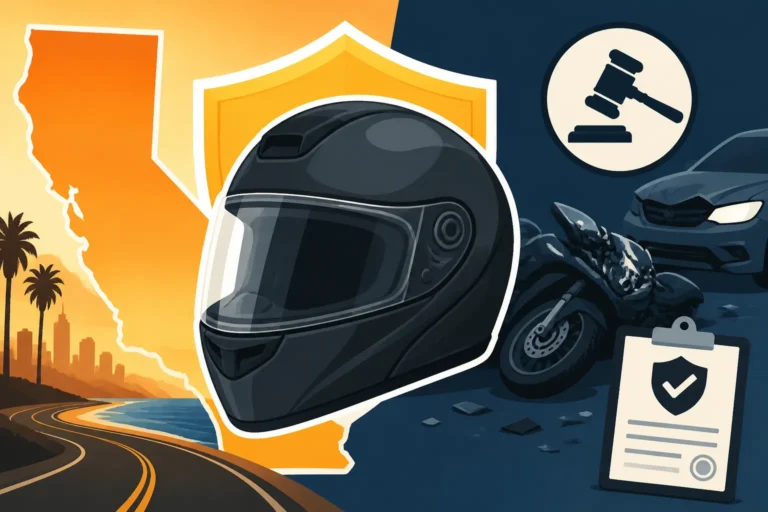
- California: As a state with year-round riding weather and a massive riding community, California has a universal helmet law and relatively strict licensing requirements. To get a Class M1 license (for two-wheel motorcycles and motor-driven cycles), riders under 21 must complete a California Highway Patrol (CHP) approved motorcycle training course. Those 21 and over can either complete the course or pass a written knowledge test and a riding skills test at the DMV. For many, the course is the preferred route, as it often waives the notoriously challenging DMV riding test.
- Florida: Florida is known for its scenic routes and rider-friendly climate. To get a motorcycle endorsement, all riders 16 years or older must complete a Basic RiderCourse (BRC) offered by the Florida Rider Training Program (FRTP). After completing the course, you'll receive a certificate which you then present to the DMV. There's no separate written or riding skills test at the DMV if you complete the course. This standardized approach ensures a baseline of safety training for all new riders.
- New York: In New York, you typically start with a motorcycle learner's permit, which requires passing a written knowledge test. After holding the permit for at least six months (or less if you complete an approved course), you can then take a motorcycle road test. If you complete an MSF course approved by the state Department of Motor Vehicles, you can often waive the road test requirement, which is a popular option given the practical challenges of demonstrating riding skills in a DMV setting.
- Texas: Texas also uses the endorsement system. If you're 18 or older, you need to either complete a motorcycle safety course and apply for your license, or pass a written test and a skills test at the DMV. For those aged 15-17, completion of an approved motorcycle safety course is mandatory, along with parental consent and holding a provisional license for a specific period. The flexibility for adult riders is a notable aspect here.
As you can see, even among just these few states, the path to getting your motorcycle license varies significantly. It’s always best to check with your specific state's Department of Motor Vehicles (DMV) or equivalent agency for the most up-to-date and precise information.
The Road to Your Motorcycle License Step-by-Step
Getting your motorcycle license isn't an overnight process, but it's a clear path with distinct stages. Approaching it systematically will not only make it smoother but also help you become a more confident and safer rider.
Preparing for the Written Knowledge Test
Every state requires you to pass a written knowledge test to demonstrate your understanding of traffic laws specific to motorcycles, safe riding practices, and general road rules. This isn't just a formality; it's designed to ensure you understand the unique challenges and responsibilities of riding a motorcycle. The official motorcycle operator manual for your state is your primary study guide. These manuals are usually available for free online on your state's DMV website.
Here's what to focus on:
- Motorcycle-Specific Laws: This includes things like lane-splitting (where legal), following distances, proper use of signals, and rules about passengers.
- Hazard Perception: Questions often cover how to scan for hazards, recognize dangerous road conditions (like gravel or potholes), and anticipate other drivers' actions.
- Safe Riding Techniques: You'll be tested on concepts like defensive riding, proper braking techniques, cornering, and emergency maneuvers.
- Rider Responsibility: This can include questions about impairment (drinking and riding) and the importance of proper riding gear. Our article on Motorcycle Gear Laws and Requirements can provide more details here.
Many online resources offer practice tests, which can be invaluable for familiarizing yourself with the format and types of questions you'll encounter. Don't underestimate this step; a solid understanding of the rules of the road is the foundation of safe motorcycling.
Mastering the Riding Skills Test (or MSF Course)
Once you've aced the written test and obtained your provisional permit, it's time to prove you can actually ride. This typically involves either passing a practical riding skills test at the DMV or completing an approved motorcycle safety course.
The riding skills test at the DMV is designed to assess your ability to control a motorcycle in various low-speed maneuvers and demonstrate basic street riding proficiency. Common elements often include:
- Cone Weave: Testing your slow-speed control and balance.
- Figure Eight: Demonstrating tight turning and balance in both directions.
- Normal Stop: Showing your ability to stop smoothly and in a controlled manner.
- Quick Stop: Assessing your emergency braking skills.
- Obstacle Avoidance: Testing your ability to swerve around an unexpected object.
The DMV will often require you to provide your own helmet and motorcycle for the test. Many riders find these tests intimidating due to the pressure and the often-tight parameters.
This is where the Motorcycle Safety Foundation (MSF) Basic RiderCourse (BRC) comes in. For many, this is the preferred route. The BRC is a nationally recognized course taught by certified instructors, usually over a weekend. You'll learn fundamental riding skills on provided motorcycles in a controlled environment. The curriculum covers everything from starting and stopping to advanced braking and swerving.
The major benefit? In many states, successfully completing the BRC will waive the DMV riding skills test. Not only does this save you from the stress of a formal DMV test, but you also gain invaluable skills from experienced instructors. Plus, many insurance companies offer discounts for riders who complete an MSF course, and you can pick up any last-minute safety gear at places like Cycle Gear before you hit the course. This investment in training not only makes you a safer rider but can also lead to long-term savings and peace of mind.
Important Considerations for Every Rider
Once you've got that shiny new "M" endorsement, the learning doesn't stop. There are always more things to consider, especially when life takes you on new adventures or unexpected turns.
Transferring Your License Across State Lines
Moving to a new state can bring a mix of excitement and administrative hurdles, and your motorcycle license is definitely one of those. Generally, if you move from one state to another and already possess a valid motorcycle endorsement, transferring it to your new state's driver's license is usually a straightforward process. Most states have reciprocity, meaning they will honor a valid license from another state.
However, it's critical to understand that "straightforward" doesn't mean "automatic." You'll typically need to:
- Visit the New State's DMV: This is almost always a requirement. You can't just keep riding on your old license indefinitely.
- Provide Proof of Residency: You'll need documents like utility bills, lease agreements, or other official mail to prove you live in the new state.
- Present Your Current License: Your existing motorcycle-endorsed license from your previous state will be key.
- Pass a Written Test: While some states may waive the riding skills test if you have an existing endorsement, many will require you to pass a written knowledge test specific to their state's traffic laws. This ensures you're familiar with any local nuances in motorcycle regulations or general driving rules.
- Pay Fees: Expect to pay various application and licensing fees.
For example, if you move from California to Texas, your California M1 endorsement will likely be recognized, but you'll still need to visit the Texas Department of Public Safety (DPS), present your California license, show proof of Texas residency, and likely pass a Texas-specific written knowledge test before they issue you a Texas driver's license with a motorcycle endorsement. Don't drag your feet on this; there's usually a grace period, often 30-90 days, within which new residents must obtain a local license. Failing to do so can lead to citations or complications if you're involved in an incident.
The Consequences of Riding Without a Proper License
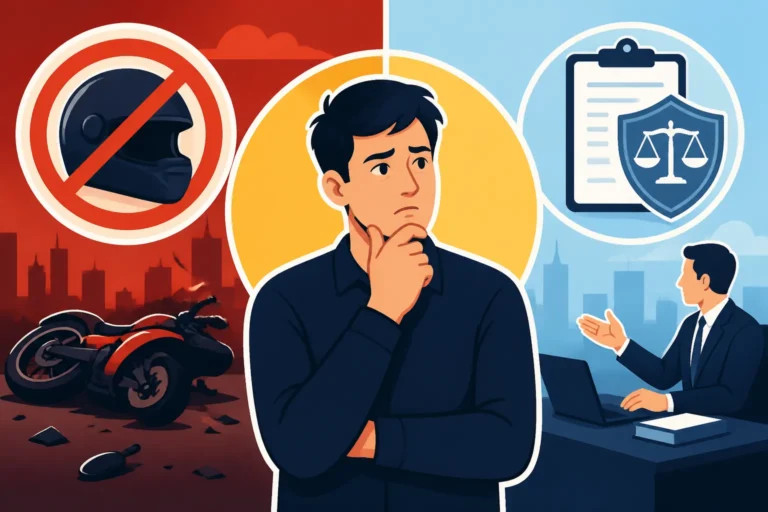
Riding without the correct motorcycle endorsement or a valid learner's permit is a serious offense with potentially severe consequences. It's not just a minor traffic ticket; it can impact your finances, your legal standing, and even your ability to recover damages if you're involved in an accident.
- Fines and Penalties: Expect significant fines, and potentially court appearances. Repeated offenses can lead to even harsher penalties, including vehicle impoundment.
- Insurance Issues: This is a big one. If you're involved in a crash while riding unlicensed, your insurance company could deny your claim, leaving you personally responsible for all damages, including medical bills, property repair, and any liability to other parties. This applies not only to your motorcycle insurance but potentially to your auto insurance as well. Our detailed guide on Riding Without a License and Your Claim dives deeper into these repercussions.
- Legal Liability in Accidents: Even if the other driver is clearly at fault in a collision, riding without a proper license can be used against you. In states with comparative negligence laws, your lack of a license could be argued as a contributing factor to your damages or injuries, potentially reducing your settlement amount significantly. It gives the opposing party an easy argument to assign a percentage of fault to you, regardless of the primary cause of the accident.
- Increased Risk of Accidents: Ultimately, the licensing process exists for a reason: to ensure riders have the basic knowledge and skills to operate a motorcycle safely. Skipping this process means you might lack crucial understanding of defensive riding techniques, emergency maneuvers, and traffic laws specific to motorcycles, putting yourself and others at much higher risk. This is why following all Motorcycle Safety Gear and Legal Protection guidelines is so critical.
The bottom line is that while it might seem like a hassle, taking the time to properly obtain your motorcycle license is a non-negotiable step for any responsible rider. It protects you legally, financially, and most importantly, enhances your safety on the road.
| State | Minimum Permit Age | Training Course Required (New Riders) | Skills Test Waived by Course? | Helmet Law for All Riders? |
|---|---|---|---|---|
| California | 15.5 | Yes (Under 21) | Yes | Yes |
| Florida | 16 | Yes (All Ages) | Yes | No (Optional after 21 w/ ins) |
| New York | 16 | No (Optional) | Yes | Yes |
| Texas | 15 | Yes (15-17), Optional (18+) | Yes | Yes |
| Pennsylvania | 16 | No (Optional) | Yes | No (Optional after 21 w/ 2 yrs exp) |
Disclaimer: This table provides general information and may not reflect every nuance of state law. Always consult your state's official DMV website for the most current and comprehensive regulations.
Disclaimer
The information provided in this guide is for general informational purposes only and does not constitute legal advice. Motorcycle licensing laws and requirements are subject to change and vary by state. It is essential to consult with your state's Department of Motor Vehicles (DMV) or a qualified legal professional for accurate and up-to-date information regarding your specific situation. Reliance on any information on this site is solely at your own risk.