How Medical Liens Get Paid from a Settlement
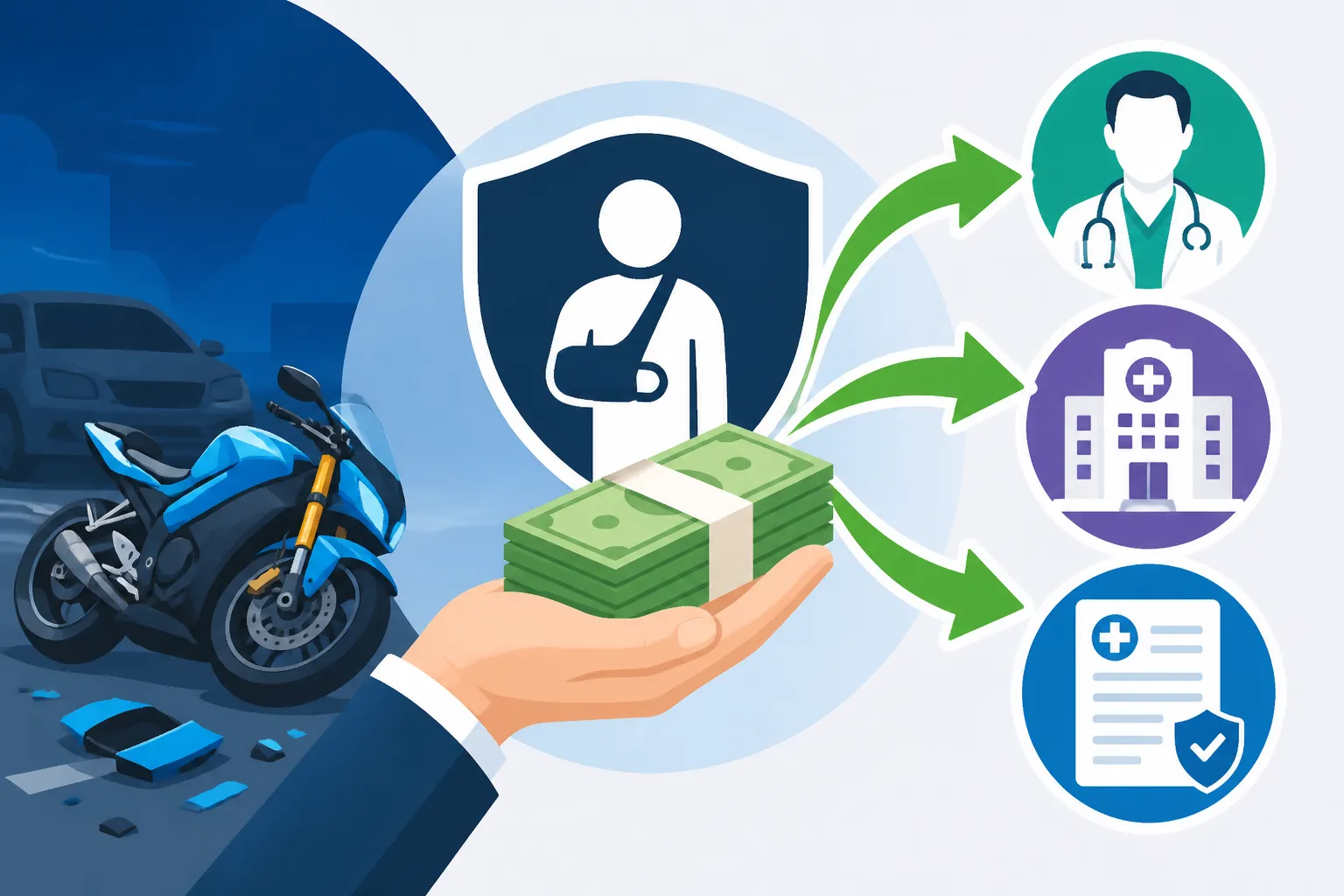
It’s a tough road after a motorcycle accident. Beyond the immediate pain and shock, riders often face a mountain of medical bills that pile up faster than you can say "recovery." Many injured riders wonder how they'll ever pay for emergency room visits, surgeries, and ongoing therapy, especially when dealing with insurance companies. This comprehensive guide will walk you through the often-confusing process of how medical liens get paid from your motorcycle accident settlement, offering clarity and practical insights.
Understanding Medical Liens in Motorcycle Accident Claims
When you're involved in a motorcycle accident and sustain injuries, the focus is rightly on getting well. However, behind the scenes, a complex financial dance begins with your healthcare providers. This is where medical liens come into play, and understanding them is crucial for protecting your financial future.
What Exactly Is a Medical Lien?
At its core, a medical lien is a legal claim placed on your future motorcycle accident settlement or judgment by a healthcare provider or insurer. Think of it as a formal "IOU" that says, "We've provided you medical care, and we expect to be reimbursed from any money you receive from the at-fault party's insurance." It gives the lienholder a legal right to a portion of your settlement before the funds are disbursed to you.
Why do they do this? Because accident-related medical care can be incredibly expensive. Hospitals, doctors, and even your own health insurance company want to ensure they get paid for the services rendered. If you're going through a personal injury claim, these providers know that there's a potential for a financial recovery, and a lien is their way of securing their place in line. It's a system designed to protect them, but it can feel overwhelming for an injured rider already dealing with so much.
Why Healthcare Providers File Liens
Healthcare providers, from the trauma center to the physical therapist, are businesses, and like any business, they need to ensure their services are compensated. When you're brought into an emergency room after a crash, the immediate priority is your life and well-being, not payment. However, once you're stable, the billing process begins. If you don't have health insurance, or if your health insurance denies coverage for accident-related care (which sometimes happens if they believe another party is responsible), the medical provider might file a lien directly against any future settlement.
Even if you have health insurance, your insurer often has a right of "subrogation" – meaning they have the right to seek reimbursement from the at-fault party's insurance for the medical bills they paid on your behalf. They don't want to be left footing the bill if someone else was responsible for your injuries. This legal mechanism, sometimes called a contractual lien, ensures they can recover their costs. Without these mechanisms, many providers might hesitate to offer extensive care to uninsured accident victims, or health insurance premiums would skyrocket to cover these unrecovered costs. It's a complex system, but it's fundamentally about ensuring payment for services provided.
The Legal Basis for Medical Liens
Medical liens aren't just something a hospital decides to do on a whim; they're rooted in law. Generally, there are two main categories: statutory liens and contractual liens.
- Statutory Liens: These are created by state or federal law. For example, many states have specific "hospital lien" statutes that allow hospitals to file a lien against a personal injury settlement for the cost of emergency and acute care. These laws often dictate how the lien must be filed (e.g., notice to the patient and the at-fault party's insurance company), what it can cover, and sometimes even caps on the amount. Similarly, government-funded programs like Medicare and Medicaid have powerful federal statutes that grant them a right to recover payments for accident-related care. They often pursue these liens aggressively, and ignoring them can lead to significant problems down the line.
- Contractual Liens: These arise from agreements, most commonly your private health insurance policy. When you sign up for health insurance, there's usually a clause in the fine print about "subrogation" or "reimbursement." This clause states that if your injuries are caused by a third party, your insurer has the right to be repaid from any settlement you receive from that third party's insurance. So, while they pay your medical bills upfront, they do so with the expectation that they'll get that money back if a settlement is reached. These contractual obligations are legally binding and form a significant part of the lien landscape.
Understanding these legal bases is important because it dictates how each lien operates and what rights and obligations you (and your attorney) have when dealing with them.
Different Types of Medical Liens You Might Encounter
After a motorcycle accident, you might find yourself facing various types of medical liens, each with its own rules and implications. It’s not a one-size-fits-all situation, and understanding who holds the lien and why is the first step in managing them effectively.
Hospital Liens
When you're rushed to the emergency room after a serious motorcycle crash, the hospital's priority is your immediate treatment. However, once you're stable, the billing department begins its work. Many states have specific hospital lien laws that allow hospitals to assert a claim against any personal injury settlement you might receive. For instance, in states like California, Texas, and Florida, hospitals have robust lien statutes that enable them to file a formal lien for the cost of their services.
The process typically involves the hospital sending a notice of lien to you, your attorney (if you have one), and the at-fault driver's insurance company. This notice officially puts everyone on alert that the hospital expects to be paid directly from any settlement funds. These liens usually cover emergency treatment, surgical procedures, and in-patient care. It's important to remember that these are statutory rights for the hospital, and they generally need to be satisfied before you receive any money from your settlement. Neglecting a valid hospital lien can lead to the hospital pursuing you directly for payment, even after your case settles.
Private Health Insurance Subrogation Claims
Perhaps one of the most common types of "liens" (though technically often called a subrogation claim) comes from your own private health insurance provider. When your health insurer pays for your accident-related medical treatment, they do so with the expectation that if a third party is found responsible for your injuries, they have the right to be reimbursed from any settlement or judgment you receive. This is known as subrogation.
Your insurance policy, which you likely signed without reading every single clause, contains provisions outlining this right. They will typically send you or your attorney a letter informing you of their subrogation interest and requesting information about your accident claim. They want to know if you're pursuing a personal injury claim and, if so, they’ll want a full accounting of all accident-related medical bills they’ve paid. The amount they seek to recover can be significant, as they will typically pursue the full amount they paid out. Navigating these claims requires careful attention to the terms of your specific health insurance policy and understanding the interplay between your health coverage and the at-fault driver’s liability coverage.
Medicare and Medicaid Liens
If you receive healthcare benefits through federal programs like Medicare or state programs like Medicaid, these agencies have a formidable right to seek reimbursement for accident-related medical care. Unlike private insurance, their right to recovery is backed by federal law, specifically the Medicare Secondary Payer (MSP) Act for Medicare, and similar statutes for Medicaid. These laws make Medicare and Medicaid "secondary payers" when another party is responsible for your injuries, meaning they expect the at-fault party's insurance to pay first.
The process with Medicare and Medicaid is often more complex and rigid than with private insurers. They will typically issue a "Conditional Payment Letter" (CPL) outlining the medical services they’ve paid for and their preliminary demand for reimbursement. It's crucial to respond to these letters and ensure that only accident-related expenses are included. Once your case is nearing settlement, they will issue a "Final Demand Letter," which must be satisfied. Ignoring a Medicare or Medicaid lien is a serious mistake, as the government can pursue recovery directly from you, and in some cases, even from your attorney. Getting this right is vital for avoiding future headaches and potential legal repercussions.
Workers' Compensation Liens
Should your motorcycle accident occur while you were on the clock, performing duties related to your employment, you might be eligible for workers' compensation benefits. If workers' comp pays for your medical treatment and lost wages, they too will almost certainly have a lien against any personal injury settlement you obtain from the at-fault driver. This is because workers' comp is designed to cover work-related injuries, but they won't pay if another party is ultimately responsible.
The workers' compensation insurance carrier will typically file a lien for all the medical expenses they've covered and any disability benefits paid out. This means that if you receive a settlement from the driver who hit you, the workers' comp insurer will expect to be reimbursed from that settlement. This can sometimes feel like a double whammy: you're injured, your workers' comp pays, but then that payment reduces your personal injury payout. Managing a workers' compensation lien alongside a personal injury claim requires careful coordination, as both systems have specific rules about how reimbursement occurs and how potential overlaps in compensation are handled.
How Medical Liens Impact Your Settlement
The presence of medical liens can dramatically affect the actual amount of money you take home after your motorcycle accident claim settles. It's a reality that often catches injured riders by surprise, transforming a seemingly large settlement into a more modest net recovery.
Reducing Your Net Payout
This is perhaps the most direct and often most frustrating impact of medical liens. When an insurance company agrees to a settlement amount for your motorcycle accident claim, that figure represents the gross settlement. From that gross amount, several deductions are made before you receive your portion. These typically include attorney fees, litigation costs, and, crucially, all outstanding medical liens.
Imagine your motorcycle accident settlement is for $100,000. While that sounds like a substantial sum, if your attorney's fees are one-third ($33,333), case costs are $5,000, and your medical liens (from the hospital, your health insurer, and maybe even an ambulance service) total $20,000, you're looking at $58,333 being paid out before a penny reaches you. Your net recovery in this hypothetical scenario would be $41,667. This isn't to say a settlement isn't worthwhile, but it illustrates how quickly the gross amount can shrink. This reality can be a bitter pill to swallow, especially when you're still dealing with the long-term effects of your injuries. Understanding How Medical Bills Affect Your Settlement from the outset can help you set more realistic expectations.
The "Helmet Defense" and Lien Impact
In many states, if you were not wearing a helmet at the time of your motorcycle accident, the opposing side (the at-fault driver and their insurance company) might try to use what's known as the "helmet defense." This defense argues that some or all of your head injuries could have been prevented or mitigated had you been wearing a DOT-compliant helmet. Even in states with Motorcycle Helmet Laws by State that don't mandate helmets for all riders, this defense can be raised.
If successful, this argument can reduce the overall value of your settlement, as a jury might assign some percentage of fault or responsibility for your injuries to you. For instance, if you sustain a severe head injury and the jury determines your failure to wear a helmet contributed 20% to the severity of that injury, your total compensation might be reduced by 20%. This reduction directly impacts the pool of money from which medical liens are paid. A smaller overall settlement means less money to go around, potentially leading to more contentious negotiations with lienholders or a significantly reduced net payout for you. Understanding How Helmet Laws Affect Your Accident Claim is crucial here.
Challenges in Disputed Liability Cases
Medical liens become even more challenging when the question of fault in your motorcycle accident is disputed. When the other driver's insurance company refuses to accept full responsibility, or if there's an argument that you, the rider, contributed to the accident, your total potential settlement amount can be significantly diminished. This situation often arises in complex scenarios like Lane Splitting and Motorcycle Accident Liability or Left-Turn Motorcycle Accidents Explained.
In states that follow comparative negligence rules, like California or Texas, your recovery can be reduced by your percentage of fault. For example, if your total damages are $100,000 but you're found 25% at fault, your maximum recovery drops to $75,000. This is where How Comparative Fault Reduces Your Payout becomes critically important. When the settlement pool is smaller due to shared fault, the medical liens still demand payment. This creates a squeeze: the lienholders still want their full amount, but the overall fund is reduced. In such cases, negotiating with lienholders becomes absolutely critical, as they might be more willing to reduce their demands rather than risk getting nothing if the case goes to trial and liability remains uncertain or adverse to your position.
Strategies for Negotiating Medical Liens
Dealing with medical liens can feel like a daunting task, as if you're stuck between a rock and a hard place: the at-fault driver's insurance offering a settlement and the lienholders demanding their cut. However, it's important to know that liens are often negotiable. The goal, always, is to maximize your net recovery while ensuring all legal obligations are met.
Why Negotiation is Crucial
Think of negotiation as a balancing act. On one side, you have the lienholders, who want to recover as much as possible for the services they provided or paid for. On the other side, you have your rightful compensation for your injuries, pain, and suffering. If every lien were paid at its full, original amount, many injured riders would be left with very little, or even nothing, after a settlement. This isn't fair, especially when you've endured physical trauma and financial strain.
Lienholders, whether they're hospitals, private insurers like Blue Cross Blue Shield, or government entities like Medicare, understand that a personal injury settlement is a finite resource. They also know that sometimes, accepting a reduced amount is better than risking getting nothing if a case goes to trial and the outcome is uncertain, or if the available insurance coverage is insufficient. By negotiating, you (or more effectively, your attorney) can argue for a reduction in the lien amount, allowing more of the settlement money to go directly to you, the injured party. This process ensures that both parties compromise, leading to a more equitable distribution of the settlement funds. Understanding How to Negotiate a Motorcycle Accident Settlement effectively is key to a fair outcome.
Common Negotiation Tactics
Successful lien negotiation often involves a combination of legal arguments, strategic communication, and a clear understanding of financial realities. Here are some common tactics:
- Highlighting Shared Fault or Weaknesses: If there's any dispute about liability, or if Shared Fault in Motorcycle Accidents played a role, this can be a powerful negotiating point. Your attorney can argue to the lienholder that because liability was contested, the settlement amount was reduced, and therefore, their lien should also be reduced proportionally. For example, if the jury determined When a Rider Is Partially at Fault, this can significantly reduce the overall settlement.
- Emphasizing Financial Hardship: While not always legally binding, presenting a clear picture of your ongoing medical needs, lost income, and overall financial strain can sometimes sway a lienholder to be more flexible. Showing that taking the full lien amount would leave you unable to cover future medical care or living expenses can appeal to their discretion, particularly with private entities.
- Pro-Rata Reduction: In situations where the total settlement amount isn't enough to cover all damages and all liens, a pro-rata reduction may be sought. This means each lienholder takes a proportional cut, ensuring no single entity takes the lion's share, and the injured party still receives some compensation.
- Statutory Caps and Common Fund Doctrine: Some state laws impose limits on how much a hospital can recover through a lien. Your attorney will know these caps and use them. Additionally, the "common fund doctrine" (recognized in some jurisdictions) allows for a reduction in the lien amount to account for the attorney fees and costs incurred in securing the settlement from which the lienholder benefits. After all, if the attorney hadn't recovered the money, the lienholder wouldn't have anything to collect from.
The Role of an Attorney in Lien Negotiation
Attempting to negotiate medical liens on your own after a motorcycle accident is akin to trying to fix your bike's engine with a butter knife – it's likely to be ineffective and could cause more problems. This is precisely why an experienced motorcycle accident attorney is indispensable. They don't just help you prove fault and secure a settlement; they are experts in managing the complex web of medical liens.
An attorney brings several critical advantages to the negotiation table:
- Legal Expertise: They understand the specific laws governing each type of lien (hospital, Medicare, Medicaid, private insurance) in your state. They know what can and cannot be legally claimed, and how to challenge illegitimate charges.
- Negotiation Experience: Attorneys have established relationships with lien resolution departments of major hospitals and insurance companies. They speak the language of adjusters and subrogation specialists, enabling them to secure reductions that an individual likely couldn't. They know the leverage points, such as the risk of litigation for the lienholder if a settlement isn't reached.
- Protection Against Overpayment: Your attorney will meticulously review every medical bill to ensure that the lien only covers accident-related treatment and that there are no duplicate charges. They will challenge any amounts that seem excessive or unrelated to your accident.
- Maximizing Net Recovery: Ultimately, an attorney's goal is to maximize the amount of money you, the client, take home. They will fight to reduce liens as much as legally and ethically possible, ensuring that the settlement truly benefits you. This is a significant part of What a Motorcycle Accident Lawyer Does, going far beyond just the initial legal proceedings. Given How Much Does a Motorcycle Accident Lawyer Cost, their ability to reduce liens can often offset a substantial portion of their fees.
The Payment Process for Medical Liens from a Settlement
Once a settlement for your motorcycle accident claim is reached, the focus shifts to the intricate process of disbursing funds and ensuring all parties, especially lienholders, are paid correctly. This stage is critical, and any missteps can lead to serious consequences down the line.
Pre-Settlement Verification and Calculation
Before any money changes hands, your attorney will undertake a rigorous process of verifying and calculating all outstanding medical liens. This isn't just a simple tally; it's a deep dive into your medical records and bills to confirm what's genuinely owed and to whom.
First, your lawyer will gather all notices of liens from hospitals, ambulance services, and other providers. They will also communicate extensively with your health insurance company, Medicare, or Medicaid to get a final accounting of all payments they've made on your behalf for accident-related care. This often involves reviewing detailed billing codes and comparing them against your injury dates and treatment records. The goal is to ensure:
- Accuracy: Are the amounts claimed correct? Are there any duplicate bills?
- Relevance: Do all claimed services directly relate to your motorcycle accident injuries, or are there pre-existing condition charges mixed in? This is vital, especially when dealing with How Pre-Existing Conditions Affect Claims.
- Legitimacy: Is the lien legally valid and properly filed according to state and federal statutes?
This painstaking process helps to establish the true amount owed, which forms the basis for negotiation. It's a testament to How to Document Injuries for a Claim – thorough records make this step much smoother.
Disbursement of Settlement Funds
Once negotiations with lienholders are complete and a final settlement amount is agreed upon, the money typically follows a specific path. The at-fault party's insurance company will issue a settlement check, usually made out to you and your attorney jointly. This check is then deposited into your attorney's client trust account (also known as an IOLTA account). This account is specially designated to hold client funds, keeping them separate from the attorney's operating funds, a crucial ethical and legal requirement.
From this trust account, the funds are disbursed in a predetermined order:
- Attorney Fees and Costs: First, your attorney's fees (typically a contingency fee, as explained in How Contingency Fees Work) and any litigation costs advanced (like expert witness fees, court filing fees, deposition costs) are paid.
- Medical Liens: Next, separate checks are issued directly from the trust account to each lienholder (hospitals, Medicare, private insurers, etc.) for the agreed-upon reduced amounts. This ensures that the lienholders are paid directly, and you're not left with the responsibility of distributing funds to them.
- Client Payout: Finally, after all fees, costs, and liens have been satisfied, a check for the remaining balance – your net settlement – is issued directly to you, the injured rider.
This structured disbursement process ensures transparency and legal compliance, protecting both you and your attorney from future claims by lienholders.
Obtaining Lien Releases
A critical, often overlooked, step in the payment process is obtaining official lien releases. Once a lienholder has received their agreed-upon payment, it's essential to get written confirmation that their lien is satisfied and that they no longer have any claim against you or your settlement.
Your attorney will proactively request and secure these lien release documents. These releases are formal legal statements from the lienholder confirming that their claim has been fully resolved and that you are discharged from any further obligation for the specific bills covered by the lien. Without these releases, even if a payment was made, there could be a lingering administrative issue or even a future attempt by the lienholder to pursue additional payment, perhaps due to internal record-keeping errors on their part. These documents serve as proof that you have met your financial obligations regarding the accident-related medical care. Maintaining copies of all lien releases is an important part of your overall financial and legal record-keeping after an accident.
Special Considerations for Medical Liens
Medical liens, while generally following a predictable path, can present unique challenges and special circumstances that riders should be aware of. Navigating these intricacies often underscores the value of experienced legal representation.
Statute of Limitations for Filing Liens
Just like personal injury claims have a statute of limitations (a deadline for filing a lawsuit), some medical liens also have specific time limits within which they must be filed to be legally enforceable. These deadlines vary significantly by state and by the type of lien. For instance, a state's hospital lien statute might stipulate that a hospital must file its lien within a certain number of days after the patient's discharge or before the settlement is disbursed, otherwise, it loses its right to recover.
For government liens, such as Medicare, the rules are primarily federal and quite strict, but there are still processes and deadlines they must adhere to. Private health insurance subrogation claims, being contractual, are governed by the terms of the policy and general contract law, which can also have time limits. Your attorney's deep understanding of these various statutes of limitations is crucial. If a lienholder misses their deadline, their claim might be invalid, potentially increasing your net settlement. Conversely, if you're unaware of these deadlines and settle your case without addressing a valid, timely filed lien, you could find yourself personally responsible for that debt later. This is another reason why it's vital to handle the overall claim within the broader The Statute of Limitations Explained for personal injury.
Protecting Your Credit and Future Healthcare
The consequences of mishandling medical liens extend beyond just your settlement check; they can significantly impact your financial reputation and access to future healthcare. Unresolved medical bills, even if they're subject to a lien, can eventually go to collections if not properly managed. A medical debt in collections can severely damage your credit score, making it harder to secure loans, mortgages, or even certain jobs in the future.
Furthermore, if a hospital or medical provider places a lien on your case and it's not satisfied, they may be less willing to provide you with future care, or they might demand upfront payment for non-emergency services. While it's illegal for an emergency room to refuse life-saving treatment, ongoing care for chronic conditions or future elective procedures could be affected. Therefore, ensuring all medical liens are properly paid and formally released isn't just about maximizing your immediate settlement; it's about protecting your long-term financial health and ensuring continued access to necessary medical care. It's a critical step in putting the accident truly behind you.
The Importance of Documentation
Throughout the entire motorcycle accident claim process, from the moment of impact to the final disbursement of funds, meticulous documentation is your best friend. This is especially true when it comes to medical bills and liens. Think of every piece of paper, every email, and every medical record as a puzzle piece that builds the complete picture of your damages and financial obligations.
You should keep comprehensive records of:
- All Medical Bills and Explanations of Benefits (EOBs): These show what providers charged and what your health insurance paid.
- Lien Notices: Any formal communication from a hospital, health insurer, Medicare, or Medicaid stating their claim.
- Correspondence with Providers and Insurers: Dates, times, and summaries of phone calls, along with copies of all letters sent and received.
- Medical Records: Doctor's notes, diagnostic reports, treatment plans – these prove the necessity and extent of your care.
This extensive paper trail serves multiple purposes. It allows your attorney to verify the accuracy of lien amounts, identify any unrelated charges, and build a strong case for negotiation. It provides the evidence needed to challenge unfair claims and ensures that when the settlement is finally disbursed, every dollar goes where it's legally and ethically supposed to go. Without proper documentation, disputing a lien or proving its satisfaction becomes incredibly difficult, leaving you vulnerable to lingering debts or legal challenges.
Comparing Different Medical Lien Types
Understanding the nuances of various medical liens can be a lot to take in. Here’s a quick overview to help clarify the key differences and considerations for each major type you might encounter after a motorcycle accident.
| Lien Type | Who Files It | Legal Basis | Typical Scope of Claims | Key Negotiation Factors | Importance of Resolution |
|---|---|---|---|---|---|
| Hospital Lien | Hospitals | State Statute | Emergency, acute, and inpatient care costs | State statutory caps, necessity of treatment, overall settlement amount, attorney fees | Crucial; can lead to direct debt collection if not satisfied. |
| Private Health Insurance | Your Health Insurer (e.g., Anthem, UnitedHealthcare) | Contractual (Subrogation Clause in policy) | All accident-related medical bills paid by them | Policy language, common fund doctrine, strength of liability case, negotiation history | Essential; can impact credit, future coverage, and lead to direct pursuit. |
| Medicare | Centers for Medicare & Medicaid Services (CMS) | Federal Law (MSP Act) | All accident-related medical bills paid by Medicare | Strict federal rules, conditional payment review, often less flexible than private plans | Absolutely critical; government can pursue you, your attorney, or other parties. |
| Medicaid | State Medicaid Agencies | Federal & State Law | All accident-related medical bills paid by Medicaid | State-specific caps, often more flexible than Medicare due to state discretion | Absolutely critical; similar government pursuit as Medicare. |
| Workers' Compensation | Workers' Comp Insurer | State Workers' Comp Statutes | Medical costs & lost wages covered by WC for work-related injury | Percentage of fault, common fund doctrine, lien reduction by statute | Critical; WC carrier has strong right of recovery; can offset future benefits. |
Disclaimer
Please remember that this article provides general information and insights into how medical liens are paid from a motorcycle accident settlement. This content is not intended as legal advice, and the laws surrounding personal injury claims and medical liens can vary significantly by state and specific circumstances. It is always recommended to consult with a qualified motorcycle accident attorney to discuss your individual situation and receive personalized legal guidance.