Settlement Timeline Step by Step
Riding a motorcycle offers unparalleled freedom, but when that freedom is abruptly interrupted by an accident, the aftermath can feel overwhelming. Dealing with physical injuries, damaged property, and the emotional toll is tough enough, let alone navigating the intricate and often confusing process of a motorcycle accident claim. This comprehensive guide will walk you through the typical step-by-step settlement timeline, helping you understand what to expect and how to protect your rights every step of the way.
Immediate Aftermath: The Crucial First Steps
The moments immediately following a motorcycle accident are chaotic, frightening, and critical. What you do right after the crash can significantly impact your health, your legal standing, and ultimately, the success of your claim. It’s a blur of adrenaline and confusion, but taking specific actions can make a world of difference.
Scene Management and Safety
Your first priority, above all else, is safety. If you're able, move yourself and your motorcycle to a safer location, away from oncoming traffic, provided doing so doesn't worsen your injuries. This might mean getting to the shoulder of the road or a nearby parking lot. Once clear, activate your hazard lights and set up any emergency flares or reflective triangles you might carry. It’s about preventing a secondary accident and ensuring emergency responders can safely access the scene.
Even if you feel okay, it’s essential to call 911 immediately. Police officers will arrive to secure the scene, direct traffic, and create an official accident report. This report is an incredibly important piece of evidence later on, documenting the initial facts, involved parties, and often, their preliminary determination of fault. Remember, never admit fault or apologize at the scene, even if you feel partially responsible. Emotions run high, and you might not have all the facts. Focus on gathering information and ensuring your safety. For a deeper dive into what you should do right after a crash, check out our guide on What to Do After a Motorcycle Accident.
Seeking Medical Attention and Documentation
Even if you believe your injuries are minor, seeking immediate medical attention is non-negotiable. Adrenaline can mask pain, and some serious injuries, like internal bleeding or a concussion, might not manifest symptoms for hours or even days. Visit an urgent care clinic, emergency room, or your primary care physician as soon as possible. Delaying medical care can not only jeopardize your health but also weaken your personal injury claim. Insurance companies often use gaps in treatment or delayed medical attention to argue that your injuries weren't severe or weren't caused by the accident.
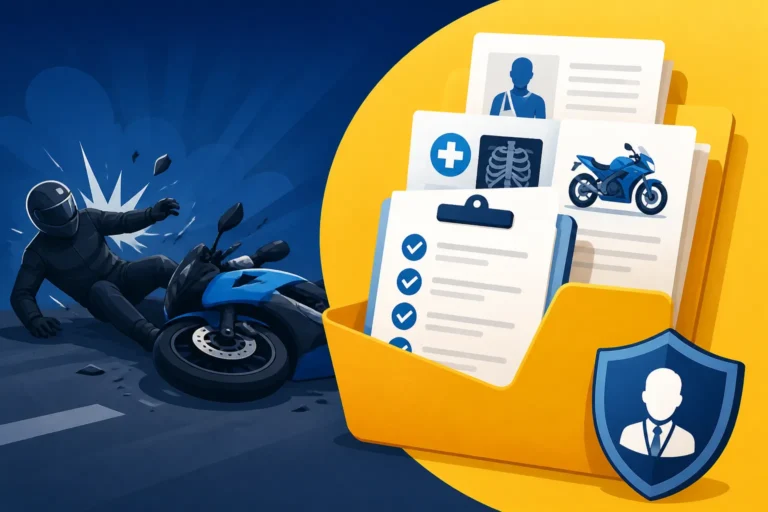
Every doctor's visit, every diagnostic test, every prescription, and every therapy session creates a paper trail that documents your injuries and their progression. This medical documentation is the bedrock of your claim, providing objective evidence of your suffering and necessary treatments. Keep meticulous records of all medical bills and receipts, as these will form a significant part of your economic damages.
Reporting the Accident and Information Exchange
After the immediate crisis has passed, you'll need to report the accident to your own insurance company as soon as reasonably possible. Most policies require prompt notification. While providing basic facts, be cautious about giving a recorded statement or discussing intricate details of fault until you've had a chance to collect yourself and possibly consult with a legal professional. Similarly, you should exchange information with the other driver involved, including their name, contact details, insurance information, driver's license number, and vehicle plate number. Take photos of everything: the scene, vehicle damage, road conditions, traffic signs, and any visible injuries.
It's also crucial to identify and get contact information from any witnesses. Eyewitness accounts can be invaluable, especially when fault is disputed, as they offer an objective perspective on what transpired. For instance, if you were involved in one of the Common Causes of Motorcycle Accidents like a driver making a left turn in front of you, a witness corroborating your story can be incredibly powerful.
Initiating Your Claim: Getting the Ball Rolling
Once the initial shock subsides and you've addressed your immediate safety and medical needs, the real work of initiating your motorcycle accident claim begins. This phase is about formalizing your claim and systematically gathering all the necessary pieces of evidence to build a strong case.
Notifying Insurance Companies
Beyond the initial notification to your own insurer, you'll likely be dealing with the at-fault driver's insurance company. They will assign a claims adjuster to your case. It's important to remember that this adjuster's primary goal is to minimize their company's payout, not to ensure you receive maximum compensation. They may seem friendly and helpful, but they are not on your side. Again, avoid giving recorded statements or signing any releases without first consulting an attorney. These actions can inadvertently harm your claim.
Your motorcycle accident attorney can handle all communications with the insurance companies on your behalf, protecting you from common tactics used to devalue claims. They understand how insurance companies operate and how they often try to assign blame to riders, even when the other driver is clearly at fault.
Gathering Essential Evidence
Building a robust claim requires comprehensive evidence. This goes beyond the immediate photos and police report. Your legal team will assist in compiling a thorough collection of supporting documents and information.
- Medical Records and Bills: As mentioned, these are paramount. They show the extent of your injuries, the treatments you've undergone, and the costs incurred. This includes everything from ambulance records and emergency room visits to specialist consultations, physical therapy notes, and prescription receipts.
- Proof of Lost Wages: If your injuries prevented you from working, you can claim lost income. This requires documentation such as pay stubs, employment verification letters, and doctor's notes stating your inability to work. If you're self-employed, tax returns, invoices, and bank statements can help prove your income loss.
- Property Damage Estimates: Get estimates for repairing or replacing your motorcycle and any damaged gear (helmet, jacket, etc.). If your bike is totaled, gather documentation of its fair market value.
- Accident Report: This official document from law enforcement provides an objective summary of the accident, including details like location, time, involved parties, and sometimes, preliminary findings of fault.
- Witness Statements: Written or recorded statements from eyewitnesses can provide crucial support, especially if the other driver's account differs from yours.
- Photos and Videos: Any visual evidence from the scene, your injuries, or vehicle damage is highly valuable.
- Traffic Camera or Dashcam Footage: If available, this can be irrefutable proof of how the accident occurred. This kind of evidence can be particularly powerful in helping to establish How Fault Is Determined in Motorcycle Accidents.
Understanding Your Damages
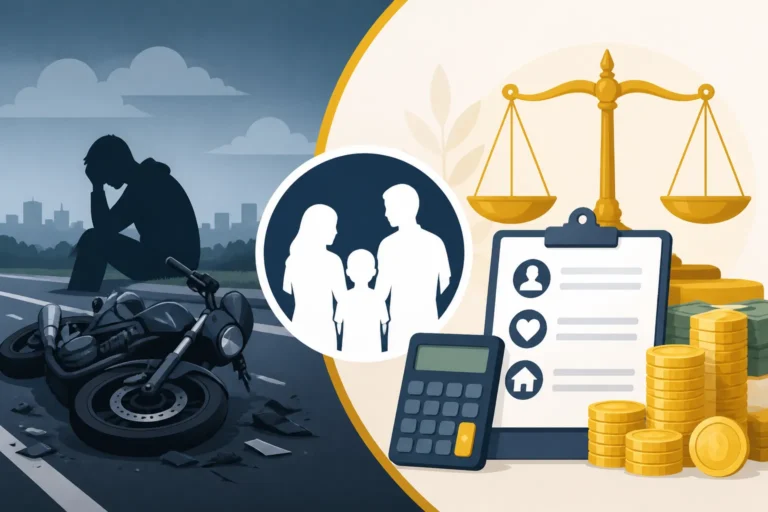
Before you can pursue a fair settlement, you need a clear understanding of the full scope of your damages. This isn't just about current medical bills; it encompasses a wide range of losses, both tangible and intangible. Generally, damages are categorized into economic and non-economic.
Economic damages are quantifiable financial losses, such as:
- Medical expenses (past and future)
- Lost wages (past and future earning capacity)
- Property damage (motorcycle repair/replacement, gear)
- Out-of-pocket expenses (transportation to appointments, adaptive equipment)
Non-economic damages are subjective losses that don't have a direct bill, but significantly impact your life:
- Pain and suffering
- Emotional distress
- Loss of enjoyment of life
- Scarring and disfigurement
- Loss of consortium (for spouses)
Understanding the different Types of Damages in a Motorcycle Accident Claim is essential for making an informed demand to the insurance company. An experienced attorney can help you calculate and articulate these damages effectively, ensuring you don't overlook any potential compensation.
Investigation and Negotiation: The Back-and-Forth
Once your initial evidence is collected, the claim moves into a more intense phase of investigation and negotiation. This is where the insurance companies thoroughly review everything, and you or your attorney will formally present your case for compensation.
The Insurance Company's Investigation
After you've submitted your claim, the at-fault driver's insurance company will launch its own investigation. This often involves their adjuster reviewing the police report, speaking to their insured, and potentially contacting witnesses. They may also attempt to contact you to get a recorded statement or ask for medical authorizations. It's crucial to defer these requests to your attorney. Insurance companies are skilled at finding inconsistencies or minor details to exploit, often trying to place a percentage of blame on the rider. Understanding How Insurance Companies Assign Blame to Riders is key here, as they often rely on negative stereotypes.
The adjuster will also examine your medical records, looking for anything that might indicate pre-existing conditions or suggest your injuries aren't as severe as claimed. This is why thorough and consistent medical documentation, as discussed in How Medical Records Support Your Claim, is so important. They might even hire their own medical experts to review your case, especially for more severe injuries. This investigative period can feel lengthy and intrusive, but it’s a standard part of the process.
Crafting and Submitting a Demand Letter
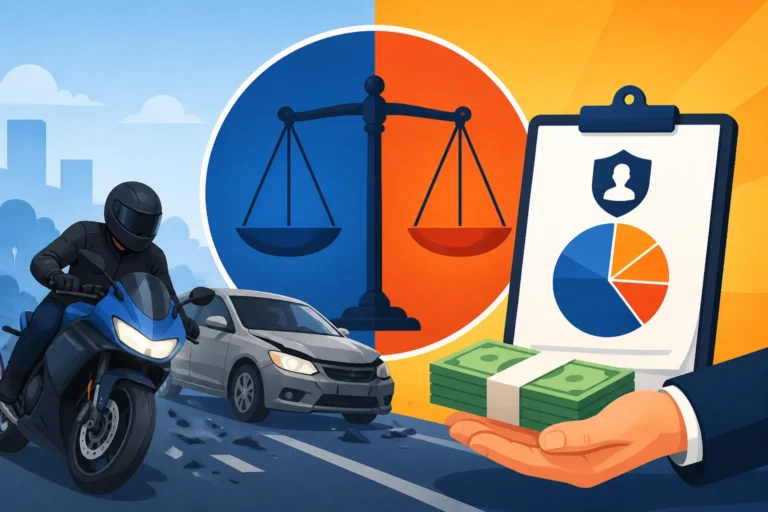
Once you have a clear picture of your total damages and have reached "maximum medical improvement" (MMI) – meaning your condition is stable and further improvement isn't expected, or any remaining treatment is for maintenance – your attorney will prepare a comprehensive demand letter. This document is a formal communication to the at-fault insurance company outlining the facts of the accident, detailing the other driver's liability, presenting all your evidence (medical records, lost wage documentation, property damage, etc.), and stating the amount of compensation you are seeking.
The demand letter is often the first formal request for a specific dollar amount, and it's a critical step in initiating serious settlement negotiations. It needs to be precise, well-supported by evidence, and persuasive. Your attorney will ensure it effectively communicates the full extent of your losses and the impact the accident has had on your life.
Negotiation Strategies and Offers
After receiving your demand letter, the insurance company will typically respond with either a denial of liability or a counter-offer. More often than not, their initial offer will be significantly lower than what you've demanded – a common tactic to see if you'll settle quickly and cheaply. This is where the negotiation process truly begins. Your attorney will engage in back-and-forth discussions with the adjuster, presenting arguments, refuting their defenses, and leveraging the strength of your evidence.
Negotiation is an art form, and experienced attorneys know how to effectively counter lowball offers and push for fair compensation. They understand the nuances of the law, including how factors like How Comparative Negligence Reduces Your Payout might apply in your state, and can use this knowledge to your advantage. This phase can involve several rounds of offers and counter-offers, sometimes taking weeks or even months, depending on the complexity of the case and the willingness of both sides to compromise. For more insights into this process, you can learn about How to Negotiate a Motorcycle Accident Settlement.
Reaching a Resolution: Settlement or Litigation?
The goal of negotiation is to reach a fair settlement outside of court. However, there are times when an agreement simply cannot be reached, and the case may need to proceed to litigation.
Accepting a Settlement Offer
If a satisfactory offer is extended, your attorney will present it to you for review. They will explain the terms, the pros and cons, and whether they believe it represents fair compensation for your injuries and losses. The decision to accept or reject an offer is ultimately yours. If you accept, you will sign a settlement agreement, which typically releases the at-fault party and their insurance company from any further liability related to that accident. This marks the end of the negotiation phase, and the process moves towards finalizing the payout.
It's crucial to understand that accepting a settlement often means you cannot pursue any further claims related to that specific accident, even if new medical issues arise down the line. This is why waiting until you've reached MMI and fully understanding your long-term prognosis is so important.
The Litigation Path if No Settlement
If negotiations fail to yield a reasonable settlement, your attorney may advise you to file a personal injury lawsuit. This doesn't necessarily mean you'll go to trial immediately. Often, filing a lawsuit prompts the insurance company to take the claim more seriously, leading to renewed settlement discussions. Many cases settle during the litigation process, through mediation or arbitration, before ever reaching a courtroom.
The litigation process itself involves several stages:
- Filing a Complaint: Your attorney officially files a lawsuit with the court.
- Discovery: Both sides exchange information, including documents, interrogatories (written questions), and depositions (out-of-court sworn testimony). This is a comprehensive information-gathering stage.
- Motions: Legal arguments made to the court on various issues.
- Mediation/Arbitration: Often court-ordered, these are alternative dispute resolution methods where a neutral third party helps facilitate a settlement.
- Trial: If all else fails, the case goes before a judge or jury, who will hear evidence and arguments from both sides and issue a verdict.
Going to trial is a significant undertaking, and it can be a lengthy and expensive process. Your attorney will discuss the risks and potential rewards with you thoroughly before recommending this path. For many, avoiding the stress and uncertainty of a trial is a strong motivator for settlement.
Finalizing the Settlement and Payouts
Once a settlement is agreed upon, whether through negotiation or mediation, there are still a few administrative steps before you receive your funds. The insurance company will typically issue a check to your attorney, who will then deposit it into a trust account. From this account, several deductions will be made:
- Attorney Fees: These are typically a percentage of the settlement amount, as agreed upon in your contingency fee arrangement.
- Case Costs: Expenses incurred during the case, such as filing fees, expert witness fees, and medical record retrieval costs.
- Medical Liens: If your health insurance or a medical provider paid for your treatment, they may have a lien on your settlement, meaning they are entitled to be reimbursed from the payout. Your attorney will work to negotiate these liens down whenever possible to maximize your net recovery.
After all deductions, the remaining funds are disbursed to you. This entire process, from settlement agreement to receiving your check, can take several weeks or even a few months, depending on the complexity of the deductions and the responsiveness of various parties.
Factors That Influence the Timeline
There's no single answer to How Long Does a Motorcycle Settlement Take, as every case is unique. However, several factors commonly influence how quickly – or slowly – a motorcycle accident claim moves from crash to compensation.
Complexity of the Case
Simple accidents with clear liability and minor injuries tend to resolve much faster than complex ones. A straightforward rear-end collision, for instance, where fault is clear and injuries are limited to soft tissue, might settle in a few months. However, if the accident involves multiple vehicles, ambiguous fault, or intricate legal questions, the timeline will inevitably stretch. Cases that require extensive investigation, accident reconstruction experts, or detailed analysis of traffic laws (like those involving Lane Splitting and Motorcycle Accident Liability) inherently take more time to build and negotiate.
Furthermore, if there are multiple at-fault parties or if government entities are involved (e.g., a claim against a city for dangerous road conditions), the process can become significantly more complicated and drawn-out due to additional procedures and bureaucratic hurdles.
Injury Severity and Treatment Duration
The extent of your injuries is perhaps the most significant factor affecting the timeline. For minor injuries that heal quickly, you might reach MMI within a few weeks or months, allowing for a faster settlement. However, if you've suffered severe injuries like a traumatic brain injury, spinal cord damage, or multiple fractures, your medical treatment could span many months or even years.
It’s generally advisable to wait until you've reached MMI before settling your claim. This is because once you accept a settlement, you typically waive your right to claim additional compensation, even if your condition worsens or you discover new, related medical issues later. Accurately assessing future medical costs and long-term care needs for serious injuries is complex and requires careful calculation, which adds to the timeline.
Disputed Fault and Liability
When both parties agree on who caused the accident, the path to settlement is often smoother. However, motorcycle accidents frequently involve disputes over fault. Drivers often claim they "didn't see" the motorcycle, or insurance companies may try to argue that the rider was partially to blame due to actions like speeding, lane splitting, or not wearing appropriate gear. These arguments are often rooted in a pervasive Rider Bias in Fault Determination.
If fault is heavily disputed, it adds substantial time to the timeline. Your attorney will need to gather more extensive evidence, potentially including expert testimony from accident reconstructionists, to conclusively prove the other driver's negligence. In states with comparative negligence laws, even partial fault assigned to the rider can reduce their overall payout, making the fight over liability even more intense.
Managing Expectations and Common Delays
Navigating a motorcycle accident claim can be a test of patience. Understanding what to expect and being prepared for common delays can help manage the stress and frustration.
Typical Timelines for Different Cases
While every case is unique, we can provide some general timeframes:
| Case Complexity & Injury Severity | Typical Timeline (Settlement) | Key Factors Influencing Duration |
|---|---|---|
| Minor Injuries, Clear Fault | 3-9 Months | Medical treatment duration, prompt communication. |
| Moderate Injuries, Clear/Some Disputed Fault | 9-18 Months | MMI, extent of negotiation, minor litigation. |
| Severe/Catastrophic Injuries, Disputed Fault, High Damages | 18 Months – 3+ Years | Long-term medical care, extensive litigation, policy limits, multiple parties. |
Keep in mind that these are just averages. Factors such as the jurisdiction (some courts are slower than others), the caseload of the attorneys and adjusters involved, and the willingness of all parties to negotiate in good faith can drastically alter these timelines.
Common Stumbling Blocks and How to Prepare
Several common issues can cause significant delays in the settlement timeline. Being aware of them allows you to better prepare:
- Slow Medical Treatment: If your injuries require extensive or long-term therapy, consultations with multiple specialists, or surgeries, the timeline will naturally extend as you heal and reach MMI. Don't rush your treatment; your health is paramount.
- Unresponsive Insurance Companies: Insurers are notorious for delay tactics. They might take a long time to respond to communications, delay reviewing documents, or stall on making reasonable offers. This is a common frustration, and having an attorney who knows how to push back is crucial.
- Disputes Over Damages: Calculating non-economic damages like pain and suffering, or projecting future medical costs, can be subjective. Insurance companies will often dispute these amounts, requiring extensive negotiation.
- Policy Limits: Sometimes, the at-fault driver’s insurance policy limits are insufficient to cover all your damages. This requires exploring other avenues, such as your own uninsured/underinsured motorist (UM/UIM) coverage, or pursuing claims against other responsible parties. Understanding How Insurance Policy Limits Affect Your Payout is vital here.
- Litigation: As mentioned, if a settlement can't be reached, filing a lawsuit significantly extends the timeline, potentially adding another year or more to the process.
The Role of Legal Counsel in Expediting the Process
While a skilled motorcycle accident attorney can't magically make a complex case settle overnight, they can certainly help to streamline and expedite the process as much as possible. They do this in several ways:
- Efficient Evidence Gathering: An attorney knows exactly what evidence is needed and how to obtain it quickly and efficiently, from medical records to accident reconstruction reports.
- Expert Negotiation: They understand how to negotiate with insurance adjusters, push past lowball offers, and present a compelling case for your full damages. Their experience often leads to quicker resolutions.
- Protecting Your Rights: An attorney shields you from common insurance company tactics, ensuring you don't inadvertently say or do anything that could jeopardize your claim.
- Navigating Legal Procedures: If the case proceeds to litigation, your attorney handles all the complex legal filings, deadlines, and court procedures, ensuring no missteps occur that could delay or derail your case.
- Maximizing Your Payout: Ultimately, by expertly managing all aspects of the claim, an attorney helps ensure you receive the maximum compensation you deserve, even if it takes a bit longer. Many riders wonder Do You Need a Motorcycle Accident Lawyer, and for these reasons, the answer is often a resounding yes, especially for serious injuries. Their expertise is invaluable in How to Maximize Your Motorcycle Accident Settlement.
Disclaimer
Please remember that this information is intended for educational purposes only and does not constitute legal advice. Every motorcycle accident claim is unique, and the outcome depends heavily on the specific facts, applicable laws in your state, and the evidence presented. It is always recommended to consult with an experienced motorcycle accident attorney to discuss your particular situation and understand your legal options.