Average Settlement for a Motorcycle Shoulder Injury
Sustaining a shoulder injury in a motorcycle accident is more than just physical pain; it's a profound disruption to your life, impacting everything from your ability to work to the simple joy of riding. Many riders find themselves overwhelmed by medical bills, lost income, and the daunting prospect of dealing with insurance adjusters while trying to recover. This comprehensive guide aims to shed light on what goes into calculating average settlements for motorcycle shoulder injuries, giving you a clearer picture of what to expect and how to protect your rights.
Understanding Motorcycle Shoulder Injuries and Their Impact
When you're involved in a motorcycle accident, the lack of external protection compared to a passenger vehicle means your body often bears the brunt of the impact. The shoulder, being a complex and highly exposed joint, is particularly vulnerable. The force of a collision, being thrown from your bike, or even just hitting the ground can lead to devastating and long-lasting shoulder damage.
Common Types of Shoulder Injuries in Motorcycle Accidents
The shoulder joint is a marvel of engineering, allowing for an incredible range of motion, but this complexity also makes it susceptible to a variety of severe injuries. In motorcycle accidents, we often see injuries that go far beyond a simple bruise.
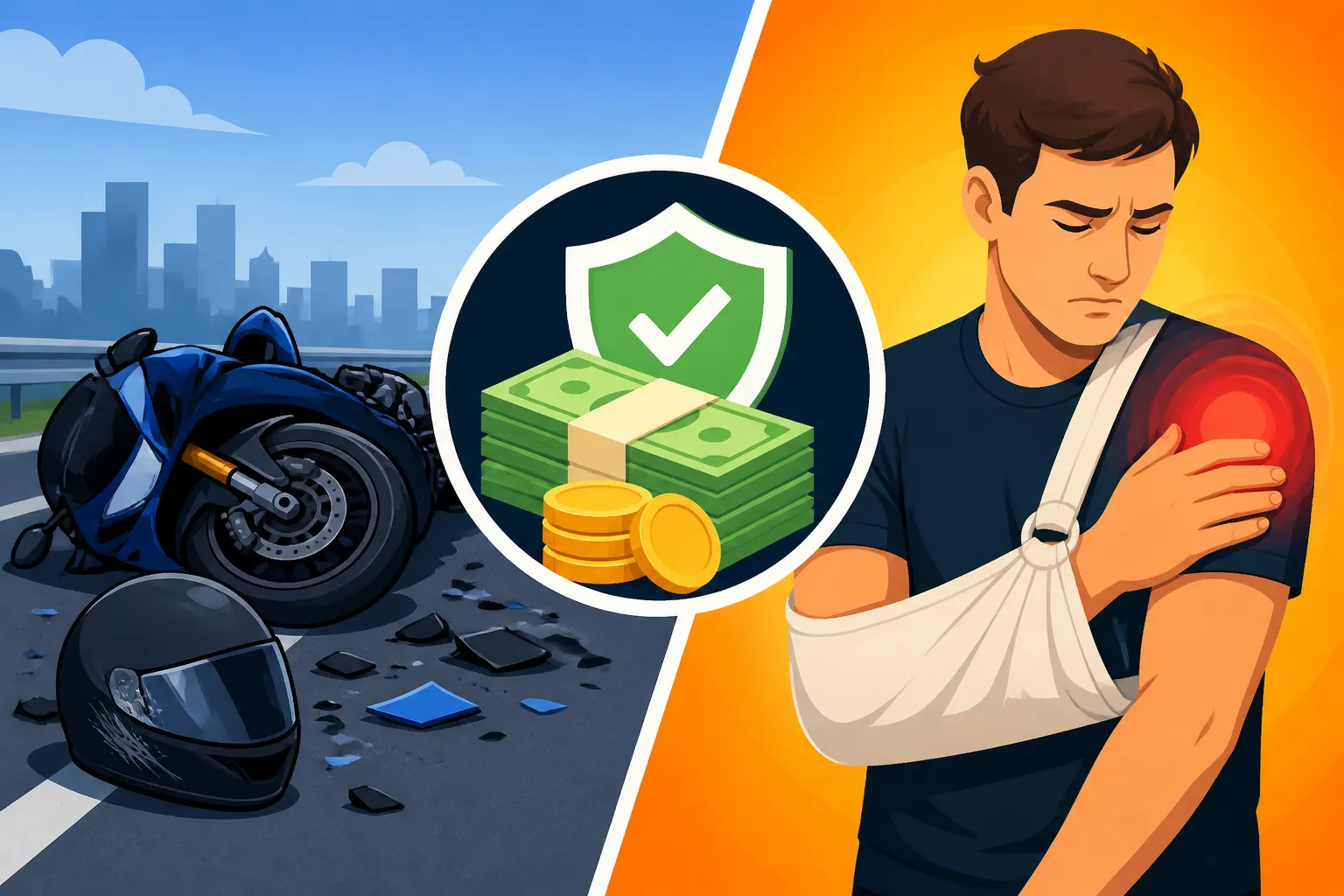
- Fractured Clavicle (Collarbone): This is one of the most common motorcycle accident injuries. Often, riders instinctively throw out an arm to break a fall, or the shoulder takes a direct hit from the ground or another vehicle. A fractured clavicle can range from a hairline crack to a complete break that displaces the bone. Recovery often involves immobilization in a sling for several weeks, followed by physical therapy. In more severe cases, surgery might be needed to insert plates and screws to stabilize the bone. The pain can be intense, and it severely limits arm movement, making even simple tasks excruciating.
- Fractured Scapula (Shoulder Blade): While less common than a clavicle fracture due to the protective musculature, a scapular fracture indicates a significant impact. These fractures are often associated with other severe injuries, given the force required to break this sturdy bone. Recovery is similar to a clavicle fracture but can be more complicated due to the scapula's intricate connection to the chest wall and arm.
- Rotator Cuff Tears: The rotator cuff is a group of four muscles and their tendons that surround the shoulder joint, providing stability and allowing for arm rotation. A sudden, violent wrenching motion or direct impact, common in a motorcycle crash, can partially or completely tear these tendons. Symptoms include severe pain, weakness, and limited range of motion. Small tears might heal with rest and physical therapy, but larger tears frequently require surgery to repair. The rehabilitation process after rotator cuff surgery is often extensive and can take many months.
- AC Joint Separation (Acromioclavicular Joint): This injury occurs when the ligaments connecting the collarbone (clavicle) to the shoulder blade (acromion) are stretched or torn. It's graded from mild (Grade 1) to severe (Grade 6), depending on the degree of separation. This often happens from a direct blow to the top of the shoulder or falling onto the shoulder. Grade 1 and 2 separations are often treated non-surgically, but higher-grade separations often require surgical intervention to stabilize the joint, particularly for riders who need full strength and range of motion.
- Dislocated Shoulder: The humerus (upper arm bone) popping out of the shoulder socket is an incredibly painful injury. This can occur from a fall onto an outstretched arm or a direct impact. While a medical professional can often "reduce" the dislocation (put it back in place), repeated dislocations can lead to chronic instability. The surrounding ligaments and tissues can be damaged, sometimes requiring surgery to repair or tighten them to prevent future dislocations.
- Nerve Damage: The brachial plexus, a network of nerves that sends signals from your spinal cord to your shoulder, arm, and hand, can be stretched, compressed, or even torn in a severe motorcycle accident. These injuries can cause debilitating pain, numbness, weakness, or even paralysis in the arm or hand. Brachial plexus injuries are particularly devastating and can require complex surgeries and years of rehabilitation, sometimes with incomplete recovery.
The Immediate and Long-Term Consequences for Riders
Beyond the immediate agony, a significant shoulder injury from a motorcycle accident unleashes a cascade of challenges that deeply impact a rider's life. It's not just a physical ailment; it's an economic, emotional, and lifestyle crisis.
Immediately after the accident, you're looking at excruciating pain, often requiring strong painkillers, and severely limited mobility. Imagine struggling to lift your arm, get dressed, or even sleep comfortably. For many, the first few weeks or months are a blur of doctor's appointments, imaging scans, and the constant worry of what comes next.
In the long term, these injuries can lead to chronic pain that never truly goes away, requiring ongoing medication or pain management techniques. Many riders face prolonged periods off work, leading to substantial lost wages. If your job involves physical labor or even just sitting comfortably at a desk, a severe shoulder injury can render you unable to perform your duties, potentially leading to a loss of earning capacity for years to come.
Then there's the impact on your passion. A shoulder injury can make it impossible to ride your motorcycle again, or at least severely limit how long or how often you can ride. This loss of enjoyment of life, the inability to pursue hobbies, or even to perform simple daily tasks, can lead to significant emotional distress, including anxiety, depression, and even PTSD. The costs aren't just medical; they extend to rehabilitation, specialized equipment, and potentially even home modifications if your mobility is severely impaired. The path to recovery is often long, arduous, and fraught with uncertainty.
Factors Influencing Your Shoulder Injury Settlement
When it comes to figuring out what kind of settlement you might receive for a motorcycle shoulder injury, there's no magic number. Instead, it’s a complex calculation based on several crucial factors. Insurance companies and courts look at every detail of your case to determine a fair amount. It's not just about the injury itself, but the entire ripple effect it has on your life.
Severity of the Injury and Medical Treatment Required
The first and most impactful factor is, naturally, the nature and severity of your shoulder injury. A minor sprain that heals with a few weeks of rest and physical therapy will be valued vastly differently than a complex rotator cuff tear requiring multiple surgeries and years of rehabilitation.
Consider the diagnosis: Did X-rays show a clean fracture, or did an MRI reveal extensive soft tissue damage like a brachial plexus injury? The diagnostic process itself can be costly, involving specialized imaging at facilities like those in major metropolitan areas like Los Angeles or Dallas. Then there's the treatment. Was it conservative, like physical therapy sessions at a local clinic in Phoenix, or did it involve extensive surgery, perhaps performed by an orthopedic surgeon in a major hospital in New York City? The length and intensity of your rehabilitation program also play a significant role. If you require ongoing physical therapy, pain management, or even adaptive equipment, these costs add up quickly.
Insurance adjusters will scrutinize your medical records to ascertain the extent of the injury, the necessity of the treatments, and your prognosis. They'll want to see evidence of continuous care and adherence to your doctor's recommendations. Gaps in treatment can be used by the defense to argue that your injuries weren't as severe or that you didn't do enough to aid your recovery.
Economic Damages: Covering Your Tangible Losses
These are the "receipts" of your injury – the calculable, out-of-pocket expenses you’ve incurred or will incur because of the accident. Documenting these is absolutely critical.
- Medical Bills (Past and Future): This is often the largest component. It includes everything from the ambulance ride and emergency room visit to hospital stays, surgeries, specialist consultations (orthopedists, neurologists), prescription medications, diagnostic tests (X-rays, CT scans, MRIs), physical therapy, chiropractic care, and even assistive devices like slings or braces. If your injury requires ongoing care, future medical expenses, such as potential future surgeries, lifelong pain management, or continuous therapy, must be estimated and included. An expert medical economist or life care planner might be needed to project these costs accurately.
- Lost Wages (Past and Future Earning Capacity): If your shoulder injury prevented you from working, you are entitled to compensation for those lost wages. This includes not just your salary but also bonuses, commissions, and benefits you would have received. For future lost earning capacity, especially with permanent impairment, it's about what you would have been able to earn throughout your career had the injury not occurred. For instance, a construction worker who can no longer lift heavy objects due will have a significant claim for lost earning capacity, distinct from a writer who might be able to adapt with voice-to-text software. You’ll need pay stubs, tax returns, and employer statements to prove these losses.
- Property Damage: While distinct from your personal injury claim, the damage to your motorcycle and riding gear (helmet, jacket, gloves) is also a recoverable economic damage. If your bike was totaled, you'd seek its fair market value. If it's repairable, the cost of repairs is covered. The loss of your helmet, which is designed for one-time impact protection, should also be included.
Meticulous record-keeping is your best friend here. Keep every single bill, receipt, appointment reminder, and communication related to your medical care and financial losses. This evidence forms the backbone of your economic damages claim.
Non-Economic Damages: Addressing Pain and Suffering
While economic damages are straightforward to calculate with receipts, non-economic damages are far more subjective but equally vital. These cover the intangible losses that profoundly affect your quality of life.
- Pain and Suffering: This is the physical pain you’ve endured and will continue to endure from your injury, including the discomfort of recovery and rehabilitation. It's often valued using a "multiplier method" where a number (usually between 1.5 and 5, sometimes higher for catastrophic injuries) is applied to your total economic damages, particularly medical bills. The more severe and long-lasting the pain, the higher the multiplier.
- Emotional Distress: A serious motorcycle accident and subsequent injury can cause immense psychological trauma. This can manifest as anxiety, fear of riding again (or even being in traffic), depression, sleep disturbances, and even Post-Traumatic Stress Disorder (PTSD). The inability to engage in activities you once loved can exacerbate these feelings.
- Loss of Enjoyment of Life: This refers to your inability to participate in hobbies, recreational activities, social events, or personal pursuits that brought you joy before the accident. For a motorcycle rider, this is profoundly impactful – the freedom of the open road, weekend rides with friends, or even just working on your bike in the garage can be stripped away.
- Disfigurement and Scarring: If your shoulder injury resulted in permanent scarring from surgery or other trauma, this can also be compensated. While less common for internal shoulder injuries, external road rash or surgical scars can lead to self-consciousness and emotional distress.
Documenting non-economic damages involves keeping a detailed pain journal, noting how your injury impacts your daily life, and getting statements from family and friends about the changes they’ve observed in your mood and activities. Medical records from therapists or psychologists treating emotional distress are also crucial. For more on how these are calculated, you might find our article on Pain and Suffering in Motorcycle Settlements helpful.
Impact of Fault and Insurance Policy Limits
Even with devastating injuries, two other major factors can significantly influence your ultimate payout: who was at fault and the available insurance coverage.
- Comparative Negligence: Most states, like California or Florida, follow some form of comparative negligence. This means that if you are found to be partially at fault for the accident, your total damages award can be reduced by your percentage of fault. For example, if your total damages are $100,000, but you are found 20% at fault, your recovery will be reduced to $80,000. Some states have "modified comparative negligence" rules, where if you are found 50% or 51% or more at fault, you may recover nothing at all. This is a critical legal aspect that impacts your settlement. Understanding Comparative Negligence in Motorcycle Accidents is vital.
- Insurance Policy Limits: This is a hard cap on your recovery from the at-fault driver's insurance. If the driver who hit you only has the minimum state liability coverage, say $25,000 in bodily injury coverage, and your damages are $150,000, you generally won't be able to recover more than that $25,000 from their policy, unless you pursue their personal assets (which is often difficult). This is where your own Uninsured/Underinsured Motorist (UM/UIM) coverage becomes incredibly important. If you carry robust UM/UIM coverage, your own insurance can step in to cover the difference up to your policy limits once the at-fault driver's policy is exhausted. This is a major reason why many claims settle for less than the full value of damages; the money simply isn't there.
Estimating Your Shoulder Injury Settlement Range
When you're dealing with the aftermath of a motorcycle accident, one of the first questions that probably pops into your head is, "What's this going to be worth?" It's a natural question, especially when bills are piling up and you're unable to work. However, giving a precise "average settlement" for a motorcycle shoulder injury is tricky, and frankly, often misleading without knowing the specifics of your individual case.
Why There's No Single "Average" Settlement Figure
The internet is full of numbers claiming to be "average motorcycle accident settlements," but these figures are almost always broad generalizations that don't account for the unique details of each case. Your injury, your recovery, the state where the accident happened, the quality of your medical care, the strength of the evidence, and the specific insurance policies involved all combine to create a truly individual settlement value.
Consider two riders:
- Rider A suffers a minor shoulder sprain after being T-boned in an intersection in Portland, Oregon. They have a few weeks of physical therapy, miss a week of work, and their bike has minimal damage. Their total medical bills are $5,000, and lost wages are $1,000.
- Rider B suffers a rotator cuff tear and a fractured clavicle after being run off the road by a distracted driver on I-95 in Miami, Florida. They undergo two surgeries, have six months of intensive physical therapy, develop chronic pain, and are unable to return to their job as a commercial truck driver. Their medical bills exceed $100,000, and lost earning capacity is projected at $500,000 over their lifetime.
Clearly, the "average" of these two cases is not helpful to either rider. Rider A might see a settlement in the low five figures, while Rider B's settlement could easily be in the high six or even seven figures. The variables are simply too great to provide a one-size-fits-all answer. Factors like the specific jurisdiction also matter; a jury in a liberal urban area might award higher non-economic damages than one in a conservative rural county.
Illustrative Settlement Ranges for Different Scenarios
While an exact average is elusive, we can talk about ranges based on general injury severity. Remember, these are rough estimates and should not be taken as a guarantee. Your specific case might fall above or below these ranges depending on all the factors discussed earlier, especially liability, insurance limits, and the specifics of your medical treatment and prognosis.
Here's a simplified look at potential settlement ranges for motorcycle shoulder injuries:
| Injury Severity Level | Description | Estimated Settlement Range* | Key Factors Driving Value |
|---|---|---|---|
| Minor | Soft tissue injuries (sprains, strains), minor bruising, road rash. No fractures or tears. Requires conservative treatment (rest, ice, physical therapy for a few weeks). Full recovery expected within 2-3 months. Minimal time off work. | $5,000 – $25,000 | Low medical bills, minimal lost wages, short recovery period. Pain and suffering are present but not debilitating or long-term. Case generally resolves quicker. |
| Moderate | AC joint separation (Grade 1-2), small rotator cuff tear, non-displaced clavicle fracture. May involve initial ER visit, follow-up with orthopedic specialist, several months of physical therapy. May or may not require minor surgical intervention. Moderate time off work. Some residual pain/stiffness. | $25,000 – $100,000 | Higher medical bills due to specialist care, diagnostics (MRI), and extended PT. More significant lost wages. Increased pain and suffering due to longer recovery and disruption to daily life. Potential for permanent minor impairment. If surgery is required, even minor, it significantly increases the value. |
| Severe | Displaced clavicle or scapula fracture, moderate to severe rotator cuff tear, AC joint separation (Grade 3+), recurrent dislocations, significant nerve damage (e.g., brachial plexus involvement). Almost always requires surgery, possibly multiple. Extended hospital stay, intensive rehabilitation. | $100,000 – $500,000+ | Substantial medical expenses (multiple surgeries, prolonged therapy, long-term medication). Significant and long-term lost wages/earning capacity. High pain and suffering multiplier due to severe pain, chronic issues, potential for permanent disability, loss of enjoyment of life, and emotional distress. Life care planning often required for future medical needs. |
| Catastrophic | Extensive nerve damage (e.g., permanent paralysis or severe functional loss of arm/hand), complex comminuted fractures requiring reconstruction, failed surgeries, chronic debilitating pain, permanent severe disability. Requires lifelong care, home modifications, or adaptive equipment. | $500,000 – Millions | Extremely high medical bills (past and future), complete loss of earning capacity, profound pain and suffering, and devastating impact on quality of life. Requires extensive expert testimony (medical, vocational, economic). This category often involves wrongful death or permanent total disability. These cases typically involve lengthy litigation and potentially go to trial. |
Disclaimer: These ranges are illustrative and highly dependent on unique case facts, jurisdiction, and legal representation. They do not constitute legal advice or a guarantee of outcome.
The Role of Legal Representation in Maximizing Your Claim
Given the complexity of motorcycle accident claims and the significant stakes involved, especially with a severe shoulder injury, having a seasoned legal advocate by your side is almost always beneficial. Insurance companies are not on your side; their goal is to pay out as little as possible. They have vast resources and experienced adjusters whose job it is to minimize your claim, often using tactics like questioning the necessity of your treatment or blaming you for the accident.
A dedicated motorcycle accident lawyer understands the nuances of these cases. They can:
- Investigate Thoroughly: They'll gather critical evidence, including police reports, witness statements, accident reconstruction analysis, and traffic camera footage to establish fault. See our guide on Motorcycle Accident Evidence for Proving Fault for more.
- Coordinate Medical Care and Documentation: They ensure all your injuries are properly documented and that you receive the necessary medical care without worrying about upfront costs, often working with providers on a lien basis. They can help you understand How to Document Injuries for a Claim.
- Accurately Calculate Damages: An attorney can work with medical and economic experts to fully quantify your economic and non-economic damages, ensuring that future medical costs and lost earning capacity are not overlooked.
- Negotiate with Insurers: They have the experience to counter lowball offers and aggressively negotiate for a fair settlement that truly reflects the extent of your losses. They know the tricks insurance companies play and how to fight back effectively. If you're wondering how to deal with a low offer, check out How to Handle a Lowball Settlement Offer.
- Protect Your Rights: They understand the specific laws in your state regarding comparative negligence and statute of limitations, ensuring your claim is filed correctly and on time.
- Prepare for Trial: If a fair settlement cannot be reached, a lawyer is prepared to take your case to court, presenting a compelling argument to a jury. The threat of a trial alone often motivates insurance companies to offer a more reasonable settlement.
Ultimately, while there’s a cost associated with legal representation, studies often show that individuals with legal representation recover significantly more compensation than those who try to navigate the complex legal system alone. If you're asking, "Do You Need a Motorcycle Accident Lawyer", especially for a significant injury, the answer is usually yes. They truly can make a difference in How a Lawyer Increases Your Settlement.
Steps to Take After a Motorcycle Shoulder Injury
Being involved in a motorcycle accident is a terrifying and disorienting experience, and sustaining a shoulder injury only adds to the chaos. What you do in the immediate aftermath, and in the days and weeks that follow, can profoundly impact your physical recovery and the strength of any future injury claim. It's crucial to be prepared and methodical, even when you're in pain and feeling overwhelmed.
Seek Immediate Medical Attention
This is the most critical first step, not just for your health but for your legal claim. Even if you think your injury isn't severe, or if the adrenaline is masking the pain, always seek prompt medical evaluation.
- Prioritize Your Health: First and foremost, a medical professional can assess the extent of your shoulder injury, diagnose fractures, dislocations, or soft tissue damage, and recommend appropriate treatment. Delayed treatment can worsen injuries and complicate recovery. If you're able, call 911 immediately after the crash. For more detailed first steps, read our guide on What to Do Immediately After a Motorcycle Accident.
- Create Medical Documentation: Seeking immediate medical attention establishes an official record of your injuries, directly linking them to the motorcycle accident. This documentation is invaluable for your claim. Without it, insurance companies may argue that your injuries were pre-existing or caused by something else. This paper trail is vital evidence in proving the extent of your damages.
- Avoid Gaps in Treatment: Follow all your doctor's recommendations diligently. Attend every physical therapy session, take prescribed medications, and go to all follow-up appointments. Gaps in your medical treatment history can be used by the defense to suggest that your injuries weren't serious or that you're not committed to your recovery, potentially diminishing your settlement. Consistency in care reinforces the severity and ongoing nature of your injury. Our article on How to Document Injuries for a Claim can provide more helpful tips.
Document Everything Thoroughly
The more evidence you have, the stronger your claim will be. Start collecting information from the moment the accident occurs and continue throughout your recovery.
- Photos and Videos: If you're physically able, or if a bystander can help, take pictures and videos at the accident scene. Capture the position of all vehicles, damage to your motorcycle and other vehicles, road conditions, traffic signs, skid marks, and any visible injuries you or others sustained. Also, take photos of your protective gear (helmet, jacket) if they show damage – this can demonstrate the force of impact. Continue to document your injuries as they progress and heal (or don't heal).
- Medical Records and Bills: Keep every single document related to your medical treatment. This includes emergency room reports, hospital discharge papers, physician notes, physical therapy records, prescriptions, and all medical bills. Organize them carefully.
- Accident Reports: Obtain a copy of the official police report. While not always definitive on fault, it provides crucial details about the accident, including witness contact information and initial observations by law enforcement.
- Wage Statements: Gather pay stubs, tax returns, and letters from your employer detailing your lost income due to the injury. If you're self-employed, compile business records to demonstrate your lost earnings.
- Injury Journal: Start a detailed journal where you document your daily pain levels, how your shoulder injury impacts your daily activities (e.g., difficulty sleeping, bathing, dressing, driving), your emotional state, and any limitations on your hobbies or work. This personal account can be incredibly powerful in conveying the true extent of your non-economic damages. Our post on How to Document Your Recovery offers further guidance.
- Witness Information: Collect contact details for any witnesses who saw the accident. Their testimony can be crucial in establishing fault.
Avoid Making Statements to Insurance Companies
After an accident, you'll likely receive calls from insurance adjusters, both from your own company and the other driver's. Be extremely cautious about what you say.
- Do Not Give Recorded Statements: You are generally not obligated to give a recorded statement to the other driver's insurance company. Anything you say can be twisted and used against you to minimize your claim or shift blame. Even seemingly innocuous comments about how you're feeling ("I'm okay, just a little sore") can later be used to argue your injuries weren't severe.
- Do Not Admit Fault: Never admit fault or apologize for the accident at the scene or to anyone afterward. Determining fault is a complex legal matter that should be left to investigators and legal professionals.
- Be Wary of Early Settlement Offers: Insurance companies often try to offer a quick, lowball settlement before you fully understand the extent of your injuries or the long-term impact. Once you accept and sign a release, you usually cannot seek additional compensation, even if new medical issues arise. This is why it's so important to have a full understanding of your injuries and their prognosis before even considering a settlement.
The best course of action is to politely decline to discuss the details of the accident or your injuries with any insurance company until you have consulted with an experienced motorcycle accident attorney. Let your lawyer handle all communications with the insurance adjusters. They understand the tactics used by insurers and can protect your interests throughout the negotiation process.
Disclaimer
Please remember that the information provided in this guide is for general informational purposes only and does not constitute legal advice. Every motorcycle accident claim is unique, and the potential value of your settlement will depend on the specific facts and circumstances of your case, as well as the laws of your state. For personalized advice regarding your shoulder injury claim, it is highly recommended to consult with a qualified motorcycle accident attorney in your jurisdiction.