Fault When a Passenger Is Injured
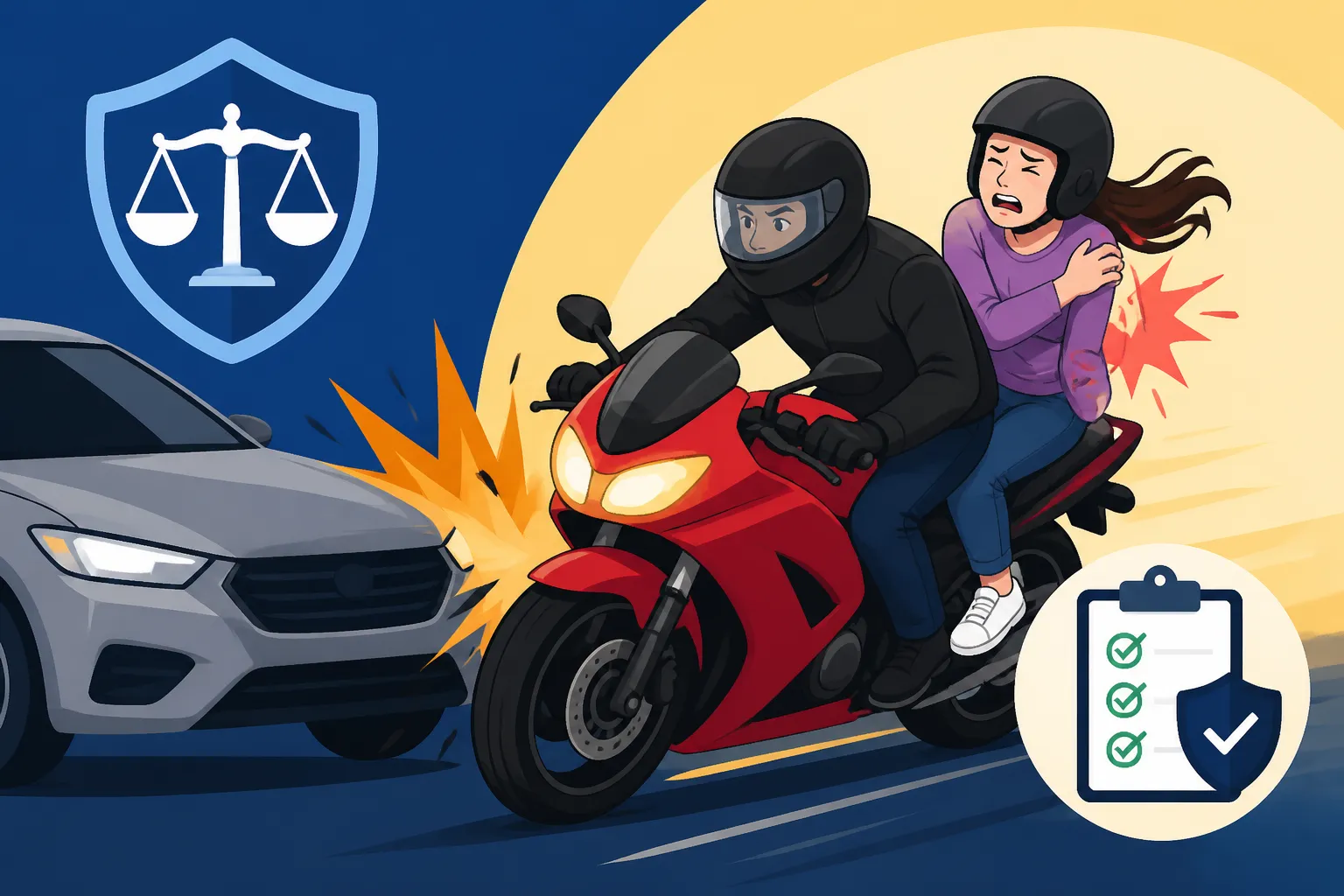
Riding as a passenger on a motorcycle is often an incredible experience, offering a unique sense of freedom and connection to the open road. But when that joy is shattered by an accident, you, the passenger, can find yourself in a terrifying and confusing predicament. You're likely injured, facing mounting medical bills, and completely bewildered about who is actually responsible for your suffering, especially since you weren't operating the bike. This guide is here to untangle the complexities of fault when a motorcycle passenger is injured, helping you understand your rights and the avenues for seeking compensation.
Unraveling Initial Fault in a Motorcycle Accident with a Passenger
The moments immediately following a motorcycle accident are often a blur of pain, adrenaline, and confusion. For a passenger, this experience can be even more disorienting, as they had no control over the events leading to the crash. Yet, understanding how initial fault is assessed is the crucial first step in any claim.
The Immediate Aftermath and First Impressions of Blame
In the chaos of a crash scene, it’s natural for everyone to try and piece together what happened. For you, as a passenger, you might have felt helpless, simply along for the ride. Law enforcement officers arriving at the scene will conduct an initial investigation, gathering statements, observing the damage, and documenting the environment. Their findings, often compiled into a police report, can be incredibly influential in the early stages of determining fault. However, it’s important to remember that a police report is not always the definitive legal judgment of fault. Sometimes, officers might have an inherent "rider bias," assuming the motorcyclist was somehow at fault, even when evidence points elsewhere.
This is why immediate documentation is so vital. If you are physically able, or if someone else can do it on your behalf, taking photos of the accident scene from multiple angles, including the positions of all vehicles, road conditions, and any visible injuries, can be invaluable. Gathering contact information from any witnesses who saw the crash unfold is also critical. These first impressions and pieces of evidence form the foundation of any later investigation into who is at fault in a motorcycle accident.
Different Scenarios of Primary Fault
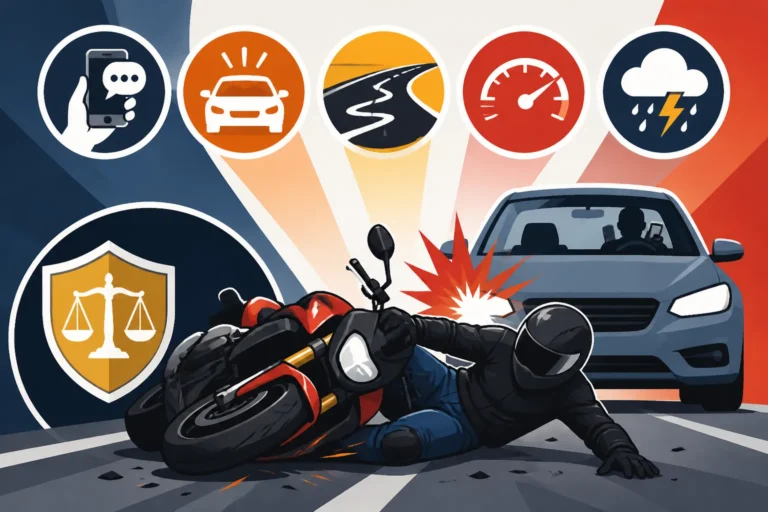
Motorcycle accidents rarely have a single, simplistic cause. Instead, they often result from a confluence of factors. As a passenger, you are typically not the party responsible for operating the vehicle or making driving decisions. Therefore, your "fault" in causing the crash itself is usually negligible or non-existent. The primary fault generally lies with one or more of the following:
- Another Vehicle Driver's Negligence: This is a common scenario. Perhaps a car driver failed to see the motorcycle, made an unsafe lane change, or pulled out in front of the bike, leading to a collision.
- The Motorcycle Rider's Negligence: Unfortunately, sometimes the very person you trusted with your safety, the motorcycle rider, might have made a critical error, such as speeding, driving recklessly, or operating under the influence.
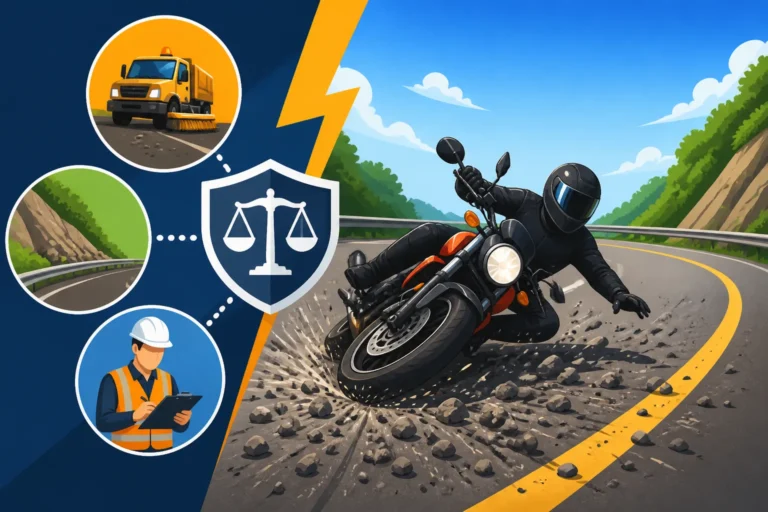
- Road Hazards: Unsafe road conditions like unmarked potholes, gravel, oil spills, or missing signage can cause a rider to lose control, resulting in an accident that isn't anyone's "driving" fault. You can learn more about how Government Liability for Road Hazards can play a role in a claim.
- Mechanical Failure: A defect in the motorcycle itself, such as faulty brakes or a tire blowout due to a manufacturing defect, could also be the root cause. In these instances, a manufacturer or even the mechanic who last serviced the bike could be liable.
For an injured passenger, the key is understanding that regardless of who was at fault among these parties, you generally have a right to seek compensation because you were not the party responsible for the hazardous action. This immediately differentiates your claim from that of the motorcycle rider. For a broader perspective on liability, you might want to read our comprehensive guide on Motorcycle Accident Liability: A Complete Guide.
When the Motorcycle Rider is at Fault for Passenger Injuries
It's an uncomfortable truth that sometimes, the person operating the motorcycle you were riding on is the one primarily responsible for the accident. This situation can be particularly challenging for passengers, as it often involves pursuing a claim against a friend, family member, or partner.
Understanding the Rider's Duty of Care to a Passenger
Every driver, whether of a car or a motorcycle, owes a "duty of care" to their passengers. This means they are legally obligated to operate their vehicle safely and responsibly to prevent harm to those riding with them. For a motorcycle rider, this duty includes:
- Operating at Safe Speeds: Avoiding excessive speed that could endanger the passenger or make it impossible to react to road conditions.
- Maintaining Control: Ensuring they have the skills and attention to handle the motorcycle safely, especially with the added weight and dynamics of a passenger.
- Avoiding Impairment: Not operating the motorcycle under the influence of alcohol or drugs.
- Proper Maintenance: Ensuring the motorcycle is in safe working condition, with functioning brakes, tires, and lights.
- Heeding Traffic Laws: Obeying all traffic signals, signs, and regulations, including safe lane changes and proper yielding.
If the motorcycle rider breaches this duty of care, and that breach directly leads to an accident that injures you, then the rider can be found negligent. This could involve scenarios like the rider trying to "lane split" unsafely between vehicles, speeding through a challenging turn, or simply not paying enough attention to the road. You can dive deeper into How Fault Is Determined in Motorcycle Accidents to see the nuances involved.
The emotional toll of realizing the person you trusted caused your injuries can be immense. It's often compounded by the fear of straining a personal relationship by pursuing a claim. However, it's crucial to separate the personal relationship from the legal and financial necessity of addressing your injuries. Your medical bills, lost wages, and pain and suffering are real, regardless of your relationship with the rider.
How a Passenger Can Claim Against Their Rider's Insurance
When the motorcycle rider is at fault, you, as the injured passenger, typically have the right to file a claim against the rider's bodily injury liability insurance policy. This policy is specifically designed to cover injuries and damages caused to others (including passengers) if the policyholder is found negligent.
Here’s how it generally works:
- Reporting the Incident: The accident should be reported to the rider's insurance company as soon as possible.
- Investigation: The insurance company will conduct its own investigation to determine if their policyholder (the rider) was indeed negligent.
- Seeking Damages: As the passenger, you would then present your claim for damages, including medical expenses, lost wages, pain and suffering, and other related costs.
- Settlement or Lawsuit: If the insurance company accepts liability, they will typically offer a settlement. If a fair settlement cannot be reached, or if liability is disputed, a lawsuit might become necessary.
A significant concern in these situations is whether the rider has adequate insurance coverage. Motorcycle insurance policy limits can sometimes be lower than car insurance policies, and severe injuries can quickly exceed those limits. If the rider is underinsured, it might be necessary to explore other avenues for compensation, such as your own uninsured/underinsured motorist (UM/UIM) coverage if you have it, or looking for other liable parties.
For example, imagine you were riding with a friend, let's call him Alex, who decided to show off a bit by taking a corner too fast. He loses control, and you're thrown from the bike, sustaining a broken leg and extensive road rash. Even though Alex is your friend, his actions directly caused your injuries. You would file a claim against Alex's motorcycle insurance policy to cover your medical treatment, physical therapy, and the income you lost while recovering. It's not about making Alex personally pay out of his pocket; it's about his insurance fulfilling its purpose.
Third-Party and Shared Fault: Broader Liability for Passenger Injuries
While the rider's actions are often the focus for a passenger, many motorcycle accidents involve other vehicles or external factors that share or bear the primary responsibility. Understanding these broader avenues for liability is crucial for maximizing an injured passenger's recovery.
Other Drivers' Negligence as the Primary Cause
In a significant number of motorcycle accidents where a passenger is injured, another vehicle driver's negligence is the root cause. This is often the most straightforward scenario for an injured passenger because they are typically seen as a completely innocent party, having no control over either the motorcycle or the other vehicle involved.
Common scenarios include:
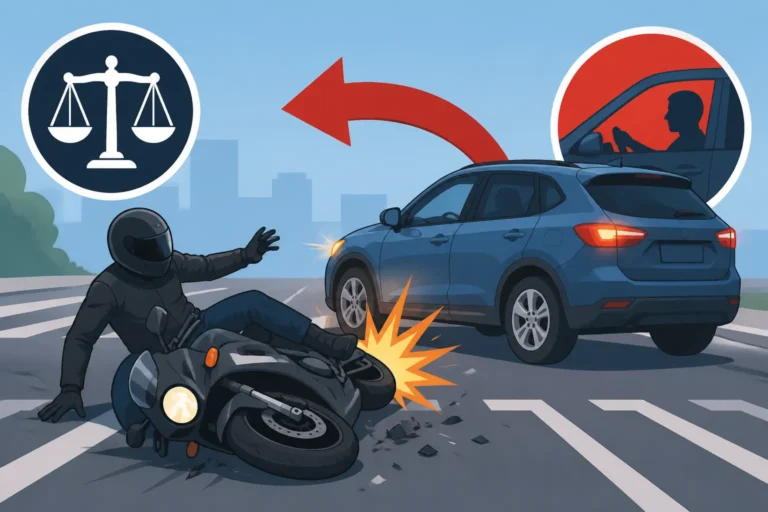
- Left-Turn Accidents: A driver making a left turn directly into the path of an oncoming motorcycle, often claiming they "didn't see" the bike. These are incredibly dangerous and often result in serious injuries. You can find more specific information on Left-Turn Motorcycle Accidents Explained.
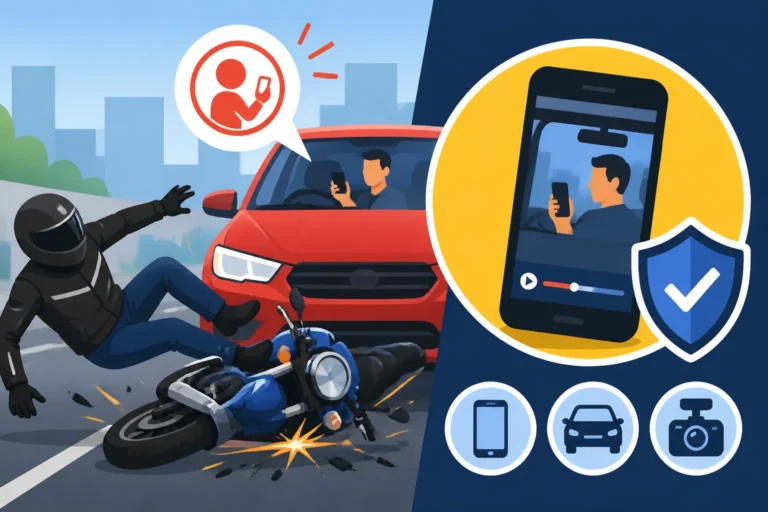
- Distracted Driving: A car driver texting, talking on the phone, or otherwise not paying attention, leading them to collide with the motorcycle. Our guide on Motorcycle Accidents Caused by Distracted Driving delves into this common issue.
- Unsafe Lane Changes: A driver merging or changing lanes without checking their blind spots, cutting off the motorcycle or causing a collision.
- Rear-End Collisions: A driver following too closely or failing to brake in time, striking the motorcycle from behind.
In these situations, the injured passenger would primarily pursue a claim against the at-fault driver's bodily injury liability insurance. The fact that the passenger was simply a traveler, not the operator, often strengthens their position as a victim seeking full compensation for their injuries and damages.
Road Hazards, Defective Parts, and Other External Factors
Sometimes, the cause of a motorcycle accident isn't a person's driving, but rather a dangerous condition on the road or a flaw in the motorcycle itself. As a passenger, you could still suffer severe injuries in such incidents, and there are specific parties who might be held liable.
- Government Entity Liability: Local, state, or even federal government agencies are responsible for maintaining safe roads. If a dangerous road hazard, such as an unmarked pothole, loose gravel, or a missing guardrail, directly causes a motorcycle accident and leads to passenger injuries, the responsible government entity could be held liable. Pursuing a claim against a government entity often involves strict notice requirements and different legal procedures, making legal counsel particularly important.
- Manufacturer Liability for Defective Parts: A mechanical defect in the motorcycle or one of its components (e.g., faulty brakes, defective tires, a steering malfunction) can lead to a sudden loss of control. In such cases, the manufacturer of the motorcycle or the defective part could be liable under product liability laws. These cases are highly complex, often requiring expert testimony and extensive investigation to prove the defect and its causal link to the accident. You can learn more about Manufacturer Liability for Defective Parts in our related content.
In these less common but still critical scenarios, the passenger's ability to seek compensation expands beyond just the drivers involved. This third-party liability can be a crucial avenue, especially if the drivers involved have limited insurance coverage.
The Nuance of Shared Fault and its Impact on Passengers
Many states operate under a system of Comparative Negligence in Motorcycle Accidents, which means that if multiple parties contribute to an accident, their fault is allocated as a percentage. For instance, a car driver might be found 70% at fault, while the motorcycle rider is 30% at fault.
Here’s the critical point for passengers: Even if the motorcycle rider you were with was partially at fault, and another driver was also partially at fault, you, as the injured passenger, can typically claim against both parties. Your recovery from each party would be based on their allocated percentage of fault. For example, if your damages total $100,000, the car driver's insurance might pay $70,000, and the motorcycle rider's insurance might pay $30,000.
The passenger's own potential "fault" in causing the accident itself is almost always negligible. It would be incredibly rare for a passenger to be assigned any significant portion of fault, unless they actively interfered with the operation of the motorcycle (e.g., grabbing the handlebars) or knowingly got on the bike with an obviously impaired rider (though this is a very high bar to prove). Generally, the law recognizes that a passenger places their trust in the operator. This distinction is vital in ensuring that you, as the passenger, are not unfairly penalized when multiple parties share blame. Our article on When Both Riders and Drivers Share Fault provides more insights into these complex scenarios.
Navigating Your Claim as an Injured Motorcycle Passenger
As an injured motorcycle passenger, your path to recovery isn't just about healing physically; it's also about navigating the legal and insurance landscapes to ensure you receive fair compensation for your losses. This process can be daunting, but understanding the key steps and leveraging the right support can make all the difference.
Critical Steps for an Injured Passenger After a Crash
The actions you take immediately after a motorcycle accident can significantly impact the strength of your claim.
- Seek Immediate Medical Attention: This is paramount, not just for your health but also for documenting your injuries. Even if you feel fine, adrenaline can mask serious injuries. A doctor's visit immediately after the crash creates an official record of your injuries and their direct link to the accident. Any delay in seeking treatment can be used by insurance companies to argue that your injuries weren't severe or weren't caused by the crash.
- Collect Evidence at the Scene (If Possible): If you are able, or if a bystander or the rider can assist, gather crucial information. This includes contact information for all drivers involved (names, phone numbers, insurance details), contact information for any witnesses, and most importantly, photos. Take pictures of the accident scene from various angles, including road conditions, traffic signals, vehicle damage, and any visible injuries you or others sustained. Our guide on How to Document the Scene to Prove Fault offers a detailed checklist.
- Report the Accident to Your Own Insurance: Even if you weren't operating the motorcycle and believe another party is entirely at fault, it's wise to report the accident to your own insurance company. Your personal auto policy might include medical payments (MedPay) coverage or uninsured/underinsured motorist (UM/UIM) coverage that could help cover your costs, especially if the at-fault party has insufficient insurance.
- Do Not Admit Fault or Downplay Injuries: In the aftermath of a traumatic event, it's easy to say things like, "I'm okay," or "It was just an accident." These seemingly innocuous statements can be twisted by insurance adjusters later to undermine your claim. Stick to the facts, exchange necessary information, and avoid speculating about who was at fault or the extent of your injuries.
Understanding Damages and Potential Compensation
When you pursue a claim as an injured motorcycle passenger, you are seeking compensation for various "damages" you've incurred. These fall into two main categories:
- Economic Damages: These are quantifiable financial losses. They include:
- Medical Expenses: Past and future bills for emergency care, hospital stays, surgeries, doctor visits, physical therapy, medications, and medical devices.
- Lost Wages: Income you've lost because you couldn't work due to your injuries, as well as potential future lost earning capacity if your injuries lead to long-term disability.
- Property Damage: While your motorcycle itself isn't yours, you might have personal items damaged in the crash, such as your helmet, gear, phone, or clothing.
- Non-Economic Damages: These are more subjective losses that don't have a direct bill but profoundly impact your life. They include:
- Pain and Suffering: Physical pain from your injuries, treatments, and recovery.
- Emotional Distress: Anxiety, depression, PTSD, fear, and other psychological impacts resulting from the trauma of the accident.
- Loss of Enjoyment of Life: Inability to participate in hobbies, recreational activities, or daily routines you once enjoyed due to your injuries.
- Disfigurement or Scarring: Compensation for permanent marks, scars, or changes to your physical appearance.
The severity of your injuries plays a massive role in the potential value of your claim. Catastrophic Motorcycle Injuries Explained will fetch significantly higher settlements due to their long-term impact on your life, requiring extensive future care, potential home modifications, and a lifetime of reduced earning capacity. Understanding the different Types of Damages in a Motorcycle Accident Claim is essential for a complete recovery.
Why Legal Counsel is Crucial for Passenger Claims
Dealing with insurance companies, especially when you're also trying to recover from injuries, is incredibly stressful. Insurance adjusters, regardless of how friendly they seem, are ultimately focused on minimizing payouts for their company. This is where experienced legal counsel becomes indispensable.
A skilled motorcycle accident lawyer can:
- Investigate Fault Thoroughly: Lawyers have the resources to conduct a deeper investigation into the accident, gathering police reports, witness statements, accident reconstruction data, and expert opinions to definitively establish who is at fault for your injuries, even if it's complex shared fault.
- Negotiate with Multiple Insurance Companies: If multiple parties are at fault (the rider, another driver, a government entity, or a manufacturer), a lawyer can negotiate with all relevant insurance providers to ensure you receive compensation from all available sources. They know How Insurance Companies Assign Blame to Riders and how to counter unfair accusations.
- Accurately Value Your Damages: They can work with medical professionals, vocational experts, and economists to precisely calculate the full extent of your current and future economic and non-economic damages, ensuring no stone is left unturned.
- Handle Legal Procedures: From filing paperwork to adhering to strict deadlines (like statutes of limitations), a lawyer manages all legal complexities, allowing you to focus on your recovery.
- Fight for Your Rights: If a fair settlement cannot be reached through negotiation, your lawyer can prepare your case for trial and aggressively advocate for you in court.
One of the unique challenges for an injured passenger is the potential discomfort of pursuing a claim against a friend or family member who was riding the motorcycle. A lawyer can act as a neutral third party, explaining that the claim is against the insurance policy, not directly against the individual, which often eases tension in personal relationships. Most personal injury lawyers work on a contingency fee basis, meaning you don't pay upfront fees; they only get paid if they win your case, making legal representation accessible regardless of your current financial situation.
Navigating a motorcycle accident claim as an injured passenger requires careful attention to detail, a clear understanding of your rights, and often, the guidance of a legal professional. While the road to recovery may be long, knowing how fault is determined and how to pursue compensation can help ease the burden.
Here's a quick overview of potential scenarios for an injured passenger:
| Scenario | At-Fault Party | Who the Passenger Can Claim Against | Key Considerations |
|---|---|---|---|
| Only Motorcycle Rider at Fault | Motorcycle Rider | Rider's Bodily Injury Liability Insurance | Often involves suing a known individual's insurance, which can be emotionally challenging. Adequacy of rider's insurance is crucial. |
| Only Other Driver at Fault | Other Vehicle Driver | Other Driver's Bodily Injury Liability Insurance | Passenger is generally seen as an innocent victim, often leading to a more straightforward claim against the other driver. |
| Both Rider and Other Driver at Fault | Motorcycle Rider & Other Driver | Both the Rider's and Other Driver's Insurance (based on comparative fault) | Requires careful investigation of each party's contribution; potentially higher overall recovery by claiming from multiple sources. |
| Road Hazard at Fault | Government Entity | The responsible government agency | Claims against government entities have strict procedural requirements and shorter deadlines; complex to prove. |
| Defective Motorcycle Part at Fault | Manufacturer | Motorcycle/Part Manufacturer | Product liability claims are highly technical, requiring expert analysis and often involving large corporations. |
Disclaimer
The information provided in this guide is intended for general informational purposes only and does not constitute legal advice. Motorcycle accident laws vary significantly by state, and the specific facts of your case will dictate the applicable legal principles and potential outcomes. If you have been injured as a passenger in a motorcycle accident, it is highly recommended that you consult with a qualified personal injury attorney in your jurisdiction to discuss your individual situation and legal options.