How to Negotiate Down Medical Liens
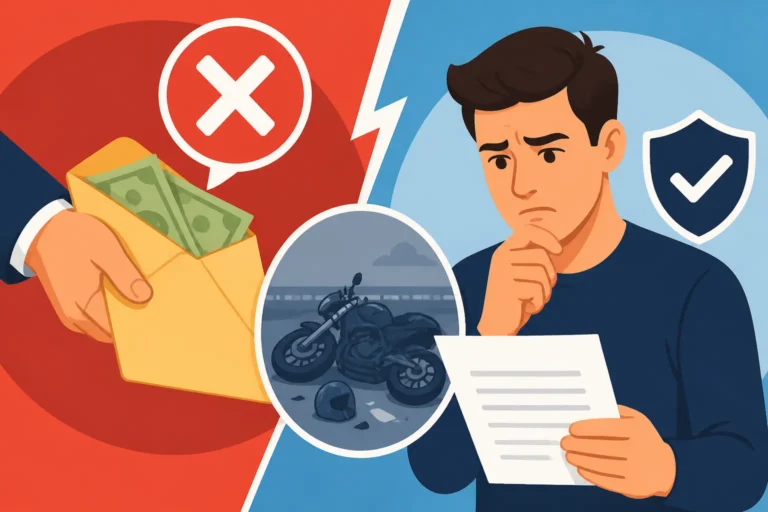
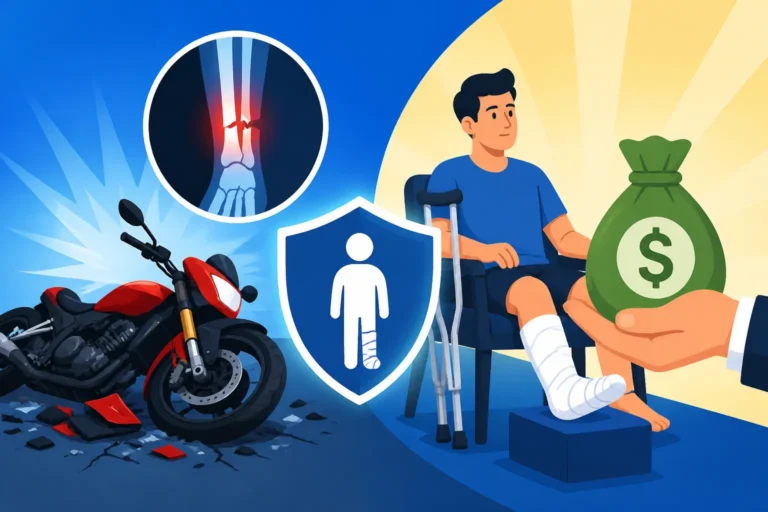
When you're trying to recover from a motorcycle accident, the last thing you need is a mountain of medical bills piling up, threatening to devour any settlement you might receive. It's a truly frustrating situation to be in, feeling like you’re finally getting somewhere with your claim, only to realize that a huge chunk of it is earmarked for medical providers. This guide is all about helping you understand medical liens and, more importantly, equipping you with the knowledge to negotiate them down so you can keep more of the compensation you deserve.
Understanding Medical Liens After a Motorcycle Accident
Dealing with the aftermath of a motorcycle crash is tough enough without having to decipher complex legal and medical jargon. But understanding what a medical lien is and why it exists is the first crucial step in protecting your financial recovery.
What Exactly is a Medical Lien?
In its simplest form, a medical lien is a legal claim placed by a healthcare provider on any future settlement or judgment you might receive from a personal injury case, like a motorcycle accident. Think of it as a formal notice that they are owed money for the services they provided related to your accident, and they expect to be paid directly out of any funds you recover.
Why do hospitals and other providers use them? Well, when you're rushed to the emergency room after a crash, often with severe injuries, there's a lot of uncertainty about who will ultimately pay the bills. You might not have health insurance, or your insurance might deny coverage, or perhaps the at-fault driver's insurance hasn't yet accepted liability. To ensure they get compensated for their vital services, particularly in states like Texas or Florida where specific statutory lien laws exist for hospitals, providers will place a lien. This guarantees they have a priority claim on your accident settlement, preventing you from receiving the money and then potentially not paying your medical debts. It’s distinctly different from just receiving a bill in the mail; a lien makes sure they're at the front of the line when funds are distributed.
Common Types of Medical Liens You Might Encounter
Not all medical liens are created equal, and understanding the different types can significantly impact your negotiation strategy.
- Hospital Liens: These are very common, especially after emergency treatment. Many states have specific laws that allow hospitals to file a lien for the reasonable and necessary costs of care provided to an injured person. For instance, in states like California, hospital liens often apply for up to 75% of the total amount paid to the injured person for hospital care. These liens typically only cover the hospital's charges and not individual doctors.
- Physician Liens: Individual doctors, surgical centers, or specialized clinics (like physical therapy centers) might also place liens. These are often contractual, meaning you might have signed an agreement (often buried in the initial patient paperwork) stating that they can seek reimbursement from any third-party settlement.
- Medicaid/Medicare Liens: If you're enrolled in Medicaid or Medicare, these government programs have a federal right to recover money they've paid for your accident-related care. These are generally referred to as "subrogation" claims, but they function very much like liens. They are serious and must be addressed, as the federal government has significant power to enforce them. Ignoring them can lead to severe penalties down the line.
- ERISA Liens (Employer-Sponsored Health Plans): This is where things can get particularly complex. Many employer-sponsored health plans fall under the Employee Retirement Income Security Act (ERISA). ERISA plans often have very strong subrogation rights, making them tough to negotiate down. These plans operate under federal law, which can sometimes preempt state laws that might otherwise protect you from certain types of liens.
- Workers' Compensation Liens: If your motorcycle accident happened while you were on the job, your workers' compensation insurer might have paid for your medical treatment and lost wages. They will almost certainly place a lien on any personal injury settlement you receive from the at-fault driver to recover their payments. This is a standard process to prevent double recovery for the same injuries.
Understanding these distinctions is crucial because the legal framework for each type of lien varies, influencing how much leverage you have in negotiations. For a deeper dive into how these claims impact your funds, you might want to read more about How Medical Liens Get Paid from a Settlement.
Why Negotiating Medical Liens is Crucial for Your Payout
It’s easy to feel defeated when faced with a stack of medical bills and a lien notice. Many people assume they just have to pay whatever is demanded. However, strategically negotiating these liens isn't just a smart move; it’s often essential to ensure you actually benefit from your settlement.
The Impact of Liens on Your Net Settlement
Imagine you've been in a serious crash, perhaps a Left-Turn Motorcycle Accidents Explained scenario, and after months of painful recovery and diligent legal work, you've finally secured a $75,000 settlement. This sounds like a significant amount, right? But then you look closer. Your attorney’s fees might take a third (around $25,000). Then, various medical liens come into play: perhaps a $15,000 hospital lien from Mercy Hospital, a $5,000 lien from your orthopedic surgeon, and another $8,000 from your health insurance provider. Suddenly, out of that initial $75,000, you're looking at $25,000 in attorney fees, plus $28,000 in medical liens. This leaves you with only $22,000 before other case expenses.
This example illustrates how quickly medical liens can eat away at your recovery, leaving you with far less than you anticipated for your pain, suffering, lost wages, and future needs. It’s not about avoiding payment altogether; it’s about making sure the payments are fair and reasonable, allowing you to actually get compensation for the extensive damages you've suffered. This is why understanding How Medical Bills Affect Your Settlement is so vital for your overall financial well-being after a crash.
The Ethical and Practical Reasons for Negotiation
Some might feel uncomfortable trying to "bargain" down a medical bill, especially when healthcare providers have helped them through a difficult time. However, there are very sound ethical and practical reasons why negotiation is not only acceptable but often expected in personal injury cases.
Firstly, medical providers often bill at their "chargemaster" rates, which are typically the highest possible rates and often significantly inflated. These are rarely the rates that private health insurers or government programs actually pay. They often have internal agreements to accept much lower rates. So, when you negotiate, you're often just asking them to accept a rate closer to what they'd typically receive from other payers.
Secondly, providers understand the realities of personal injury litigation. They know that if a case goes to trial and the injured party loses, or if the available insurance coverage is limited, they might receive nothing. A guaranteed, albeit reduced, payment is often preferable to a potential zero. They have a vested interest in seeing you achieve a successful settlement, as that’s their best chance for recovery. This is especially true when dealing with the financial constraints after a severe Motorcycle Accident Traumatic Brain Injuriesor spinal cord injury where recovery can be long and expensive.
Finally, your settlement might be the only chance for these providers to receive full payment for their services, particularly if you were uninsured or underinsured. By negotiating, you’re often helping to facilitate a quicker resolution and ensuring they get paid something rather than potentially waiting for years or getting nothing at all. This pragmatic approach benefits everyone involved, allowing you to maximize your motorcycle accident settlement while ensuring providers are fairly compensated.
Step-by-Step Guide to Negotiating Medical Liens
Negotiating medical liens can feel daunting, but with a structured approach, it becomes a manageable part of your post-accident recovery. It’s a process where thorough preparation and a clear strategy can make a significant difference in your final payout.
Gathering Information and Building Your Case
Before you even think about making an offer, you need to arm yourself with all the necessary information. This forms the bedrock of your negotiation strategy.
First, obtain itemized bills from every single medical provider who treated you for accident-related injuries. Don't just settle for a summary statement; you need the full, detailed breakdown of every charge. This helps you verify the accuracy of the charges. You'd be surprised how often errors, duplicate billing, or charges for services not rendered can appear on these statements.
Next, gather all your medical records related to the accident. These documents will not only support your claim for injuries but also provide context for the services rendered. Understanding the full extent of your injuries and damages, from minor road rash to catastrophic injuries, helps you grasp the overall value of your claim. This is a critical step in building a strong case to justify a reduction in the lien.
You also need to know the total settlement amount you're expecting or have already received. Lienholders are more likely to negotiate if they understand the financial landscape of your case. If you have a solid understanding of who is at fault in a motorcycle accident and the full scope of your damages, this information can be used to leverage negotiations.
Finally, identify each lienholder and understand the specific legal basis for their lien. Is it a hospital lien under state statute? A contractual lien from a physician? A federal Medicare lien? Knowing the type of lien dictates the rules of engagement and your potential leverage. For example, some states may have caps on what a hospital can claim.
Strategies for Effective Negotiation with Lienholders
Once you've done your homework, it's time to engage. Here are several strategies you and your legal team can employ:
- Direct Negotiation: Don't be afraid to reach out directly to the billing department or the specific lien recovery unit of the hospital or provider. Many larger institutions have dedicated staff who handle these types of negotiations. Start with a polite but firm request for a reduction.
- Highlighting Hardship: Present a clear picture of your financial situation. Detail your lost wages, future medical costs, and other economic burdens caused by the accident. If paying the full lien amount would leave you destitute or unable to cover future medical expenses, make that clear. Empathy can sometimes play a role.
- Emphasizing Risk: Remind the lienholder that if the case were to go to trial and result in a loss for you, or if the available insurance coverage is simply too low, they might receive nothing. A guaranteed, albeit reduced, payment now is often more appealing than a speculative full payment later, or no payment at all. This is a powerful argument, especially if your case has complexities, such as Shared Fault in Motorcycle Accidents.
- Leveraging Attorney Expertise: This is where having an experienced legal professional truly shines. Your attorney understands How Lawyers Negotiate Medical Liens Down because they do it every day. They know the legal precedents, common negotiation tactics, and acceptable reduction rates. They can also highlight the strength (or weakness) of your case to the lienholder, providing a realistic assessment of what the provider can expect.
- Offer a Lump Sum: Propose a reduced, immediate payment. For example, if a lien is $10,000, offer to pay $7,000 in a lump sum. The certainty of immediate cash flow can be very attractive to providers.
- Compare to Insurance Rates: Many providers accept lower negotiated rates from health insurance companies. If your settlement is coming from the at-fault driver's insurance, you can argue that the lienholder should accept a similar reduced rate – perhaps a percentage of their full bill, akin to what major health insurers like Aetna or UnitedHealthcare would pay.
- Statutory Caps: Research if your state has any specific statutory caps on hospital liens. For instance, some states limit the amount a hospital can claim to a certain percentage of your gross settlement or the first funds paid out. This can be a hard cap that you can leverage.
When to Involve Your Attorney
While you might be tempted to handle lien negotiations yourself to save on legal fees, involving an experienced motorcycle accident attorney is often the most effective strategy. They are not just legal advocates; they are seasoned negotiators who understand the intricate dance of post-settlement disbursements.
Your legal team can:
- Understand Complex Laws: They can navigate the nuances of state-specific lien laws and federal regulations (like ERISA or Medicare Secondary Payer Act) that most laypersons wouldn't know.
- Provide Leverage: Lienholders often take demands from attorneys more seriously than from individuals. Lawyers have the credibility and the implicit threat of litigation, which adds weight to negotiation arguments.
- Expedite the Process: They know the right people to talk to, the correct forms to submit, and the proper legal language to use, streamlining what can otherwise be a frustrating and lengthy process.
- Protect Your Interests: An attorney will ensure that any lien reduction agreement is legally binding and protects you from future claims. They also work to ensure your net recovery is maximized, understanding the full picture of your Economic vs Non-Economic Damages Explained.
It's clear that while you are capable of gathering information, the specialized knowledge and leverage an attorney brings to the table for How Lawyers Negotiate Medical Liens Down can make a profound difference in your final financial outcome.
Special Considerations for Different Types of Liens
As we discussed earlier, not all liens are created equal, and the strategy for negotiating each type can differ significantly. Knowing these nuances is key to a successful outcome.
Government Liens: Medicare and Medicaid
When Medicare or Medicaid has paid for your accident-related medical treatment, you're dealing with federal law, and these liens (often called subrogation claims) are generally more rigid than those from private providers. Both Medicare and Medicaid have a right of recovery and are typically considered primary payers when it comes to accident-related medical expenses if other insurance isn't immediately available.
- Medicare: The Medicare Secondary Payer (MSP) Act gives Medicare a strong right to be reimbursed. They have a specific process. First, they need to be notified of your personal injury claim. Then, they will issue a "conditional payment" letter detailing what they've paid. While they are usually less flexible than private hospitals, negotiation is still possible, especially if you can demonstrate that paying the full amount would leave you with insufficient funds for future medical care or other substantial needs. Your attorney will usually submit arguments showing the overall costs and the fairness of a reduction. Sometimes, Medicare will reduce its demand based on factors like procurement costs (attorney fees and costs incurred to obtain the settlement) or if it's clear that full reimbursement would result in undue hardship.
- Medicaid: Similar to Medicare, state Medicaid agencies also have a right to recover payments. Each state's Medicaid program (e.g., Medi-Cal in California, AHCCCS in Arizona) will have its own specific procedures for asserting and negotiating these liens. Often, state Medicaid programs are more amenable to negotiation than Medicare, especially when presented with a strong case for hardship or if the lien significantly impacts the injured party's ability to cover ongoing care. Your lawyer will know the specific regulations and common negotiation parameters for the Medicaid program in your state. This plays into the broader discussion of How Health Insurance Liens Reduce Your Payout, where government programs often follow strict guidelines but allow for some discretion based on circumstances.
ERISA and Private Health Insurance Liens
These are perhaps the most complex types of liens, primarily due to the intricate legal framework surrounding them.
- ERISA Liens: If your health insurance is provided through an employer, it's highly likely to be an ERISA plan. The Employee Retirement Income Security Act (ERISA) is a federal law that often grants these plans superior subrogation rights, meaning they can demand full reimbursement for medical expenses they've covered related to your accident. The reason they're so tricky is that federal ERISA law often preempts state laws that might otherwise limit subrogation or allow for easier negotiation. This means state laws designed to protect accident victims may not apply.
- Negotiation Strategy: Even with ERISA, negotiation is not entirely out of the question. An experienced attorney can meticulously review the plan language (Summary Plan Description and other official documents) for specific terms that might allow for a reduction. They might argue for a reduction based on the "common fund doctrine," which posits that since the plan benefited from your attorney's efforts to create the settlement fund, it should contribute proportionally to the costs of obtaining that fund (i.e., your attorney's fees and costs). However, success can vary greatly depending on the specific ERISA plan's wording and the rulings in your federal circuit.
- Private Health Insurance Liens (Non-ERISA): If your health insurance is not employer-sponsored (e.g., individual plans, marketplace plans, or some state and local government employee plans), it's typically governed by state law. Many states have anti-subrogation laws or common fund doctrines that can significantly limit what a private insurer can recover or make it easier to negotiate a reduction.
- Negotiation Strategy: For these plans, your attorney can often negotiate a substantial reduction by citing state laws, highlighting the costs of litigation, and emphasizing the principle that the insurer shouldn't benefit entirely from your efforts without sharing the burden of legal fees. It’s often much easier to get a favorable reduction from a non-ERISA private health insurer compared to an ERISA plan or government lien.
Understanding these different categories of liens is essential because your strategy must adapt to the specific legal rules governing each one. This level of detail underscores why seeking professional legal guidance is often indispensable in a motorcycle accident claim. For more general advice on navigating the critical steps after a crash, consider reviewing What to Do After a Motorcycle Accident.
| Negotiation Strategy | Description | Pros | Cons |
|---|---|---|---|
| Direct Communication | Contacting the billing department or lien recovery unit yourself. | Empowers you to take control; potentially quicker for simple cases. | Lack of legal leverage; may not achieve significant reductions; time-consuming. |
| Highlighting Hardship | Presenting evidence of financial struggles, lost income, and future needs. | Can appeal to goodwill; provides a strong human element. | May not be legally binding; only works if there's actual hardship; personal information disclosure. |
| Emphasizing Litigation Risk | Reminding the lienholder that a lower, guaranteed payment is better than a potential zero if the case fails or goes to trial. | Strong practical argument; appeals to the lienholder's self-interest. | Requires a realistic assessment of case risk; may require legal backing to be truly impactful. |
| Lump Sum Offer | Proposing to pay a reduced amount immediately. | Attractive to lienholders for immediate cash flow. | Requires you to have the reduced funds readily available; initial offer might still be high. |
| Comparing to Insurance Rates | Arguing that the lienholder should accept rates similar to what they get from major health insurers. | Based on established industry practices; fair and reasonable. | Lienholders may resist accepting lower rates if they believe they are owed more. |
| Citing Statutory Caps | Leveraging state-specific laws that limit the amount a hospital or provider can claim through a lien. | Legally binding; strong leverage if applicable. | Only applies in certain states or for specific types of liens; requires legal research. |
| Attorney Negotiation | Having your personal injury lawyer handle all communication and negotiation with lienholders. | Highest chance of significant reduction; legal expertise; protects your rights; saves you stress and time. | Attorney fees apply (but often outweighed by the increased net settlement). |
| Common Fund Doctrine | Arguing that the lienholder should contribute to attorney fees/costs incurred to create the settlement fund from which they benefit. | Legally sound argument in many jurisdictions; can lead to substantial reductions. | Not universally applicable; often requires litigation or strong legal argument by an attorney. |
Conclusion
Navigating medical liens after a motorcycle accident can feel like a formidable task, threatening to overshadow the relief of a hard-won settlement. However, with a clear understanding of what these liens entail and the right strategies, you can absolutely negotiate them down. This proactive approach ensures that the compensation you receive truly helps you rebuild your life, rather than merely passing through your hands to cover old bills. Whether you're dealing with standard hospital liens, complex ERISA claims, or government-mandated recoveries like Medicare, remember that negotiation is not just possible, but often expected. Don't let the stress of these financial claims diminish your recovery; instead, empower yourself with information and, when needed, the right legal expertise to protect your well-being.
Disclaimer
Please remember that this article provides general information and should not be considered legal advice. The laws regarding medical liens and personal injury claims vary significantly by state and can be complex. For specific advice regarding your situation, it is always recommended to consult with a qualified personal injury attorney.