Why Full-Face Helmets Protect Your Claim
It's a fear every rider carries: the sudden, unexpected impact of a motorcycle accident. Beyond the immediate trauma and pain, you're hit with a wave of questions about what comes next, especially regarding your injury claim. One of the most common battlegrounds insurance companies exploit is the protective gear you were, or weren't, wearing. This guide will meticulously unpack how investing in a full-face helmet doesn't just potentially save your life, but critically safeguards your motorcycle accident claim and helps ensure you receive the compensation you deserve.
The Unseen Battle: Helmet Laws and Your Accident Claim
Before we dive into the specifics of full-face helmets, it’s crucial to understand the broader landscape of helmet laws and how they can immediately become a point of contention in an accident claim. It's not just about getting a ticket; it's about the financial repercussions that can haunt you long after the physical wounds start to heal.
Understanding State Helmet Laws
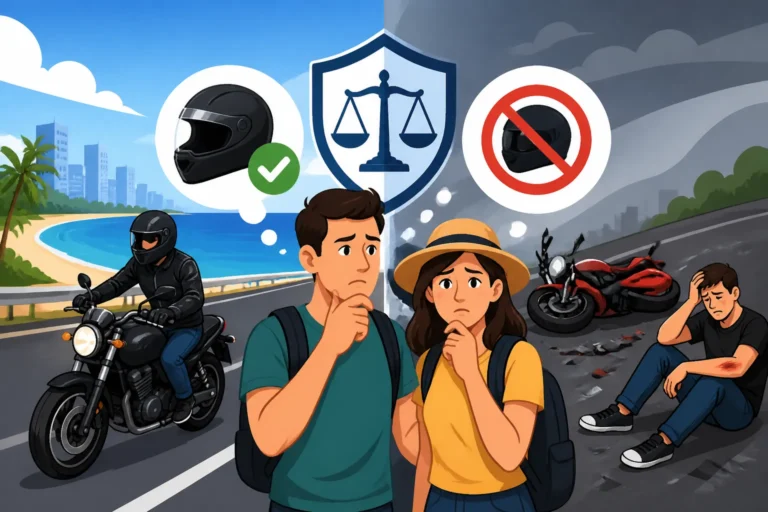
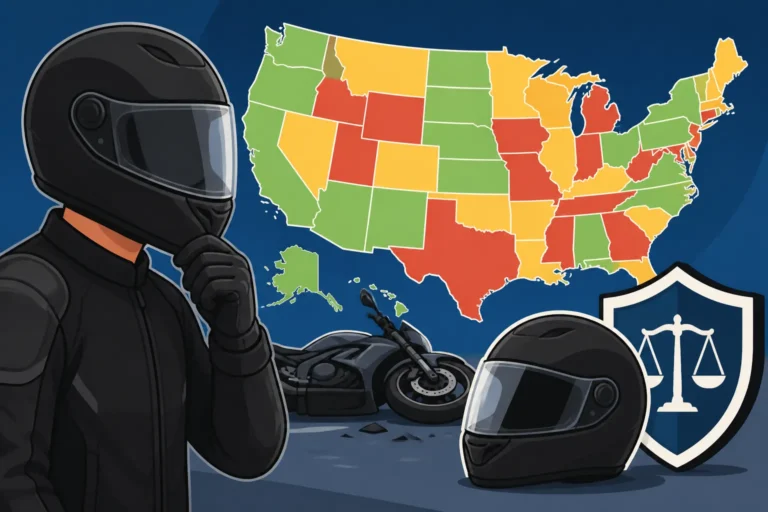
The rules of the road for helmets aren't uniform across the country, which adds a layer of complexity for riders. Some states, like California, have what are known as universal helmet laws, meaning every rider and passenger, regardless of age, must wear a DOT-compliant helmet. This strict approach leaves little room for ambiguity. On the other end of the spectrum, you have states with partial helmet laws, where only riders under a certain age (often 18 or 21) are required to wear a helmet, or where riders over a certain age can forgo a helmet if they meet specific insurance requirements, like in Florida or Texas. Then there are a handful of states, such as Illinois or Iowa, with no universal helmet laws for adults, though local municipalities might have their own ordinances.
These variations mean that what’s perfectly legal in one state could land you in hot water in another, both with law enforcement and, more importantly, with insurance adjusters after a crash. Understanding these nuances is critical, and you can delve deeper into the specific requirements for your area by checking out resources on Motorcycle Helmet Laws by State. Regardless of where you ride, insurance companies will certainly be looking at whether you were compliant with the law at the time of your accident.
The Immediate Impact of Helmet Use on Your Claim
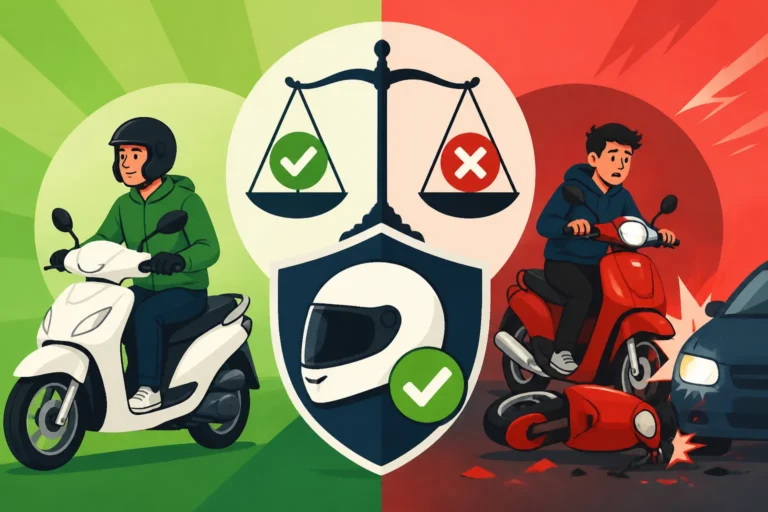
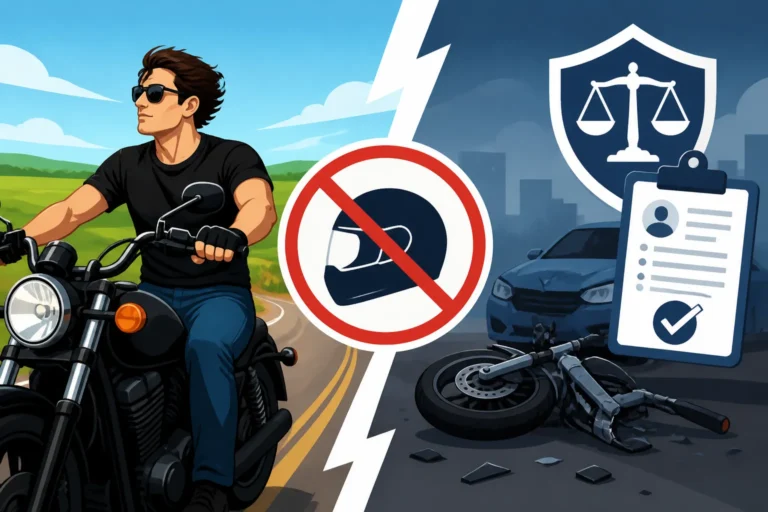
When an accident happens, the first thing many people think about is who was at fault. While that's undoubtedly a major factor, what you were wearing on your head can profoundly influence How Helmet Laws Affect Your Accident Claim. If you weren't wearing a helmet in a state that requires one, or if you were wearing a non-compliant "novelty" helmet, insurance companies for the at-fault driver will jump on this. They'll argue that your injuries, especially head and facial injuries, could have been less severe had you been wearing proper protection.
This isn't just an abstract legal point; it directly translates to the value of your potential settlement. They'll try to shift a portion of the responsibility for your injuries onto you, even if the other driver was clearly negligent. This tactic can significantly reduce the compensation you receive for medical bills, lost wages, and pain and suffering. It’s a tough pill to swallow: even if the car driver pulled out in front of you, failing to yield, your lack of proper gear might still be used against you.
Battling the "Helmet Defense" from Insurers
The "helmet defense" is a very real, and often devastating, tactic used by insurance companies to chip away at your motorcycle accident claim. It's designed to cast doubt on the severity of your injuries, or at least argue that your own actions contributed to them, thereby reducing their financial liability.
How Insurers Use Rider Stereotypes and the Helmet Defense
Let's be brutally honest: motorcycle riders often face an uphill battle when it comes to public perception and, by extension, how insurance companies view their claims. There’s a persistent stereotype that riders are reckless, inherently putting themselves at risk. Insurance adjusters, and even juries, can sometimes be swayed by these biases. When you combine this pre-existing bias with the "helmet defense," it becomes a powerful tool for them.
They’ll argue that had you worn a helmet, or a better helmet, your head and facial injuries wouldn't be as bad. This argument is particularly potent if you suffer from a traumatic brain injury or severe facial trauma. Even if the accident was 100% the other driver's fault – maybe they were texting while driving and swerved into your lane – the insurer will try to reduce your payout by claiming you contributed to the extent of your injuries. This is a subtle but effective way they can try to reduce a settlement, even when fault for the collision itself isn't disputed. Understanding The Helmet Defense Explained is vital for any rider. This defense can lead to a significant reduction in your overall compensation, which is why your choice of helmet is so important.
Mitigating Risk: The Role of Proper Gear in Your Claim
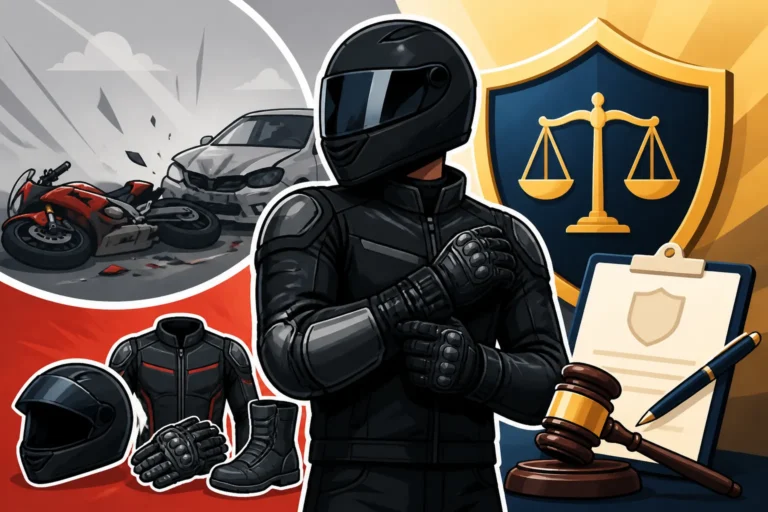
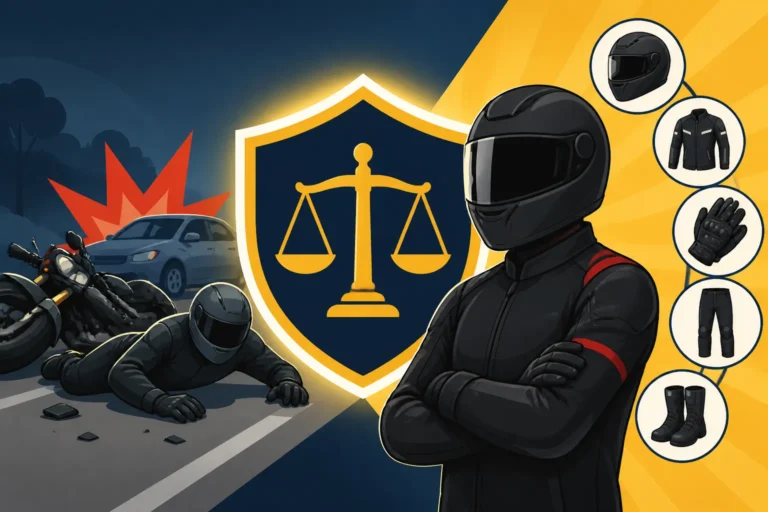
The best defense against the "helmet defense" is proactive protection. Wearing a high-quality, DOT-compliant helmet, along with other essential motorcycle safety gear, drastically reduces the opportunities for insurance companies to undermine your claim. It shows that you were a responsible rider who took precautions, which can go a long way in countering negative stereotypes.
While it won’t prevent an accident, wearing a helmet can prevent catastrophic head injuries and significantly reduce the severity of others. This isn't just about personal safety; it’s about providing clear evidence to support your injury claims. A severely damaged, but intact, helmet is powerful proof that you took every reasonable step to protect yourself, making it much harder for the insurer to argue that your injuries were your own fault for not wearing proper gear. When you read about How Not Wearing a Helmet Affects Your Settlement, you quickly understand the financial implications.
The Full-Face Advantage: Unrivaled Protection, Stronger Claim
When we talk about helmets, it's easy to think of them as a singular entity. But the reality is, there's a huge difference in the level of protection offered by various helmet types, and this distinction becomes incredibly important when you're dealing with the aftermath of an accident and trying to protect your motorcycle accident claim.
Beyond the Skull: Comprehensive Facial and Jaw Protection
A full-face helmet offers a level of comprehensive protection that no other helmet type can match. While half-helmets or open-face helmets certainly provide some cranial protection, they leave your jaw, chin, and face completely exposed. Think about the physics of a motorcycle crash: a rider is often thrown forward, and initial impacts can frequently involve the face and jaw hitting the ground or another object. According to studies and accident reconstruction data, a significant percentage of impacts occur on the chin bar area of a helmet.
This is where the full-face helmet truly shines. Its integrated chin bar and visor system are designed to absorb and distribute impact forces across a larger surface area, preventing devastating facial fractures, dental trauma, and serious lacerations. When you sustain a traumatic brain injury, or even just road rash across your face, the damages can be astronomical – physically, emotionally, and financially. By fully enclosing your head, a full-face helmet significantly reduces the risk of these types of injuries. Many excellent full-face helmets are available from reputable retailers like Cycle Gear, ensuring riders can find a helmet that fits well and meets stringent safety standards.
Protecting Against Road Rash and Other Facial Trauma
Road rash is a common injury in motorcycle accidents, and while often thought of as a scrape, it can be incredibly severe, sometimes requiring skin grafts and leading to permanent scarring. When your face is exposed in a crash, facial road rash is a very real and horrifying possibility. Imagine the pain, the lengthy recovery, and the potential for disfigurement. A full-face helmet acts as a crucial barrier against this.
The robust outer shell and strong visor of a full-face helmet prevent direct contact between your skin and the abrasive road surface. This isn't just about preventing painful scrapes; it's about avoiding extensive medical treatment, potential plastic surgery, and the immense emotional distress that comes with severe facial injuries. These types of injuries directly impact the "pain and suffering" component of your claim, and by preventing them, a full-face helmet actually helps streamline your recovery and reduces the arguments an insurer can make about the severity of your non-head injuries. This detailed protection plays a huge role in claims involving Motorcycle Road Rash: Claims and Compensation and Motorcycle Facial Injuries: Claims and Compensation.
Solidifying Your Argument for Full Damages
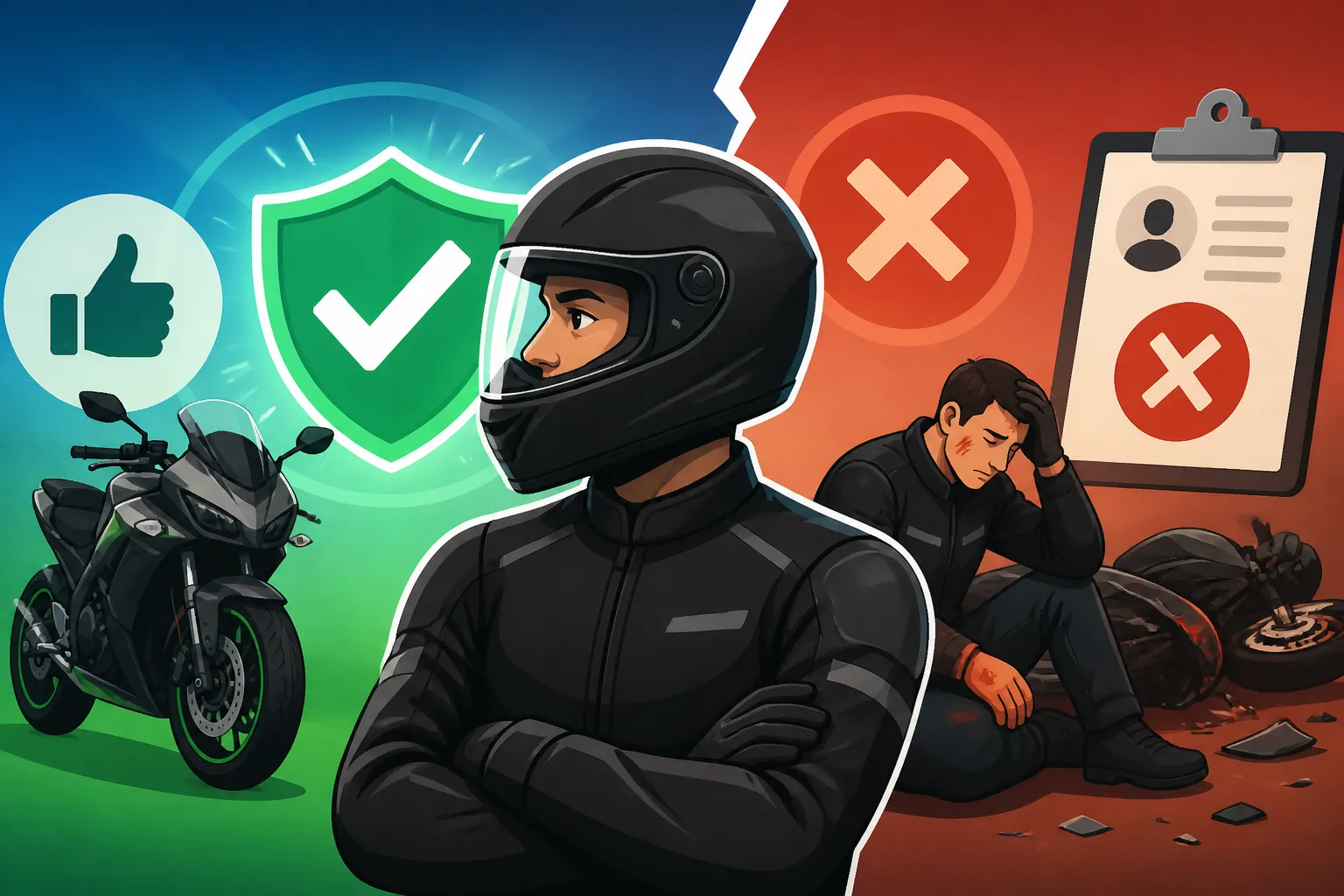
When you're fighting for compensation after an accident, the severity of your injuries directly correlates with the amount of damages you can claim. Insurers are always looking for ways to argue that your injuries aren't as bad as you claim, or that you contributed to their severity. A full-face helmet provides compelling evidence that you were a responsible rider who took every reasonable precaution to protect yourself.
Consider this: if you suffer a serious head injury while wearing a full-face, DOT-compliant helmet, it becomes significantly harder for the opposing insurance company to argue that your injury would have been less severe if only you had worn proper head protection. Your helmet itself, especially if damaged, becomes a tangible piece of evidence demonstrating the force of impact and how it absorbed much of that energy, protecting you as designed. This directly impacts How Injury Severity Affects Compensation and helps prevent the insurance company from successfully deploying the helmet defense to reduce your payout.
Documenting Your Full-Face Helmet for Your Claim
Wearing a full-face helmet is the first step, but documenting its presence and condition after an accident is just as vital to protect your motorcycle accident claim. Without proper documentation, even the best helmet can't speak for itself in the claims process.
Capturing Evidence at the Scene
In the chaotic moments following a motorcycle accident, it can be incredibly difficult to think clearly, but taking a few critical steps can make a world of difference for your claim. First and foremost, if you are able and it is safe to do so, document everything. This includes taking clear, well-lit photographs of your damaged full-face helmet. Photograph it from multiple angles, showing any cracks, scrapes, gouges, or deformation. Don't just focus on the helmet; capture its position relative to your motorcycle and the accident scene.
These photos serve as immediate, undeniable evidence that you were wearing appropriate head protection. They also visually demonstrate the force of impact your helmet absorbed. If paramedics or police instruct you to remove your helmet, ensure someone takes photos of it after removal, if possible. Remember, in the moments after a crash, adrenaline can mask injuries. It’s always best to seek medical attention, even if you feel okay, and let medical professionals assess your condition and remove your helmet if necessary. For more guidance on this crucial step, read up on How to Document the Scene to Prove Fault.
Proving Your Helmet's Compliance and Effectiveness
Beyond just showing you had a helmet, you'll need to demonstrate that it was a legitimate, DOT-compliant full-face helmet. This means looking for the DOT sticker on the back of the helmet, which signifies it meets minimum safety standards. If you still have the receipt or the helmet's original box, that can also be excellent proof of purchase and compliance. Keep all documentation related to your helmet.
An expert can also assess the damage to your helmet and testify to its effectiveness in preventing or mitigating your injuries. They can explain how the helmet's design, materials (like EPS foam and composite shells), and the specific damage observed indicate that it performed its protective function. This kind of expert testimony can be invaluable in countering an insurer's attempts to use the "helmet defense." When looking for gear, whether it's a specific brand or just ensuring it's DOT-compliant, checking out retailers like Cycle Gear is a good way to ensure you're getting quality, verifiable protection. To further strengthen your case, review tips on How to Prove You Wore a Helmet.
| Helmet Type | Protection Zones Covered | Common Injuries Without | Claim Impact (If Worn) |
|---|---|---|---|
| Full-Face | Entire head, face, chin, jaw | TBI, facial fractures, dental trauma, severe road rash | Significantly strengthens claim against helmet defense; reduces severity of head/face injury claims |
| Open-Face | Top, back, and sides of head | Facial fractures, dental trauma, severe road rash, TBI (frontal) | Stronger than no helmet, but still vulnerable to helmet defense for exposed areas |
| Half-Helmet | Top of head | TBI (sides/back), facial fractures, dental trauma, severe road rash, neck/jaw injuries | Weakest protection, highly vulnerable to helmet defense for wide range of serious injuries |
Preserving Your Damaged Gear
It might seem counterintuitive to hold onto a wrecked piece of gear, but your damaged full-face helmet is critical evidence. Do not throw it away or allow it to be discarded. This is physical proof of the impact and your efforts to protect yourself. It can be visually compelling for adjusters, lawyers, and potentially a jury. Your helmet's condition tells a story about the crash and the forces involved. It illustrates how the helmet did its job, absorbing and distributing impact energy, potentially preventing even more catastrophic injuries. For more on this, check out How Gear Damage Supports Your Claim and Protective Gear as Evidence in a Claim. Keeping your helmet, along with any other damaged riding gear, ensures that valuable evidence isn't lost.
Disclaimer
Please remember that this article provides general information and insights into motorcycle accident claims and helmet laws. It is not legal advice. Every accident is unique, and the laws governing motorcycle accidents and personal injury claims vary by jurisdiction. You should always consult with a qualified legal professional specializing in motorcycle accidents to discuss the specific details of your case and understand your rights and options.