Motorcycle Fractures: Claims and Compensation
Motorcycle accidents often leave riders with devastating injuries, and among the most common and debilitating are fractures. The sheer force of impact, combined with a rider’s lack of external protection, means that bones often bear the brunt of the collision. Dealing with a broken bone is painful enough, but when it’s the result of someone else’s negligence, the added stress of navigating an injury claim can feel overwhelming. This guide is here to walk you through the complexities of claims and compensation specifically related to motorcycle fractures, helping you understand what to expect and how to protect your rights.
Understanding Common Motorcycle Accident Fractures
When a motorcycle goes down, the rider is often flung from the bike or pinned beneath it, leading to direct impacts that can shatter bones. Unlike occupants in a car who are somewhat shielded by the vehicle's frame, motorcyclists have very little to absorb the kinetic energy of a crash. This direct exposure is precisely why fractures are so incredibly common and often severe in motorcycle accidents.
Types of Fractures Riders Often Face
The human body is an intricate machine, but it’s no match for the forces involved in a motorcycle collision. Riders commonly sustain a wide range of fractures, each with its own recovery challenges and implications for a claim.
- Compound Fractures: These are perhaps the most alarming, as the broken bone pierces through the skin, exposing it to infection and requiring immediate, often extensive, surgical intervention. Picture a tibia fracture from a direct side impact, where the bone is not only broken but driven out of the leg.
- Comminuted Fractures: Here, the bone shatters into multiple fragments. These are particularly tricky to treat and often necessitate complex surgeries to piece the bone back together, sometimes involving plates, screws, or rods. A pelvis fractured into several pieces after being crushed between the bike and another vehicle is a grim example.
- Open vs. Closed Fractures: An open fracture, also known as a compound fracture, involves the bone breaking through the skin. A closed fracture means the bone is broken but the skin remains intact. While a closed fracture might seem less severe, it can still involve significant internal damage and displacement.
- Spiral Fractures: These occur when a twisting force is applied to a bone, causing it to break in a spiral pattern. Imagine a rider's leg twisting awkwardly beneath a downed bike, leading to a spiral fracture of the femur. These can be painful and unstable.
- Impacted Fractures: In these cases, the force of the collision drives one end of the broken bone into the other, often crushing bone tissue. This can happen in vertebrae when a rider is violently thrown onto their back or from a direct compression injury to the heel or wrist.
Common locations for these brutal injuries include the lower extremities (tibia, fibula, femur, ankle), upper extremities (radius, ulna, humerus, collarbone, wrist), and the torso (ribs, vertebrae, pelvis). Each location, and the specific type of fracture, carries different recovery times, treatment protocols, and, crucially, different values in a personal injury claim.
Why Fractures Are So Prevalent in Motorcycle Crashes
The simple truth is that motorcycles offer almost no crumple zone. There’s no steel frame, no airbags, and very little between you and the asphalt or the other vehicle.
- Direct Impact: When a car hits a motorcycle, or a motorcycle hits an object, the rider often takes the full force of the impact directly on their body. This direct transfer of energy means bones often bear the brunt, leading to immediate fractures. Think about a left-turn collision where a car turns in front of a bike, and the rider's leg impacts the car door. This could easily result in a fractured tibia or femur.
- Crushing Injuries: In many accidents, the rider can be pinned under their own motorcycle or trapped between vehicles. This crushing force can cause severe comminuted fractures, particularly to the pelvis or lower limbs.
- High-Speed Ejection: Even at moderate speeds, being ejected from a motorcycle means hitting the ground with significant force. The body absorbs this energy upon impact, leading to fractures in wrists, arms, collarbones, and even spinal vertebrae as the body tumbles.
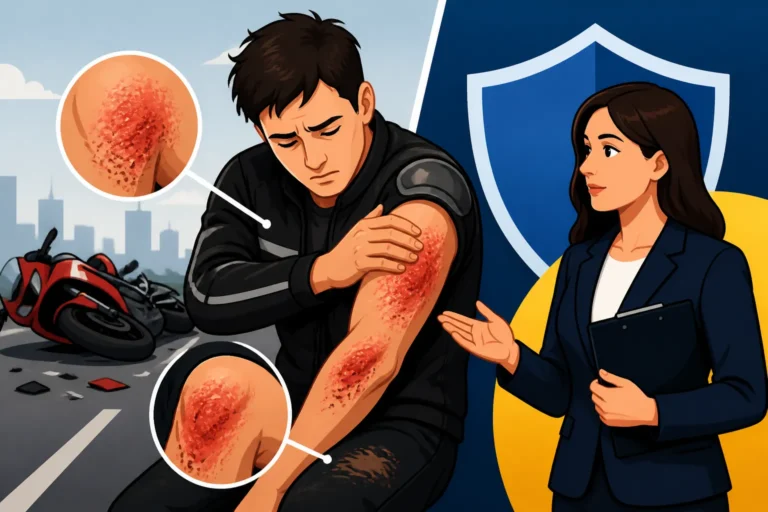
- Road Rash and Secondary Impacts: While road rash itself isn't a fracture, the sliding impact that causes it can also involve bones hitting the pavement or other surfaces, leading to additional fractures underneath the abraded skin. The road is unforgiving, and even a slide can result in multiple broken bones.
Understanding these mechanics helps illustrate why motorcycle accidents cause such severe injuries and why proving the extent of these damages is critical for a successful claim.
The Immediate Aftermath and Medical Documentation
After the shock of an accident, your immediate priority must always be your health and safety. The actions you take in the moments, days, and weeks following a motorcycle crash, especially when dealing with fractures, are absolutely crucial not just for your recovery, but also for the strength of any future claim. Neglecting medical care or failing to document your journey can inadvertently undermine your ability to receive fair compensation. If you're ever in this terrifying situation, remember to take immediate steps to protect yourself and your potential claim.
Prioritizing Medical Attention and Diagnosis
It cannot be stressed enough: seek medical attention immediately after a motorcycle accident, even if you don't feel severely injured at first. Adrenaline can mask pain, and some fractures might not be immediately apparent.
- Emergency Care is Non-Negotiable: If you suspect a fracture, call 911 or have someone call for you. Paramedics can stabilize you, and hospital emergency rooms are equipped to provide the necessary diagnostic imaging like X-rays, CT scans, and MRIs. These images are the definitive proof of your fractures. For instance, a clavicle fracture might just feel like a bad bruise at first, but an X-ray will clearly show the break, documenting it from day one.
- The Importance of Timely Diagnosis: Any delay in seeking medical care can be used by insurance companies to argue that your injuries weren't severe or weren't caused by the accident. They might suggest you sustained the injury elsewhere, or that you exacerbated it by waiting. This is a common tactic to minimize payouts.
- Following Through with Treatment: Once diagnosed, adhere strictly to your doctor’s treatment plan. This includes follow-up appointments, specialist referrals (e.g., orthopedic surgeons), physical therapy, and prescribed medications. Skipping appointments or not following medical advice provides ammunition for the defense to claim you weren't seriously injured or weren't committed to your recovery. Every single doctor's visit, every physical therapy session, creates a vital paper trail.
Documenting Your Injuries for a Claim
Your medical records are the backbone of your motorcycle accident claim. They provide objective evidence of your injuries, treatment, and recovery process.
- Medical Records and Reports: Every hospital visit, doctor’s appointment, surgery report, and physical therapy record needs to be collected. These documents detail the nature of your fractures, the severity, the procedures performed (like open reduction internal fixation – ORIF, or casting), and your progress or lack thereof. These records also help to clearly outline your Medical Expenses in a Motorcycle Claim.
- Imaging Results: Keep copies of all X-rays, CT scans, and MRI reports. These visual proofs unequivocally demonstrate the broken bones and any associated soft tissue damage. They are powerful evidence, often speaking louder than words in explaining the extent of your injuries.
- Injury Journal and Photos: Beyond official medical documents, maintaining a personal injury journal can be incredibly valuable. Document your daily pain levels, limitations, emotional struggles, and how the fracture impacts your life. Take regular photos of your injuries, especially in the early stages – showing swelling, bruising, surgical scars, and casts or braces. This personal narrative and visual evidence humanize your claim and provide a comprehensive picture of your suffering. For a deeper dive into this, check out our guide on How to Document Injuries for a Claim.
- Prescription Records: Keep a detailed log of all medications prescribed for pain, infection, or other complications related to your fractures. These demonstrate the ongoing pain and discomfort you are experiencing.
Economic Damages from Motorcycle Fractures
A motorcycle fracture doesn't just hurt; it hits you right in the wallet. The immediate costs of medical care are often staggering, but the financial fallout extends far beyond the hospital bill. These quantifiable financial losses are known as economic damages, and they form a significant portion of any personal injury claim. Understanding how to meticulously track and present these damages is key to securing the compensation you deserve.
Covering Medical Expenses
The path to recovery from a significant fracture often involves a series of costly medical interventions, and every single penny spent needs to be accounted for.
- Emergency Care and Hospital Stays: This is often the first and largest chunk of your medical bills. Ambulance rides, emergency room physician fees, diagnostics (X-rays, CTs, MRIs), and potentially days or weeks in the hospital for observation or initial stabilization all add up quickly. A stay for a complex pelvic fracture could easily run into the tens of thousands, even hundreds of thousands, of dollars.
- Surgeries and Procedures: Many fractures, especially compound or comminuted breaks, require surgery. This could involve Open Reduction Internal Fixation (ORIF) to realign and secure bones with plates, screws, or rods. An orthopedic surgeon's fees, anesthesiologist's fees, operating room charges, and follow-up procedures are all significant expenses. For example, a shattered femur might need multiple surgeries over time.
- Medications and Medical Devices: Painkillers, antibiotics (especially for open fractures), anti-inflammatory drugs, and any other prescriptions necessary for your recovery are economic damages. Additionally, you'll likely need crutches, a wheelchair, specialized braces, or other adaptive equipment, all of which carry a cost.
- Physical Therapy and Rehabilitation: Once the initial healing has occurred, extensive physical therapy is often required to regain strength, mobility, and function. These sessions can last for months or even years, accumulating substantial bills. For someone with a severe ankle fracture, regaining the ability to walk normally could require daily therapy for a prolonged period.
- Future Medical Costs: This is a critical component of claims involving severe fractures. Many fractures lead to long-term issues like arthritis, chronic pain, or the need for future hardware removal surgeries. Estimating these future expenses accurately, often with the help of medical experts, is vital. You might need ongoing pain management, periodic injections, or even future joint replacement surgery years down the line. Our article on How Future Medical Costs Are Estimated dives deeper into this crucial calculation.
Accounting for Lost Wages and Earning Capacity
Beyond medical bills, the inability to work due to your fracture can be one of the most financially crippling aspects of your injury.
- Calculating Lost Income: This includes wages, salary, bonuses, commissions, and tips you would have earned if you hadn't been injured. If you're a salaried employee, it's fairly straightforward to calculate. For hourly workers, calculating an average based on prior pay stubs is necessary. If you’re self-employed, proving lost income can be more complex, often requiring tax returns, business records, and expert testimony to demonstrate your historical earnings. For instance, a freelance graphic designer with a fractured dominant wrist could lose months of income, and accurately proving that requires detailed financial documentation. More insights on this can be found in How Lost Wages Are Calculated.
- Using Sick Leave, Vacation, or PTO: Even if you used your accrued sick leave or vacation time, that still represents a financial loss, as you no longer have those benefits available for future needs. You can typically claim these as part of your lost wages.
- Loss of Earning Capacity: This refers to the long-term impact your fracture might have on your ability to earn money in the future. Perhaps your injury prevents you from returning to your previous physically demanding job, or you can only work part-time, or you need to retrain for a less lucrative career. If a carpenter, for example, suffers a permanent shoulder impairment due to a comminuted humerus fracture, their ability to perform their trade is severely diminished, leading to a substantial loss of future earning potential. This is often the largest component of lost income for catastrophic injuries and requires vocational experts to assess.
- Documentation for Lost Wages: You’ll need pay stubs, W-2s, tax returns, and a letter from your employer confirming your time off and inability to work. For self-employed individuals, detailed business records are indispensable.
Non-Economic Damages and Pain & Suffering
While economic damages are tangible, non-economic damages address the profound impact a fracture has on your quality of life. These are often harder to quantify but are no less real or deserving of compensation. They encompass the physical pain, emotional distress, and overall loss of enjoyment that result from your injuries.
Valuing Physical Pain and Emotional Distress
Living with a severe fracture is a deeply personal and often agonizing experience. It's not just the sharp pain of the break, but the persistent discomfort, limitations, and emotional toll that truly wear you down.
- Acute and Chronic Pain: The immediate, intense pain of a fracture is undeniable, often requiring strong painkillers. But many fractures lead to chronic pain that can linger for months, years, or even a lifetime. This might be nerve pain, joint pain, or persistent muscle soreness around the injury site. Imagine the constant ache from a badly healed ankle fracture that makes every step a challenge.
- Mental Anguish and Psychological Impact: Being seriously injured in a motorcycle accident can be traumatic. Many riders experience significant emotional distress, including anxiety, depression, fear of riding again, and even post-traumatic stress disorder (PTSD). The helplessness, frustration with dependency on others, and the disruption to daily life can take a heavy toll on mental well-being. Our detailed guide on Pain and Suffering Damages Explained offers more on how these non-economic losses are assessed.
- Scarring and Disfigurement: Surgeries to repair fractures often leave permanent scars. For open fractures, the scarring can be particularly severe. These physical marks can lead to self-consciousness, embarrassment, and a permanent alteration of one's appearance, especially if on visible areas like the face or limbs.
Impact on Quality of Life and Daily Activities
Fractures don't just affect your body; they permeate every aspect of your life, altering your routine, relationships, and sense of self.
- Loss of Enjoyment of Life: This critical component accounts for your inability to participate in hobbies, recreational activities, and personal pursuits that you enjoyed before the accident. If you loved hiking, playing sports, or simply going for long rides on your motorcycle, a severe leg or back fracture can rob you of those joys, perhaps permanently. The loss of independence, like being unable to drive or care for yourself, also falls under this umbrella.
- Impact on Relationships: The stress of physical pain, financial strain, and emotional distress can strain personal relationships. You might be unable to participate in family activities, contribute to household chores, or engage intimately with your partner as you once did. This "loss of consortium" for a spouse can also be a compensable damage.
- Daily Living Limitations: Simple tasks that you once took for granted become monumental challenges. Dressing, bathing, cooking, cleaning, and even sleeping can become painful or impossible without assistance. This loss of autonomy is a significant form of suffering.
- Sleep Disturbances and Fatigue: Chronic pain and discomfort often lead to sleepless nights, contributing to fatigue, irritability, and hindering the healing process.
Collecting detailed accounts through an injury journal, witness statements from family and friends, and testimony from mental health professionals can help illustrate the profound and pervasive impact your fractures have had on your life.
Navigating the Claims Process with Fracture Injuries
Dealing with a severe fracture is a full-time job in itself, making the thought of battling insurance companies daunting. Yet, a successful claim is crucial for covering your extensive medical bills and compensating you for your suffering. The claims process can be complex, and understanding how to effectively gather evidence and counter common insurance tactics is vital.
Gathering Comprehensive Evidence for Your Claim
The stronger your evidence, the harder it is for insurance companies to deny or devalue your claim. For fracture injuries, this means leaving no stone unturned.
- Police Reports and Accident Reconstruction: The official police report provides an objective account of the accident, including details about the vehicles involved, road conditions, and often, initial determinations of fault. While not always definitive, it’s a crucial starting point. For complex accidents, an accident reconstruction expert can analyze skid marks, vehicle damage, and other physical evidence to create a scientific recreation of how the crash occurred, proving the other driver's negligence. Our article Motorcycle Accident Evidence for Proving Fault explains this in more detail.
- Witness Statements: Independent witnesses can provide unbiased accounts of what they saw, corroborating your version of events and countering any claims by the other driver. Their statements can be incredibly powerful in establishing who is at fault in a motorcycle accident.
- Helmet and Gear Damage: While a helmet is designed to protect your head, damage to it and other riding gear (jacket, pants, boots) provides physical evidence of the impact forces you endured. This can help demonstrate the severity of the crash and, indirectly, the likelihood of severe injuries like fractures. Conversely, insurance companies might try to use the "helmet defense" if you weren't wearing a DOT-compliant helmet, even if it had no bearing on your specific fracture injury. Our guide on Motorcycle Helmet Laws by State explains the nuances.
- Medical Expert Testimony: For serious fractures with long-term implications, medical experts (orthopedic surgeons, neurologists, physical therapists) can provide testimony about the extent of your injuries, the necessity of past and future treatments, and any permanent impairments you might suffer. Their professional opinions carry significant weight in court and with insurance adjusters.
How Insurance Companies Assess Fracture Claims
Insurance companies are not on your side; their primary goal is to minimize payouts. They have specific strategies for dealing with motorcycle fracture claims, and being aware of them can help you protect yourself.
- Scrutinizing Medical Records: They will meticulously comb through your medical history, looking for pre-existing conditions that they can blame for your current pain or complications, even if the accident clearly exacerbated them. They'll also look for gaps in treatment, claiming you didn't seek care consistently enough.
- Assigning Blame to the Rider: There's an unfair stigma against motorcyclists, often leading insurers to assume the rider was at fault. They will look for any minor traffic violation you might have committed, even if it wasn't the proximate cause of the accident, to reduce your compensation through comparative negligence rules. Our article How Insurance Companies Assign Blame to Riders details these tactics.
- Lowball Settlement Offers: Don't be surprised by an initial lowball offer. This is a common tactic to settle quickly before you fully understand the extent of your injuries or the true value of your claim, especially if your fractures are still healing and future complications are unknown. Remember, you do not have to accept their first offer.
- "I Didn't See the Motorcycle" Defense: This is a tragically common excuse used by drivers. Insurers will often lean on this, suggesting that if their driver didn't see you, perhaps you were somehow invisible or operating unsafely. Countering this requires strong evidence like witness statements, accident reconstruction, and dashcam footage.
Factors Influencing Your Fracture Claim's Value
Determining the value of a motorcycle fracture claim is rarely straightforward. It’s not just about the type of bone broken, but a complex interplay of medical facts, individual circumstances, and legal principles. Every case is unique, and what might be a high-value claim for one person could be less for another, even with similar injuries, due to these crucial distinctions.
Severity, Type, and Location of the Fracture
Not all fractures are created equal, and their characteristics significantly impact the potential compensation.
- Simple vs. Complex Fractures: A clean, closed break in a minor bone (like a toe) will inherently be valued less than a comminuted fracture of a major weight-bearing bone (like a femur or tibia). Complex fractures often require more extensive surgeries, longer recovery periods, and have a higher risk of complications.
- Weight-Bearing vs. Non-Weight-Bearing Bones: Fractures to bones crucial for mobility, such as the femur, tibia, fibula, pelvis, or spine, tend to result in higher compensation due because they severely limit independence and have a profound impact on daily life and ability to work. A broken arm, while debilitating, might not impact mobility as severely as a broken leg.
- Open (Compound) Fractures: These are often among the highest-valued due to the increased risk of infection, often necessitating multiple surgeries, and typically leaving significant scarring and potential nerve damage. The pain, prolonged recovery, and visible disfigurement contribute significantly to the claim's value.
- Impact on Joint Function: If a fracture extends into a joint (e.g., knee, ankle, hip, shoulder), it carries a higher risk of long-term arthritis, pain, and reduced range of motion. These types of injuries can lead to permanent impairment and often require future surgical interventions, significantly increasing the claim's value.
Long-Term Prognosis and Permanent Impairment
The future implications of your fracture play an enormous role in determining compensation. It’s not just about how you are today, but how you will be in the years to come.
- Permanent Disability: If your fracture leads to a permanent disability, such as chronic pain, limited mobility, or nerve damage that affects your ability to perform daily tasks or work, your claim's value will increase substantially. A vocational expert might be needed to assess the impact on your earning capacity for the rest of your working life. Our guide on Long-Term Effects of Motorcycle Injuries explores these profound impacts.
- Ongoing Medical Needs: Some severe fractures require lifelong medical management, including pain medication, regular physical therapy, assistive devices, or even future surgeries (e.g., joint replacements, hardware removal). These projected future costs are a major component of your claim.
- Loss of Earning Capacity: As discussed earlier, if your fracture prevents you from returning to your former occupation or significantly reduces your future earning potential, this loss must be fully compensated. This is especially true for catastrophic fractures affecting highly skilled or physically demanding professions.
- Loss of Enjoyment of Life: If the fracture permanently limits your ability to engage in hobbies, sports, or other activities you once loved, this loss of quality of life is a significant non-economic damage that deserves substantial compensation.
State-Specific Laws and Shared Fault
The legal framework in which your accident occurred can also significantly influence your payout, particularly when there's a question of shared responsibility.
- Comparative Negligence Laws: Most states operate under some form of comparative negligence. This means that if you are found to be partially at fault for the accident, your total compensation can be reduced by your percentage of fault. For example, in a pure comparative negligence state like California, if you're found 20% at fault for speeding, and your damages are $100,000, you'd only recover $80,000. Other states, like Texas, use a "modified" comparative negligence rule (51% bar rule), where you cannot recover anything if you are found 51% or more at fault. This can be a major factor in How Comparative Negligence Reduces Your Payout.
- Statute of Limitations: Each state sets a strict deadline, known as the statute of limitations, for filing a personal injury lawsuit. If you miss this deadline, you will likely lose your right to pursue compensation, regardless of the severity of your fractures. For instance, in Florida, it's typically two years from the date of the accident.
- Insurance Policy Limits: Even with severe fractures, your compensation is ultimately capped by the at-fault driver's insurance policy limits. If their policy only covers $50,000 in bodily injury liability, and your damages are $200,000, you might only receive $50,000 from their insurer unless you have Uninsured/Underinsured Motorist (UM/UIM) coverage on your own policy, or pursue a lawsuit against the at-fault driver's personal assets (which is often difficult). Understanding How Insurance Policy Limits Affect Your Payout is crucial.
| Fracture Type | Severity Example | Potential Impact on Claim Value (General) | Common Complications |
|---|---|---|---|
| Hairline/Stress | Micro-cracks, often not visible on initial X-rays | Lower (often minor, short-term treatment) | Can worsen if not treated, chronic pain |
| Simple (Closed) | Clean break, skin intact (e.g., non-displaced wrist) | Moderate (cast, physical therapy, full recovery) | Stiffness, some residual pain |
| Displaced | Bone fragments misaligned, requiring reduction | Moderate to High (surgery often needed) | Malunion, nonunion, nerve damage |
| Open (Compound) | Bone pierces skin (e.g., tibia through skin) | High (multiple surgeries, high infection risk) | Infection, scarring, nerve damage, amputation risk |
| Comminuted | Bone shatters into multiple pieces (e.g., pelvis) | Very High (complex surgery, long rehab, disability) | Arthritis, permanent deformity, nerve damage, loss of function |
| Articular | Fracture extending into a joint (e.g., knee, ankle) | High (risk of chronic arthritis, future surgery) | Chronic pain, limited range of motion, early joint degeneration |
| Spinal | Vertebrae compression or burst fracture | Very High (potential paralysis, lifelong care) | Paralysis, chronic back pain, nerve damage, permanent disability |
By carefully documenting all aspects of your fracture, from the initial diagnosis to its long-term impact on your life, and understanding the legal context, you can build a strong case for maximum compensation.
Disclaimer
Please remember, this article provides general information and is not legal advice. Every motorcycle accident claim is unique, and the specifics of your situation, the laws of your state, and the details of your injuries will determine the best course of action. It is highly recommended to consult with a qualified legal professional specializing in motorcycle accident cases to discuss your individual circumstances and receive personalized advice.