Permanent Disability Compensation
Facing a motorcycle accident is terrifying enough, but when the injuries are so severe they leave you with a permanent disability, it can feel like your entire world has been shattered. The immediate pain and recovery are one thing, but the long-term reality of living with a permanent impairment often brings immense financial and emotional stress, leaving many wondering how they'll ever manage. This comprehensive guide is here to walk you through everything you need to know about permanent disability compensation in motorcycle accident claims, helping you understand how it's determined, what you might be entitled to, and how to fight for the support you truly deserve for your future.
Understanding Permanent Disability After a Motorcycle Accident
When you've been in a motorcycle accident, the path to recovery is often long and arduous. For many riders, the injuries sustained are far more severe than those in typical car accidents, frequently leading to life-altering conditions. It's crucial to understand what "permanent disability" actually means in the eyes of the law and insurance companies, as this definition directly impacts your eligibility and the amount of compensation you might receive. It's not just about what hurts now, but what will continue to affect you for the rest of your life.
What Qualifies as a Permanent Disability
A permanent disability, in the context of a personal injury claim, refers to any physical or mental impairment resulting from an injury that is expected to last for the remainder of your life and significantly limits your ability to perform daily activities, work, or engage in hobbies you once enjoyed. This isn't just a subjective feeling; it's a medical and legal determination. For example, a severe spinal cord injury leading to paralysis, a traumatic brain injury that impairs cognitive function, or the amputation of a limb are clear-cut examples. However, less obvious conditions, like chronic pain syndromes, severe nerve damage, or persistent mobility issues that significantly impact your ability to function, can also qualify. The key is that the condition is not expected to improve substantially, even with ongoing medical treatment.
The impact can be widespread, affecting everything from your ability to walk, lift, or concentrate, to your mental health and overall quality of life. Insurance adjusters, and eventually juries, will look for objective medical evidence to support these claims, so thorough documentation from specialists is paramount. This includes detailed doctor's notes, diagnostic test results, and expert opinions on your prognosis.
The Difference Between Temporary and Permanent Impairment
It’s easy to confuse temporary and permanent injuries, especially in the chaotic aftermath of an accident. Initially, most injuries will be considered temporary as doctors work to stabilize your condition and begin treatment. A broken arm, while debilitating for a few months, is typically a temporary impairment because, with proper care, it's expected to heal. You might suffer a short-term loss of income and endure significant pain, but eventually, you'll regain full or near-full function.
A permanent impairment, however, means that despite all reasonable medical treatment, you are left with a lasting functional deficit. This isn't about the injury itself being temporary; it's about the consequences of that injury. For instance, a herniated disc might be an injury, but if it leads to chronic nerve pain and irreversible weakness in your leg, severely limiting your ability to stand or walk for prolonged periods, that residual weakness and pain could be considered a permanent impairment. The distinction is critical because permanent disability compensation is designed to cover lifelong losses, not just the period of acute recovery.
Reaching Maximum Medical Improvement (MMI)
Before any determination of permanent disability can truly be made, you generally need to reach what is known as Maximum Medical Improvement, or MMI. This is a crucial concept in any personal injury claim. MMI signifies the point where your medical condition has stabilized, and further medical treatment is unlikely to improve your condition significantly. It doesn't necessarily mean you're "cured" or pain-free; it simply means you've recovered as much as you realistically can.
For someone recovering from a devastating motorcycle crash, reaching MMI can take months, or even years, depending on the severity of injuries like a Motorcycle Accident Traumatic Brain Injuries. During this phase, doctors might perform surgeries, prescribe extensive physical therapy, and monitor your progress closely. Once your treating physician determines you've reached MMI, they can then provide a final prognosis and assess the extent of any remaining permanent impairment. This medical assessment is a cornerstone of your claim, outlining specific limitations, restrictions, and an impairment rating if applicable, which directly informs the valuation of your permanent disability compensation. Rushing to settle before reaching MMI can be a critical mistake, as you might underestimate the true long-term costs of your injuries.
Types of Permanent Disabilities and Their Impact on Life
Motorcycle accidents, by their very nature, often lead to some of the most catastrophic injuries due to the lack of protection for the rider. These injuries can, and frequently do, result in permanent disabilities that profoundly alter a person's life trajectory. Understanding the different types of permanent disabilities and how they affect an individual's daily existence is essential for calculating fair and comprehensive compensation. It's not just about the medical diagnosis; it's about the tangible and intangible losses that ripple through every aspect of life.
Physical Impairments and Daily Living
Physical impairments are perhaps the most immediately recognizable forms of permanent disability. These can range from loss of limbs, known as amputations, to severe neurological damage resulting in paralysis, such as those caused by Spinal Cord Injuries from Motorcycle Accidents. Even less dramatic but equally debilitating conditions, like chronic joint pain, limited range of motion, or severe nerve damage, can fall under this category if they are permanent. Imagine a rider who loved to work on their bike, enjoyed hiking, or was an avid gardener, now struggling to perform basic tasks like dressing themselves, preparing meals, or even just walking across a room without assistance.
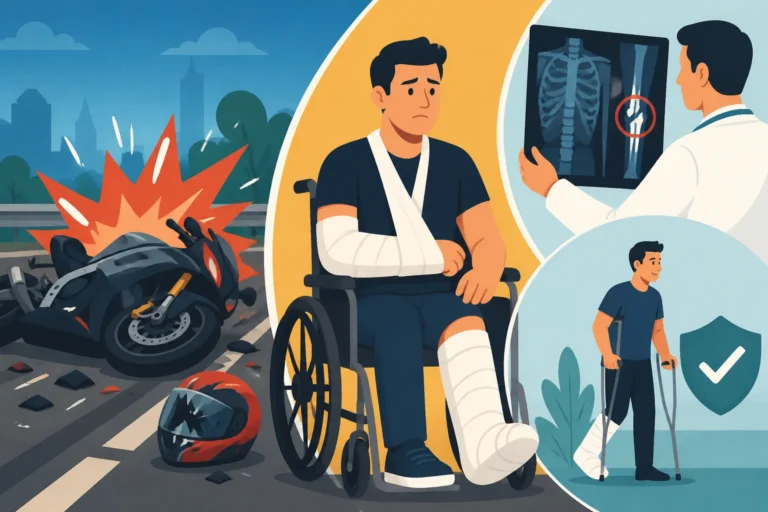
The impact on daily living is immense. Tasks that were once automatic become monumental challenges, requiring adaptive equipment, home modifications, or even full-time care. A rider with a permanently damaged leg might need a wheelchair or crutches, necessitating ramps at home and accessible transportation. Someone with chronic neck or back pain might be unable to sit or stand for extended periods, making simple outings or hobbies impossible. These limitations don't just affect the individual; they often place a significant burden on family members who become caregivers, altering household dynamics and relationships. The compensation must reflect not only the cost of medical care and adaptive equipment but also the loss of independence and the constant struggle with physical limitations.
Cognitive and Psychological Damages
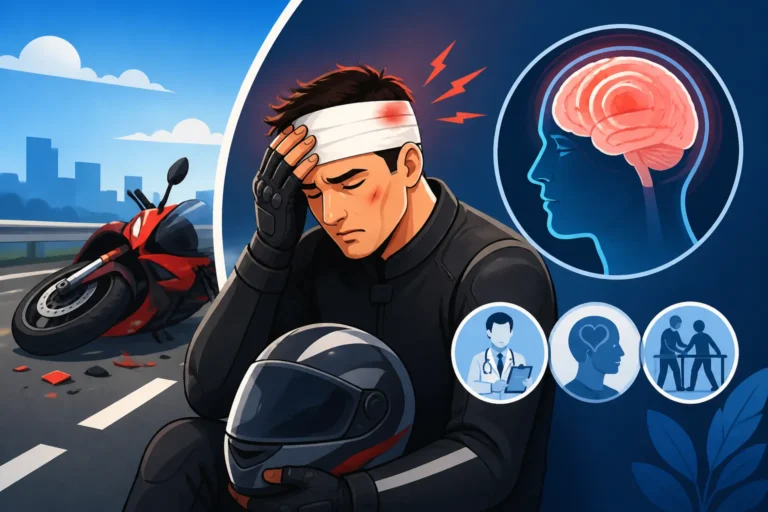
Not all severe injuries are visible on the outside. Traumatic brain injuries (TBIs) are tragically common in motorcycle accidents, and even "mild" TBIs can lead to devastating, permanent cognitive and psychological issues. These invisible wounds can be just as, if not more, debilitating than physical ones. Cognitive impairments might include memory loss, difficulty concentrating, problems with problem-solving, reduced processing speed, and impaired judgment. A rider who was once a sharp, quick-thinking professional might find themselves unable to perform complex tasks at work or even manage their personal finances.
Beyond cognitive issues, the psychological toll can be profound and permanent. Many accident survivors develop post-traumatic stress disorder (PTSD), severe anxiety, depression, or chronic emotional dysregulation. These conditions can lead to social withdrawal, relationship problems, sleep disturbances, and a pervasive sense of hopelessness. Imagine a rider who loved the freedom of the open road, now experiencing debilitating flashbacks or panic attacks at the mere sight of a motorcycle or loud traffic. These psychological wounds often require long-term therapy, medication, and support, and they significantly diminish a person's quality of life and ability to find joy. Compensation for these damages must include not only psychiatric care but also the profound impact on mental well-being and social functioning.
Loss of Earning Capacity and Future Income
One of the most significant and often overlooked components of permanent disability compensation is the loss of earning capacity. This refers to the difference between what you could have earned throughout your working life had the accident not occurred, and what you are now able to earn with your permanent disability. This is far more complex than simply calculating Lost Wages in a Motorcycle Claim for the time you were out of work immediately after the crash.
Consider a young professional, perhaps an electrician or a carpenter, who suffers a permanent hand injury. They might be able to return to some form of work, but their ability to perform their previous skilled labor is gone. They might have to retrain for a lower-paying desk job or be unable to work at all. This isn't just about their current salary; it's about their entire career trajectory, lost promotions, bonuses, benefits, and retirement contributions they would have accumulated over decades. Actuaries and vocational experts are often brought in to project these future losses, taking into account your age, education, work history, and the severity of your disability. Even if you can return to your previous job, if your permanent injuries mean you can only work part-time, or if you endure constant pain that will eventually force early retirement, those future losses must be factored into your permanent disability compensation.
Calculating Permanent Disability Compensation
Calculating permanent disability compensation is a complex process, far more nuanced than simply tallying up immediate bills. It's about forecasting a lifetime of needs, losses, and challenges. Insurance companies will always try to minimize these figures, so understanding the various components that contribute to your overall compensation is critical for advocating for your future. This involves a careful analysis of both your tangible financial losses and the profound intangible impact on your life.
Economic Damages: Medical Bills and Lost Wages
Economic damages are the calculable, objective financial losses you incur due to your motorcycle accident and subsequent permanent disability. These are often easier to quantify because they come with invoices, pay stubs, and clear monetary values.
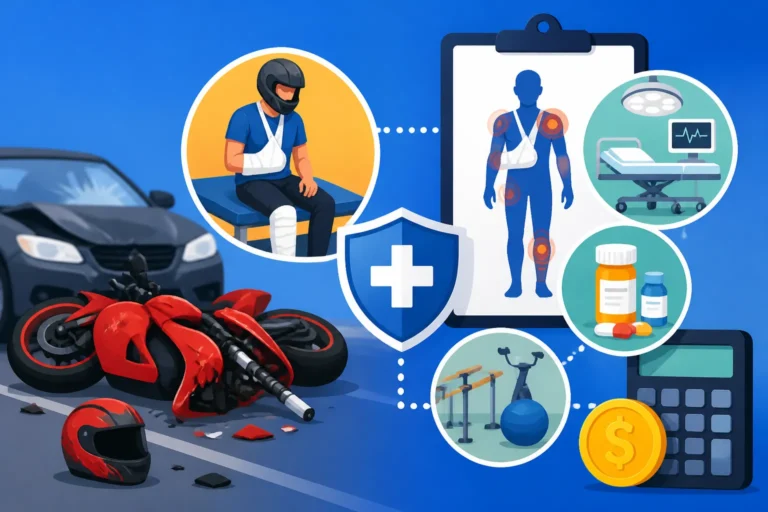
The most substantial portion of economic damages for a permanent disability often comes from medical expenses. This isn't just about the ambulance ride, emergency room visit, or initial surgeries. For someone with a permanent disability, medical costs are ongoing and often escalate over a lifetime. This includes future surgeries, long-term physical and occupational therapy, medications, specialized equipment like wheelchairs or prosthetics, home health care, modifications to your home or vehicle for accessibility, and regular doctor visits. A rider with a spinal cord injury, for example, will face astronomical Future Medical Costs Explained related to managing their condition, preventing secondary complications, and maintaining mobility aids. These costs must be projected over your expected lifespan, often requiring expert testimony from life care planners and economists.
Another critical component is lost wages and loss of earning capacity. While initial lost wages cover the time immediately after the accident, loss of earning capacity accounts for the long-term or permanent reduction in your ability to earn an income. If your permanent disability prevents you from returning to your previous profession or forces you into a lower-paying role, the difference in potential earnings for the rest of your career is a significant economic loss. Even if you can return to work, but with reduced hours, limitations, or increased pain that shortens your career, these factors contribute to your economic damages. Detailed documentation of your pre-accident earnings, along with vocational assessments, is vital here.
Non-Economic Damages: Pain, Suffering, and Loss of Enjoyment
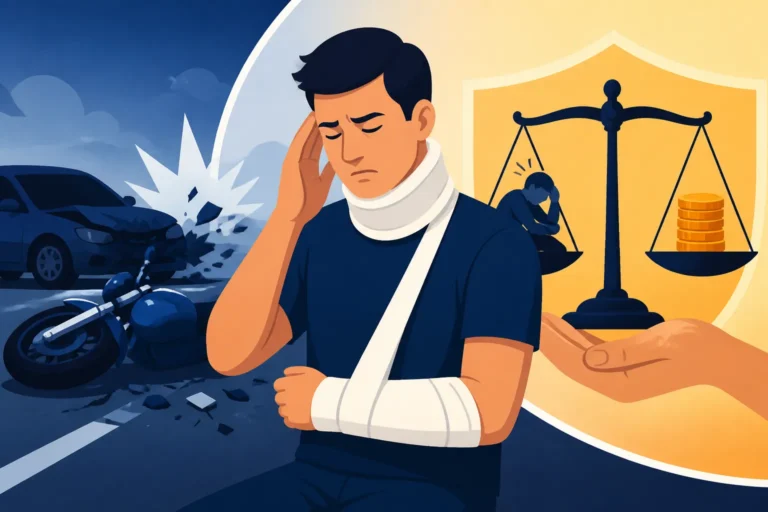
While economic damages focus on the numbers, non-economic damages address the profound, subjective impact the permanent disability has had on your quality of life. These are often the largest component of permanent disability compensation and can be the most challenging to quantify, yet they are undeniably real and deeply felt by victims.
Pain and suffering encompass not only the physical pain you've endured since the accident but also the chronic pain you are expected to live with for the rest of your life. This includes ongoing discomfort, stiffness, numbness, headaches, and any other persistent physical sensations that reduce your comfort and well-being. But it goes beyond just physical agony; it also includes emotional distress, anxiety, fear, depression, and psychological trauma, especially prevalent after a violent event like a motorcycle crash. The constant emotional toll of living with a permanent disability, the frustration, the grief for your former life, and the worry about the future, all contribute to this category. Lawyers and courts often use a multiplier method, taking your economic damages and multiplying them by a factor (usually 1.5 to 5, sometimes even higher for catastrophic injuries) to arrive at a figure for Pain and Suffering in Motorcycle Settlements.
Loss of enjoyment of life, sometimes called "hedonic damages," accounts for your inability to engage in activities and hobbies that brought you pleasure and fulfillment before the accident. Did you love to ride your motorcycle on scenic routes every weekend? Are you an avid painter, musician, or athlete who can no longer pursue these passions due to your injuries? Did you enjoy playing with your children or grandchildren in a way that is now impossible? This loss of ability to participate in and enjoy life's activities, from simple pleasures to major life events, is a significant part of what permanent disability compensation aims to address. It’s about the profound shift in your daily experiences and overall happiness due to your injuries.
Property Damage and Other Related Costs
While the focus of permanent disability compensation is rightly on your physical and mental well-being, it’s important not to overlook other related costs that stem directly from the accident, including property damage. Although your permanently damaged body is the primary concern, the destruction of your motorcycle is often the starting point of the claim and can have financial implications.
Property damage involves the cost to repair or replace your motorcycle, any damaged gear such as your helmet, leathers, or other protective clothing, and personal items like a smartphone or watch that were destroyed in the crash. For many riders, their motorcycle is more than just a vehicle; it's a passion, a lifestyle, and a significant investment. Even if the bike is totaled, its fair market value must be recovered. If you had custom parts or unique modifications, these also need to be factored in. While typically handled as a separate component of the claim, the ability to replace your vehicle is often essential for your return to normal life, or at least a new normal.
Beyond this, there can be other, less obvious but equally important costs. These might include transportation costs to medical appointments if you can no longer drive, the expense of hiring household help for tasks you can no longer perform (cleaning, yard work, childcare), or even the cost of vocational rehabilitation if you need to retrain for a new career path. These seemingly minor expenses can add up significantly over time, especially when dealing with a lifelong disability. Ensuring all these facets are thoroughly documented and included in your claim is part of building a strong case for full compensation.
Factors Influencing Your Permanent Disability Payout
No two motorcycle accidents or resulting permanent disabilities are exactly alike, which means no two compensation payouts will be identical either. Several critical factors come into play that can significantly influence the final amount you receive for your permanent disability. Understanding these variables can help you anticipate challenges and better prepare your claim to maximize your rightful compensation.
Severity of Injury and Medical Prognosis
This is arguably the most significant factor. The more severe and debilitating your permanent injury, the higher the compensation is likely to be. A claimant with a catastrophic injury like paraplegia or a severe traumatic brain injury will typically receive substantially more than someone with a chronic but less severe condition. This is because catastrophic injuries lead to higher Common Motorcycle Accident Injuries medical costs, greater loss of earning capacity, and more profound pain and suffering over a lifetime.
The medical prognosis is also crucial. If your doctors predict ongoing pain, progressive deterioration, or the need for multiple future surgeries and lifelong care, this will heavily weigh on the settlement amount. Conversely, if the prognosis suggests a relatively stable condition with manageable long-term care, the compensation may be lower. Insurance companies will scrutinize every medical record, so having consistent and thorough documentation from specialists is paramount. This includes detailed reports from neurologists, orthopedic surgeons, physical therapists, and any other specialists involved in your long-term care. An independent medical examination (IME) might be requested by the defense, which is why your own medical records need to be impeccable.
Your Age, Occupation, and Earning Potential
Your personal circumstances prior to the accident play a huge role, particularly when it comes to calculating lost earning capacity.
- Age: Younger victims with permanent disabilities often receive higher compensation for lost earning capacity because they have many more years of potential work and income ahead of them. A 25-year-old suffering a permanent injury has potentially 40 more years of lost wages and benefits compared to a 55-year-old.
- Occupation: The type of work you did before the accident directly impacts your lost earning capacity. Someone in a high-paying profession, like a surgeon or an engineer, who can no longer perform their duties, stands to lose significantly more income over their lifetime than someone in a lower-wage job. Highly specialized skills that are now unusable will also lead to higher compensation.
- Earning Potential: Beyond your current occupation, your future earning potential is also considered. If you were on a clear career path with strong prospects for promotion and salary increases, and the accident derailed that path, those projected future earnings are part of your loss. This is where vocational rehabilitation experts can provide critical testimony, demonstrating what your career trajectory would have looked like versus what it is now.
These individual factors are used to project not just current income loss, but the long-term financial impact of the disability on your entire working life.
State Laws and Comparative Negligence
The laws in the state where your accident occurred significantly impact your ability to recover compensation, especially if there's any question about who was at fault.
Most states operate under some form of comparative negligence system, which allows you to recover damages even if you were partially at fault for the accident. However, your total compensation will be reduced by your percentage of fault. For example, in a pure comparative negligence state like California, if your damages are $1,000,000 but you are found to be 20% at fault, you would only recover $800,000. Other states, like Texas or Ohio, follow a modified comparative negligence rule, often known as the "51% rule" or "50% rule." This means if you are found to be 50% or 51% or more at fault, you might be completely barred from recovering any compensation. Understanding How Comparative Negligence Reduces Your Payout is absolutely vital for any motorcycle accident claim.
Beyond negligence, specific state laws can affect what types of damages are recoverable (e.g., limits on non-economic damages in some states), or how certain injuries are valued. For instance, some states have "no-fault" insurance systems, though these typically apply more to car accidents and less so to motorcycles, which often fall under traditional fault-based rules. It's crucial to consult with a local attorney who understands the specific nuances of personal injury law in your jurisdiction to properly assess your claim.
Here's a simplified table illustrating how fault can impact a hypothetical $1,000,000 permanent disability claim in different comparative negligence scenarios:
| State Type (Example) | Rider's Fault Percentage | Total Damages ($) | Recoverable Damages ($) | Notes |
|---|---|---|---|---|
| Pure Comparative Negligence (CA) | 20% | $1,000,000 | $800,000 | Recovery reduced by exact fault percentage. |
| Pure Comparative Negligence (CA) | 70% | $1,000,000 | $300,000 | Can recover even with high fault. |
| Modified Comparative Negligence (51% Rule – TX, OH) | 20% | $1,000,000 | $800,000 | Recovery reduced by fault. |
| Modified Comparative Negligence (51% Rule – TX, OH) | 50% | $1,000,000 | $500,000 | Can still recover if 50% or less at fault. |
| Modified Comparative Negligence (51% Rule – TX, OH) | 51% | $1,000,000 | $0 | No recovery if 51% or more at fault. |
| Contributory Negligence (MD, AL, VA) | 1% | $1,000,000 | $0 | Any fault bars recovery (very few states). |
Note: This table is for illustrative purposes only and does not constitute legal advice. Specific laws vary by state and individual case details.
The Role of Medical Documentation and Experts
In any motorcycle accident claim involving permanent disability, robust and meticulously maintained medical documentation isn't just helpful; it's the absolute backbone of your case. Without it, even the most debilitating injuries might struggle to receive fair compensation. Beyond your personal medical records, the insights and testimony of various medical and vocational experts are often crucial in painting a complete picture of your losses for insurance adjusters, and if necessary, a jury.
Comprehensive Medical Records are Your Strongest Evidence
Every single doctor's visit, every diagnostic test, every therapy session, and every prescription related to your accident injuries must be documented. These records serve several vital purposes:
- Establishing Causation: They create a clear link between the motorcycle accident and your injuries, dispelling any doubts from the defense that your injuries were pre-existing or caused by something else.
- Detailing Injury Severity: Medical reports from emergency room physicians, specialists, and surgeons provide objective evidence of the extent and nature of your injuries, including their initial severity and any complications.
- Tracking Treatment and Prognosis: Records show the course of your treatment, your response to it, and critically, the point at which you reached MMI. They also contain your treating physician's prognosis regarding any permanent impairments, restrictions, and future medical needs.
- Supporting Non-Economic Damages: Your medical records, especially those from pain management specialists, therapists, and mental health professionals, provide crucial support for your claims of pain and suffering, emotional distress, and loss of enjoyment of life. They document how your physical and mental state affects your daily activities.
It’s your responsibility to ensure you consistently follow medical advice, attend all appointments, and communicate openly with your doctors about all your symptoms, limitations, and how your injuries are affecting your life. Gaps in treatment or inconsistencies in your reporting can be used by insurance companies to devalue your claim, suggesting your injuries aren't as severe as you claim or weren't caused by the accident. This is why learning How to Document Injuries for a Claim is so important.
Engaging Medical and Vocational Experts
While your treating physicians are key, their role is primarily to treat you. For a legal claim, especially one involving permanent disability, you'll often need to engage specialized experts who can translate your medical condition into legal and financial terms.
- Life Care Planners: These experts are invaluable for permanent disability claims. They assess your long-term medical and care needs, projecting costs for everything from future surgeries and medications to home modifications, adaptive equipment, and assisted living over your entire lifespan. They essentially create a detailed, comprehensive budget for your future medical and personal care, providing a robust figure for your future economic damages.
- Vocational Rehabilitation Experts: If your permanent disability impacts your ability to work, a vocational expert will evaluate your pre-accident earning capacity, your post-accident work capabilities, and the difference in earnings over your lifetime. They can assess your transferable skills, identify potential new career paths, and estimate the costs of retraining, demonstrating your loss of earning capacity.
- Economists: Working in conjunction with life care planners and vocational experts, economists translate all projected future costs and lost income into a present-day lump sum, accounting for inflation, interest rates, and other financial factors. This ensures the compensation you receive today is sufficient to cover future expenses.
- Medical Specialists (IME): Sometimes, your lawyer may arrange for an independent medical examination (IME) with a specialist to get a second opinion or to have a doctor explicitly write a report tailored for legal proceedings, outlining your permanent impairment rating and prognosis. This can counter arguments made by the opposing side's doctors.
The testimony and detailed reports from these experts are often what truly substantiate the long-term financial impact of your permanent disability, providing objective, professional opinions that carry significant weight in negotiations and in court.
Navigating the Claims Process for Permanent Disability
Dealing with a permanent disability after a motorcycle accident is already a crushing burden, and the thought of navigating the complex claims process can feel utterly overwhelming. However, securing fair compensation is crucial for your long-term well-being and financial stability. This process is rarely straightforward, often involving extensive negotiation and a determined fight against insurance companies whose primary goal is to minimize payouts.
Gathering Comprehensive Evidence
The moment you can, start gathering everything related to your accident and injuries. This proactive approach will build a robust foundation for your claim. This means:
- Police Report: Obtain a copy of the official police report. While not definitive on fault, it provides crucial details, witness contacts, and initial observations.
- Medical Records: As discussed, this is paramount. Collect all records from every healthcare provider you've seen, from the ER to specialists, therapists, and mental health professionals.
- Accident Scene Evidence: Photos and videos taken at the scene, witness statements, and contact information for anyone who saw the crash. Even seemingly minor details can become important evidence.
- Damage Documentation: Photos of your damaged motorcycle and gear. Get estimates for repairs or replacement costs.
- Financial Records: Keep meticulous records of all accident-related expenses, including medical bills, prescription receipts, transportation costs for appointments, and any out-of-pocket expenses.
- Lost Wage Documentation: Pay stubs, tax returns, and letters from your employer detailing your missed work and lost income. If you're self-employed, profit and loss statements will be essential.
- Injury Journal: Maintain a daily journal documenting your pain levels, limitations, emotional state, and how your injuries affect your daily life and ability to do things you once enjoyed. This can powerfully illustrate Types of Damages in a Motorcycle Accident Claim.
The more evidence you have, the harder it is for the insurance company to dispute the severity of your injuries or the extent of your losses.
Working with Insurance Companies and Their Tactics
Dealing with insurance companies after a permanent disability is a battle of wills. Their adjusters are skilled negotiators whose job is to settle your claim for the lowest possible amount. They are not on your side, and they will employ various tactics to achieve their goal:
- Delay, Deny, Defend: This is a common strategy. They might delay processing your claim, deny aspects of your injuries, or try to shift blame to you.
- Lowball Offers: Expect an initial settlement offer to be significantly lower than what your claim is truly worth. They hope you're desperate and will accept.
- Requesting Extensive Information: They may request access to your entire medical history, even unrelated conditions, hoping to find something to argue your injuries are pre-existing.
- Recorded Statements: They will likely ask for a recorded statement. Politely decline and refer them to your attorney. Anything you say can be twisted and used against you.
- Surveillance: In cases of severe injury and high compensation, insurance companies might hire private investigators to observe you, looking for any activity that contradicts your claimed limitations.
Never provide a recorded statement or sign anything, especially a medical authorization that grants broad access to your records, without first consulting an attorney. Their goal is to undermine your claim, so every interaction must be handled with extreme caution. Remember that a fast settlement is rarely a fair settlement, especially with a permanent disability.
The Value of Legal Representation
Given the complexities of permanent disability claims and the tactics employed by insurance companies, hiring an experienced motorcycle accident attorney is not just an advantage; it's often a necessity.
- Expert Navigation: An attorney understands the nuances of personal injury law, how to properly calculate all your damages (economic and non-economic), and the specific procedures for filing a claim and, if necessary, a lawsuit. They know How Motorcycle Accident Settlements Are Calculated and will work to maximize your recovery.
- Protection from Insurers: Your attorney will handle all communication with the insurance companies, shielding you from their aggressive tactics and ensuring your rights are protected. They prevent you from inadvertently saying or doing something that could harm your case.
- Evidence Collection and Expert Engagement: A good attorney will know exactly what evidence is needed, how to obtain it, and which medical and vocational experts to engage to build the strongest possible case for your permanent disability.
- Negotiation Power: Attorneys are skilled negotiators and aren't intimidated by insurance company tactics. They will fight vigorously to achieve a fair settlement that reflects the true value of your lifelong losses.
- Litigation Readiness: If a fair settlement cannot be reached, your attorney will be prepared to take your case to court, advocating for you before a judge and jury. The threat of litigation often incentivizes insurance companies to offer more reasonable settlements.
When considering Do You Need a Motorcycle Accident Lawyer, for permanent disability, the answer is almost always yes. The initial consultation is usually free, providing you with a chance to understand your options without financial commitment. This allows you to focus on your recovery, while your legal team handles the arduous fight for your future.
Disclaimer
Please remember that this article is intended for informational purposes only and does not constitute legal advice. Motorcycle accident laws and regulations vary significantly by jurisdiction, and the specifics of your case can dramatically affect its outcome. It is crucial to consult with a qualified personal injury attorney in your state to discuss your individual situation and receive advice tailored to your needs.