How Much Compensation for Motorcycle Spinal Cord Injury
Suffering a spinal cord injury after a motorcycle accident is one of the most terrifying and life-altering experiences imaginable. The immediate aftermath is a blur of pain, fear, and uncertainty, often leading to a future burdened with astronomical medical bills, lost income, and a completely changed way of life. This guide is here to walk you through how compensation for a motorcycle spinal cord injury is determined, what damages you might be entitled to, and how to navigate this incredibly challenging journey.
Understanding Spinal Cord Injuries in Motorcycle Accidents
When you’re out on your bike, you understand the risks, but nothing truly prepares you for the sheer devastation a spinal cord injury can bring. It's not just a broken bone; it's an injury to the very control center of your body, often leading to paralysis or significant loss of function.
The Devastating Impact of SCI
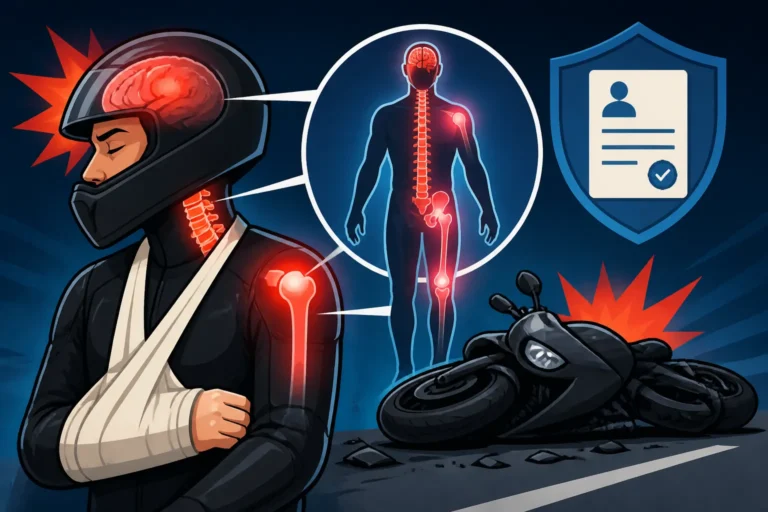
A spinal cord injury (SCI) affects everything. We're talking about more than just physical pain and lost mobility. It's about the emotional toll, the financial strain, and the complete upheaval of your independence. Imagine being an active rider, someone who loves the open road and the freedom your motorcycle provides, only to find yourself facing a future where simple tasks like walking, eating, or even breathing unaided become monumental challenges. The impact ranges from partial paralysis (paresis) to complete paralysis (plegia), such as paraplegia (loss of function in the lower body) or quadriplegia (loss of function in all four limbs and torso).
The damage to your spinal cord can disrupt nerve signals between your brain and the rest of your body, leading to a host of secondary complications. These can include chronic pain, bladder and bowel dysfunction, respiratory issues, pressure sores, and increased susceptibility to infections. The lifelong medical care required for these conditions, from specialized therapies to assistive devices and personal care assistance, adds up quickly, creating an immense financial burden that most families are simply not equipped to handle on their own. This is precisely why understanding your rights to compensation is so critical.
Common Causes of Spinal Cord Injuries on Motorcycles
Unfortunately, the very nature of motorcycling, with its lack of external protection compared to a car, makes riders incredibly vulnerable to severe injuries, especially to the spine. Many accidents result from other drivers failing to see motorcyclists, a phenomenon often described as the "I didn't see the motorcycle" defense. When a car makes a sudden left turn in front of a motorcycle or changes lanes without looking, the impact can throw a rider from their bike at high speeds, leading to devastating spinal trauma.
Collisions with fixed objects, rear-end collisions, or even being cut off by another vehicle can result in powerful forces transmitted directly through the rider’s body, compressing, shearing, or fracturing vertebrae and damaging the delicate spinal cord within. Road hazards, such as potholes, uneven pavement, or gravel, can also cause a rider to lose control, resulting in a fall that impacts the spine directly. When considering Common Causes of Motorcycle Accidents, it's clear that many factors beyond the rider's control can lead to these catastrophic outcomes. In situations where Who Is at Fault in a Motorcycle Accident is clear, seeking compensation for spinal cord injuries becomes more straightforward, but even then, it's a battle.
Types of Damages Available for Spinal Cord Injuries
When you're dealing with a spinal cord injury, the financial costs alone are staggering. Beyond that, there's the immeasurable loss of your former life. That's why accident claims seek to recover both the concrete, measurable expenses and the intangible suffering you endure. Understanding the Types of Damages in a Motorcycle Accident Claim is key to ensuring you pursue full and fair compensation.
Economic Damages: Covering Tangible Costs
Economic damages are the calculable, out-of-pocket expenses that directly result from your injury. These are often the easiest to quantify because they come with bills, receipts, and pay stubs. For a spinal cord injury, these costs are typically astronomical and extend far into the future.
This includes every medical bill, from emergency room visits and ambulance rides to multiple surgeries, long-term hospitalization, rehabilitation, physical therapy, and occupational therapy. Specialized equipment like wheelchairs, braces, adaptive vehicles, and home modifications (ramps, widened doorways, accessible bathrooms) also fall under this category. Then there's the lost income. If you can no longer work, or if your earning capacity is significantly reduced, you can claim both past lost wages and future lost earning capacity. For instance, if you were a construction worker in Phoenix, Arizona, earning a substantial income before your injury, and now you face permanent paralysis, the financial loss over your lifetime could be in the millions. These calculations need to be meticulously documented and often require expert testimony to prove.
Non-Economic Damages: Addressing Intangible Losses
Non-economic damages are far more challenging to quantify because they represent the subjective losses that don't come with a price tag. Yet, they are arguably just as devastating, if not more so, than the economic losses. These damages acknowledge the profound impact the injury has had on your quality of life.
This category includes immense physical pain and suffering, the emotional distress of dealing with such a profound injury, and the mental anguish that accompanies chronic conditions and the loss of independence. Think about the joy you once found in riding your motorcycle, or playing with your kids, or simply walking unassisted. A spinal cord injury can steal all of that. The loss of enjoyment of life, disfigurement, and permanent disability are all part of non-economic damages. For a married individual, the injury can also lead to a loss of consortium for their spouse, recognizing the impact on their marital relationship. These aspects are deeply personal and subjective, making them difficult for insurance companies to value. This is where a skilled attorney truly shines, presenting a compelling narrative of your suffering to ensure it's not undervalued. For a deeper dive, check out our guide on Economic vs Non-Economic Damages Explained.
Punitive Damages: When Extreme Negligence Occurs
While less common, punitive damages can be awarded in cases where the at-fault party's actions were particularly egregious, reckless, or intentional. Unlike economic and non-economic damages, which aim to compensate the victim, punitive damages are designed to punish the wrongdoer and deter similar behavior in the future.
For example, if the driver who caused your motorcycle accident was found to be severely intoxicated (drunk driving) or was engaged in street racing at the time of the collision, a court might consider awarding punitive damages. These are not always available and depend heavily on state laws and the specifics of the case. They are an additional layer of accountability, sending a clear message that such behavior will not be tolerated.
Factors Influencing Your Spinal Cord Injury Compensation
The journey to receiving compensation for a spinal cord injury is complex, and many variables can significantly impact the final amount you receive. It's rarely a straightforward calculation.
Severity of the Injury and Prognosis
The most critical factor in determining compensation for a spinal cord injury is, understandably, the severity and permanence of the injury itself. A complete SCI resulting in quadriplegia at a young age will generally yield a much higher settlement or award than an incomplete SCI that allows for significant recovery. The extent of paralysis, the level of the spinal cord affected (e.g., cervical vs. thoracic vs. lumbar), and the long-term prognosis for recovery or improvement all play a massive role.
The cost of a lifetime of care, including repeated surgeries, medication, therapy, home health aides, and durable medical equipment, is projected by medical and economic experts. The younger the victim, the longer this lifetime of care will be, and thus the higher the projected future medical expenses. Furthermore, the Long-Term Effects of Motorcycle Injuries must be thoroughly documented, from chronic pain to psychological trauma, as these contribute significantly to the overall value of a claim.
Impact on Your Life and Earning Capacity
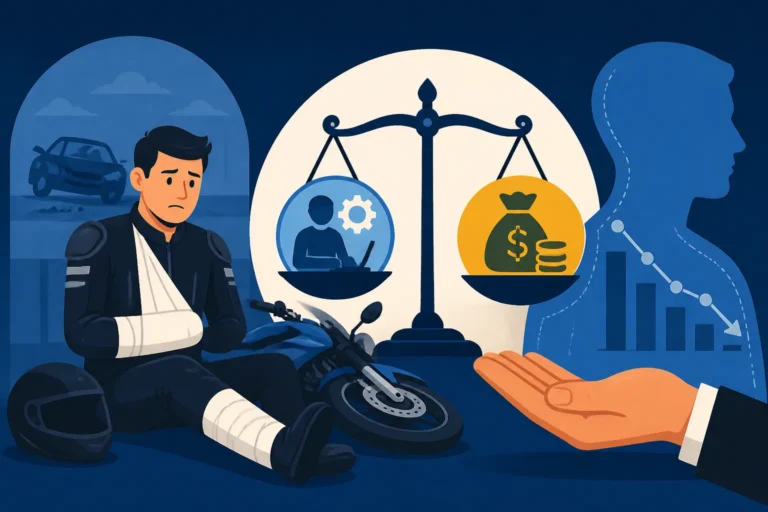
Beyond the immediate medical costs, how the injury fundamentally changes your life and ability to earn a living is paramount. If you're a breadwinner suddenly unable to work or requiring significant vocational retraining for a lower-paying job, that loss of earning capacity is a major component of your claim. This isn't just about the salary you missed last month; it's about the entire career trajectory you've lost, including potential promotions, raises, and benefits like retirement contributions.
Insurance companies will scrutinize your work history, education, and career prospects to try and minimize this figure, but with expert economic testimony, it's possible to accurately project these lifelong losses. Your inability to participate in hobbies, recreational activities, and daily family life—things we often take for granted—also forms a significant part of your non-economic damages, highlighting the full scope of how your life has been irrevocably altered.
Shared Fault and State Laws
Unfortunately, even if another driver was clearly at fault, insurance companies and defense attorneys will often try to pin some degree of blame on the motorcyclist. This is known as comparative negligence or contributory negligence, depending on the state. For example, in a state like California, which follows a "pure comparative negligence" rule, if you are found 20% at fault for the accident (perhaps for speeding slightly, even if the other driver made an illegal turn), your total compensation could be reduced by 20%. Other states, like Texas, follow a "modified comparative negligence" rule, where if you are found to be 51% or more at fault, you might be barred from recovering any damages at all.
Understanding How Comparative Negligence Reduces Your Payout is crucial. The degree of fault assigned can dramatically impact the final compensation amount. This is why meticulously gathering evidence and building a strong case to prove the other driver's full liability is so important. How Insurance Companies Assign Blame to Riders is often biased, leaning into common stereotypes about motorcyclists, making it an uphill battle you shouldn't face alone.
| Damage Type | Description | Key Considerations for SCI |
|---|---|---|
| Medical Expenses | All costs related to treatment, past and future. | ER, surgeries, hospital stays, rehab, therapy, medications, specialized equipment (wheelchairs, lifts), home modifications. |
| Lost Wages | Income lost due to inability to work after the accident. | Document current salary, missed days, benefits. |
| Loss of Earning Capacity | Future income you will no longer be able to earn due to permanent disability. | Requires expert economic projections, considers age, career path, education. |
| Pain and Suffering | Physical pain, discomfort, and mental anguish. | Chronic pain, psychological trauma (PTSD, depression), emotional distress. |
| Loss of Enjoyment of Life | Inability to partake in hobbies, activities, and daily life pleasures. | Loss of motorcycling, sports, family activities, independence. |
| Disfigurement/Scarring | Visible physical changes due to injuries or surgeries. | Often significant for motorcycle accident victims. |
| Loss of Consortium | Impact on the marital relationship and companionship for the spouse. | Subjective, but vital for severe, permanent injuries. |
| Punitive Damages | Punishment for extreme negligence, not always applicable. | Reserved for cases of gross negligence, e.g., drunk driving. |
The Process of Seeking Compensation
Navigating the aftermath of a spinal cord injury accident is daunting. The recovery is long, painful, and financially draining. Trying to deal with insurance companies and legal complexities on your own can feel impossible. That's why understanding the process for seeking compensation is so important.
Documenting Your Injuries and Expenses
From the moment of the accident, documentation is your best friend. Every medical visit, every diagnosis, every therapy session, and every single bill needs to be meticulously recorded. This includes ambulance reports, emergency room records, surgical reports, physical therapy notes, medication receipts, and even statements from your doctors detailing your prognosis and limitations. You'll also need to track all out-of-pocket expenses related to your injury, such as transportation to appointments, over-the-counter pain relievers, and assistive devices purchased outside of insurance coverage.
Beyond medical records, document your lost income through pay stubs, employment records, and a letter from your employer confirming your inability to work. Keep a detailed pain journal, noting your daily struggles, limitations, and emotional state. Photos and videos of your injuries, your recovery process, and any modifications made to your home or vehicle can provide powerful visual evidence. This robust collection of evidence is what will build a strong case for How to Document Injuries for a Claim and prove the full extent of your damages.
Negotiating with Insurance Companies
Insurance companies, whether your own or the at-fault driver's, are in the business of minimizing payouts. They will often try to offer a quick, lowball settlement before you fully understand the long-term implications of your spinal cord injury. They might suggest that you were partially at fault for the accident, even if evidence points to their client's negligence. This is a common tactic, and they might even misrepresent the state's comparative negligence laws or imply that your medical treatment was excessive.
Without an experienced advocate, it's easy to be overwhelmed and accept far less than you deserve. Insurance adjusters are trained negotiators, and they know how to exploit your vulnerable situation. They might request recorded statements or access to your full medical history, looking for anything that can undermine your claim. It’s critical to remember that anything you say to them can be used against you. This is one of the most compelling reasons why many riders realize Do You Need a Motorcycle Accident Lawyer to handle these complex negotiations.
When Legal Action Becomes Necessary
While many cases settle out of court, sometimes the insurance company simply won't offer a fair settlement that adequately covers your catastrophic spinal cord injury. In such situations, filing a personal injury lawsuit becomes necessary. This is not a decision to be taken lightly, but it allows your attorney to pursue your claim through the court system, potentially leading to a trial if a fair settlement cannot be reached during litigation.
During a lawsuit, your legal team will engage in discovery, which involves exchanging information, taking depositions from witnesses and experts, and gathering additional evidence. They will work tirelessly to prove the other driver's negligence and the full extent of your damages, presenting a comprehensive case supported by medical experts, vocational specialists, and accident reconstructionists. Remember, there are strict deadlines, known as the statute of limitations, for filing a lawsuit, which vary by state. Missing this deadline could permanently bar you from seeking compensation. Having a legal professional by your side who is intimately familiar with Motorcycle Accident Liability: A Complete Guide and the nuances of spinal cord injury cases is paramount to ensuring your rights are protected every step of the way.
Disclaimer
Please note that this article provides general information and does not constitute legal advice. Every motorcycle accident claim is unique, and the information presented here may not apply to your specific situation. For personalized legal guidance, you should consult with a qualified attorney.