How to Recover from Road Rash
That searing, immediate pain when asphalt grinds against skin – it's a gut-wrenching experience no rider ever wants to face. Road rash, though often downplayed as "just scrapes," can be incredibly serious, causing excruciating pain, potential infections, and even long-term scarring that impacts your life far beyond the initial trauma. This guide is here to walk you through the arduous journey of recovering from road rash, from the critical first aid to the long-term care, and how to protect your rights along the way.
Understanding Road Rash and Its Severity
When a motorcycle accident happens, especially one where you slide across the pavement, road rash is almost an inevitability. It's not just a superficial scrape; it's a severe friction burn that can strip away layers of skin, expose muscle, and even bone. Understanding the nature and severity of your road rash is the first crucial step toward effective recovery.
What Exactly Is Road Rash?
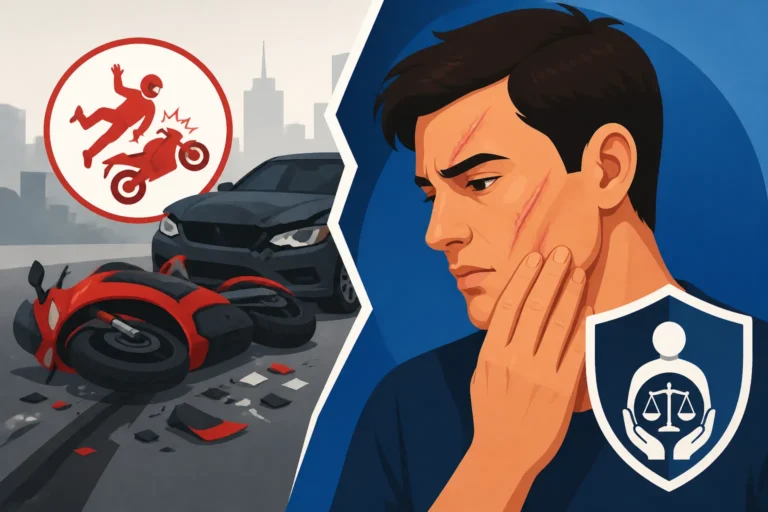
At its core, road rash is an abrasion wound caused by friction and impact with a rough surface, typically asphalt or concrete. Imagine sliding at speed – the kinetic energy gets converted into heat, literally burning away your skin. This isn't like a typical cut; it's a broad, often deep wound that can cover significant portions of your body, depending on how you fell and how well you were geared up. The dirt, gravel, and other debris on the road often get embedded into the wound, complicating the healing process and dramatically increasing the risk of infection.
Even with the best riding gear, such as abrasion-resistant jackets and pants from brands like Dainese or Alpinestars, there are always vulnerable spots. Gloves might shift, sleeves might ride up, or a specific angle of impact could expose skin. The sheer force of impact and slide can overwhelm even robust materials, leading to painful friction burns. The more skin that's exposed to the road, the more extensive and potentially severe the road rash will be, making a proper diagnosis and treatment plan absolutely essential.
Degrees of Road Rash Explained
Just like other burns, road rash is classified into degrees based on how deep the damage penetrates the skin. These classifications are incredibly important because they dictate the urgency and type of medical treatment required, as well as the long-term prognosis for scarring and healing.
- First-Degree Road Rash: This is the most superficial, affecting only the outermost layer of skin (epidermis). It typically looks red, swollen, and can be painful, much like a severe sunburn. There's usually no bleeding, and it tends to heal relatively quickly, often within a week, without significant scarring. While it might seem minor, it still requires proper cleaning to prevent infection.
- Second-Degree Road Rash: This type goes deeper, damaging both the epidermis and the dermis (the layer beneath). You'll likely see redness, blistering, swelling, and possibly some oozing. The pain can be quite intense because nerve endings in the dermis are exposed. Healing can take several weeks, and there's a higher risk of scarring and discoloration, particularly if the wound isn't managed meticulously to avoid infection.
- Third-Degree Road Rash: This is a much more severe injury, where all layers of the skin are destroyed, and the wound may extend into the subcutaneous fat layer. The affected area might appear white, waxy, charred, or even black. Surprisingly, pain might be less severe than a second-degree burn because nerve endings have been completely destroyed. These wounds require immediate medical intervention, often including skin grafting, and will invariably result in significant scarring and potential functional impairment.
- Fourth-Degree Road Rash: While less common, fourth-degree road rash is catastrophic, extending through the skin, fat, muscle, and potentially down to the bone. This is a life-threatening injury that demands emergency surgical intervention to prevent severe infection, protect underlying structures, and begin a long, complex reconstructive process. The long-term impact on mobility and quality of life is profound.
Here's a quick overview of the different degrees:
| Degree | Skin Layers Affected | Appearance | Pain Level | Healing Time (Approx.) | Scarring Risk | Common Treatment |
|---|---|---|---|---|---|---|
| First | Epidermis (outermost layer) | Redness, swelling | Mild to moderate | 5-10 days | Low | Cleaning, topical ointment |
| Second | Epidermis and Dermis | Redness, blisters, swelling, oozing | Moderate to severe | 2-4 weeks | Moderate | Debridement, sterile dressings, antibiotics |
| Third | All skin layers, into subcutaneous | White, waxy, charred, leathery | Variable (nerve damage) | Months, often permanent | High | Surgical debridement, skin grafts, reconstructive surgery |
| Fourth | Skin, fat, muscle, bone | Blackened, exposed muscle/bone | Variable (nerve damage) | Extensive, permanent | Very High | Extensive surgery, amputation possible, long-term rehab |
Recognizing When It's More Than "Just a Scrape"
It's easy to minimize road rash, especially if you're in shock after an accident. You might feel tough, or the adrenaline might mask the true extent of your injuries. However, it’s absolutely critical to seek medical attention for any road rash beyond the most superficial first-degree abrasion. Ignoring deeper road rash can lead to severe complications that are far more dangerous and painful than the initial wound.
Signs that your road rash is more than just a scrape include deep gouges, exposed fat or muscle, persistent bleeding, extreme pain, or oddly, a lack of pain in a seemingly severe area (which could indicate nerve damage). If you see any signs of infection developing – increasing redness spreading beyond the wound, pus, foul odor, fever, or chills – you need to get to an urgent care clinic or emergency room immediately. Infections like cellulitis or even sepsis can quickly become life-threatening. Remember, even seemingly minor road rash can harbor embedded debris, and only a medical professional can thoroughly clean and assess the wound. Seeking immediate treatment is not just for your physical health but also crucial for your "How to Document Injuries for a Claim".
Immediate First Aid and Medical Attention
The moments immediately following a motorcycle accident can be chaotic and frightening. However, your actions during this critical window, especially concerning your injuries, can significantly impact your recovery and the strength of any future motorcycle accident claim. Don't try to be a hero; prioritize your safety and health.
The Crucial First Steps at the Scene
First and foremost, if you're able, move yourself and your motorcycle to a safe location, away from ongoing traffic. Your immediate priority is to prevent further injury. Next, if you're injured, do not try to remove any embedded debris from your road rash yourself. You could push it deeper, cause more damage, or trigger excessive bleeding. Instead, cover the wound gently with a clean cloth or sterile dressing if available. If no clean materials are on hand, just leave it be until emergency responders arrive.
It's natural to feel shaken up, but try to remain as calm as possible. Call 911 immediately, even if you think your injuries are minor. Paramedics can assess the extent of your road rash, provide initial cleaning, and ensure you get to a hospital for a comprehensive check-up. Remember, adrenaline can mask pain, and you might have internal injuries or broken bones that aren't immediately obvious. Reporting the accident and injuries right away establishes a clear timeline for your "Motorcycle Accident Liability: A Complete Guide" and provides critical evidence.
Why Emergency Care is Non-Negotiable
Seriously, skip the tough-guy routine. Getting professional medical attention for road rash is non-negotiable, especially for second-degree or deeper abrasions. Emergency medical personnel are equipped to thoroughly clean the wound, which is paramount for preventing infection. They can irrigate the wound with sterile saline, remove embedded gravel, dirt, and clothing fibers – a process called debridement – that you simply cannot do safely or effectively at home.
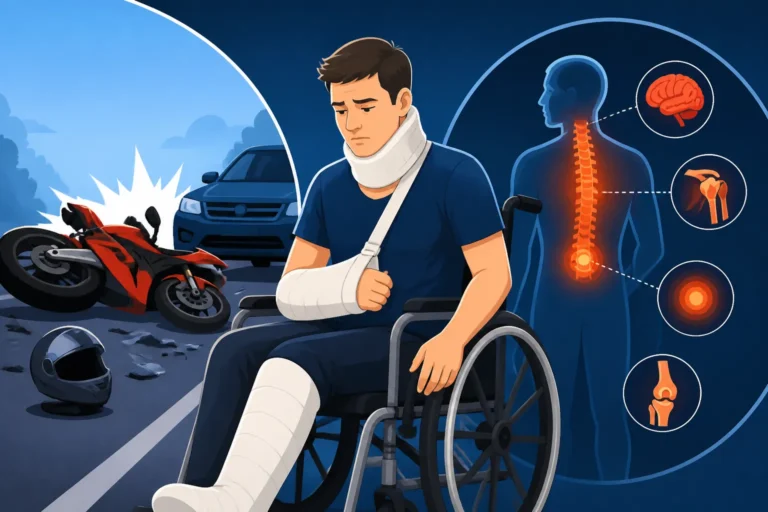
Beyond the visible wounds, a motorcycle accident can cause a host of hidden injuries. You could have a concussion, internal bleeding, fractures, or a spinal injury that you're not aware of due to shock. For example, a jarring impact could lead to a "Motorcycle Traumatic Brain Injury: Claims and Compensation" or even a "Motorcycle Spinal Cord Injury: Claims and Compensation". Going to the emergency room ensures a full diagnostic workup, including X-rays or CT scans, to rule out these serious issues. This comprehensive medical assessment not only safeguards your health but also creates an undeniable record of your injuries, which is vital for any future personal injury claim. Ignoring these steps, or delaying treatment, can lead to complications that hurt both your body and your case.
Cleaning and Dressing the Wound Properly
Once you're at the hospital or urgent care clinic, medical staff will take over the critical task of cleaning and dressing your road rash. This process is often painful but absolutely essential. They'll likely numb the area if possible, then meticulously clean the wound to remove all foreign matter. This might involve scrubbing the wound with a surgical brush, which, while unpleasant, is necessary to prevent infection and minimize permanent tattooing from embedded debris.
After thorough cleaning, the wound will be dressed. The type of dressing depends on the severity and depth of the road rash. For deeper wounds, specialized dressings are used that promote moist wound healing, reduce pain, and prevent sticking. These might include hydrocolloid dressings, alginate dressings, or silver-impregnated dressings to ward off infection. You'll likely be given instructions on how to care for your dressings at home, including how often to change them and what to look for regarding signs of infection. Following these instructions to the letter is crucial for a smooth recovery and to prevent complications that could jeopardize your "How Fault Affects Your Settlement".
Long-Term Healing and Ongoing Care
The initial shock and immediate medical attention are just the beginning. Recovering from significant road rash is a marathon, not a sprint. It involves diligent wound care, pain management, and often, strategies to address the aesthetic and functional aftermath. This long-term commitment to healing is essential for both your physical well-being and the integrity of your personal injury claim.
Managing Pain and Preventing Infection
Pain management is a big part of recovering from road rash. These aren't superficial paper cuts; they are legitimate friction burns that can be incredibly uncomfortable, especially when changing dressings or moving. Your doctor might prescribe pain medication, ranging from over-the-counter options like ibuprofen or acetaminophen to stronger prescription narcotics for more severe cases. It's crucial to follow your doctor's instructions carefully and report any unbearable pain or adverse reactions.
Beyond pain, infection remains the biggest threat to healing and can drastically worsen your outcome. You'll need to meticulously follow your wound care regimen, which often includes regular cleaning with mild soap and water (or as directed by your physician), applying topical antibiotic ointments (like bacitracin or mupirocin), and changing dressings frequently. Watch closely for any signs of infection such as increased redness, swelling, pus, foul odor, or fever. If you notice these, contact your doctor immediately. Preventing infection ensures the wound heals cleanly and can prevent a minor abrasion from turning into a severe, long-term health crisis. This diligent care also forms a key part of your medical documentation, strengthening your claim by showing consistent effort toward recovery.
Dealing with Scarring and Disfigurement
One of the toughest realities of road rash, especially second and third-degree, is the likelihood of permanent scarring. These scars can be disfiguring, thick, raised (hypertrophic or keloid), discolored, and can even limit movement if they occur over a joint. The emotional toll of such visible scars can be immense, impacting self-esteem and quality of life. Unfortunately, some degree of scarring is almost unavoidable with deeper road rash.
However, there are steps you can take to minimize scarring. Once the wound has closed and is no longer open, your doctor might recommend silicone sheets or gels, massage therapy, or compression garments to help flatten and soften the scar tissue. For more severe or disfiguring scars, dermatologists or plastic surgeons offer various treatments, including laser therapy, steroid injections, dermabrasion, or even surgical scar revision. These treatments can be expensive but are often considered compensable damages in a motorcycle accident claim under "Disfigurement and Scarring Damages". It's important to discuss these options with your medical team and document any treatments received.
The Importance of Physical Therapy and Rehabilitation
While road rash might seem like a skin-deep injury, its impact can extend far beyond the epidermis, especially when large areas of skin are affected or if it occurs over joints. Severe scarring can lead to contractures, where the skin tightens and restricts movement, causing significant functional impairment. Imagine road rash on your elbow, knee, or across your hand – the resulting scar tissue can make it incredibly difficult to bend, stretch, or grasp objects.
In these cases, physical therapy and rehabilitation become absolutely vital. A physical therapist can work with you to perform exercises and stretches that maintain flexibility, improve range of motion, and prevent scar tissue from hardening and restricting movement. They might use specialized techniques, such as massage and stretching, to break down adhesions and promote healthier tissue formation. If the road rash was accompanied by other injuries, like broken bones or nerve damage, rehabilitation becomes even more comprehensive, addressing all facets of your recovery. Documenting your attendance and progress in physical therapy is crucial for demonstrating the full extent of your damages, particularly when pursuing compensation for "Long-Term Effects of Motorcycle Injuries".
Documenting Your Recovery for a Claim
Dealing with road rash is physically and emotionally exhausting. But amidst the pain and healing, it's absolutely vital to meticulously document every step of your recovery. This isn't just about your health; it's about protecting your rights and ensuring you receive fair compensation for your injuries and suffering. Without solid documentation, insurance companies will often try to minimize your damages.
Keeping Detailed Medical Records and Journals
Every doctor's visit, every emergency room trip, every prescription, and every follow-up appointment creates a paper trail that is gold for your motorcycle accident claim. Ensure that all medical professionals you see are aware that your injuries resulted from a motorcycle accident. This ensures that the accident is noted in your medical records, creating a direct link between the incident and your road rash. Request copies of all your medical records, including doctor's notes, diagnoses, treatment plans, and bills.
Beyond official records, keeping a personal injury journal can be incredibly powerful. In this journal, document your daily pain levels, how your road rash looks and feels, any limitations you experience (e.g., difficulty sleeping, showering, dressing, or performing daily tasks), and the emotional impact of your injuries. Note any medications you take and their effects. This journal provides a subjective, yet highly personal and compelling, account of your "Pain and Suffering Damages Explained" that augments the objective medical reports. Consistent documentation proves that "How Injury Severity Affects Compensation" is substantial.
Photographing Your Healing Journey
Visual evidence is incredibly persuasive. From the moment you can safely take photos after the accident, begin documenting your road rash with clear, well-lit photographs. Take pictures of the wounds immediately after the incident, showing any embedded debris, swelling, and initial raw skin. Continue to photograph your road rash regularly throughout the healing process – weekly, or even daily, depending on the severity.
Capture the progression of your wounds: blistering, scabbing, any signs of infection, and eventually, the developing scars. Take photos from different angles and distances. Include context, such as a ruler next to the wound to show its size, or photos of the affected body part (e.g., an arm) showing how the road rash impacts your overall appearance. These photographs are irrefutable proof of the severity of your injuries and can vividly convey the physical and emotional trauma you've endured. They help to counter the common insurance company tactic of downplaying "Road Rash Injuries and Claims".
How Road Rash Damages Affect Your Settlement
The severity and impact of your road rash directly correlate with the value of your motorcycle accident settlement. A first-degree abrasion that heals within a week will result in a much smaller claim than a third-degree road rash requiring skin grafts and leading to permanent disfigurement. Your claim for "Types of Damages in a Motorcycle Accident Claim" will include economic damages and non-economic damages.
Economic damages cover tangible losses like medical expenses (ER visits, doctor appointments, wound care supplies, prescriptions, physical therapy, scar revision surgeries), lost wages from time off work, and any property damage to your bike or gear. Non-economic damages are often more substantial for road rash, encompassing the physical pain and suffering, emotional distress, disfigurement, and loss of enjoyment of life caused by the visible and lasting impact of the injuries. Insurance adjusters will scrutinize your medical records and photographic evidence to assess the extent of these damages. A compelling record of consistent medical care and detailed personal accounts will be crucial for maximizing your settlement.
Disclaimer
Please remember that this guide provides general information about recovering from road rash after a motorcycle accident. It is not a substitute for professional medical advice or legal counsel. Every injury and accident case is unique. You should always consult with qualified medical professionals for diagnosis and treatment of your injuries, and seek advice from an experienced personal injury attorney for guidance on your specific legal situation.