How a Spinal Cord Injury Changes Your Life
Riding a motorcycle offers unparalleled freedom, but the harsh reality is that an accident can instantly shatter that freedom, especially when it results in a spinal cord injury. The damage isn't just physical; it impacts every facet of your existence, transforming your independence and future in ways you never imagined. This comprehensive guide will walk you through the profound life changes that come with a spinal cord injury, helping you understand the medical, emotional, and practical challenges ahead and how to navigate them.
The Immediate Shock and Entry into a New Medical World
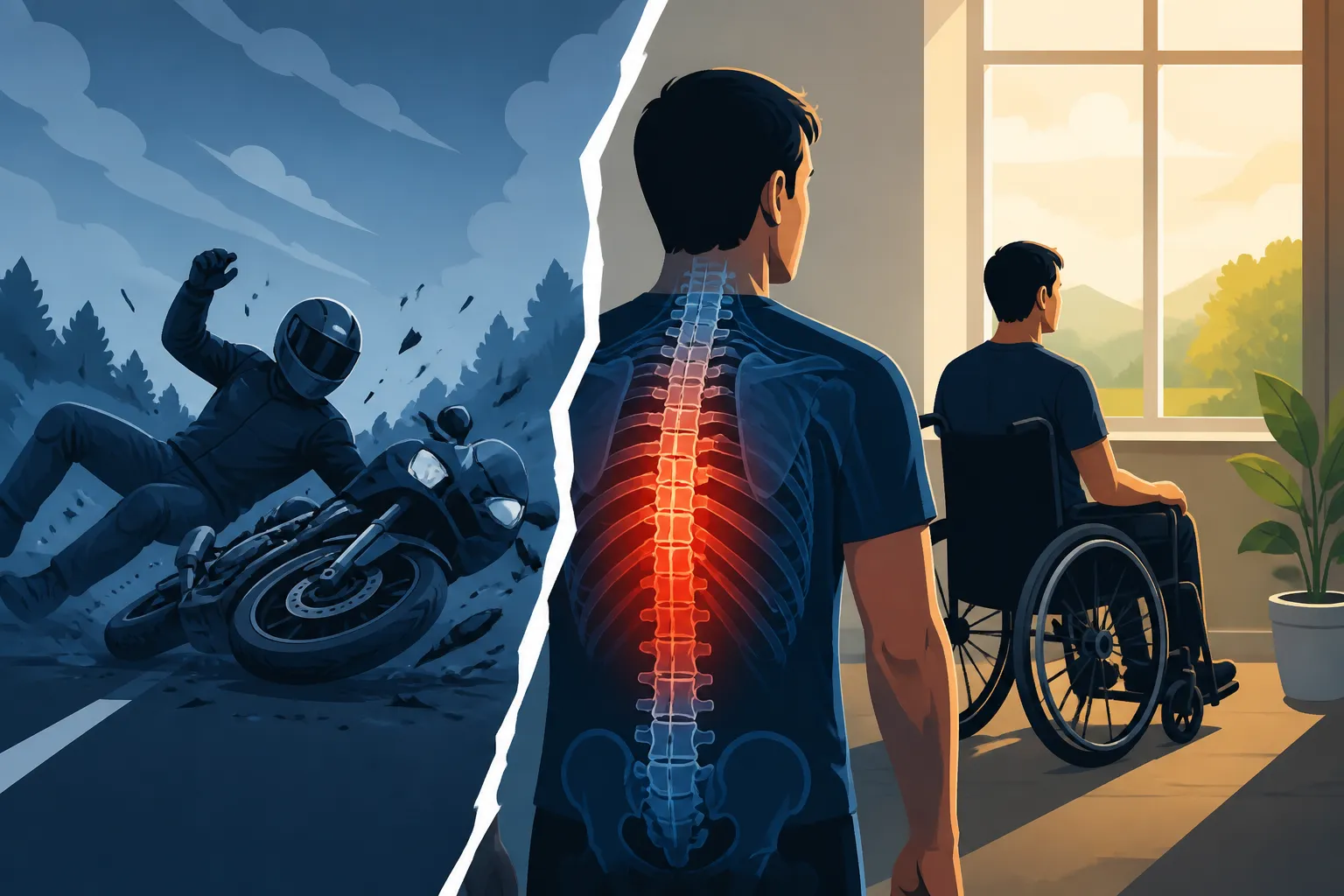
When a motorcycle accident causes a spinal cord injury, the world as you knew it vanishes in an instant. One moment you're cruising, the next you're facing a catastrophic injury that redefines your physical capabilities and your future. The initial moments after the crash are often a blur of pain, confusion, and fear, leading into a prolonged and intense medical journey.
Emergency Response and Initial Diagnosis
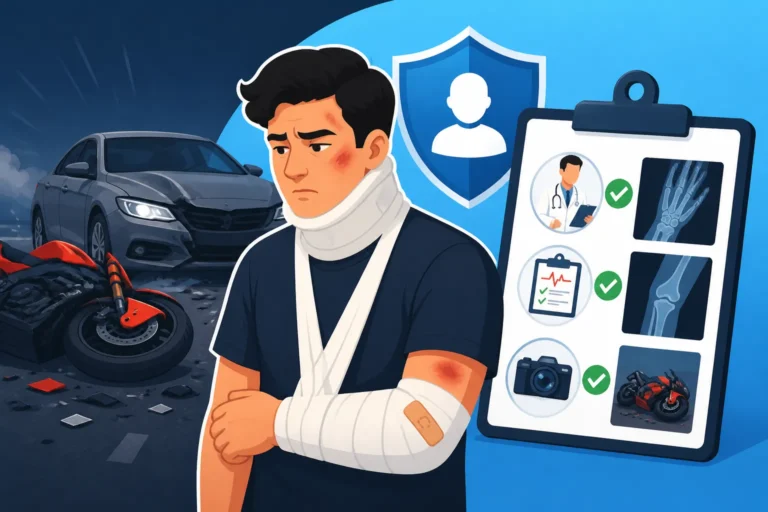
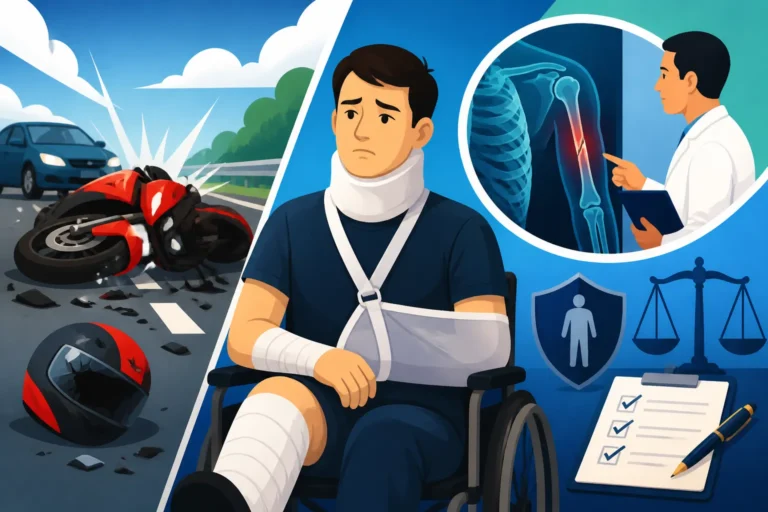
The scene of a motorcycle accident where a spinal cord injury is suspected is chaotic and critical. First responders prioritize stabilizing your spine to prevent further damage, often using a neck brace and backboard. This careful handling is paramount because even a slight movement can exacerbate the injury. From the crash site, you'll be rushed to the nearest trauma center, where a team of specialists will work quickly to assess the damage. This initial phase involves a battery of tests, including X-rays, CT scans, and MRI scans, to pinpoint the exact location and severity of the spinal cord damage. The diagnosis of a complete or incomplete injury will determine much of the prognosis, shaping expectations for recovery and future mobility.
The emergency room itself is a maelstrom of activity, but for you, it's often a waking nightmare. You might be experiencing excruciating pain, numbness, or a complete lack of sensation and movement below the injury site. Doctors will explain the grim reality: a spinal cord injury means damage to the bundle of nerves that carry signals between the brain and the rest of the body. The higher up the spine the injury occurs, the more extensive the potential paralysis. For instance, a cervical (neck) injury often results in quadriplegia, affecting all four limbs, while a thoracic (mid-back) injury might cause paraplegia, affecting the lower body. This sudden immersion into complex medical terminology and dire predictions can be incredibly disorienting and terrifying, setting the stage for a long and arduous path ahead. You can learn more about the complexities of these types of injuries by reading our guide on Spinal Cord Injuries from Motorcycle Accidents.
Acute Care and Surgical Interventions
Following the initial diagnosis, you'll enter the acute care phase, typically in an intensive care unit (ICU). The focus here is on stabilizing your condition, managing swelling around the spinal cord, and preventing secondary complications. This might involve traction, where weights are used to pull the head or body to realign the spine, or internal fixation, where rods, screws, and plates are surgically implanted to stabilize the vertebrae. The goal of surgery, if performed, is not to repair the damaged spinal cord itself—which current medicine largely cannot do—but to decompress the cord by removing bone fragments or herniated discs and to stabilize the spinal column.
During this period, you'll likely be immobile, confined to a hospital bed, and connected to numerous machines monitoring vital signs and assisting breathing, especially with higher-level injuries. The emotional toll here is immense. You're grappling with the sudden loss of bodily functions, dependency on others for basic needs, and the crushing weight of an uncertain future. The transition from active rider to bedridden patient is a stark and brutal reality check, profoundly impacting your mental state even as your body fights for stability.
Long-Term Physical and Emotional Transformations
A spinal cord injury isn't a temporary setback; it's a permanent change that profoundly alters your physical existence and psychological well-being. The initial days and weeks in the hospital are just the beginning of a lifelong adaptation.
Permanent Physical Changes and Ongoing Medical Needs
The most obvious and devastating change is the loss of motor function and sensation below the level of injury. This can mean anything from limited mobility in your hands to complete paralysis of your legs and trunk. But the physical impact extends far beyond just movement. Spinal cord injuries often affect automatic bodily functions that we usually take for granted. This includes bladder and bowel control, which can lead to incontinence or the need for catheters and strict bowel regimens. Sexual function is also often impaired, which can be a significant source of distress and impact relationships.
Beyond these primary effects, many individuals with SCI experience chronic pain, often neuropathic pain that feels like burning, tingling, or electric shocks, which can be notoriously difficult to manage. Spasticity, or involuntary muscle spasms, is another common challenge, ranging from mild twitching to severe contractions that interfere with daily activities. You might also struggle with respiratory issues, especially with high cervical injuries, requiring ventilator support or frequent breathing treatments. Maintaining skin integrity becomes a constant battle against pressure sores due to reduced sensation and mobility. All these factors translate into a demanding schedule of ongoing medical care, including regular doctor visits, specialized equipment needs, medication management, and often, personal care assistance. This continuous management highlights the importance of thorough documentation of injuries for a claim.
Psychological and Emotional Toll
While the physical injuries are tangible, the emotional and psychological trauma of a spinal cord injury can be just as debilitating, if not more so. Riders, by nature, cherish independence and freedom. To suddenly lose that, to become dependent on others for basic care, can lead to overwhelming feelings of grief, loss, anger, and depression. Many experience a profound sense of mourning for the life they lost and the future they envisioned. The journey through rehabilitation is not just about regaining physical function; it's also about coming to terms with a new identity and finding purpose in a drastically altered reality.
Adjusting to these new limitations can trigger anxiety, especially regarding social situations and public perception. Body image issues can arise, as can feelings of isolation. Support groups, therapy, and strong social connections become critical anchors during this turbulent period. Ignoring the mental health aspect of a spinal cord injury is a serious mistake; it's an injury that affects the entire person, mind and body. Understanding the range of Emotional Distress Damages you can claim is also vital for your future well-being.
Impact on Daily Life, Relationships, and Livelihood
A spinal cord injury doesn't just affect the injured individual; it ripples through their entire life, transforming daily routines, personal relationships, and financial stability.
Adapting Everyday Activities and Home Environment
Think about all the seemingly simple tasks you perform daily: getting out of bed, showering, dressing, cooking, cleaning, or even just reaching for a glass of water. For someone with a spinal cord injury, these tasks become monumental challenges, often requiring adaptive equipment, specialized techniques, or direct assistance. Your home environment, once a sanctuary, suddenly becomes a maze of inaccessible doorways, high counters, and stairs. Extensive home modifications, such as widening doorways, installing ramps, roll-in showers, and accessible kitchens, become necessary. These changes are not just about convenience; they are about restoring a semblance of independence and dignity.
Transportation also becomes a major hurdle. Driving a conventional vehicle is often no longer an option, requiring specialized vehicles equipped with hand controls, ramps, or lifts. Navigating public spaces can be equally challenging, with inaccessible buildings, uneven sidewalks, and crowded areas posing constant obstacles. The constant need to plan ahead, consider accessibility, and sometimes rely on others can chip away at one's spontaneity and sense of self-reliance, which for many riders, defined a core part of their personality.
Changes in Personal Relationships and Social Life
A severe spinal cord injury tests the fabric of personal relationships. Family members often transition into caregiver roles, which can strain dynamics and create new pressures. Spouses or partners may take on significant responsibilities, impacting intimacy and shared activities. Friends might struggle with how to interact or adapt social plans, sometimes leading to unintentional isolation. While many relationships strengthen under adversity, some unfortunately falter due to the immense physical, emotional, and financial burdens.
Rebuilding a social life after a spinal cord injury requires intentional effort. Many individuals find new communities through disability advocacy groups, adaptive sports, or support networks specifically for people with SCIs. Dating and forming new romantic relationships can also present unique challenges and require open communication and acceptance. The key is finding people who understand and celebrate you, not just your injury. It’s a journey of redefining connection and finding new ways to engage with the world and those you care about.
Financial Implications and Loss of Earning Capacity
The financial fallout from a spinal cord injury sustained in a motorcycle accident is staggering. Lifelong medical care, rehabilitation, adaptive equipment, home modifications, and personal care services can accumulate into millions of dollars over a lifetime. Even with robust health insurance, out-of-pocket expenses can quickly become overwhelming. For riders whose injuries prevent them from returning to their previous line of work, the loss of income or reduced earning capacity adds another layer of financial devastation. This is why understanding Types of Damages in a Motorcycle Accident Claim is so critical.
Securing compensation through a motorcycle accident claim becomes not just about justice but about survival. The long-term costs associated with a Motorcycle Spinal Cord Injury: Claims and Compensation are enormous, encompassing future medical expenses, lost wages, and potentially the need for a caregiver. Future medical costs can include everything from medications and physical therapy to specialized equipment upgrades and potential future surgeries. When someone's ability to work is permanently impaired, it leads to a significant Loss of Earning Capacity Explained, which must be accounted for in any settlement. This table illustrates some key areas of impact:
| Category of Impact | Description | Examples of Costs/Challenges |
|---|---|---|
| Medical Expenses | Ongoing treatment, rehabilitation, medications, specialized doctors. | Physical therapy, occupational therapy, assistive devices, prescription drugs, urologists. |
| Adaptive Equipment | Devices to aid mobility, daily living, communication. | Wheelchairs (manual/power), lifts, commode chairs, modified vehicles, adaptive technology. |
| Home Modifications | Changes to living space for accessibility and independence. | Ramps, widened doorways, roll-in showers, accessible kitchen remodels, smart home systems. |
| Lost Wages/Earning | Inability to return to work or work in a reduced capacity. | Loss of current income, reduced future income, loss of benefits, career change expenses. |
| Personal Care/Assistance | Need for help with daily tasks like bathing, dressing, transfers. | Home health aides, personal care attendants, specialized nursing care. |
| Pain & Suffering | Physical pain, emotional distress, loss of enjoyment of life, mental anguish. | Chronic pain management, therapy for PTSD/depression, inability to pursue hobbies. |
| Property Damage | Cost to repair or replace the damaged motorcycle. | Repair bills, replacement costs, rental fees while motorcycle is being repaired or replaced. |
Navigating the Future: Adaptations and Support Systems
While a spinal cord injury presents immense challenges, it is also a journey of incredible resilience, adaptation, and finding new ways to thrive. Building a strong support system and understanding your legal options are crucial steps toward a more secure future.
Rehabilitation and Adaptive Technologies
Rehabilitation is the cornerstone of life after a spinal cord injury. It's an intensive, multidisciplinary process that often begins in an inpatient facility, like the Shepherd Center in Atlanta or Craig Hospital in Denver, focusing on maximizing your functional independence. Physical therapy aims to strengthen existing muscles, improve range of motion, and teach transfer techniques. Occupational therapy focuses on adapting daily tasks, using assistive devices, and training in fine motor skills. Vocational rehabilitation helps explore new career paths or adapt existing ones. It's a grueling process, both physically and mentally, but it empowers individuals to reclaim as much of their lives as possible.
Adaptive technologies have revolutionized life for those with spinal cord injuries. From advanced power wheelchairs that can climb curbs to sophisticated computer interfaces controlled by eye movements or voice commands, technology continuously expands possibilities. Exoskeletons, though still evolving, offer hope for assisted walking. Smart home systems allow control of lights, thermostats, and doors with minimal effort. These innovations are not just gadgets; they are tools that restore autonomy and connect individuals to the world. Staying informed about these advancements and integrating them into your life can significantly improve your quality of life. For more on the long-term journey, exploring Long-Term Effects of Motorcycle Injuries can provide further context.
The Importance of Support Networks and Legal Guidance
No one should face a spinal cord injury alone. A robust support network is indispensable. This includes family and friends, but also peer support groups where you can connect with others who truly understand your experiences. Organizations like the Christopher & Dana Reeve Foundation or the United Spinal Association offer invaluable resources, advocacy, and community for individuals with SCIs and their families. These networks provide emotional support, practical advice, and a sense of belonging that combats isolation.
Beyond personal support, navigating the legal and financial complexities of a motorcycle accident claim after a spinal cord injury is paramount. The long-term costs are astronomical, and securing maximum compensation is vital for lifelong care. An experienced motorcycle accident attorney understands the unique challenges and devastating impact of SCIs. They can help you How to Document Injuries for a Claim, gather crucial Motorcycle Accident Evidence for Proving Fault, connect you with medical experts, accurately calculate future medical costs and lost earning capacity, and fight for a settlement that truly covers your needs. They know how to counter insurance companies that try to undervalue severe injuries or assign unfair blame to the rider. You can explore topics like Average Motorcycle Accident Settlement Amounts or Do You Need a Motorcycle Accident Lawyer to better understand this crucial step. Choosing the right legal partner can make all the difference in securing your future stability and peace of mind.
Disclaimer
Please remember that this article provides general information and is not a substitute for professional legal or medical advice. Every motorcycle accident and spinal cord injury is unique, and the information presented here may not apply to your specific situation. You should always consult with a qualified attorney for legal guidance regarding your claim and with medical professionals for diagnosis and treatment of your injuries.