How Photos of Injuries Help Your Claim
When you've been in a motorcycle accident, the immediate aftermath is often a blur of pain, adrenaline, and confusion. It's incredibly hard to think clearly about documentation when you're dealing with injuries and the shock of what just happened. Yet, what you capture in those crucial moments, and in the days and weeks that follow, can become the most compelling evidence in your motorcycle accident claim. This guide will walk you through exactly how photographs of your injuries serve as undeniable proof, helping to ensure you receive the compensation you truly deserve.
The Raw Reality of Motorcycle Injuries and the Need for Documentation
Motorcycle accidents are notorious for causing severe injuries, far more so than typical car collisions. As riders, we know the vulnerability we face on the open road. When something goes wrong, the consequences are often catastrophic, leaving a lasting impact not just on our bodies, but on every aspect of our lives.
Why Motorcycle Injuries Are Different
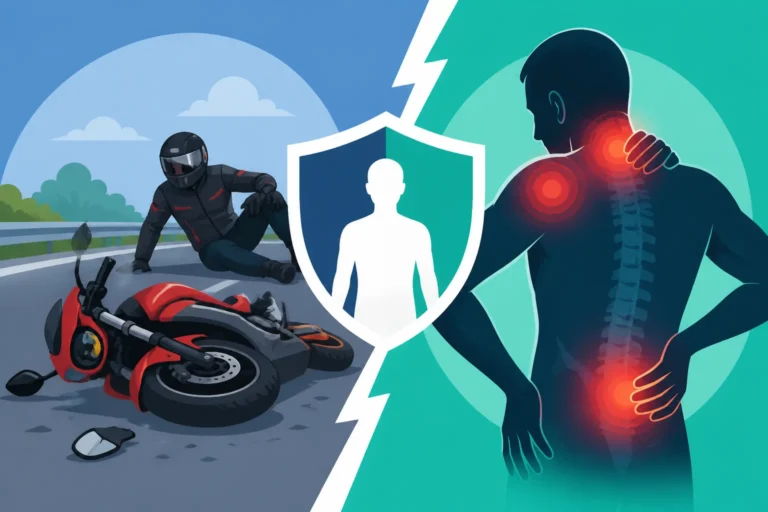
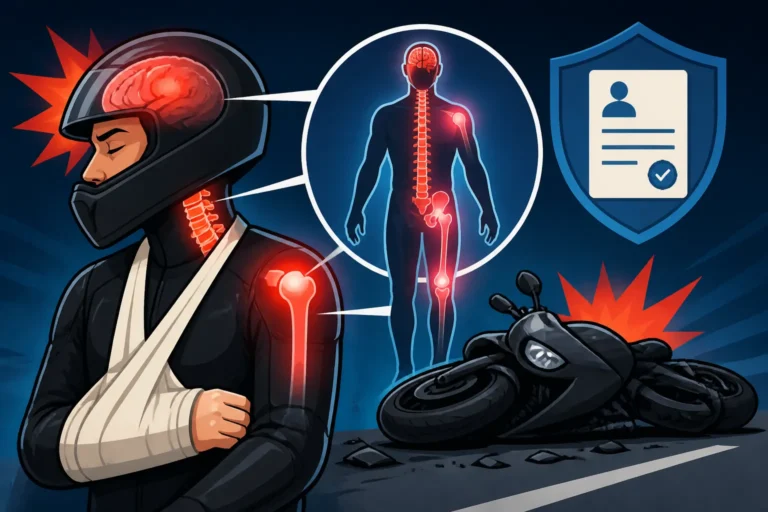
Unlike occupants in a car, motorcyclists lack the protective shell of a vehicle. There are no airbags, no crumple zones, and very little between a rider and the unforgiving pavement or another vehicle. This inherent lack of protection means that even a relatively minor impact can result in devastating injuries. We’re talking about everything from severe road rash, which can be as serious as a burn, to debilitating broken bones and complex fractures, internal organ damage, and devastating head and spinal cord injuries. The sheer force and direct impact experienced by a rider translate into injuries that demand serious medical attention and, consequently, significant compensation. It’s not just about the pain; it’s about the surgeries, the rehabilitation, the lost income, and the long road to recovery.
The Immediate Aftermath and the Fog of Trauma
After a crash, your mind is often in a whirlwind. Adrenaline courses through your veins, masking pain and creating a sense of unreality. You might be focused on checking on your bike, making sure you can move, or simply trying to comprehend what just happened. This is not the time when most people think, "I need to take pictures of my injuries for a future claim." Yet, those initial moments and hours are absolutely critical for capturing the raw, immediate evidence of your physical trauma.
The initial swelling, bruising, and visible lacerations might be most apparent right after the incident. Over time, some injuries may heal externally, while others develop, become infected, or worsen. The "fog of trauma" can lead people to underestimate their injuries or forget details. That's why having visual proof from the very beginning helps to bridge any gaps in memory and provides an objective, unbiased account of the harm you've suffered. It’s a harsh reality, but insurance companies will often try to minimize the severity of your injuries, especially if there isn't clear, consistent documentation.
Capturing the Unseen: What Injury Photos Really Show
Photographs aren't just snapshots; they are powerful narratives that tell the story of your pain and suffering in a way words often cannot. They transform abstract medical terms into tangible, visible evidence that even a layperson can understand.
Visualizing the Severity of Physical Trauma
When an insurance adjuster or jury hears about "multiple fractures" or "severe road rash," it's one thing. When they see it, it’s an entirely different experience. Photos provide irrefutable proof of the extent of your physical trauma.
Think about road rash. It's not just a scrape. It can be a deep abrasion, where layers of skin are stripped away, leaving exposed flesh. Initial photos can show the raw, weeping wounds, perhaps still embedded with gravel or debris. Subsequent photos can document the painful cleaning process, the extensive bandaging, the slow, agonizing formation of scabs, and ultimately, the scarring or disfigurement that often remains. These images vividly illustrate the pain, the risk of infection, and the long-term impact on your skin's integrity and appearance. For a deeper dive, check out our guide on Road Rash Injuries and Claims.
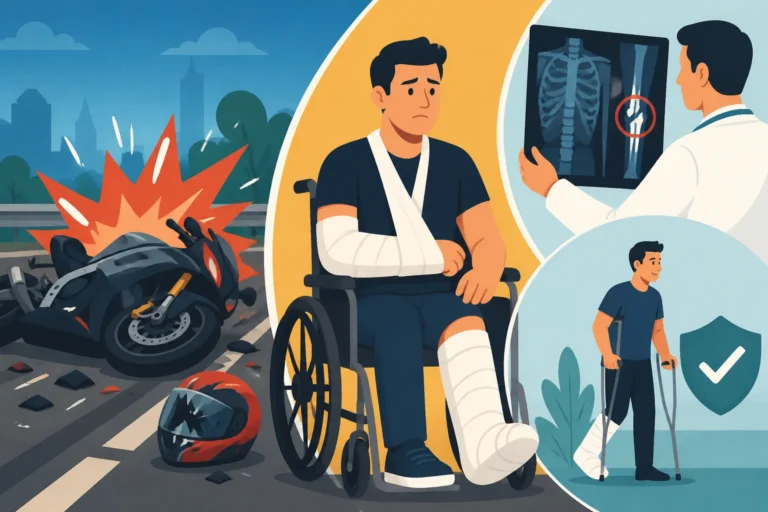
Similarly, for broken bones, immediate photos might capture visible deformities, severe swelling, and discoloration – deep bruising that spreads over the injured area, signaling significant internal damage. Later photos can show you in a cast, brace, or even undergoing surgery, with staples or sutures visible. These images confirm the need for medical intervention and the limitations imposed by your injuries. They offer visual proof that directly supports the medical reports and x-rays, making it harder for an insurance company to argue that your injuries weren't severe or weren't directly caused by the accident. Our article on Motorcycle Broken Bones: Claims and Compensation provides more detail on how these injuries are typically compensated.
Documenting the Emotional and Psychological Impact
While emotional distress and psychological trauma aren't always visible externally, injury photos can indirectly illuminate these non-economic damages. Imagine photos showing your face contorted in pain during physical therapy, or the sheer exhaustion in your eyes after a difficult day. Think about images of you struggling to perform simple tasks you once took for granted, or the frustration visible as you try to cope with new limitations. These types of photos can resonate deeply, helping to convey the profound impact the accident has had on your mental well-being and quality of life.
Consider if your injuries have led to significant scarring or disfigurement, particularly on visible parts of your body. Photos clearly showing these changes can communicate the emotional toll, like loss of self-esteem, anxiety, or depression. While an insurance adjuster might try to downplay psychological suffering, seeing the physical alterations caused by the crash can compel them to understand the deeper, unseen trauma you're experiencing. These images are crucial when you're trying to How to Prove Pain and Suffering. They offer a visual anchor to the narratives of despair, frustration, and loss of enjoyment of life that you might otherwise struggle to articulate solely through words.
Practical Guide to Taking Effective Injury Photos
Taking good injury photos isn't just about pointing and clicking. It requires a thoughtful approach to ensure the images are clear, comprehensive, and genuinely useful for your claim.
What to Photograph and When
The timing and content of your photos are just as important as the photos themselves. You need to create a visual timeline of your injury and recovery.
- Immediately After the Accident: If possible, or as soon as medical professionals allow, take photos of your injuries at the scene or in the emergency room. This captures the raw, untreated state. Get close-ups of every visible injury: cuts, scrapes, bruises, swelling, burns, and road rash. Don't forget photos of any blood, torn clothing, or even dirt/debris still on your skin.
- During Medical Treatment: Photograph bandages, casts, braces, crutches, wheelchairs, or any medical devices you need to use. Document surgical sites, including stitches or staples. Pictures of you undergoing physical therapy or struggling with exercises can also be very powerful.
- Progression Over Time: This is absolutely crucial. Injuries evolve. Bruises change color and spread, road rash scabs, peels, and then scars. Take photos every day or every few days in the initial weeks, and then weekly or bi-weekly as healing progresses. Show the contrast between the injured limb/area and an uninjured one to highlight swelling or discoloration.
- Angles and Lighting: Take multiple photos from different angles. Use natural light if possible, and avoid flash which can sometimes wash out details. Ensure the images are sharp and in focus. Include both close-ups that show intricate detail and wider shots that show the injury in context with your body. For example, a close-up of a deep gash, then a wider shot showing that gash on your arm.
- Overall Impact: Don't limit yourself to just the injury itself. Photograph how the injury affects your daily life. Can't tie your shoes? Take a picture. Struggling to get out of bed? Capture it (if appropriate). Showing the physical challenges and limitations imposed by your injuries can strengthen your claim for various Types of Damages in a Motorcycle Accident Claim.
Storing and Preserving Your Visual Evidence
Once you've taken these vital photos, protecting them is paramount. Losing this evidence could significantly weaken your claim.
- Multiple Backups: Don't rely solely on your phone. Upload them to a secure cloud storage service (like Google Photos, Dropbox, or iCloud). Transfer them to an external hard drive or USB stick. Consider emailing them to yourself. The more copies, the better.
- Timestamping: Many digital cameras and smartphones automatically timestamp photos. This metadata is extremely important as it provides an undeniable record of when the photos were taken, establishing a clear timeline of your injuries and recovery.
- Organization: Create a dedicated folder on your computer or cloud drive for your accident photos. Label them clearly with dates and brief descriptions (e.g., "Day 1 Road Rash," "Week 2 Cast," "Physical Therapy Session 3"). This organized approach makes it easy to retrieve specific images when your legal team needs them. Remember, your personal injury lawyer will need access to these, and organization will save you time and stress.
How Injury Photos Directly Impact Your Claim
The primary goal of any motorcycle accident claim is to recover fair compensation for all your losses. Photos of your injuries are not just supportive; they are often central to achieving that goal, working in tandem with other forms of evidence.
Corroborating Medical Records and Expert Testimony
Medical records, while detailed, can sometimes be clinical and dry. They use medical jargon and may not fully convey the human suffering involved. This is where your injury photos step in. They transform those sterile diagnoses into a vivid, relatable reality. A doctor's note might state "lacerations requiring sutures," but a photo shows the deep cut, the stitches, and the raw skin around it. This visual corroboration strengthens the medical documentation, making it undeniable that the injuries described are indeed serious and extensive.
Furthermore, these images can provide crucial context for expert witnesses, such as accident reconstructionists or medical specialists. An expert can point to a series of photos and explain precisely how the impact caused a specific injury, or how the severity visible in the photos aligns with the long-term prognosis. This creates a powerful, unified narrative that is extremely difficult for insurance companies to dispute. It helps establish a clear link between the accident, your injuries, and the subsequent medical treatments you've undergone, all of which are vital components in proving your case.
Battling Insurance Company Skepticism
Let's be blunt: insurance companies often operate under a significant "rider bias." They might assume, unfairly, that motorcyclists are inherently reckless, and therefore, their injuries are somehow less deserving of full compensation. They look for any reason to minimize your pain, delay your claim, or offer a lowball settlement. Your injury photos are your most potent weapon against this skepticism.
When an insurance adjuster sees compelling, dated photographs of your severe road rash, your broken bones, or the extensive bruising, it becomes much harder for them to deny the severity of your trauma. These images confront their preconceived notions and provide objective proof. They prevent the adjuster from simply imagining a "minor scrape" when, in fact, you suffered debilitating injuries. This visual evidence can significantly shift the power dynamic in negotiations, compelling the insurer to take your claim more seriously and offer a more equitable settlement. Our guide on How Insurers Use Rider Stereotypes Against You offers more insights into these tactics and how to combat them.
Enhancing Pain and Suffering Claims
"Pain and suffering" are non-economic damages, meaning they don't have a direct dollar amount attached like medical bills or lost wages. Yet, they often represent a significant portion of a motorcycle accident settlement, especially given the typically severe nature of our injuries. How do you quantify agonizing pain, emotional distress, fear, anxiety, or the loss of enjoyment of life?
Injury photos provide a visual anchor for these subjective experiences. When a picture clearly shows the extent of your physical suffering – the raw wounds, the disfigurement, the medical devices – it paints a compelling picture of the pain you’ve endured. It helps a jury or an insurance adjuster understand the true depth of your ordeal, moving them beyond mere statistics to a more empathetic understanding of your personal experience. Photos showing the progression of a traumatic brain injury (TBI) through bruising, swelling, or changes in facial expression, for instance, can powerfully convey the gravity of your situation and enhance the value of your Motorcycle Accident Traumatic Brain Injuries claim. They help bridge the gap between your verbal testimony of pain and a concrete understanding of its origins and effects.
Here’s a quick summary of how photos help, depending on the injury type:
| Injury Type | Key Visuals to Photograph | How Photos Help Your Claim |
|---|---|---|
| Road Rash | Immediate raw wounds, embedded debris, stages of healing (scabbing, peeling), scarring/disfigurement, infection signs, painful cleaning. | Demonstrates severity beyond "scrape," proves prolonged healing, pain, risk of infection, and permanent cosmetic damage, which impacts How Injury Severity Affects Compensation. |
| Broken Bones / Fractures | Visible deformities, severe swelling, deep bruising/discoloration, casts, braces, crutches, surgical scars (staples/sutures), X-rays. | Provides undeniable proof of fracture, shows extent of swelling/trauma, confirms need for immobilization and surgery, supports claims for pain, suffering, and long-term disability. |
| Bruising / Swelling | Initial discoloration, spreading of bruising, changes in color over time (black, blue, green, yellow), localized swelling, comparison to uninjured limb. | Illustrates impact force, internal damage, and the duration of recovery. Counteracts claims of minor injury by showing visible and evolving trauma. |
| Lacerations / Cuts | Open wounds, depth of cuts, stitches/staples, scarring, signs of infection. | Confirms need for medical intervention, potential for nerve damage, and likelihood of permanent scarring. Clearly shows external damage from the crash. |
| Head Trauma | Visible scalp lacerations, swelling, bruising (e.g., "raccoon eyes," behind ears), disorientation (if safely captured by others). | Supports claims of Motorcycle Accident Traumatic Brain Injuries, even if internal. Visual cues indicate significant impact and potential for severe neurological consequences. |
| Internal Injuries | While internal, external bruising, swelling, distension of abdomen, signs of internal bleeding (e.g., pallor, difficulty breathing). | Although less direct, external visual signs can strongly suggest internal trauma, prompting further investigation and bolstering the seriousness of your overall injury claim. |
| Disfigurement | Permanent scars, skin texture changes, loss of tissue, noticeable asymmetry. | Crucial for demonstrating non-economic damages related to body image, self-esteem, psychological distress, and loss of enjoyment of life. |
Common Pitfalls and How to Avoid Them
Even with the best intentions, it's easy to make mistakes when documenting injuries, especially when you're in pain or overwhelmed. Being aware of these common pitfalls can help you avoid weakening your claim.
Insufficient Detail or Poor Quality
One of the biggest mistakes riders make is taking too few photos, or photos that are blurry, poorly lit, or lack context. A single, dark, out-of-focus picture of a bruised knee isn't going to be nearly as effective as a series of clear, well-lit photos taken from multiple angles over several weeks, showing the bruise changing color, the swelling diminishing, and ultimately the healing process.
- Actionable Step: Always aim for high-resolution images. Use your phone's best camera setting. Take multiple shots of the same injury. Zoom in for close-ups to show textures and precise details (like embedded gravel or stitches), and zoom out to provide context (show the injury relative to your body). Ensure good, even lighting, avoiding harsh shadows or overexposure. If necessary, have someone else take photos for you, especially if the injury makes it difficult to get good angles yourself. The goal is to make it impossible for anyone to misunderstand the nature and severity of your injury.
Delays in Documentation
Another common pitfall is waiting too long to start taking photos. Injuries, particularly bruises and swelling, begin to change and heal almost immediately. What might be a vivid, dark bruise on day one could be a fading yellow patch by day five. Road rash can quickly crust over, masking the raw severity underneath.
- Actionable Step: Start documenting your injuries as soon as humanly possible after the accident. If you're physically able, take photos at the scene. If you're whisked away to the hospital, have a friend, family member, or even a nurse take initial photos for you. Continue taking pictures regularly throughout your recovery. This continuous visual record demonstrates the progression of your injuries, the duration of your pain, and the long-term effects. A gap in photographic evidence, particularly early on, can give an insurance company an opening to argue that the injuries weren't as severe initially or weren't directly caused by the accident. This immediate action is part of the First Steps to Protect Your Motorcycle Claim and aligns with the advice to Why You Should Seek Immediate Treatment after a crash. By diligently documenting from the outset, you solidify the foundation of your claim and prevent potential disputes down the line.
Remember, every picture tells a part of your story. The more thoroughly and accurately you document your injuries, the stronger your overall claim will be, and the better your chances of achieving a How to Maximize Your Motorcycle Accident Settlement. Don't hesitate to consult with your legal team about the best ways to continue documenting your experience.
Disclaimer
Please remember that this article provides general information and insights into how injury photos can aid a motorcycle accident claim. It is not legal advice. Every accident and injury claim is unique, and the specifics of your case will depend on the laws of your state and the individual circumstances involved. For personalized guidance and legal counsel, it is crucial to consult with a qualified motorcycle accident attorney who can assess your situation and advise you on the best course of action.