Can You Ride Without a Helmet in New Hampshire
Riding a motorcycle in New Hampshire comes with a unique sense of freedom, often symbolized by the state's "Live Free or Die" motto. This translates into some of the most permissive motorcycle helmet laws in the nation, leaving many riders wondering if they truly need a helmet and, more critically, how that choice might affect them if they're involved in an accident. This comprehensive guide will break down New Hampshire's specific helmet regulations, explore the potential impact on your motorcycle accident claim, and offer insights on how to protect your rights, even if you rode without a helmet.
New Hampshire's Motorcycle Helmet Law Explained
Unlike most states that enforce universal helmet laws, New Hampshire stands out with its more liberal approach. For many riders, this means the choice to wear a helmet is a personal one, but it's crucial to understand the nuances of the law. This isn't a free-for-all; there are still specific regulations and inherent risks to consider.
Understanding the "Live Free or Die" Stance
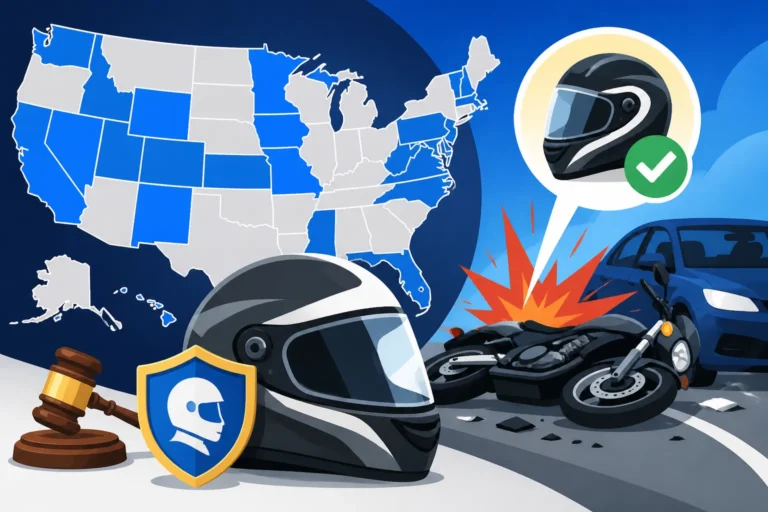
New Hampshire's helmet law specifies that only riders and passengers under the age of 18 are legally required to wear a helmet. If you're 18 or older, you are generally not mandated by state law to wear a helmet while operating or riding a motorcycle. This makes New Hampshire one of only a handful of states, alongside others like Illinois, Iowa, and, for some riders, Florida and Texas, that do not have a universal helmet law requiring all riders to wear protective headgear. This legislative stance reflects a strong emphasis on individual liberty and personal responsibility, which is deeply ingrained in the state's culture. However, this freedom comes with significant personal risk, especially concerning head injuries in the event of a crash. While it might feel liberating to ride with the wind in your hair, the stark reality of severe injury without a helmet is something every rider should seriously consider.
Implications for Rider Safety
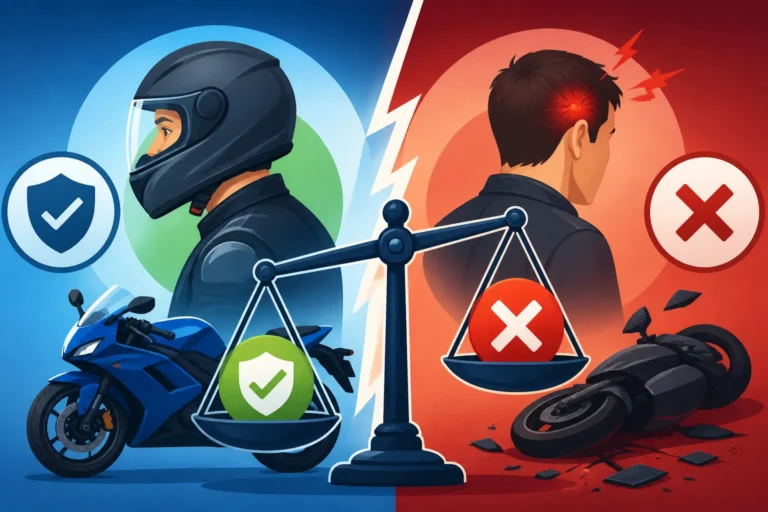
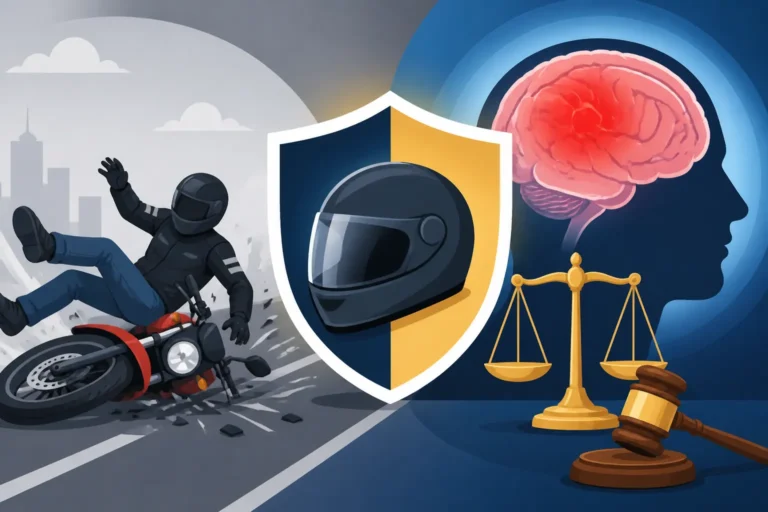
The legal freedom to ride without a helmet in New Hampshire doesn't negate the undeniable safety benefits that a quality helmet provides. Statistics from the National Highway Traffic Safety Administration (NHTSA) consistently show that helmets are highly effective in preventing serious head injuries and fatalities in motorcycle crashes. Riders involved in accidents without a helmet are significantly more likely to suffer a motorcycle traumatic brain injury than those wearing one. Beyond the brain, a helmet also offers crucial protection for your face and jaw, which can suffer devastating injuries in an impact. For instance, even a low-speed fall can result in significant facial trauma, fractured orbital bones, or broken jaws, leading to extensive medical treatments and lasting disfigurement. While the law might grant you the choice, understanding these grave implications for your personal safety is paramount. When considering riding gear, even though not legally mandated, prioritizing safety through a DOT-compliant helmet from a reputable retailer like Cycle Gear is always the wisest choice for any rider.
The "Helmet Defense": How Not Wearing One Can Impact Your Claim
Even in a state like New Hampshire where helmets aren't universally required, the decision not to wear one can become a significant point of contention if you find yourself in a motorcycle accident claim. Insurance companies and defense attorneys are always looking for ways to reduce their liability, and your helmet choice can sometimes become a focal point.
Applying the Helmet Defense and Comparative Negligence
The "helmet defense" is a legal strategy used by at-fault drivers' insurance companies to argue that your injuries, particularly head injuries, were exacerbated or even caused by your decision not to wear a helmet, regardless of whether it was legally required. The core idea is that even if the other driver was primarily at fault for the accident, you bear some responsibility for the severity of your own injuries due to your lack of protective gear. This defense is often tied into the concept of Comparative Negligence in Motorcycle Accidents. New Hampshire operates under a "modified comparative negligence" rule, specifically the 51% rule. This means that if you are found to be 51% or more at fault for the accident, you cannot recover any damages. If you are less than 51% at fault, your recoverable damages will be reduced by your percentage of fault.
So, how does the helmet defense fit in? Let's say a distracted driver pulls out in front of you, clearly causing the accident. You suffer a severe traumatic brain injury. While the other driver's negligence is clear, their insurance company might argue that had you been wearing a helmet, your brain injury would have been less severe, or perhaps even avoided entirely. They might then try to assign a percentage of fault for your injuries to you, effectively reducing the total compensation you can receive. This doesn't mean you're blamed for causing the crash itself, but rather for contributing to the extent of your injuries. This can be a particularly tricky area, and it's where an experienced attorney can make a substantial difference in countering such arguments. The defense might attempt to use this strategy to significantly lower their settlement offer, arguing that a substantial portion of your medical bills and pain and suffering could have been mitigated.
Distinguishing Head Injuries from Other Injuries
It’s crucial to understand that the helmet defense isn't a blanket dismissal of your entire accident claim. If you weren't wearing a helmet and suffered road rash on your arms, a broken leg, or a spinal cord injury, the lack of a helmet is unlikely to be relevant to those specific injuries. The defense primarily applies to head, face, and brain injuries. For example, if a car makes an illegal left turn in front of you, causing a collision that results in a fractured femur and severe road rash, the other driver is still responsible for those injuries, regardless of your helmet use. The key is establishing a direct causal link between the lack of a helmet and the severity of specific injuries.
Insurance adjusters will scrutinize your medical records and the police report to identify injuries that could have been prevented or lessened by a helmet. They might seek expert testimony from medical professionals or accident reconstructionists to support their claims. Therefore, even if you chose not to wear a helmet, you still have a right to pursue compensation for all other injuries and damages directly caused by the other driver's negligence. Understanding this distinction is vital, as it helps you anticipate the arguments the opposing side might make and prepare a strong counter-argument. You'll need to clearly delineate which injuries were not impacted by your helmet choice, ensuring you seek full compensation for them.
Navigating Your Claim When You Weren't Wearing a Helmet
Finding yourself in an accident is chaotic enough, but when you weren't wearing a helmet in a state like New Hampshire, it adds another layer of complexity to your potential claim. It's imperative to act strategically from the moment the crash occurs to protect your rights and future compensation.
Documenting the Scene and Your Injuries
The moments immediately following a motorcycle accident are critical, regardless of helmet use. Your first priority, once safety allows, should be to document everything. Start by calling 911 to report the accident and ensure police and paramedics are dispatched. Even if you feel okay, seek immediate medical attention. Adrenaline can mask pain, and some serious injuries, like internal bleeding or certain Motorcycle Traumatic Brain Injuries, may not manifest symptoms for hours or even days. A delay in seeking medical care can be used by insurance companies to argue that your injuries weren't severe or weren't directly caused by the accident.
While at the scene, if you are able, take as many photos and videos as possible. Capture the positions of all vehicles, damage to your motorcycle, damage to the other vehicle, road conditions, traffic signs, skid marks, and any relevant landmarks. If your helmet was on the bike but not on your head, photograph its condition and location. Exchange information with the other driver and collect contact details from any witnesses. Witnesses can be crucial in corroborating your account, especially if the "I didn't see the motorcycle" defense comes into play. Keep a detailed journal of your injuries, pain levels, medical appointments, and how the injuries impact your daily life. This meticulous documentation is vital for building a strong case and can help illustrate the full extent of your suffering, regardless of helmet use. Review our guide on What to Do Immediately After a Motorcycle Accident for a step-by-step approach.
Proving the Other Driver's Fault
The fundamental principle of any personal injury claim is proving that another party's negligence caused your harm. In New Hampshire, even if you weren't wearing a helmet, the other driver is still liable for causing the accident if their actions directly led to the collision. Your lack of a helmet does not give another driver a free pass to drive carelessly. Whether it was a driver making an unsafe lane change, running a stop sign, or texting while driving, their fault remains a central element.
Gathering evidence to prove the other driver's fault is paramount. This includes the police report, witness statements, traffic camera footage, dashcam footage, and any physical evidence from the scene. If a driver failed to yield the right-of-way, such as in Left-Turn Motorcycle Accidents Explained, or was demonstrably distracted by their phone, that negligence is a direct cause of the crash. Your attorney will work to establish this clear chain of causation, separating the cause of the accident from any arguments about injury severity due to helmet non-use. For example, if the accident was clearly a result of the other driver's Motorcycle Accidents Caused by Distracted Driving, your focus should be on proving their breach of duty and the direct impact on your vehicle and body. Even if you sustained head injuries without a helmet, proving the other driver was unequivocally at fault for the collision ensures they are still held accountable for initiating the crash and all unavoidable injuries.
The Role of Expert Legal Counsel
Navigating a motorcycle accident claim in New Hampshire, especially one involving the helmet defense, is complex. The insurance company for the at-fault driver will almost certainly try to minimize their payout by using every available angle, and your helmet choice will likely be one of them. This is where an experienced motorcycle accident attorney becomes invaluable. An attorney familiar with New Hampshire's laws and precedents can effectively counter the helmet defense by:
- Argue causation: They can argue that even with a helmet, certain head injuries might still have occurred or that the helmet defense doesn't apply to the specific type of head injury you sustained.
- Focus on the core negligence: They can shift the focus back to the other driver's undeniable negligence as the primary cause of the accident, ensuring that the helmet issue doesn't overshadow the primary fault.
- Expert testimony: They can enlist accident reconstruction experts or medical professionals to provide testimony that clarifies the nature of your injuries and the role (or lack thereof) of helmet use in the overall outcome.
- Negotiation: They possess the negotiation skills to stand up to insurance adjusters who attempt to unfairly reduce your settlement.
Without an attorney, you risk being strong-armed into a much lower settlement than you deserve. Insurance companies are not on your side; their goal is to save money. A skilled legal professional can level the playing field, protect your rights, and work to maximize your compensation for all damages, including medical bills, lost wages, pain and suffering, and property damage. Consider reading Do You Need a Motorcycle Accident Lawyer to understand the full scope of benefits. They will analyze the various Types of Damages in a Motorcycle Accident Claim you might be entitled to, ensuring no aspect of your suffering is overlooked.
Smart Gear Choices for Safety and Claim Strength
Even with New Hampshire's lax helmet laws, making informed decisions about your riding gear can have a profound impact not only on your safety but also on the strength of any potential motorcycle accident claim. Investing in quality protective equipment is a smart move for every rider.
Beyond the Helmet: Essential Safety Gear
While the helmet often gets the most attention in discussions of motorcycle safety and legal claims, it’s far from the only piece of protective gear that matters. The road is unforgiving, and a sliding impact can cause catastrophic injuries to unprotected skin and limbs. High-quality motorcycle jackets, pants, gloves, and boots are crucial for protecting against severe road rash, fractures, and abrasions. For instance, a durable leather or armored textile jacket with CE-rated armor in the shoulders and elbows can prevent broken bones and deep tissue damage that would otherwise occur. Likewise, riding pants with hip and knee protection can save you from debilitating injuries.
Wearing robust, purpose-built riding gear not only protects your body but also demonstrates a commitment to safety. In the unfortunate event of a crash, this can serve as powerful evidence that you were a responsible rider who took precautions, even if you opted not to wear a helmet where not required. This can help counter any narrative from the defense that you were reckless or contributed to the severity of your non-head injuries. Retailers like Cycle Gear offer a wide selection of top-notch protective apparel from brands like Dainese, Alpinestars, and Klim, all designed to offer maximum protection. Choosing appropriate gear goes a long way in both preventing injury and safeguarding your accident claim. For more detailed information, look into Motorcycle Safety Gear and Legal Protection.
The Legal and Practical Benefits of Wearing a Helmet
Despite New Hampshire’s specific laws, wearing a DOT-compliant helmet is still the single most effective way to prevent catastrophic head injuries in a motorcycle accident. From a practical standpoint, a full-face helmet offers protection against wind, debris, and insects, making your ride more comfortable and safer. More importantly, it provides a physical barrier between your head and the pavement or other vehicles in a collision, dramatically reducing the risk of a concussion, skull fracture, or traumatic brain injury.
From a legal perspective, wearing a helmet can simplify your claim immensely. If you sustain a head injury while wearing a helmet, the helmet defense arguments are largely nullified. The insurance company cannot reasonably argue that your injuries were made worse by a lack of protection if you were wearing the best possible protection. This allows your legal team to focus solely on proving the other driver's fault and calculating the full extent of your damages, without the added complexity of debating your personal safety choices. While New Hampshire allows you the choice, understanding How Helmet Laws Affect Your Accident Claim can make a significant difference. Choosing to wear a helmet, even when not legally obligated, is a proactive step that protects your health, simplifies potential legal battles, and ultimately supports a higher settlement value by reducing the opportunities for the defense to shift blame.
Here's a quick look at how New Hampshire's helmet law stacks up against potential claim impacts:
| Aspect | New Hampshire Law (18+) | Impact on Accident Claim (18+) |
|---|---|---|
| Helmet Requirement | Optional | Potential "Helmet Defense" for head injuries |
| Eye Protection | Required (unless windshield) | Not usually a defense point if worn; could be if not |
| Other Protective Gear | Not required | Recommended to show responsibility; can mitigate non-head injury claims |
| Comparative Negligence | Modified (51% rule) | Rider's fault (including for injuries) can reduce/bar recovery |
| Proving Fault | Still paramount | Other driver's negligence remains the core of the claim |
Disclaimer
Please remember, this article provides general information and is not legal advice. Motorcycle accident laws are complex and vary by jurisdiction. If you've been involved in a motorcycle accident in New Hampshire or any other state, it is always recommended to consult with a qualified personal injury attorney to discuss the specifics of your case and understand your legal options.