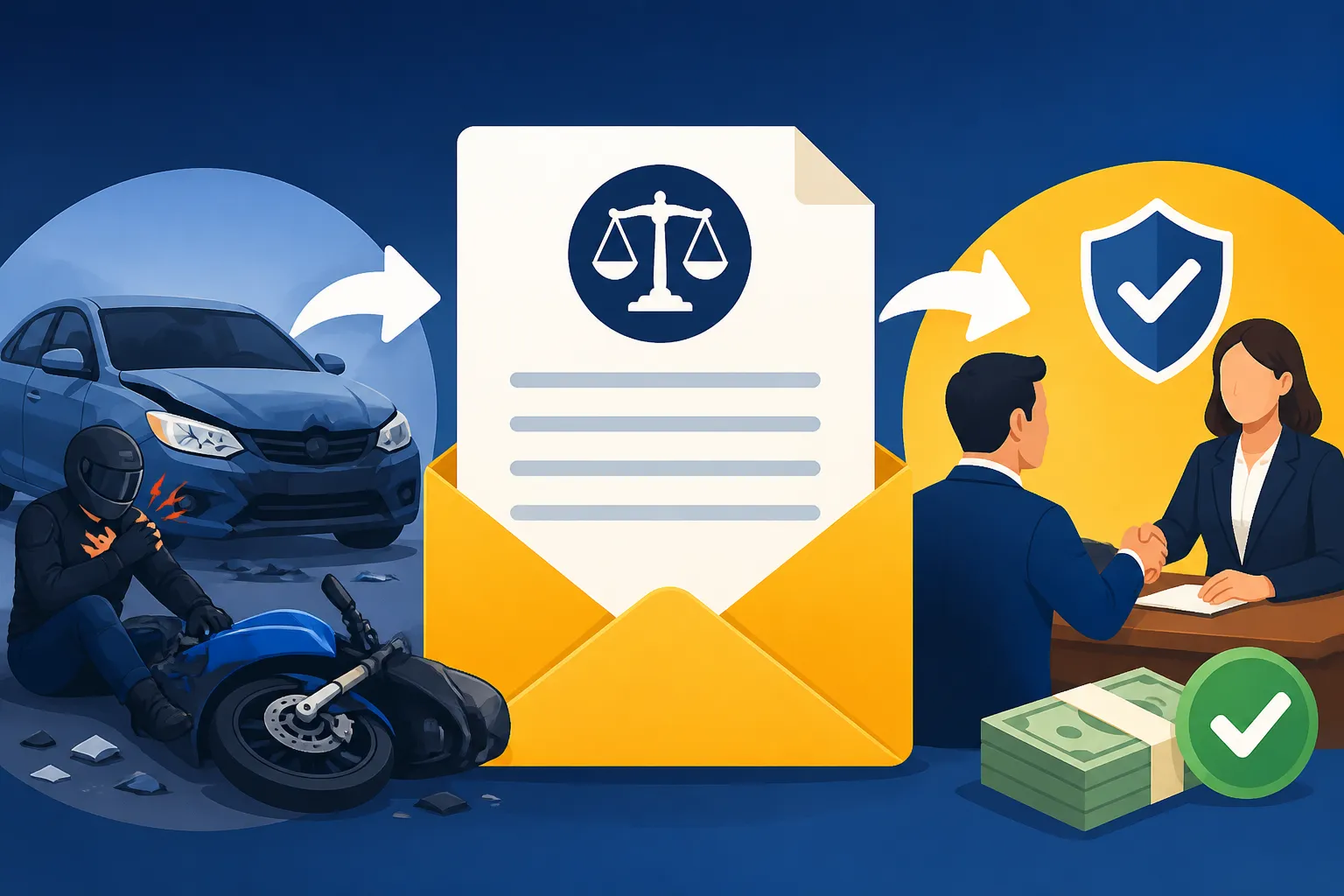
How a Demand Letter Works
After a devastating motorcycle accident, dealing with injuries, property damage, and the sheer emotional toll is overwhelming enough. Then comes the complex and often frustrating process of dealing with insurance companies, who seem intent on minimizing your suffering and your claim. One of the most critical steps in seeking fair compensation is understanding and effectively utilizing a demand letter, which can feel like writing a novel when you’re barely keeping it together. This comprehensive guide will walk you through exactly what a motorcycle accident demand letter is, why it's so important, and how to craft one that truly reflects the full scope of your damages and demands the attention your case deserves.
Understanding the Purpose of a Demand Letter
When you’ve been in a motorcycle accident, it’s not just about patching up your bike and your body; it’s about rebuilding your life, which often requires significant financial resources. The insurance company for the at-fault driver isn't just going to hand you a check because you asked nicely. They need to see a detailed, compelling argument for why they owe you money and how much. That's where a meticulously prepared demand letter comes into play. It's more than just a request for payment; it's the official presentation of your case, outlining every aspect of the accident, your injuries, and the financial impact it has had on your life.
This document serves as your formal opening statement in the negotiation process, laying out the facts, the law, and your losses in a clear, undeniable manner. Without a strong demand letter, you're essentially walking into a negotiation blind, or worse, allowing the insurance company to dictate the terms from the outset. It’s your chance to seize control of the narrative and present a unified, persuasive picture of what happened and why you deserve to be compensated fully.
Why a Demand Letter is Crucial
Think of a demand letter as the blueprint for your entire motorcycle accident claim. It consolidates all the evidence, medical records, bills, and lost wage statements into one coherent package, giving the insurance adjuster a full picture of your situation. This isn't just about showing them a pile of papers; it's about connecting the dots, explaining how the negligent actions of their insured led directly to your injuries and subsequent financial hardships. Many riders mistakenly believe that simply submitting medical bills is enough, but that rarely tells the whole story of suffering, inconvenience, and long-term consequences.
A well-crafted demand letter also signals to the insurance company that you are serious about your claim and that you understand the value of your losses. It demonstrates that you've done your homework and aren't just looking for a quick, lowball settlement. For instance, if you were involved in a situation like a Left-Turn Motorcycle Accidents Explained, where fault can often be clear, presenting that evidence directly and systematically in a demand letter reinforces your position. It’s a powerful tool to prevent the insurer from unfairly downplaying your injuries or trying to shift blame onto you.
The Psychology Behind the Document
The demand letter is not just a legal document; it’s also a psychological tool. It forces the insurance company to confront the full reality of your situation, often for the first time. Adjusters deal with hundreds of claims, and yours can easily become just another file number. A compelling demand letter, however, makes your case stand out. It personalizes your experience, transforming abstract damages into a tangible story of pain, loss, and disruption.
This document often serves as the initial "wake-up call" for the insurance company, prompting them to conduct a more thorough review of their insured's liability and the potential exposure they face. It can pressure them to open a reserve (money set aside for a potential settlement) and begin serious consideration of a settlement offer rather than outright denial. It also subtly communicates that if a fair settlement isn’t reached, you’re prepared to pursue further legal action, up to and including filing a lawsuit. This understanding often makes them more inclined to negotiate fairly, as trials are costly and uncertain for insurers.
Key Components of a Strong Demand Letter
Crafting an effective demand letter requires careful attention to detail and a structured approach. It's not just about listing your grievances; it's about building an unassailable case. Every element, from the initial description of the crash to the final demand for compensation, must be precise, factual, and compelling. This foundational document will guide all subsequent negotiations, so its thoroughness is paramount.
Detailing the Accident and Liability
The very first part of your demand letter must paint a clear and concise picture of how the motorcycle accident occurred. This isn't the time for emotional outbursts, but for objective facts. You need to identify the date, time, and location of the incident, as well as the parties involved, including their names, addresses, and insurance information. More importantly, you must articulate why the other driver was at fault. This involves referencing police reports, witness statements, and any traffic citations issued at the scene.
For example, if the other driver made an unsafe lane change without checking their blind spot, causing you to crash, you would describe this action, reference the corresponding traffic law violated, and explain how that directly led to your injuries. This section should clearly establish Who Is at Fault in a Motorcycle Accident and why their negligence is responsible for your suffering. You might include details about road conditions, weather, and traffic flow, all corroborated by evidence, to leave no room for doubt about the circumstances of the crash. Remember, the goal is to present a narrative so undeniable that the insurance company can’t reasonably dispute liability.
Comprehensive Injury and Damage Documentation
After establishing fault, the demand letter pivots to the core of your claim: your injuries and all other damages. This section needs to be incredibly detailed. You should describe the nature and extent of all your injuries, from obvious broken bones and road rash to more insidious issues like concussions or soft tissue damage. Explain the medical treatment you’ve received, including emergency room visits, hospital stays, surgeries, physical therapy, and follow-up appointments with specialists.
Accompanying this narrative, you need to provide meticulous documentation. This includes all your medical records, diagnostic test results (X-rays, MRIs, CT scans), and itemized medical bills. Don't forget prescription costs, ambulance fees, and any other healthcare-related expenses. It's also vital to discuss how these injuries have impacted your daily life, your ability to work, and your overall quality of life. This is where you connect your physical injuries to both economic and non-economic losses, laying the groundwork for how you will quantify your overall damages later. Thorough documentation is key to How to Document Injuries for a Claim.
Calculating Your Total Damages
This is perhaps the most critical part of your demand letter, where you quantify your losses and state your desired settlement amount. Your demand for compensation must be thoroughly justified and supported by all the documentation you’ve provided. Damages typically fall into two categories: economic and non-economic.
Economic damages are quantifiable losses such as:
- Medical Expenses: All past, present, and projected future medical bills related to your treatment.
- Lost Wages: Income you’ve lost due to being unable to work, including salary, commissions, bonuses, and benefits.
- Loss of Earning Capacity: If your injuries prevent you from returning to your previous job or earning the same income in the future, this accounts for that long-term financial impact.
- Property Damage: The cost to repair or replace your motorcycle, helmet, gear, and any other personal items damaged in the crash.
- Out-of-Pocket Expenses: Anything you've paid for directly due to the accident, like transportation to medical appointments, home modifications, or assistive devices.
Non-economic damages are harder to put a price tag on but are equally valid:
- Pain and Suffering: Physical pain, discomfort, and emotional distress caused by your injuries.
- Emotional Distress: Anxiety, depression, PTSD, fear, and other psychological impacts.
- Loss of Enjoyment of Life: Your inability to participate in hobbies, recreational activities, or daily functions you enjoyed before the accident.
- Disfigurement or Scarring: Compensation for permanent physical alterations.
You'll need to clearly list all these categories and provide a total settlement figure. For more on this, you might explore Economic vs Non-Economic Damages Explained. It’s important to remember that this initial demand figure is often higher than what you expect to receive, allowing room for negotiation with the insurance company.
Crafting a Compelling Narrative
Beyond just listing facts and figures, a demand letter needs to tell a story – your story. It needs to be persuasive, engaging, and professional. The goal is to make the insurance adjuster, and potentially a jury if the case goes to trial, understand the profound impact this accident has had on your life. This narrative element can significantly influence how seriously your claim is taken and the willingness of the insurer to offer a fair settlement.
Presenting Evidence Persuasively
Simply attaching documents to your letter isn’t enough; you need to integrate them into a persuasive argument. Refer to specific pieces of evidence within your narrative to bolster your claims. For instance, when describing your spinal cord injury, you might write, "As documented in Dr. Smith's report from October 26, 2023, and confirmed by the MRI on November 1, 2023 (Exhibit C), the crash resulted in a herniated disc at L4-L5, necessitating immediate surgical intervention." This approach makes your claims factual and hard to dispute.
Photographs of the accident scene, your damaged motorcycle, and your injuries are incredibly powerful. A picture of a badly damaged helmet or extensive road rash can convey the severity of the impact more effectively than words alone. If available, dashcam footage or traffic camera recordings should also be mentioned and offered as evidence. The more clear, undeniable evidence you present, the stronger your demand letter becomes, making it difficult for the insurance company to argue against your version of events or the severity of your injuries. Remember, the stronger your evidence, the more challenging it is for the insurer to dispute Proving Fault in a Motorcycle Accident.
Setting a Reasonable Settlement Figure
Deciding on the final demand amount is a delicate balance. It needs to be high enough to cover all your current and future losses, including pain and suffering, but not so astronomically high that it's immediately dismissed as unreasonable. A common strategy is to calculate your total economic damages (medical bills, lost wages, property damage) and then apply a multiplier (typically 1.5x to 5x, or even higher for severe injuries) to arrive at a figure for pain and suffering, which is then added to your economic losses.
However, this isn't a hard and fast rule; very severe or catastrophic injuries, like a spinal cord injury, might warrant a much higher multiplier or even specific valuation methods. It's crucial to justify your chosen multiplier based on the severity of your injuries, the duration of your recovery, the impact on your daily life, and any permanent impairments. The demand amount should also reflect the strength of your evidence and the clarity of liability. While the initial demand is often higher than what you expect, it should still be grounded in reality and defensible. Learn more about How Motorcycle Accident Settlements Are Calculated to better understand this complex process.
Legal Language and Tone Considerations
While you’re telling your personal story, it’s vital to maintain a professional and objective tone throughout the demand letter. Avoid overly emotional language, accusatory statements, or threats. Stick to the facts, present your arguments logically, and let the evidence speak for itself. The language should be clear, concise, and easy for the adjuster to understand. Using legal terminology correctly shows that you understand the process, but don't overdo it to the point of being incomprehensible.
Ensure your letter is well-organized, with clear headings and bullet points to make it easy to read and digest. Proofread meticulously for any grammatical errors or typos, as these can detract from the professionalism of your document. A demand letter that is sloppy or poorly written can inadvertently signal to the insurance company that your claim itself might be disorganized or weak, something you definitely want to avoid. The goal is to present a polished, authoritative document that demands respect and serious consideration.
The Demand Letter Process and What Follows
Submitting your demand letter isn't the end of the road; it's merely the beginning of the formal negotiation stage. Understanding the steps that follow, including how the insurance company typically responds and what negotiation tactics you can employ, is crucial for securing a favorable outcome. This phase requires patience, strategy, and a firm grasp of your claim’s true value.
Submitting Your Demand to the Insurer
Once your demand letter is finalized and thoroughly checked, it's time to send it to the at-fault driver's insurance company. Always send it via certified mail with a return receipt requested. This provides undeniable proof that the letter was sent and received, along with the date of delivery. This official record can be incredibly important if there are disputes about deadlines or if the insurance company claims they never received your demand.
Along with the letter, you will typically include all supporting documentation: police report, medical records, medical bills, wage loss verification, property damage estimates, photographs, and any other relevant evidence. It's often best to organize these exhibits clearly, perhaps with tabs or an index, so the adjuster can easily navigate the information. Make sure you keep a complete copy of everything you send for your own records. Sometimes, depending on the insurance company, an email submission might also be accepted, but always follow up with certified mail for legal certainty.
Anticipating the Insurance Company's Response
After receiving your demand letter, the insurance company typically has a certain period to respond, which can vary by state law or internal company policy, but is often around 30 days. Their initial response is usually not a full acceptance of your demand. More often than not, you'll receive one of three types of responses:
- A Settlement Offer: This is usually a lowball offer, significantly less than your demand. They might cite various reasons for their offer, such as disputed liability, minor property damage implying minor injuries, or claims that some of your medical treatment wasn't related to the accident. This is a common tactic, and it's essential to understand How Insurers Lowball Motorcycle Riders.
- A Request for More Information: The adjuster might ask for additional medical records, clarification on lost wages, or further details about the accident. This isn't necessarily a bad sign; it often indicates they are reviewing your claim seriously.
- A Denial: In some cases, especially if liability is heavily disputed, the insurance company might deny your claim outright. This doesn't mean your claim is over; it simply means you'll need to escalate your approach, possibly by preparing for litigation.
Negotiation Strategies After the Demand
Once you receive the insurance company’s response, the real negotiation begins. If they've made a lowball offer, you'll need to counter it. Your counter-offer should be well-reasoned and refer back to the evidence in your demand letter. Don’t simply reject their offer; explain why it’s inadequate and reiterate the valid reasons for your original demand or a slightly adjusted, still justified, counter-offer.
This back-and-forth process is common in personal injury claims. Be prepared to stand firm on your valuation, especially for non-economic damages like pain and suffering, which insurers love to minimize. You may need to highlight key pieces of evidence again, emphasizing the long-term impact of your injuries or the clear negligence of their insured. For instance, if you suffered a road rash that required skin grafts, you'd emphasize the ongoing pain, scarring, and emotional distress this causes. Knowing How Negotiation Back-and-Forth Works is vital here. If negotiations stall, or if you feel the insurance company is being unreasonable, it might be time to consider mediation or to prepare for filing a lawsuit. This is often the point where having a seasoned motorcycle accident attorney becomes invaluable.
| Action Taken | Typical Insurance Company Response | What to Do Next |
|---|---|---|
| Send Demand Letter | Acknowledgment of receipt, often with a few weeks before a substantive response. | Document receipt, prepare for follow-up. |
| First Offer Received | Often a lowball offer, citing various reasons for reduction (disputed fault, injury severity). | Analyze offer against your demand; prepare a reasoned counter-offer. |
| Request for More Info | Asks for additional medical records, wage verification, or accident details. | Provide requested information promptly and thoroughly. |
| Claim Denial | Outright rejects liability or damages. | Re-evaluate evidence, consider formal appeal or prepare for litigation. |
| Counter-Offers | Continues with incrementally increasing offers, but still below your target. | Continue to negotiate, clearly justifying each counter-offer. |
Common Pitfalls to Avoid
Navigating a motorcycle accident claim is fraught with potential missteps that can significantly reduce your settlement. The insurance company is not on your side, and they will actively look for reasons to pay you less. Being aware of these common pitfalls and actively avoiding them is just as important as building a strong case.
Underestimating Your Claim's Value
One of the biggest mistakes riders make is accepting the first settlement offer because they're tired, stressed, or simply don't know the true value of their claim. Insurance adjusters are experts at making lowball offers sound reasonable, implying that it's the best you'll get or that your case isn't worth much more. However, motorcycle accidents often result in severe injuries, leading to extensive medical bills, lost income, and significant pain and suffering that far exceed initial estimates.
It’s easy to focus solely on immediate costs like emergency room bills and bike repairs. But what about future medical treatments, potential long-term physical therapy, or the loss of enjoyment from activities you once loved, like riding? These are all legitimate damages. For instance, if you suffered a Motorcycle Spinal Cord Injury: Claims and Compensation, your claim could be worth substantially more than an adjuster's initial offer might suggest. Never rush to settle, especially if you haven't reached Maximum Medical Improvement (MMI) or fully understood the long-term implications of your injuries. Rushing a settlement can mean you're stuck paying out of pocket for future care that should have been covered by the at-fault driver's insurance.
Admitting Fault or Expressing Uncertainty
Immediately after an accident, emotions run high, and it's natural to feel disoriented. However, it's crucial to be very careful with your words, especially when speaking to the police or the other driver, and certainly in your demand letter. Never admit fault or even hint that you might be partially responsible. Statements like "I didn't see him" or "I think I might have been going a little fast" can be used against you by the insurance company to argue for Shared Fault in Motorcycle Accidents or even shift the entire blame.
Even if you think you might have contributed in some small way, you are not a legal expert or accident reconstructionist. Stick to the facts you know. For example, if a car pulled out in front of you, causing a Motorcycle Accidents Caused by Failure To Yield, simply state that the other driver failed to yield. Let the evidence, and ideally, your attorney, determine fault. In your demand letter, clearly state the facts that show the other driver's liability without speculating or offering apologies. This firm stance from the outset is vital to protecting your claim.
Missing Critical Deadlines
The legal system operates on strict timelines, and missing them can be catastrophic for your motorcycle accident claim. These deadlines, known as the Statute of Limitations, dictate how long you have to file a lawsuit after an accident. This varies significantly by state. For example, in many states, you might have two or three years from the date of the accident, but some have shorter windows, especially for claims against government entities.
Beyond the Statute of Limitations, there are other internal deadlines set by insurance companies for submitting documents or responding to offers. While these aren't legal deadlines, dragging your feet can make it seem like your injuries aren't severe or that you're not serious about your claim, giving the insurer an excuse to delay or offer less. Always be prompt in gathering medical records, police reports, and other documentation. Know the legal deadlines in your state for filing a claim and any internal deadlines from the insurance company. If you’re unsure, an attorney can help clarify How Long You Have to Settle a Claim and ensure all critical dates are met, preserving your right to pursue compensation.
Navigating the aftermath of a motorcycle accident is undeniably tough, but a strong, well-written demand letter is your key to starting the settlement process on solid ground. By thoroughly documenting your injuries, meticulously calculating your damages, and presenting your case persuasively, you empower yourself to demand the fair compensation you deserve. Remember, this isn't just about money; it's about justice and reclaiming your life after a traumatic event.
Disclaimer
The information provided in this guide is intended for general informational purposes only and does not constitute legal advice. Motorcycle accident claims are complex and highly dependent on individual circumstances and state-specific laws. It is always recommended to consult with a qualified motorcycle accident attorney to discuss your specific situation and receive personalized legal guidance.