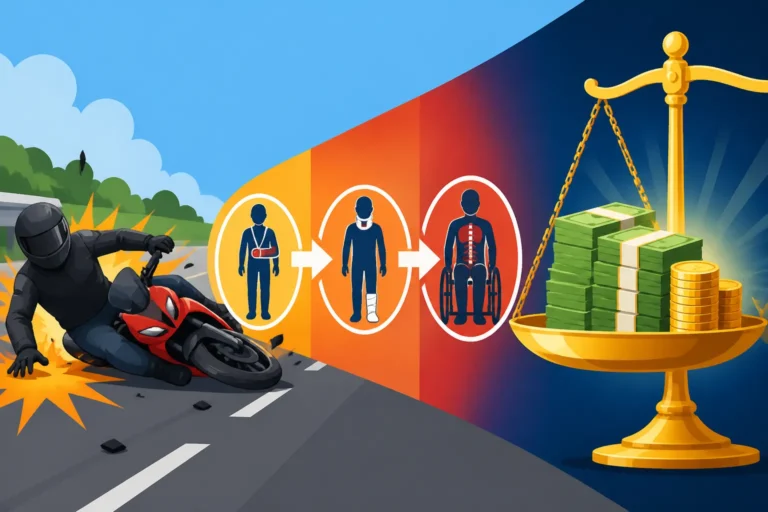
Average Settlement for a Motorcycle Road Rash
Experiencing a motorcycle accident is terrifying enough, but the aftermath often brings a harsh reality check, especially when it comes to injuries like road rash. What many people mistakenly dismiss as "just scrapes" can actually be incredibly painful, lead to serious complications, and leave lasting physical and emotional scars. If you're grappling with the effects of road rash after a crash, you're likely wondering what your journey to recovery and fair compensation might look like. This comprehensive guide will explore the intricacies of road rash injuries and shed light on what typically goes into determining the average settlement you might receive.
What Exactly is Road Rash and Why It's More Than Just a Scrape?
When your skin makes forceful, abrasive contact with asphalt, concrete, or even gravel, the resulting injury is commonly known as road rash. It's not just a minor cut; it's a degloving injury where layers of skin are essentially scraped or torn away. Motorcyclists are particularly vulnerable to this because, even with protective gear, there's always a chance for skin exposure during a slide or impact. The severity can range dramatically, from superficial scrapes to deep wounds that penetrate all layers of skin and even expose muscle or bone.
Understanding the Degrees of Road Rash
Just like burns, road rash is classified into degrees based on how deep the skin layers are affected. This classification is crucial for medical treatment and, consequently, for determining the potential value of a settlement.
- First-Degree Road Rash: This is the mildest form, affecting only the outermost layer of skin, the epidermis. It typically looks like a red, painful abrasion, similar to a rug burn. While uncomfortable, these injuries usually heal within a week or two without significant scarring, often with just careful cleaning and topical antibiotics. You might experience some localized swelling and tenderness, but the skin barrier remains mostly intact.
- Second-Degree Road Rash: This type of injury penetrates deeper, damaging both the epidermis and the dermis, the layer beneath. It often presents with bleeding, oozing fluids, and intense pain. Blisters may form, and the skin can look raw and red. Healing can take several weeks, and there's a higher risk of scarring and skin discoloration. Medical attention is almost always necessary to prevent infection and properly clean the wound. Depending on the depth, it can sometimes require surgical debridement to remove foreign particles embedded in the skin.
- Third-Degree Road Rash: This is the most severe form, affecting all layers of the skin and potentially damaging fat, muscle, or even bone. The wound might appear white, waxy, or charred, and paradoxically, nerve damage might mean less immediate pain at the site, though the surrounding areas will be excruciating. These injuries are incredibly serious, highly prone to infection, and almost always require extensive medical intervention, including skin grafts, reconstructive surgery, and long-term wound care. The chances of permanent scarring, disfigurement, and nerve damage are very high.
Consider a scenario: a rider, let's call her Maria, was involved in a low-speed slide on a suburban street. She was wearing a durable textile jacket and jeans, but her knee was exposed when she went down, resulting in a gnarly second-degree road rash. Her knee swelled immediately, was incredibly painful, and started to ooze. She visited urgent care, where they meticulously cleaned gravel out of the wound – a process called debridement – and dressed it. Over the next month, she had multiple follow-up appointments and physical therapy to regain full mobility, as the deep wound on her knee restricted movement. This level of injury, treatment, and recovery time will significantly factor into her claim for Road Rash Injuries and Claims.
Beyond the Pain: Complications and Long-Term Impact
Road rash, especially second and third-degree, is more than just a surface wound. The potential for complications can drastically increase the severity of the injury and, by extension, the compensation required.
- Infection: Open wounds are breeding grounds for bacteria. If not properly cleaned and treated, road rash can easily become infected, leading to cellulitis, sepsis, or other serious health issues that prolong recovery and increase medical costs. Imagine an embedded piece of asphalt causing a persistent infection that requires multiple rounds of antibiotics and further surgical cleaning.
- Nerve Damage: Deep road rash can sever or damage nerve endings, leading to numbness, tingling, or chronic neuropathic pain in the affected area. This can be a long-term, debilitating condition that significantly impacts a person's quality of life. A rider might suffer road rash on their hands or feet, leading to permanent sensory loss or hypersensitivity that interferes with everyday tasks.
- Scarring and Disfigurement: This is perhaps one of the most visible and emotionally distressing long-term impacts. Even first-degree road rash can leave discoloration, but second and especially third-degree injuries often result in hypertrophic (raised, red) or keloid (thick, itchy, spreading) scars. For some, these scars can cover large areas, restrict movement, and cause significant emotional distress and self-consciousness. Facial scarring, for instance, can be particularly devastating.
- Skin Grafts and Reconstructive Surgery: When a third-degree road rash injury is too extensive to heal on its own, doctors may perform skin grafts, taking healthy skin from another part of the body to cover the wound. These procedures are complex, painful, and require extensive recovery, often leaving two areas of the body scarred (the donor site and the graft site). Further reconstructive surgeries might be needed years down the line to improve function or appearance.
- Psychological Trauma: Beyond the physical pain, the trauma of the accident itself, coupled with the pain of recovery and the potential for permanent disfigurement, can lead to conditions like PTSD, anxiety, depression, and body image issues. These are very real Emotional Distress Damages that must be accounted for in a settlement.
Factors That Influence Your Road Rash Settlement Amount
Calculating the average settlement for a motorcycle road rash isn't as simple as plugging numbers into a formula. Every case is unique, and several critical factors interact to determine the final payout. While there isn't a strict "average," understanding these components helps to estimate potential compensation.
Medical Treatment and Costs
The most direct and easily quantifiable factor is the cost of your medical care. This includes everything from the immediate emergency room visit to ongoing rehabilitation.
- Emergency Care: This covers ambulance rides, initial wound cleaning, pain management, and diagnostic tests (like X-rays to rule out fractures beneath the rash).
- Follow-up Treatment: Multiple doctor's appointments, wound care supplies (specialized bandages, creams), antibiotics, and pain medications. For deeper wounds, this might include debridement procedures to remove embedded debris or necrotic tissue.
- Specialist Consultations: You might see a dermatologist for scarring, an infectious disease specialist for persistent infections, or a plastic surgeon for reconstructive options.
- Physical Therapy/Occupational Therapy: If the road rash affects a joint or a large area that restricts movement, therapy can be crucial for regaining function.
- Surgical Procedures: Skin grafts, reconstructive surgeries, and scar revision procedures are very expensive and significantly increase the settlement value.
Consider John, who sustained severe third-degree road rash on his forearm, hip, and ankle after being hit by a car while riding his Harley-Davidson. He spent a week in the hospital, underwent two skin graft surgeries, and then required months of physical therapy and specialized wound care. His medical bills alone totaled over $150,000, not including future surgeries or scar treatments. These tangible Medical Expenses in a Motorcycle Claim form the foundation of his claim.
Pain, Suffering, and Emotional Distress
Unlike medical bills, pain and suffering are "non-economic damages" that are harder to quantify but are a significant component of any personal injury settlement, especially for road rash. These damages compensate for the physical agony, emotional distress, and overall impact on your quality of life.
- Physical Pain: The sheer intensity and duration of the pain from road rash, particularly during wound cleaning, debridement, and recovery from grafts, is immense. This pain can be constant, throbbing, or sharp, making sleep, movement, and daily activities incredibly difficult.
- Emotional Anguish: The psychological toll can include fear, anxiety, depression, humiliation, and self-consciousness, especially if the scarring is visible or disfiguring. The experience of the accident itself can also contribute to post-traumatic stress disorder (PTSD).
- Loss of Enjoyment of Life: This refers to your inability to participate in hobbies, social activities, or daily routines that you enjoyed before the accident due to your injuries. Perhaps you can no longer comfortably ride your motorcycle, play sports, or even sleep on your side.
Insurance companies often use a "multiplier method" to estimate How Insurers Value Pain and Suffering, where your economic damages (medical bills, lost wages) are multiplied by a factor (usually 1.5 to 5, sometimes higher for catastrophic injuries) to arrive at a pain and suffering value. For severe road rash, this multiplier can be substantial.
Lost Wages and Earning Capacity
If your injuries prevent you from working, either temporarily or permanently, you can claim these losses.
- Past Lost Wages: This covers the income you've already lost from the day of the accident up until the point of settlement or trial. This is usually straightforward to calculate with pay stubs and employment verification.
- Future Lost Wages/Loss of Earning Capacity: If your road rash and associated complications (like nerve damage or limited mobility) prevent you from returning to your previous job, or reduce your ability to earn at the same level in the future, you can claim for this. This often requires expert testimony from vocational specialists or economists.
For instance, a construction worker who relies on physical labor and suffers severe road rash on his hands might be unable to return to his job for many months, potentially even needing to find a new career path if the nerve damage is permanent. This loss of future income is a crucial part of his total damages. Learning How Lost Wages Are Calculated is vital for your claim.
Scarring, Disfigurement, and Permanent Damage
The visible, permanent effects of road rash significantly impact settlement values. These are often categorized under pain and suffering but warrant special attention due to their unique nature.
- Cosmetic Impact: Visible scars on the face, arms, legs, or other exposed areas can cause immense emotional distress and impact self-esteem. The extent and location of the scarring play a huge role.
- Functional Impairment: Scar tissue can tighten and restrict movement, especially if it forms over joints. This can lead to permanent disability and limitations in physical activities.
- Need for Future Treatment: If you will require future surgeries (e.g., scar revision, laser treatments) or ongoing therapy to address scarring or functional issues, these projected costs are included in your claim.
A good example might be a young professional, Sarah, who suffered severe road rash on her face and neck. Even after initial healing, she was left with noticeable disfigurement and chronic sensitivity to sunlight. Her claim would undoubtedly account for the significant emotional distress and the need for potential future cosmetic procedures, which dramatically increases the Average Settlement for a Motorcycle Facial Injuries.
Factors That Can Reduce Your Settlement
While the above factors build your claim, some elements can work against it.
- Comparative Negligence: In many states, if you are found partially at fault for the accident, your settlement amount can be reduced proportionally. For example, if you're deemed 20% at fault, your total damages might be reduced by 20%. Understanding Comparative Negligence in Motorcycle Accidents is crucial.
- The "Helmet Defense": In states without universal helmet laws, or even in some where helmets are required, insurance companies may argue that not wearing a helmet contributed to head injuries or worsened other injuries by association, even if your primary injury is road rash. While less direct for road rash, it can be part of a broader strategy to diminish your claim. How Helmet Laws Affect Your Accident Claim can explain this further.
- Pre-Existing Conditions: If you had a prior injury or skin condition in the area affected by road rash, the defense might try to argue that the accident didn't cause all of your current issues. However, the "eggshell skull rule" generally means you take your victim as you find them, meaning a defendant is liable for aggravating pre-existing conditions.
Here's a table to give you a clearer picture of how road rash degrees generally correlate with settlement considerations:
| Road Rash Degree | Injury Description | Common Treatments | Typical Recovery Time | Key Settlement Impact Factors |
|---|---|---|---|---|
| First-Degree | Epidermis (outermost layer) only; redness, tenderness. | Cleaning, antibiotic ointment, bandages. | 1-2 weeks | Minor medical bills, limited pain and suffering, minimal lost wages. |
| Second-Degree | Epidermis & Dermis (deeper layers); oozing, bleeding. | Thorough cleaning, debridement, specialized dressings. | 2-4 weeks | Moderate medical bills, significant pain and suffering, potential lost wages, noticeable scarring. |
| Third-Degree | All skin layers, fat, muscle, bone; nerve damage. | Extensive debridement, skin grafts, reconstructive surgery, long-term wound care. | Months to years | Catastrophic medical bills, severe pain and suffering, long-term lost earning capacity, disfigurement, psychological trauma. |
How to Document Your Road Rash Injuries for a Claim
To ensure you receive fair compensation, meticulous documentation of your injuries and their impact is paramount. This isn't just about showing your wounds; it's about building a solid case.
The Importance of Immediate Medical Attention
After any motorcycle accident, seeking immediate medical attention is non-negotiable, even if you feel your injuries are minor. For road rash, this is especially critical.
- Establishes a Link: Prompt medical care creates an undeniable link between the accident and your injuries. If you wait days or weeks to see a doctor, the insurance company might argue that your injuries weren't severe or were caused by something else.
- Prevents Complications: Early and proper cleaning of road rash wounds significantly reduces the risk of infection, which can complicate your recovery and increase medical costs exponentially. Removing embedded debris (gravel, dirt, bits of clothing) promptly is vital.
- Creates Medical Records: Every doctor's visit, diagnosis, treatment, and prescription becomes part of your official medical record. These records are concrete evidence of your injuries, the severity, and the care required, forming the backbone of your claim. How Medical Records Support Your Claim cannot be overstated.
Imagine a rider, Jessica, who thought her road rash was "just a scrape" after a minor spill. She self-treated with bandages and antiseptic wipes. A week later, her leg became swollen, red, and intensely painful – a severe infection had set in, leading to a much more complicated and costly recovery than if she'd sought treatment immediately. The delay in care would make her case much harder to prove when it came to seeking fair compensation.
Gathering and Preserving Evidence
Your medical records are essential, but they are just one piece of the puzzle. You need to gather a wide array of evidence to paint a complete picture of your road rash injury and its impact.
- Take Photos (Immediately and Over Time): This is one of the most powerful forms of evidence.
- At the Scene: If possible, have someone take photos of your injuries immediately after the accident, before treatment.
- During Treatment: Document the cleaning process (if allowed), bandaging, and any initial debridement.
- Throughout Recovery: Take regular photos (daily or weekly) showing the progression of your road rash, the oozing, the blistering, the scabbing, and eventually, the scarring. Capture different angles and lighting. These visuals vividly convey the pain and healing process.
- Keep a Detailed Injury Journal: Write down your pain levels (on a scale of 1-10), how your injuries impact your daily activities (difficulty sleeping, dressing, walking, working), your emotional state, and any limitations you experience. Note every doctor's appointment, medication, and symptom. This journal provides a personal, day-by-day account of your suffering and recovery, making it easier to prove How to Document Injuries for a Claim.
- Save All Medical Bills and Receipts: Keep meticulous records of all medical expenses, including hospital bills, doctor co-pays, prescription costs, over-the-counter wound care supplies, and mileage to appointments.
- Document Lost Wages: Obtain letters from your employer confirming missed workdays and lost income. If you're self-employed, gather tax returns, invoices, and bank statements to prove your loss of income.
- Witness Statements: If anyone witnessed your immediate injuries or saw your pain and struggle during recovery, their statements can corroborate your account.
- Damaged Gear: Keep your damaged helmet, jacket, pants, and boots. The condition of your gear can serve as powerful evidence of the force of impact and how it contributed to or prevented further injuries. Even if gear prevented other injuries, the damage to it can demonstrate the accident's severity.
Navigating the Claims Process with Road Rash Injuries
Dealing with the aftermath of an accident is stressful enough without having to fight insurance companies. Knowing what to expect and how to protect your rights is crucial, especially when your injuries involve painful road rash.
Dealing with Insurance Adjusters
Insurance adjusters are trained professionals whose primary goal is to minimize the payout from their company. They often have tactics to undervalue motorcycle accident claims.
- Early Contact: They might contact you very soon after the accident, sometimes even while you're still in the hospital or heavily medicated. They may seem empathetic but are gathering information. Be wary of giving recorded statements or signing anything without legal advice.
- Lowball Offers: It's common for them to offer a quick, low settlement, especially if your injuries initially appear minor. They hope you'll accept before fully understanding the long-term impact of your road rash or realizing the full extent of your Types of Damages in a Motorcycle Accident Claim. Remember, once you accept and sign a release, you generally cannot pursue further compensation.
- Disputing Severity: They might downplay the severity of your road rash, especially if it's "only" first or second-degree, or suggest that your own actions contributed to the injury. For example, if you weren't wearing a full-face helmet, they might imply it exacerbated facial road rash, even if the law didn't require one.
- Requesting Extensive Medical Records: While they need relevant medical records, adjusters might request all your past medical history, hoping to find pre-existing conditions they can blame for your current pain. Only provide records directly related to your accident injuries.
It's vital to remember that anything you say to an insurance adjuster can be used against you. It’s always best to be cautious. You should also be prepared for them to dispute How Fault Is Determined in Motorcycle Accidents as a way to reduce their liability.
The Role of Legal Representation
Given the complexities of injury claims, especially those involving the unique nature of motorcycle accidents and road rash, having an experienced attorney by your side can make a significant difference in your outcome.
- Expert Valuation: A skilled motorcycle accident lawyer understands how to properly value all your damages, including the often-underestimated long-term physical and psychological impact of road rash, scarring, and potential complications. They know how to calculate How Motorcycle Accident Settlements Are Calculated, including pain and suffering.
- Negotiation Power: Attorneys are accustomed to negotiating with insurance companies and won't be swayed by lowball offers or intimidation tactics. They can push back effectively and fight for a fair settlement.
- Evidence Collection and Presentation: Your lawyer will help you gather and organize all necessary evidence, including medical records, expert opinions (e.g., from plastic surgeons about future scar revision costs), and witness statements. They know Motorcycle Accident Evidence for Proving Fault and damages.
- Litigation if Necessary: If a fair settlement cannot be reached through negotiation, an attorney can prepare and file a lawsuit, taking your case to court if needed. This willingness to go to trial often motivates insurance companies to offer more reasonable settlements.
- Protection from Unfair Practices: Your attorney acts as a buffer between you and the insurance company, protecting you from intrusive questioning, unfair accusations (like blaming you for your road rash when the other driver was at fault), and attempts to reduce your claim unfairly. They can explain how Rider Bias in Fault Determination might play into an insurer's strategy.
- Maximizing Your Net Recovery: Beyond the gross settlement amount, a lawyer also handles medical liens and subrogation claims, ensuring that you keep as much of your compensation as possible after all expenses are paid.
Consider a rider named David, who suffered extensive road rash on his back and legs. The at-fault driver's insurance company offered him a meager $10,000, claiming his injuries weren't severe enough to warrant more. David decided to consult with a local personal injury lawyer specializing in motorcycle accidents. His attorney meticulously documented his ongoing pain, therapy, and the psychological impact of his disfiguring scars. The lawyer rejected the initial offer and, through aggressive negotiation and the threat of a lawsuit, secured a settlement of $85,000, covering his medical bills, lost wages, and significant pain and suffering. This case clearly shows How to Maximize Your Motorcycle Accident Settlement and the value of professional legal help.
Ultimately, navigating a motorcycle accident claim with road rash requires patience, diligent documentation, and often, professional legal guidance. While there's no single "average" settlement, understanding the factors involved empowers you to pursue the compensation you truly deserve for your painful and often long-lasting injuries.
Disclaimer
Please remember that this article provides general information and is not legal advice. Every motorcycle accident claim is unique, and the outcome depends on the specific facts and applicable laws in your jurisdiction. It is highly recommended to consult with an experienced motorcycle accident attorney to discuss your individual situation and receive personalized legal guidance.