Motorcycle Accident Fault Laws in North Carolina
Getting into a motorcycle accident is terrifying enough, but then you're faced with the daunting legal maze of determining who's at fault, especially here in North Carolina. It's not just about proving the other driver was careless; our state's specific fault laws can make recovering damages incredibly challenging for riders, even if you feel the other driver was clearly in the wrong. This guide is here to break down North Carolina's motorcycle accident fault laws, helping you understand how they work and what you need to know to protect your rights.
Understanding North Carolina's "At-Fault" System
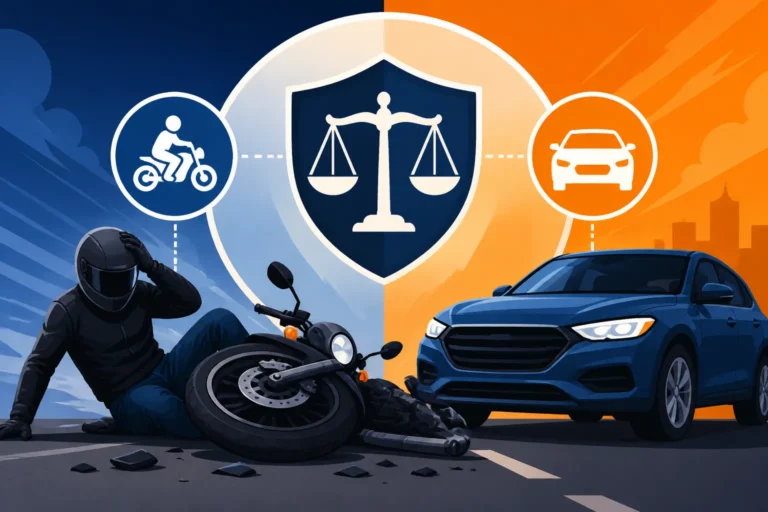
North Carolina operates under an "at-fault" system, meaning that the person or party responsible for causing an accident is financially liable for the damages. This applies to motorcycle accidents just as it does to car accidents. However, the unique aspect that significantly impacts motorcycle accident claims in our state is the doctrine of pure contributory negligence. This isn't just a legal term; it's a game-changer for anyone involved in a crash.
Pure Contributory Negligence Explained
North Carolina is one of only a handful of states that still adheres to the strict rule of pure contributory negligence. What does this mean in plain language? It means that if you, as the motorcycle rider, are found to be even one percent at fault for the accident, you are completely barred from recovering any damages from the other party. Yes, you read that right: even a tiny fraction of responsibility can completely derail your claim for medical bills, lost wages, and pain and suffering.
Imagine you're riding through downtown Raleigh and a car makes a sudden, illegal left turn directly in front of you, causing a collision. Most people would agree the car driver is overwhelmingly at fault. But if it's found that you were riding just 5 mph over the speed limit, or perhaps your headlight was slightly dimmer than regulations require, an insurance company or a jury could argue you contributed to the accident. Under pure contributory negligence, that slight contribution, no matter how minor, could mean you get nothing. This incredibly harsh rule stands in stark contrast to the comparative negligence systems used in most other states, which would allow a rider to recover a reduced amount based on the other party's percentage of fault. For a deeper dive, you might want to look into the specifics of Contributory vs Comparative Negligence Explained.
The Harsh Reality for Riders
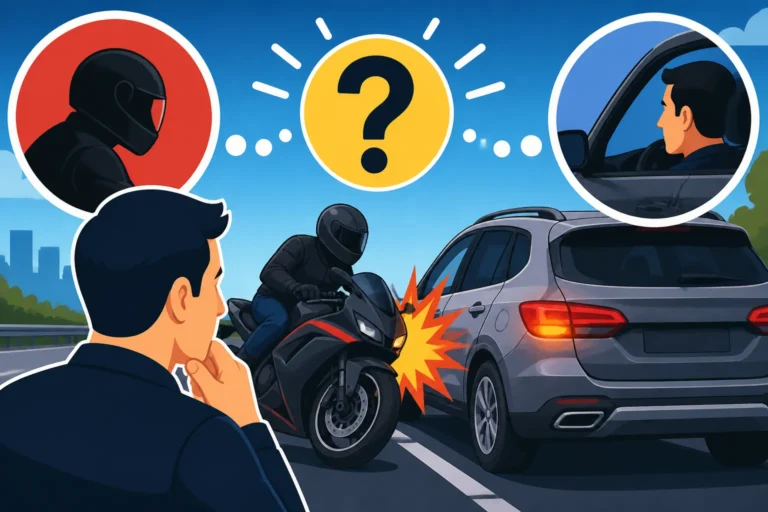
This strict legal standard places an enormous burden on motorcycle riders in North Carolina. Due to the inherent vulnerability of motorcycles and persistent stereotypes about riders, insurance companies often aggressively try to pin some degree of fault on the motorcyclist. They might look for any minor infraction, perceived risky behavior, or even a moment of inattention, no matter how small, to argue contributory negligence. It’s a powerful defense tactic that can severely limit or completely eliminate a rider's ability to seek justice and compensation after a crash.
The implications are far-reaching. It means that proving the other driver was solely at fault is not just important; it's absolutely critical in North Carolina. If you've been in a crash near Charlotte or Asheville, understand that the initial assessment of fault by the police or even the insurance adjuster might not be the final word. You have to be prepared to meticulously document every detail and challenge any assertion of shared blame. Even when the other driver is clearly at fault, insurers will still hunt for any shred of evidence to argue you contributed. This unique aspect of North Carolina law is why understanding Motorcycle Accident Liability: A Complete Guide is so vital for riders in our state.
Exceptions to Contributory Negligence
While North Carolina's contributory negligence rule is undeniably harsh, there are a few narrow exceptions that can allow a motorcycle accident victim to still recover damages, even if they were found to have some degree of fault. These exceptions are complex and often require a skilled legal argument to apply successfully.
Last Clear Chance Doctrine
One of the most significant exceptions to contributory negligence is the "last clear chance" doctrine. This legal principle essentially argues that even if you, the rider, initially put yourself in a position of peril, the other driver still had the last clear chance to avoid the accident and failed to do so. If successful, this doctrine can override the contributory negligence defense, allowing you to recover damages.
For example, imagine you were merging onto I-40 near Greensboro and made a slight misjudgment, inadvertently cutting off another vehicle. While that might be considered a minor contribution to fault, if the driver behind you had ample time and space to react, saw your mistake, and could have easily swerved or braked to avoid hitting you but chose not to (perhaps they were distracted or aggressive), then the "last clear chance" doctrine might apply. The key here is proving that the other driver had a clear opportunity to prevent the collision after they became aware of your perilous position, and their failure to act was the ultimate cause of the crash. This can be difficult to prove, as it relies heavily on evidence like traffic camera footage, witness statements, and accident reconstruction.
Willful and Wanton Conduct
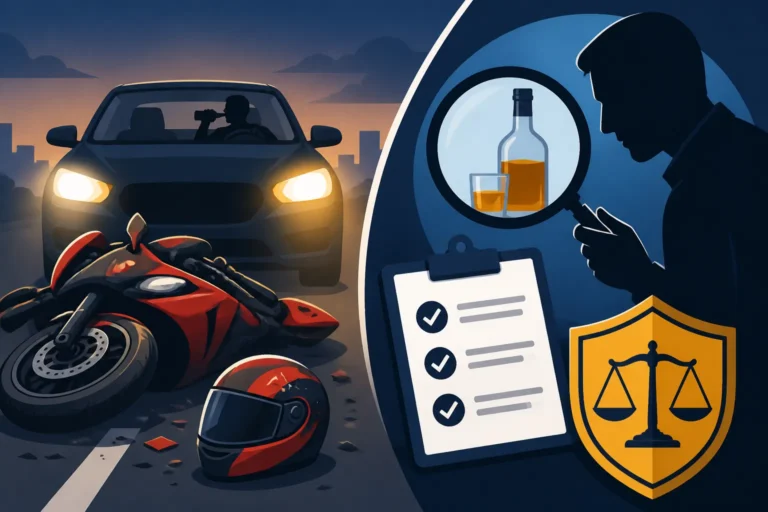
Another rare but important exception comes into play when the at-fault driver's actions were not merely negligent, but "willful and wanton." This means their conduct was so reckless or egregious that it demonstrates a deliberate indifference to the safety of others. If a driver's actions are deemed willful and wanton, they generally cannot use the defense of contributory negligence against the injured party.
Consider a situation where a driver in Wilmington was excessively speeding, texting, and driving erratically, and then blew through a red light, striking your motorcycle. These actions go beyond simple carelessness; they demonstrate a conscious and intentional disregard for traffic laws and human life. In such extreme cases, even if an argument could be made that you were, say, not wearing proper motorcycle gear (which might otherwise be used against you under contributory negligence), the willful and wanton nature of the other driver's conduct would typically prevent them from using your minor fault as a complete bar to recovery. Proving willful and wanton conduct is a high legal bar, requiring clear evidence of extreme recklessness, often involving factors like drunk driving, street racing, or deliberate road rage. This also plays a critical role in determining Punitive Damages in Motorcycle Cases.
How Fault is Proven in North Carolina Accidents
Proving fault in a North Carolina motorcycle accident is paramount due to the state's strict contributory negligence laws. Every piece of evidence, every detail, can make or break your claim. You need to be methodical and thorough in gathering information, right from the scene of the accident.
Gathering Critical Evidence
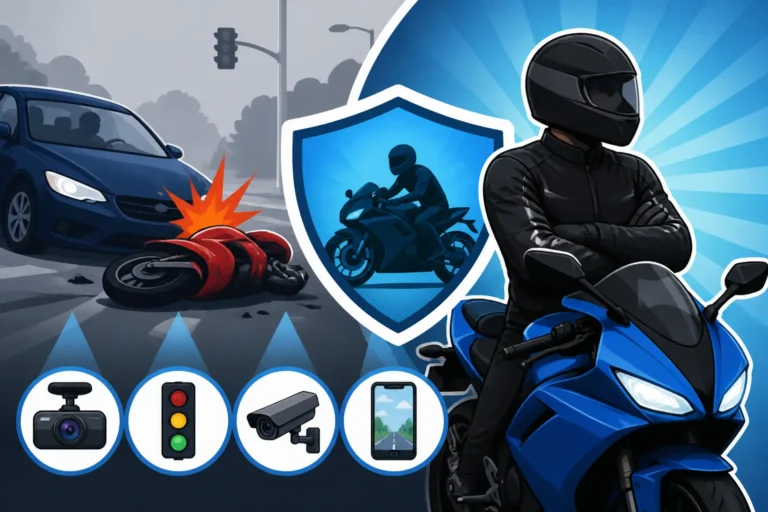
The moments immediately following an accident are chaotic, but what you do or don't do can have a massive impact on proving fault. The first step, always, is to ensure your safety and seek medical attention for any injuries. After that, if you're able, thoroughly documenting the scene is crucial. This means taking abundant photos and videos from multiple angles, capturing vehicle positions, road conditions, skid marks, traffic signs, and any debris. Get contact information from witnesses, and if possible, collect any dashcam footage from surrounding vehicles. For a comprehensive guide on what to document, check out Motorcycle Accident Evidence for Proving Fault.
Beyond the scene, your medical records are indispensable. They don't just prove your injuries; they establish a direct link between the accident and your suffering, crucial for demonstrating damages. Keep meticulous records of all medical treatments, diagnoses, prognoses, and bills. Lost wage statements, property damage estimates, and even a personal injury journal detailing your pain and recovery journey also contribute to a robust body of evidence. Every piece of documentation helps to build a clear narrative of what happened and who was responsible, directly countering any attempts by insurers to assign partial blame to you.
The Role of Traffic Laws and Police Reports
Police reports are often the first official document detailing an accident, and they can be incredibly influential in how fault is initially perceived by insurance companies. When law enforcement responds to a motorcycle crash, they will investigate, often speak with drivers and witnesses, and document their findings in a report. This report may include diagrams, citations issued, and a preliminary determination of fault. While not always admissible as definitive proof of fault in court, it serves as a strong indicator that insurance companies often rely on.
Understanding North Carolina traffic laws is also essential. If the other driver violated a specific traffic law—like running a red light in Asheville, making an illegal U-turn in Fayetteville, or failing to yield the right-of-way—that violation can be powerful evidence of their negligence. However, conversely, if you, the rider, were found to have violated any traffic laws, such as speeding or an unsafe lane change, the opposing side will absolutely use this against you to argue contributory negligence. This highlights why adhering to all traffic regulations is not just about safety, but also about protecting your legal standing after a crash. Understanding How Traffic Violations Affect Fault can give you an edge.
Witness Testimony and Expert Analysis
Eyewitnesses can provide invaluable, objective accounts of what happened, especially when there's conflicting testimony between the involved parties. Their perspective can often shed light on crucial details, such as who had the right of way, the speed of vehicles, or specific actions taken (or not taken) leading up to the collision. It's important to get their contact information at the scene and, if possible, a brief written or recorded statement while the events are fresh in their minds. Their recollections can be critical in proving fault and supporting your version of events, especially in situations where "I Didn't See the Motorcycle" Defense Explained is a common tactic used by at-fault drivers.
In more complex cases, or where fault is heavily disputed, expert analysis becomes indispensable. Accident reconstruction specialists can analyze physical evidence from the scene—like skid marks, vehicle damage, and debris fields—to scientifically determine vehicle speeds, points of impact, and the sequence of events. Medical experts can clarify the extent of your injuries and their direct correlation to the accident. These experts provide objective, data-driven insights that can counteract subjective claims or biased interpretations by insurance adjusters, making their testimony powerful in establishing clear fault and calculating Types of Damages in a Motorcycle Accident Claim.
Navigating Insurance Companies and Fault Disputes
Dealing with insurance companies after a motorcycle accident in North Carolina is often one of the most frustrating parts of the entire process. They are not on your side, and their primary goal is to minimize their payout. This becomes especially challenging under North Carolina's contributory negligence rules.
Insurer Tactics and Rider Bias
It's an unfortunate truth that motorcycle riders often face an uphill battle when dealing with insurance companies. There's a pervasive "rider bias" where insurers, and sometimes even juries, assume the motorcyclist was inherently engaging in risky behavior or was somehow responsible for the crash. This bias often leads insurance adjusters to aggressively search for any sliver of evidence that could place even partial fault on the rider, knowing that even 1% contributory negligence can invalidate an entire claim in North Carolina. They might scrutinize your riding history, question your gear, or misinterpret witness statements to cast doubt on your innocence. You need to be aware that How Insurance Companies Assign Blame to Riders is a well-honed strategy.
They might offer a quick, lowball settlement early on, hoping you'll accept it before fully understanding the extent of your injuries or the value of your claim, especially if they believe they can successfully argue some level of your fault. They may delay communication, ask for excessive documentation, or try to twist your words. This is why it's crucial to be extremely careful about what you say to insurance adjusters. Never admit fault, apologize, or make statements that could be misconstrued, as these can and will be used against you.
The Importance of Legal Counsel
Given the complexities of North Carolina's contributory negligence laws and the aggressive tactics of insurance companies, having experienced legal counsel by your side is not just helpful; it's often essential. A skilled motorcycle accident attorney understands the nuances of North Carolina law and knows how to effectively counter the insurance company's strategies. They can meticulously gather and preserve evidence, interview witnesses, work with accident reconstructionists, and build a compelling case that proves the other driver was solely at fault. They're adept at demonstrating the "last clear chance" doctrine or proving willful and wanton conduct when applicable, which are often the only pathways to recovery if there's any perceived shared fault.
An attorney can also handle all communications with the insurance companies, shielding you from their manipulative tactics and ensuring your rights are protected. They can negotiate on your behalf to secure a fair settlement that covers your medical expenses, lost wages, property damage, and pain and suffering. If a fair settlement isn't reached, they can represent you in court, prepared to fight for your compensation. Trying to navigate these waters alone, especially while recovering from serious injuries, can be overwhelming and often leads to significantly lower or no compensation at all. This is why many riders find it important to know When to Hire a Motorcycle Accident Lawyer.
Key Considerations for North Carolina Motorcycle Accident Claims
When you're dealing with the aftermath of a motorcycle accident in North Carolina, there are several key points related to fault and liability that you need to keep at the forefront of your mind. These considerations directly tie into your ability to recover damages in a state with such stringent fault laws.
Property Damage Versus Personal Injury Claims
It’s important to understand that in North Carolina, property damage claims are often handled separately from personal injury claims, though they both stem from the same accident. Even if your personal injury claim is potentially jeopardized by contributory negligence, you might still be able to recover for your motorcycle's damage. For instance, if your motorcycle was hit by a car that ran a red light, and there's clear video evidence of the car's infraction, but the insurance company tries to argue you were slightly speeding, they might agree to pay for your bike's repairs while still fighting your injury claim.
However, the reality is that if fault is heavily disputed for personal injury, it will often be disputed for property damage as well. The same evidence gathered to prove the other driver's fault for your injuries will be used to prove their fault for your motorcycle's destruction. Don't fall into the trap of accepting a quick property damage settlement if it requires you to sign away your rights to pursue an injury claim later. Always consult with an attorney before signing any releases, especially if you've been injured. A quick settlement on your bike could unknowingly bar you from pursuing vital compensation for your injuries.
The Statute of Limitations in North Carolina
Every state has a deadline for filing a personal injury lawsuit, known as the statute of limitations. In North Carolina, you generally have three years from the date of the motorcycle accident to file a lawsuit for personal injury. For property damage claims, the statute of limitations is also three years. While three years might seem like a long time, it passes quickly, especially when you're focusing on recovery and medical treatment.
Waiting too long can have catastrophic consequences. If you miss this deadline, you will almost certainly lose your right to pursue compensation, regardless of how strong your case for the other driver's fault might be. This is why it's critical to act promptly after an accident. While you don't need to file a lawsuit immediately, initiating an investigation and consulting with an attorney early ensures that evidence is preserved, witnesses can be contacted while their memories are fresh, and you have ample time to build a solid case within the legal timeframe. An attorney can guide you through the Settlement Timeline Step by Step and ensure all deadlines are met.
Navigating Shared Fault and Its Impact on Your Claim
Even with North Carolina's strict contributory negligence laws, situations can arise where the concept of shared fault is discussed, even if it ultimately leads to a bar of recovery for the rider. Understanding these scenarios and how they’re approached legally is crucial.
When Both Riders and Drivers Share Fault
In states that follow comparative negligence, when both a rider and a driver share fault, their recovery for damages is simply reduced by their percentage of fault. For instance, if a rider is 20% at fault and the driver 80% at fault, the rider could still recover 80% of their damages. However, in North Carolina, if both the rider and the driver are found to share any fault, the rider's claim is completely dismissed, unless one of the narrow exceptions (like "last clear chance") applies.
This means that while the concept of shared fault might be acknowledged in the accident investigation or by an insurance adjuster, its practical effect on a rider's claim in North Carolina is binary: either you're 0% at fault and can recover, or you're 1% or more at fault and cannot recover. This stark reality means that any argument of "shared fault" by an opposing insurance company is effectively an argument to pay you nothing. This is why proving the other driver's sole fault is such a high-stakes endeavor in North Carolina. For further reading, understand When a Rider Is Partially at Fault.
The Role of Expert Witnesses in Contested Cases
When fault is hotly contested, especially where the insurance company is trying to pin even minor blame on the motorcyclist, expert witnesses become incredibly valuable. These professionals can provide unbiased, scientific analysis to clarify complex accident dynamics and definitively assign fault.
For example, an accident reconstructionist can use advanced software and physics principles to analyze vehicle impact data, trajectory, speeds, and even driver reaction times. They can create detailed animations or simulations that visually demonstrate how the accident occurred, often definitively proving that the other driver's actions were the sole cause, or that they had the last clear chance to avoid the collision. Human factors experts can analyze visibility, perception, and reaction times to explain why a driver "didn't see" a motorcycle or how road conditions might have affected the crash. These experts are crucial for presenting an undeniable case that refutes allegations of contributory negligence, turning a murky scenario into a clear depiction of the other party's full responsibility. Their objective testimony can be the deciding factor in overcoming the harshness of North Carolina's fault laws.
| North Carolina Fault Law Feature | Description | Impact on Motorcycle Accident Claims |
|---|---|---|
| System Type | "At-Fault" state: The party responsible for the accident is liable for damages. | To recover, you must prove the other party caused the accident. |
| Contributory Negligence | Pure Contributory Negligence: If the injured party (motorcyclist) is found even 1% at fault, they are completely barred from recovering any damages. | Extremely challenging for riders. Insurance companies aggressively seek any evidence of rider fault. Proving the other driver was 100% at fault is critical. |
| Last Clear Chance | Exception to contributory negligence: If the defendant had the "last clear chance" to avoid the accident but failed to do so, the plaintiff can still recover, even if initially at fault. | A key defense strategy for riders if some fault might be attributed to them. Requires strong evidence that the other driver could have prevented the crash. |
| Willful & Wanton Conduct | Exception to contributory negligence: If the defendant's conduct was reckless or showed deliberate indifference to safety, they cannot use contributory negligence as a defense. | Applies in severe cases (e.g., drunk driving). Overrides contributory negligence. Difficult to prove, but powerful if successful. |
| Statute of Limitations | 3 years from the date of the accident for both personal injury and property damage claims. | Crucial deadline. Missing it typically forfeits your right to sue. Early legal consultation is essential to preserve rights and gather evidence. |
| Rider Bias | Unofficial but common perception among insurers and sometimes juries that motorcyclists are inherently risky, leading to unfair fault assignments. | Heightens the challenge of proving sole fault. Requires strong evidence and often expert legal representation to overcome stereotypes and ensure a fair assessment. |
Disclaimer
The information provided in this article is for general informational purposes only and does not constitute legal advice. Motorcycle accident laws are complex and vary by jurisdiction. You should consult with a qualified attorney for advice regarding your individual situation.