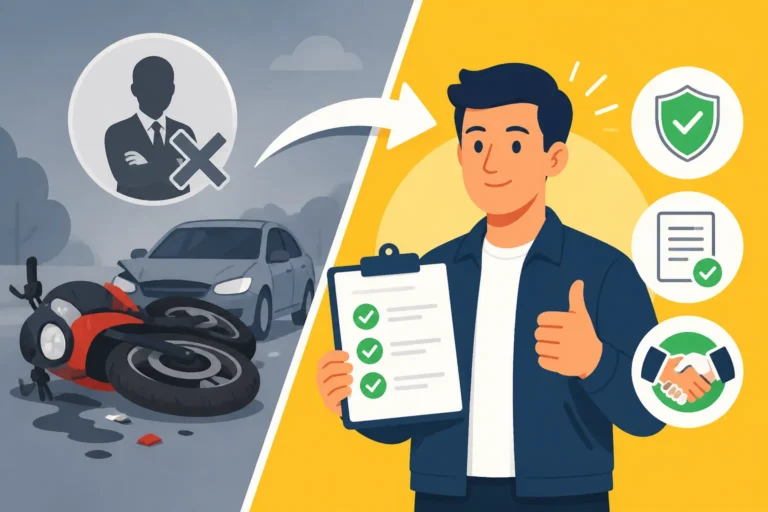
What a Motorcycle Accident Lawyer Cannot Do
Navigating the aftermath of a motorcycle accident is already a dizzying experience, filled with physical pain, emotional stress, and a mountain of paperwork. Many riders, in their desperation for answers and justice, often look to a motorcycle accident lawyer as a magical fix-all, someone who can instantly sweep away all their problems and guarantee a massive payout. This isn't just wishful thinking; it's a common misconception that can lead to frustration and disappointment. This guide is here to realistically set expectations, detailing exactly what a motorcycle accident lawyer, despite their best efforts and expertise, cannot do for you.
What a Motorcycle Accident Lawyer Cannot Guarantee
It's natural to want certainty, especially when your life has been turned upside down by a crash. You're hurting, your bike might be totaled, and bills are piling up. You might think hiring a lawyer means a guaranteed outcome or a specific, high-dollar settlement figure. However, the legal world simply doesn't work that way.
Cannot Promise a Specific Settlement Amount or Outcome
Let's be brutally honest: no ethical and competent lawyer can ever promise you a specific settlement amount. The legal process is a dynamic beast, influenced by countless variables that are often beyond anyone's direct control. While an experienced attorney can provide an estimated range based on similar cases and their knowledge of the local legal landscape in places like Los Angeles or Miami, that's all it is—an estimate. Factors like the severity of your injuries, the clarity of fault, the available insurance policy limits, the jurisdiction where the accident occurred, and even the specific judge or jury can all dramatically sway the final outcome.
Think of it this way: you could have a clear-cut case where the other driver was unequivocally at fault, maybe even a distracted driving accident, but if their insurance policy limits are low, there’s only so much money available. On the flip side, you might have severe, life-altering injuries, but if there's shared fault involved, like in cases of Comparative Negligence in Motorcycle Accidents, your potential payout could be reduced. Your lawyer's job is to fight tirelessly to maximize your settlement within these parameters, but they can't invent money or bypass established legal precedents. They are skilled navigators, not magicians.
Cannot Fabricate Evidence or Witness Testimony
Integrity is paramount in the legal profession. A motorcycle accident lawyer's role is to present the facts of your case in the most compelling light possible, supported by legitimate evidence. What they absolutely cannot do is create evidence that doesn't exist, coach witnesses to lie, or otherwise misrepresent the truth. Doing so would not only be unethical and illegal, risking their license and reputation, but it would also instantly tank your case.
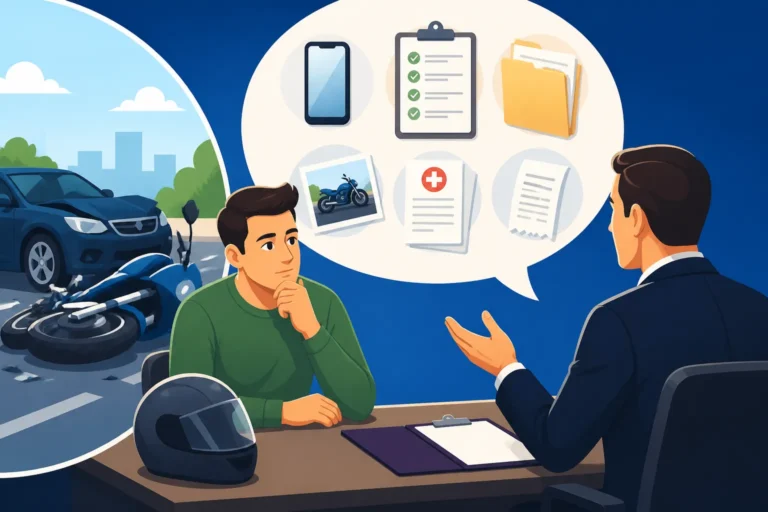
The legal system relies on verifiable facts, and any attempt to introduce fraudulent information would be quickly uncovered, leading to severe penalties, including dismissal of your case, fines, and even criminal charges. Your attorney will meticulously gather and present actual evidence, such as police reports, medical records, photographs of the accident scene, and sworn witness statements. If you're struggling to find witnesses, remember that How Witnesses Affect Motorcycle Fault is a real thing, and your lawyer will work to uncover all legitimate avenues, not make them up. They rely on your honesty and the objective reality of the situation to build a strong foundation for your claim.
Legal Limitations and Ethical Boundaries
Lawyers operate within a strict framework of rules, ethics, and laws designed to ensure fairness and justice. These boundaries define what they can and cannot do, safeguarding both their professional standing and the integrity of the legal system.
Cannot Misrepresent Facts or Engage in Fraud
This might seem obvious, but it bears repeating. Attorneys are bound by professional codes of conduct that prohibit any form of fraud or misrepresentation. They cannot lie to the court, to opposing counsel, to insurance companies, or even to you. Their job is to zealously advocate for your interests within the bounds of the law. This means they will not exaggerate your injuries beyond what your medical records show, inflate lost wages without proper documentation, or twist the narrative of a Left-Turn Motorcycle Accidents Explained to assign blame unfairly.
If an insurance adjuster tries to use tactics to assign blame to riders, your lawyer will counter with facts and evidence, not fabrications. Maintaining a truthful and honest approach is crucial not just for ethical reasons, but because it builds credibility. A lawyer known for their integrity is often more effective in negotiations and in court, as their word carries weight. Conversely, a lawyer caught in a lie would lose all credibility, making it impossible to effectively represent any client.
Cannot Handle Cases Outside Their Jurisdiction or Expertise
Just as you wouldn't ask a heart surgeon to perform brain surgery, you shouldn't expect a motorcycle accident lawyer in, say, Texas, to litigate a case in California if they're not licensed there. State laws vary significantly regarding personal injury claims, comparative negligence rules, and even Motorcycle Accident Fault Laws in California versus those in other states. Most personal injury attorneys focus their practice on specific geographic areas where they are licensed and understand the local court procedures, judges, and prevailing legal trends.
Furthermore, while many personal injury lawyers handle car accidents, specializing in motorcycle accidents brings a unique depth of understanding regarding rider bias, specific injury patterns like road rash, and the intricacies of motorcycle mechanics and operation. A lawyer without specific experience in motorcycle cases might not fully grasp how to counter the "I didn't see the motorcycle" defense or effectively explain the nuances of a Lane Splitting and Motorcycle Accident Liability claim. If your case requires specialized knowledge that your current attorney doesn't possess, they are ethically obligated to inform you and might even refer you to a colleague who does. This is where a service like LegalMatch can be incredibly helpful in finding attorneys who specifically specialize in motorcycle accident claims in your area.
Cannot Ignore the Statute of Limitations
Every state has a strict deadline for filing a personal injury lawsuit, known as the "statute of limitations." This is a critical legal barrier, and your lawyer absolutely cannot ignore it. Once this deadline passes, you generally lose your right to sue, regardless of how strong your case might be. The exact timeframe varies by state, but it's typically between one and three years from the date of the accident for most personal injury claims. For example, in New York, it's typically three years for personal injury, but the rules can get complicated.
Your attorney's job includes ensuring all necessary paperwork is filed correctly and on time to preserve your legal rights. If you wait too long to contact an attorney, they might simply not have enough time to investigate, prepare, and file your lawsuit before the deadline. This is why it's always advised to contact a lawyer as soon as possible after an accident. To delve deeper into this, you can look up The Statute of Limitations Explained. A lawyer can guide you on these critical deadlines, but they cannot rewind time if you've missed them.
Practical Constraints and Client Responsibilities
While lawyers are there to advocate for you, there are practical limits to their role. They can't assume every responsibility, and certain aspects of your recovery and case management remain firmly in your court.
Cannot Control the Actions of Third Parties
Your lawyer is an advocate, not a puppeteer. They can't force an insurance company to settle quickly or compel an uncooperative defendant to suddenly become reasonable. They can negotiate, demand, and litigate, but they cannot control the independent actions of insurance adjusters, opposing counsel, judges, or juries. Insurance companies, for instance, are notoriously difficult to deal with, often employing tactics to minimize payouts or delay the process. Your lawyer can push back, but they can't instantly change the other side's strategy or attitude.
Even if the other driver was clearly at fault, the insurance company might still try to argue Rider Bias in Fault Determination or that you were partially responsible to reduce their liability. Your lawyer will be prepared to counter these arguments with evidence, but they can't just make the opposition roll over and give you everything you ask for without a fight. The legal process inherently involves two (or more) sides, and your lawyer is one player on your team, working within a system where other players have their own agendas.
Cannot Pay Your Medical Bills Upfront
This is a huge point of confusion for many accident victims. While your lawyer is working to recover compensation for your medical expenses, they cannot directly pay your ongoing medical bills out of their own pocket. There are strict ethical rules against attorneys loaning money to clients for non-litigation expenses, primarily to prevent conflicts of interest and maintain professional distance. Your lawyer is also not your health insurance company.
What they can do is help you navigate the system of medical liens, subrogation, and insurance claims. They can often arrange for medical providers to treat you on a lien basis, meaning you don't pay upfront, and the medical bills are paid directly out of your eventual settlement. They can also work to negotiate down these medical liens once a settlement is reached. Understanding How Medical Liens Get Paid from a Settlement is crucial. In the immediate aftermath, you'll generally rely on your health insurance, MedPay, or other available coverage. Your lawyer's focus is on recovering these costs as part of your overall settlement, not funding your immediate care.
Cannot Make Decisions for You
Ultimately, you are the client, and the final decisions about your case rest with you. Your lawyer will provide expert legal advice, explain your options, and recommend a course of action, but they cannot force you to accept a settlement offer or proceed with a lawsuit if you don't want to. For instance, if an insurance company makes a lowball settlement offer, your lawyer will advise you on whether to reject it and How to Counter an Insurance Offer, but the final call is yours.
This is particularly true for significant decisions, like whether to settle out of court or go to trial. While your lawyer will present the pros and cons of each path, including the potential risks and rewards, the decision to proceed to Motorcycle Accident Settlement vs Trial is always up to you. They are there to guide you through the complexities, ensuring you understand the implications of each choice, but they cannot usurp your autonomy.
Distinguishing Legal Support from Other Services
A motorcycle accident lawyer specializes in legal matters, and while their role might touch upon various aspects of your recovery, they are not a substitute for other professionals. Managing expectations means understanding where their expertise ends and others' begins.
Cannot Act as Your Doctor or Therapist
When you're dealing with injuries from a motorcycle crash, especially something as severe as a Motorcycle Accident Traumatic Brain Injuries or Spinal Cord Injuries from Motorcycle Accidents, it's easy to look to your lawyer for comfort and comprehensive care. However, your attorney is not medically trained and cannot offer medical advice, diagnose conditions, or provide therapy. Their expertise lies in the legal interpretation of your injuries and their impact on your claim.
Your lawyer will review your medical records, consult with medical experts if necessary, and use your documented injuries to calculate your damages. They understand that How Injury Severity Affects Compensation is a critical component of your case value. But they cannot tell you what kind of physical therapy you need, recommend a specific surgeon, or help you process the emotional trauma of the accident. For that, you need qualified medical professionals, therapists, and counselors. Your lawyer will, however, ensure that the costs associated with these vital services are included in your claim.
Cannot Serve as a Financial Advisor
While a significant part of your motorcycle accident claim involves financial recovery—covering medical bills, lost wages, and property damage—your lawyer's role is not to manage your long-term finances or offer investment advice. Their focus is on securing the best possible settlement or verdict for your damages. Once those funds are disbursed, typically after deducting legal fees and outstanding medical liens, the responsibility for how you manage that money shifts entirely to you.
They won't advise you on how to invest your settlement, create a budget for your new financial reality, or plan for your retirement. For these types of services, you'd need to consult with a certified financial advisor who specializes in helping individuals manage large sums of money, especially after a sudden influx from a settlement. Your lawyer's expertise is specifically honed to navigating the legal landscape of a personal injury claim, not broader financial planning.
The Bottom Line: What a Lawyer Can Do
Understanding the limitations of a motorcycle accident lawyer isn't about diminishing their value; it's about setting realistic expectations for what they can achieve. Despite these "cannots," a skilled and dedicated motorcycle accident attorney is an invaluable asset after a crash. They can:
- Investigate the accident: Gather evidence, interview witnesses, and reconstruct the scene.
- Determine fault: Skillfully prove Who Is at Fault in a Motorcycle Accident and navigate complex liability issues, even when the details are disputed.
- Handle all communication with insurance companies: Protect you from adjuster tactics and prevent you from inadvertently saying something that could harm your claim.
- Accurately assess your damages: Calculate economic damages like medical bills and lost wages, as well as non-economic damages like pain and suffering. This is crucial for How Motorcycle Accident Settlements Are Calculated.
- Negotiate aggressively: Advocate for your best interests to secure a fair settlement, especially when dealing with recalcitrant insurers or a lowball offer.
- Represent you in court: If a fair settlement cannot be reached, they will prepare and present your case at trial.
- Connect you with resources: Point you towards medical specialists, accident reconstructionists, or even financial advisors if needed.
When you're looking for someone to help you through this challenging time, resources like LegalMatch can help you find experienced attorneys who specialize in motorcycle accident claims, ensuring you connect with someone who understands both the legal landscape and the unique challenges faced by riders. Don't be afraid to ask Questions to Ask a Motorcycle Accident Attorney during your initial consultation to ensure they are the right fit for your specific needs. They might not be able to guarantee the moon, but they can certainly light your path through a very dark time.
Disclaimer
The information provided in this guide is intended for general informational purposes only and does not constitute legal advice. Every motorcycle accident claim is unique, and the applicable laws and outcomes can vary significantly based on individual circumstances and jurisdiction. It is crucial to consult with a qualified and experienced motorcycle accident attorney to discuss your specific situation and receive personalized legal counsel. Relying solely on general information without professional legal guidance may not be suitable for your case.