Who Is at Fault in a Head-On Collisions Motorcycle Accident
The terror of a head-on collision is something no motorcyclist ever wants to imagine. These are, without a doubt, among the most devastating types of motorcycle accidents, often resulting in catastrophic injuries or fatalities due to the combined force of impact. When such a horrific event occurs, figuring out who is at fault becomes a crucial, yet often complex, step in seeking justice and recovery. This guide aims to shed light on the primary factors that determine fault in head-on motorcycle accidents, helping you understand the legal landscape should you ever face this harrowing situation.
Understanding Head-On Collisions and Their Severity
A head-on collision, by its very definition, involves two vehicles traveling in opposite directions colliding front-to-front. For motorcyclists, these crashes are particularly dangerous, presenting unique challenges for both survival and subsequent legal claims.
The Brutal Reality of Head-On Impacts
The physics of a head-on collision are simply brutal. When a motorcycle and another vehicle (often a car or truck) collide head-on, the kinetic energy of both vehicles is instantaneously transferred. Imagine a motorcycle traveling at 45 mph and a car at 45 mph; the impact force is akin to one vehicle hitting a stationary object at 90 mph. This incredible force means that motorcyclists, who lack the protective cage of a car, are often ejected from their bikes, suffering direct impacts with the other vehicle, the road, or roadside objects.
The types of injuries sustained in these accidents are almost always severe. We're talking about Motorcycle Traumatic Brain Injury: Claims and Compensation, Motorcycle Spinal Cord Injury: Claims and Compensation, multiple broken bones, internal organ damage, and severe road rash across a large portion of the body. Sadly, these collisions have a disproportionately high fatality rate for motorcyclists compared to other accident types. Even with the best protective gear, the sheer forces involved often overwhelm a rider's ability to survive or escape with minor injuries. The long-term effects of such injuries can dramatically alter a rider's life, requiring extensive medical care, rehabilitation, and sometimes permanent disability.
Common Scenarios Leading to Head-On Crashes
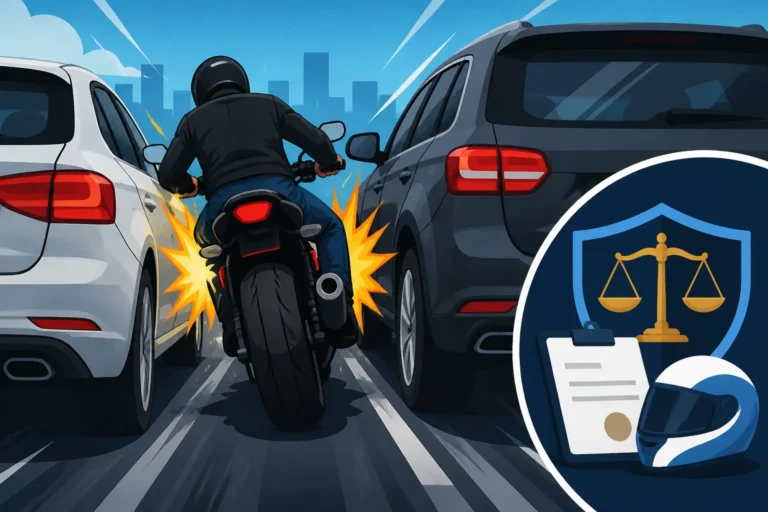
While every accident is unique, head-on motorcycle collisions typically arise from a few common, often avoidable, scenarios. Understanding these helps in identifying potential fault. One of the most frequent causes is a vehicle drifting or veering into the oncoming lane. This can happen on rural roads, winding highways, or even divided highways if a driver loses control. Another very common scenario involves unsafe passing maneuvers. A driver, impatient with traffic or misjudging the distance and speed of oncoming vehicles, attempts to pass another car on a two-lane road and slams directly into an approaching motorcycle.
Less frequently, but still significant, are situations where a driver turns left directly in front of an oncoming motorcycle, especially if the motorcycle is perceived late or not at all. While often categorized as a Motorcycle Accidents Caused by Left-Turn Collisions, the physics can resemble a head-on impact if the motorcycle hits the front end of the turning vehicle. Other scenarios include drivers becoming disoriented, driving under the influence of drugs or alcohol, or falling asleep at the wheel, leading them to cross the center line without warning.
Primary Factors Determining Fault in Head-On Collisions
In the aftermath of a head-on motorcycle accident, determining fault is paramount. The legal system looks at who violated traffic laws or acted negligently, directly leading to the collision. Most often, fault in these crashes is quite clear-cut, resting with the driver who crossed into the opposing lane of traffic.
Vehicle Crossing the Center Line
This is perhaps the most straightforward scenario for determining fault. When a car or truck crosses the solid yellow center line or median into the lane of oncoming traffic and strikes a motorcycle, the fault almost invariably lies with the driver of that vehicle. This act is a direct violation of traffic laws and a clear indication of negligence. The law dictates that vehicles must stay in their designated lanes, and crossing into opposing traffic is a severe breach of that duty.
However, even in seemingly clear-cut cases, the at-fault driver might attempt to raise defenses. For example, they might claim they swerved to avoid an animal, road debris, or another vehicle that unexpectedly entered their lane. While these claims need to be thoroughly investigated, the burden of proof is usually on the driver who crossed the line to show that their actions were unavoidable and not negligent. Without compelling evidence supporting their defense, such as witness testimony, dashcam footage, or accident reconstruction, their claim often holds little weight against the clear violation of lane integrity.
Unsafe Passing or Overtaking Maneuvers
Another incredibly dangerous and common cause of head-on motorcycle collisions involves a driver attempting an unsafe pass. This usually occurs on two-lane roads where traffic moves in opposite directions. An impatient driver might try to overtake another vehicle, failing to see an oncoming motorcycle or misjudging the speed and distance required to complete the pass safely. The result is often a catastrophic head-on impact with the motorcycle.
Many roadways have specific zones where passing is prohibited, indicated by solid yellow lines, blind curves, or hill crests. If a driver attempts to pass in such a "no-passing zone" and causes a head-on collision, their fault is almost indisputable. Even in legal passing zones, a driver has a responsibility to ensure the maneuver can be completed safely without endangering oncoming traffic. Failure to do so constitutes negligence. The sheer vulnerability of a motorcyclist means that even a slight miscalculation by an overtaking driver can have fatal consequences.
Distracted or Impaired Driving
In today's world, Motorcycle Accidents Caused by Distracted Driving are an increasingly tragic reality. A moment's glance at a cell phone, adjusting the radio, or engaging in conversation can cause a driver to unintentionally drift across the center line, leading to a head-on crash. This distraction, though seemingly minor, can have monumental consequences, especially when a motorcycle is approaching. Similarly, driving under the influence of alcohol or drugs severely impairs a driver's judgment, reaction time, and ability to maintain their lane. An impaired driver might weave erratically, cross into oncoming traffic, or simply fail to perceive an oncoming motorcycle until it's too late.
When distraction or impairment is a factor, the fault rests squarely with the negligent driver. Evidence such as cell phone records, toxicology reports, or witness statements about erratic driving prior to the crash can strongly establish fault. The legal and punitive consequences for drivers found to be distracted or impaired in a head-on collision are often severe, reflecting the extreme disregard for safety their actions demonstrate. This negligence can significantly impact the victim's ability to recover substantial damages for their injuries and suffering.
Other Contributing Factors and Shared Fault Scenarios
While often one party is clearly at fault, sometimes a head-on collision can involve multiple contributing factors, or even shared responsibility between the parties involved. This complexity requires a thorough investigation.
Rider Actions and Potential Partial Fault
It's a tough pill to swallow, but sometimes a motorcyclist's own actions can contribute to a head-on collision, even if the other driver initiated the event. For instance, if a motorcyclist was excessively Who Is at Fault in a Speeding Motorcycle Accident or riding erratically, their speed might have made it impossible for the other driver to complete a passing maneuver safely, or impossible for the motorcyclist to react in time to a vehicle drifting into their lane. In some very rare and unfortunate cases, a motorcyclist might be on the wrong side of the road, though this is far less common in head-on scenarios.
In such situations, the concept of Comparative Negligence in Motorcycle Accidents comes into play. Most states follow some form of comparative negligence, which means that if both parties share some degree of fault, the motorcyclist's compensation can be reduced by their percentage of fault. For example, if a jury determines the car driver was 80% at fault for crossing the center line, but the motorcyclist was 20% at fault for excessive speed, the motorcyclist's total damages awarded would be reduced by 20%. Understanding the specific laws of the state where the accident occurred, such as Motorcycle Accident Fault Laws in California, is crucial as these laws vary significantly.
Road Hazards and Environmental Factors
Sometimes, the immediate cause of a vehicle crossing the center line isn't driver error but an unexpected road hazard. Imagine a driver swerving violently to avoid a large pothole, a blown tire, or significant debris in the road, only to careen into the path of an oncoming motorcycle. In these cases, the fault might shift or be shared. If the road hazard was due to poor maintenance, there could be a claim against the government entity responsible for maintaining that road. This is known as Government Liability for Road Hazards.
Environmental factors like dense fog, heavy rain, black ice, or blinding sun can also contribute. While drivers are expected to adjust their driving to conditions, extreme weather can sometimes obscure vision or make roads treacherous, leading to unexpected lane departures. These factors complicate fault determination, as it becomes necessary to assess whether the driver's response to the hazard or condition was reasonable under the circumstances, or if they were still negligent in their actions.
Defective Vehicle Parts
Although less common, a mechanical failure in either the car or the motorcycle can lead to a loss of control and a head-on collision. For instance, a sudden brake failure, a steering malfunction, or a tire blowout could cause a vehicle to veer into the oncoming lane. If such a defect is proven to be the direct cause of the accident, the fault might lie with the vehicle manufacturer or the party responsible for its maintenance. This falls under the realm of product liability, specifically Manufacturer Liability for Defective Parts.
Proving a defective part caused the accident is often complex and requires extensive investigation, including expert mechanical analysis. It’s not enough to simply claim brake failure; it must be demonstrated that the failure was due to a manufacturing defect or a faulty repair, not simply wear and tear or improper maintenance by the owner. Such cases usually involve multiple parties and can be quite challenging to litigate, highlighting the need for specialized legal assistance.
The Critical Role of Evidence in Proving Fault
After a head-on motorcycle accident, gathering and preserving evidence is absolutely critical to establishing fault and building a strong claim. The severity of these crashes often leaves ample physical evidence, but it needs to be collected properly.
Gathering Key Evidence at the Scene
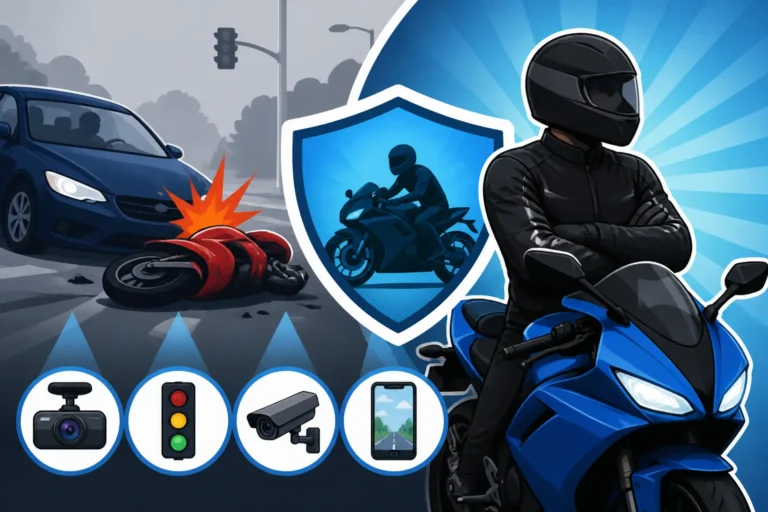
The moments immediately following an accident are chaotic, but if possible, securing evidence at the scene is vital. First and foremost, ensure that police are called to the scene. Their accident report will document their initial assessment of what happened, who was involved, and often, their preliminary determination of fault. It also records critical details like the position of vehicles, road conditions, and witness information. However, remember that a police report is not the final word on fault. For a comprehensive understanding of what to do, refer to What to Do Immediately After a Motorcycle Accident.
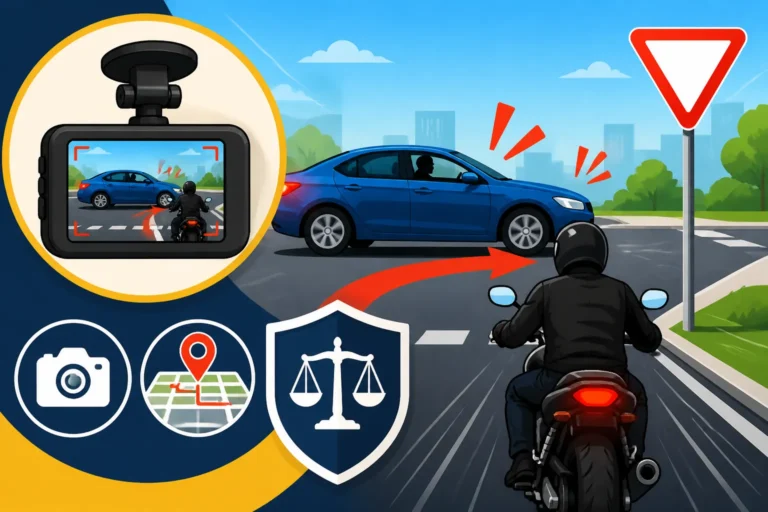
Beyond the police report, photography is your best friend. Take extensive photos and videos of everything: the final resting positions of all vehicles, skid marks, road debris, traffic signs, weather conditions, injuries, and damage to both the motorcycle and the other vehicle. Look for visible center lines, double yellow lines, or "no passing" signs that were crossed. Collect contact information from any witnesses, as their unbiased accounts can be invaluable. If any vehicles involved have dashcam footage, try to secure that as well, as it can be irrefutable proof of lane departure or unsafe maneuvers.
Expert Witnesses and Accident Reconstruction
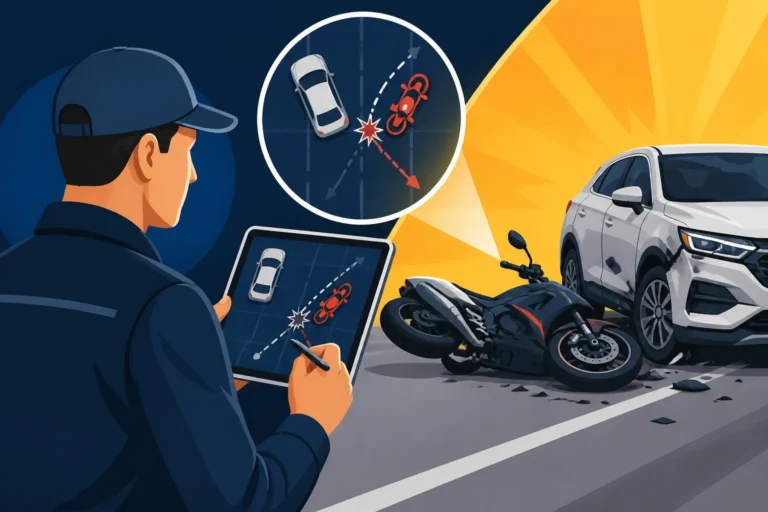
In head-on collisions, especially those involving serious injuries or fatalities, the specifics of the impact are often critical. This is where accident reconstruction specialists become indispensable. These experts use scientific principles, physics, and available data (such as vehicle damage, skid marks, road surface analysis, and black box data from modern vehicles) to recreate the accident sequence. They can determine vehicle speeds, points of impact, angles of collision, and the trajectory of vehicles and riders. Their detailed reports and testimony can definitively establish how the collision occurred and, by extension, who was at fault.
Their expertise can also refute false claims made by the other driver, such as alleging the motorcyclist was speeding when evidence suggests otherwise, or that they swerved for a reason not supported by the physical evidence. When facing a complex fault dispute or severe injuries, knowing When to Hire an Accident Reconstruction Expert can be a game-changer for your case, providing a scientific basis for your arguments. This level of detail is often necessary to counter sophisticated defenses mounted by insurance companies.
Legal Principles and State Laws
Ultimately, fault is determined by applying legal principles of negligence to the facts and evidence collected. Every driver has a duty to operate their vehicle safely and follow traffic laws. When that duty is breached, and it causes an accident and injuries, the breaching party is deemed negligent and at fault. In head-on collisions, this often involves specific traffic statutes regarding lane usage, passing laws, and right-of-way.
The legal process will examine all available Motorcycle Accident Evidence for Proving Fault to piece together the narrative. This includes not just the physical evidence, but also witness statements, police reports, medical records (to show injury causation), and even cell phone records if distracted driving is suspected. The specific negligence laws of the state where the accident occurred will govern how fault is assigned and how it impacts compensation. For example, some states follow "pure comparative negligence," while others use a "modified comparative negligence" rule (like the 50% or 51% bar rule), which can significantly alter a rider's ability to recover damages if they are found partially at fault.
The Aftermath: What to Do and How to Protect Your Claim
Surviving a head-on motorcycle collision is just the beginning of a long and challenging journey. Protecting your legal rights and ensuring you receive fair compensation for your injuries and losses requires careful navigation of the post-accident process.
Immediate Steps After a Head-On Collision
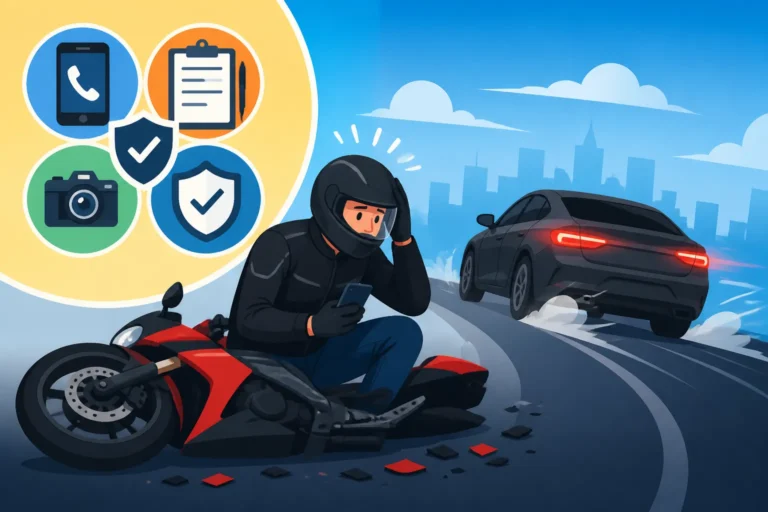
Your immediate priority after any accident, especially a head-on impact, is your health and safety. Seek immediate medical attention, even if you feel okay, as adrenaline can mask serious injuries. Once your medical needs are addressed, reporting the accident to the police and your insurance company is crucial. When speaking with the police, provide factual information, but avoid speculating or admitting fault, even inadvertently. You are shaken, and clarity might not be at its peak.
Documenting the scene as thoroughly as possible, as discussed earlier, is also incredibly important. Take photos, gather witness contact information, and note down license plate numbers. Remember, details fade quickly, so capturing everything you can as soon as possible is key. An article on First Steps to Protect Your Motorcycle Claim can provide more detailed guidance during this critical initial phase.
Dealing with Insurance Companies
After a head-on collision, you can expect swift contact from insurance adjusters representing all parties involved. Remember, their primary goal is to minimize their company's payout, not to ensure you receive maximum compensation. They may try to get you to provide a recorded statement, which can later be used against you. They might also make a quick, lowball settlement offer before the full extent of your injuries and long-term costs are known.
It's vital to be extremely cautious when communicating with insurance companies. Do not admit fault, do not sign anything without legal review, and be wary of quick settlement offers. Insurance companies often try to leverage the "rider bias," suggesting that motorcyclists are inherently risky, to shift blame or reduce payouts. Having an experienced advocate on your side who understands how to combat these tactics is invaluable.
Why Legal Representation is Crucial
Given the severe nature of injuries and the complexities of fault determination in head-on motorcycle collisions, hiring a skilled personal injury attorney specializing in motorcycle accidents is almost always crucial. These attorneys understand the unique challenges faced by riders, including the pervasive biases that can exist against motorcyclists in the legal system. They know how to investigate these intricate crashes, work with accident reconstructionists and medical experts, and build a compelling case based on solid evidence.
A good motorcycle accident lawyer will handle all communications with insurance companies, protecting you from their tactics. They will accurately assess the full extent of your damages, including future medical expenses, lost wages, and pain and suffering. They will negotiate aggressively on your behalf, and if a fair settlement cannot be reached, they will be prepared to take your case to trial. Consulting with an attorney early in the process, as highlighted in Do You Need a Motorcycle Accident Lawyer, can significantly improve your chances of a successful outcome and help you recover the compensation you deserve. They understand How a Lawyer Increases Your Settlement by fighting for every dollar you are owed.
Common Head-On Collision Scenarios and Fault Indicators
To summarize, here's a table outlining common head-on collision scenarios and the typical indicators of fault. This is a generalized overview, and every case requires specific analysis.
| Scenario Leading to Head-On Collision | Primary Action Indicating Fault | Typical Evidence to Prove Fault |
|---|---|---|
| Vehicle crosses center line into oncoming traffic | Driver of the vehicle crossing the center line | Skid marks, point of impact, vehicle resting positions, police report, dashcam footage, witness statements |
| Unsafe passing maneuver on a two-lane road | Driver attempting the unsafe pass | Presence of no-passing zone signs, skid marks, witness statements, dashcam footage, traffic camera data |
| Distracted driving causing lane departure | Distracted driver | Cell phone records, witness statements of erratic driving, dashcam footage, police report |
| Impaired driving (DUI/DWI) | Impaired driver | Toxicology reports, police report (DUI arrest), witness statements of erratic driving, field sobriety tests |
| Swerving to avoid road hazard (e.g., pothole) | Driver who swerved (if action was unreasonable) or governing body (if hazard was due to negligence) | Photos/videos of hazard, incident reports on road condition, accident reconstruction, witness accounts |
| Defective vehicle part (e.g., brake failure) | Vehicle manufacturer or responsible maintenance party | Mechanical inspection report, expert testimony, recall notices, vehicle maintenance records |
| Motorcyclist on wrong side of road (rare) | Motorcyclist | Police report, witness statements, accident reconstruction, dashcam footage |
Disclaimer
Please note that this article provides general information and insights into motorcycle accident claims and is not intended as legal advice. Laws vary significantly by jurisdiction, and the specific facts of your case will determine its legal outcome. It is always recommended to consult with a qualified legal professional for advice tailored to your individual situation.