The Eggshell Skull Rule Explained
It’s a truly unfair situation: you’re riding your motorcycle, minding your own business, and then an accident caused by someone else's negligence leaves you with significant injuries. To make matters worse, perhaps you had a nagging back issue or an old knee injury that the crash has now amplified, leaving you in even greater pain and wondering if you can even claim damages for that. This guide is here to explain the "Eggshell Skull Rule," a vital legal principle that protects accident victims with pre-existing conditions, ensuring you understand your rights and how this rule affects your motorcycle accident claim.
Understanding the Eggshell Skull Rule
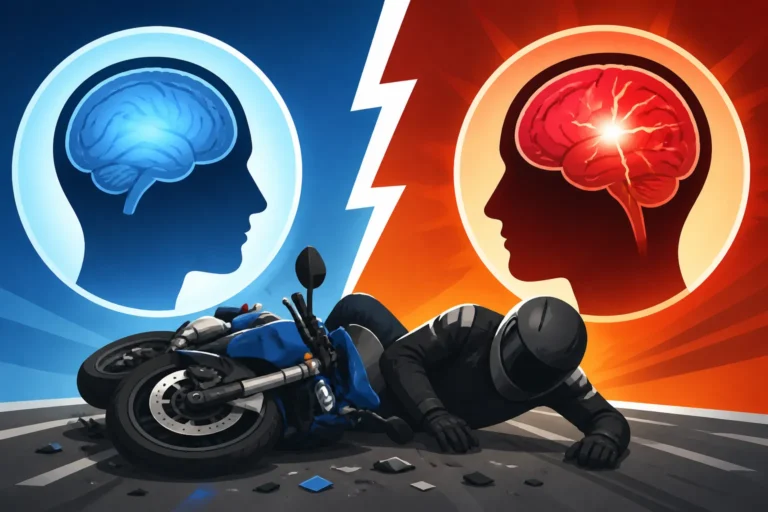
The legal world, with all its complexities, sometimes has doctrines that genuinely aim for fairness, and the Eggshell Skull Rule is one of them. Also known as the "thin skull rule" or "eggshell plaintiff rule," this principle is a cornerstone of personal injury law. It essentially states that a defendant must "take their victim as they find them." What does this mean for you, a motorcycle rider who's been through a crash? It means that if someone's negligent actions cause you harm, they are responsible for all the resulting damages, even if your pre-existing physical or psychological vulnerability made your injuries worse than they would have been for an "average" person.
This rule prevents the at-fault party from arguing that they shouldn’t be fully liable because you were unusually fragile. It doesn’t matter if another person, without your specific pre-existing condition, would have walked away with fewer injuries. The law holds the negligent party accountable for the actual harm they inflicted upon you, in your unique circumstances. It's a powerful tool to ensure that victims aren't penalized for their own medical history when someone else caused their suffering.
The Core Principle: Taking the Victim as They Are
Imagine a fragile egg, thin-shelled and delicate. If someone negligently knocks it off a table, it shatters completely. The person who knocked it off can't then say, "Well, if it had been a hard-boiled egg, it wouldn't have broken so badly!" The fact is, they caused the egg to fall, and they are responsible for the damage to that specific egg. This vivid analogy perfectly illustrates the "eggshell skull" concept in personal injury law.
In a motorcycle accident context, this means that the responsible driver cannot reduce their liability by pointing to your specific medical vulnerabilities. For example, if you had a prior disc degeneration in your spine, and a rear-end collision on the highway violently exacerbates that condition, causing a herniated disc and requiring surgery, the at-fault driver is responsible for the full extent of the exacerbated injury. They can't argue that a healthy spine might have only suffered whiplash. The law recognizes that while their actions might have caused minor injury to someone else, they caused major injury to you, and they are responsible for that reality. This principle is fundamental to how personal injury claims are evaluated and helps ensure that justice isn't a one-size-fits-all concept.
Why It's Essential for Motorcycle Accident Claims
Motorcycle accidents, unfortunately, often result in more severe injuries compared to collisions involving two cars. Riders are incredibly exposed, with no steel cage around them, leading to a higher likelihood of significant trauma. Because of this inherent vulnerability, the Eggshell Skull Rule becomes even more crucial for motorcycle accident victims. Many riders may have existing conditions—anything from an old sports injury that never fully healed, arthritis, or even a previous concussion—that could be aggravated or re-injured in a crash.
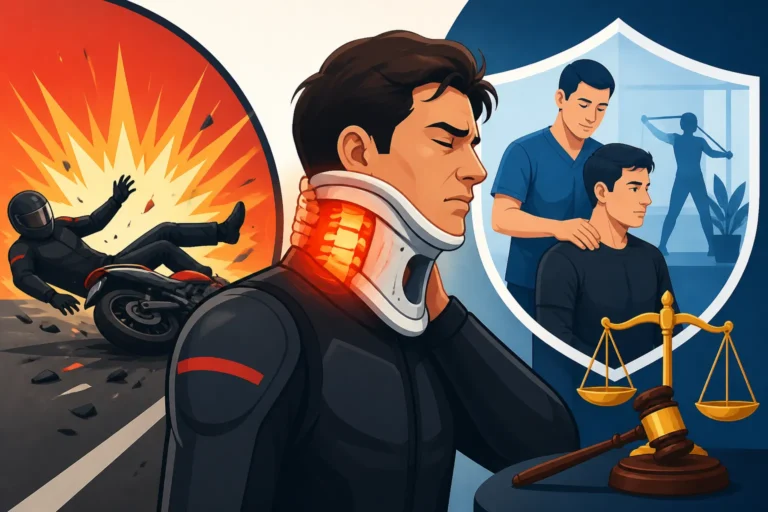
Without this rule, insurance companies could consistently argue that your severe injuries weren't their insured's fault, but rather a result of your pre-existing health issues. This would allow negligent drivers to escape full accountability and leave you, the injured rider, to bear the brunt of medical bills, lost wages, and pain and suffering that directly resulted from the accident. The Eggshell Skull Rule provides a legal shield, forcing the at-fault party and their insurer to acknowledge the full extent of the damage they caused to your specific body, regardless of its prior condition. It helps to secure fair compensation for injuries that, while perhaps amplified by prior conditions, were undeniably triggered or worsened by the collision. Understanding How Injury Severity Affects Compensation is important here, as the rule ensures your unique severity is considered.
How the Eggshell Skull Rule Applies to Your Motorcycle Injury Claim
When you're dealing with the aftermath of a motorcycle accident, the last thing you want is for your past medical history to be used against you. The Eggshell Skull Rule is specifically designed to prevent this, making sure that your unique physiological makeup doesn't become an excuse for the at-fault party to shirk responsibility. This rule broadens the scope of what damages you can claim, especially when an accident exacerbates an existing ailment or exposes an unforeseen vulnerability.
It’s not about whether the at-fault driver knew about your condition; it’s about their liability for the consequences of their actions. This means that even if a collision seems minor, if it causes major injury due to your specific circumstances, the other driver is still responsible for the full impact. This is particularly relevant when considering Common Motorcycle Accident Injuries which often involve significant physical trauma that can easily aggravate latent conditions.
Aggravating Pre-Existing Conditions
One of the most common applications of the Eggshell Skull Rule in motorcycle accident claims involves the aggravation of pre-existing conditions. Many of us, especially as we age or if we've lived active lives, carry around old injuries or chronic issues. Maybe you had a herniated disc years ago that occasionally flared up but was generally managed. Or perhaps you had some knee pain from an old high school football injury.
Then, a motorcycle accident happens. The impact, the sudden jolt, the trauma—it doesn't just cause new injuries; it takes that old, managed condition and turns it into a full-blown crisis. That stable herniated disc now requires surgery. That occasional knee pain becomes constant, debilitating agony. The Eggshell Skull Rule ensures that the negligent driver is responsible for the aggravation of that condition. They might not be liable for the original, stable condition, but they are absolutely liable for how their actions made it significantly worse. It's about the increased pain, the new medical treatments, the additional lost wages, and the diminished quality of life directly stemming from the accident's impact on your pre-existing vulnerabilities. Documenting How Medical Records Support Your Claim will be vital in these situations.
Unforeseen Vulnerabilities
Beyond merely aggravating a known pre-existing condition, the Eggshell Skull Rule also extends to unforeseen vulnerabilities that might not even have been diagnosed or caused any symptoms before the accident. This can be a bit trickier to understand but is equally important. Think about someone who might have an asymptomatic spinal condition or a genetic predisposition to a certain type of bone fracture that they were entirely unaware of.
In a motorcycle crash, a seemingly moderate impact might cause a disproportionately severe injury in such an individual. For instance, a rider might have an unusually brittle bone structure due to an underlying, undiagnosed medical condition. A collision that would cause a simple fracture in most people could lead to multiple complex fractures for this rider. The at-fault driver cannot argue that they are only responsible for the "average" injury. They are responsible for the actual injury that specific rider sustained, even if that severity was due to an unforeseen vulnerability. The law doesn't expect drivers to medically vet every person they might encounter on the road; it simply holds them accountable for the actual harm caused by their negligence, irrespective of the victim's underlying susceptibility. This is a key component when considering Types of Damages in a Motorcycle Accident Claim.
Challenging Insurance Company Tactics
While the Eggshell Skull Rule is a well-established legal principle, you can bet your bottom dollar that insurance companies won't make it easy for you. Their primary goal is to minimize payouts, and pointing fingers at your pre-existing conditions is a common tactic they employ. They might try to argue that your injuries weren't caused by the accident at all, but were merely the natural progression of your existing medical problems. This is where the rubber meets the road, and you need to be prepared.
Dealing with insurance adjusters can be incredibly frustrating. They often try to downplay the impact of the accident on your specific condition, implying that you're trying to claim for issues that weren't their insured's fault. This is why having a deep understanding of your rights and the legal principles that protect you is so important. Knowing How Insurance Companies Assign Blame to Riders can help you anticipate their strategies and build a stronger counter-argument.
Common Arguments from Insurers
Insurance companies are experts at finding reasons to reduce your settlement, and your medical history is often their first line of defense. Here are some arguments you might hear:
- "Your injuries are pre-existing, not accident-related." This is the most direct attack. They’ll review your medical records with a fine-tooth comb, looking for any mention of back pain, knee issues, or headaches from years prior, then claim the accident didn’t cause new injury, only symptoms of an old one.
- "The accident was too minor to cause such severe injuries." They’ll argue that given the low-speed impact or minimal visible damage to vehicles, your extensive injuries must be due to your underlying fragility, not their insured's negligence. This directly tries to circumvent the "take the victim as they find them" aspect of the Eggshell Skull Rule.
- "You had gaps in treatment or delayed seeking care." If there's any delay between the accident and when you sought medical attention, or if you had inconsistent follow-up care, they might suggest that your injuries weren't severe or were exacerbated by your own inaction, not the crash.
- "Your doctor's notes don't explicitly state the aggravation." Sometimes, initial medical reports might focus on the acute injury without explicitly detailing how it worsened a pre-existing condition. Insurers will jump on this lack of explicit language to deny the aggravation claim.
These arguments are designed to make you doubt your claim and accept a lower offer. It's crucial to remember that the Eggshell Skull Rule is specifically designed to combat these very tactics.
The Importance of Medical Documentation
When an insurance company tries to dismiss your injuries as "pre-existing," the most powerful weapon in your arsenal is thorough and consistent medical documentation. This isn't just about showing you saw a doctor; it's about providing a clear, chronological narrative of your health before the accident and the dramatic changes after it.
You need detailed records that outline your pre-existing condition, its stability, and how it was managed before the crash. Then, after the accident, every doctor's visit, every diagnostic test (X-rays, MRIs, CT scans), every physical therapy session, and every medication prescription becomes critical. Your medical reports should clearly describe your post-accident symptoms, the diagnosis, and, importantly, how these symptoms and diagnoses relate to or aggravate your prior condition. For instance, a doctor's note stating, "Patient's previously stable L4-L5 disc degeneration is now severely herniated, directly attributable to the trauma sustained in the recent motor vehicle accident," is gold. Without robust documentation, it becomes your word against theirs, and the insurance company will always side with itself. This level of detail is paramount for any personal injury claim, especially those involving Spinal Cord Injuries from Motorcycle Accidents or Motorcycle Accident Traumatic Brain Injuries.
Navigating Your Claim with a Pre-Existing Condition
Successfully navigating a motorcycle accident claim, especially when pre-existing conditions are involved, requires diligence and strategic action. You're not just proving the accident happened and caused injuries; you're proving the extent of those injuries as they uniquely affected you, the "eggshell plaintiff." This means going above and beyond to gather evidence and, often, enlisting expert help to present your case clearly and convincingly.
It can feel overwhelming to manage all the medical appointments, paperwork, and communications with insurance companies, especially while you're trying to recover. However, every step you take to build a solid case is an investment in your potential recovery. Understanding How Motorcycle Accident Settlements Are Calculated will help you see why this evidence gathering is so vital for your potential payout.
Gathering Comprehensive Medical Evidence
This is arguably the most critical step. To effectively invoke the Eggshell Skull Rule, you need to paint a clear picture of your health journey.
- Pre-Accident Records: Gather all medical records pertaining to your pre-existing condition, going back several years if possible. These records should show how the condition was being managed, its level of stability, and your functional capabilities before the crash. If your back pain was occasional and managed with stretching, those records confirm that it wasn't debilitating.
- Post-Accident Records: Every single medical visit, diagnosis, treatment, and prescription after the accident must be meticulously documented. Ensure your doctors clearly note the causation—how the accident specifically exacerbated or newly triggered your symptoms. Ask your doctors to write detailed reports outlining the current severity of your condition, contrasting it with its pre-accident state, and explaining the need for new or intensified treatments.
- Imaging and Test Results: X-rays, MRIs, CT scans, and nerve conduction studies can provide objective evidence of new injuries or significant changes to pre-existing conditions. For example, a pre-accident MRI showing mild disc bulging versus a post-accident MRI showing a severe herniation is powerful evidence.
- Medication History: A record of new or increased pain medications or other prescriptions post-accident can demonstrate the escalation of your pain and symptoms.
A comprehensive collection of these documents will serve as the backbone of your claim, making it harder for insurers to deny the impact of the accident. Remember, you should always Why You Should Seek Immediate Treatment after a crash, even if you feel okay at first, as delayed symptoms can emerge, and timely documentation is key.
Expert Witness Testimony
Sometimes, medical records alone, no matter how comprehensive, aren't enough to sway an insurance adjuster or a jury. This is especially true when dealing with complex medical conditions or when there's significant dispute over causation. In these situations, expert witness testimony becomes invaluable.
Your personal injury lawyer might recommend retaining medical experts—such as orthopedic surgeons, neurologists, pain management specialists, or rehabilitation physicians—who can provide sworn testimony. These experts will review all your medical records, examine you, and then offer their professional opinion on two key points:
- Causation: They can explain definitively how the motorcycle accident directly caused your new injuries or aggravated your pre-existing condition. They can articulate the biomechanics of the crash and its specific impact on your body.
- Prognosis and Future Needs: They can detail the long-term effects of your injuries, including permanent limitations, future medical treatments, ongoing pain management, and the need for adaptive equipment or home modifications. This is crucial for calculating Future Medical Costs Explained, which are a significant part of serious injury claims.
An independent medical expert's testimony carries significant weight because they provide an objective, scientific basis for your claims, lending credibility and authority to your argument against the insurance company's attempts to downplay your suffering. This level of professional backing can often be the difference between a lowball offer and a fair settlement.
Disclaimer
Please remember, this article provides general information and insights into the Eggshell Skull Rule in the context of motorcycle accident claims. It is not a substitute for professional legal advice. Every accident and injury claim is unique, and the specific laws and legal precedents in your state can significantly impact your case. For personalized advice regarding your situation, it is always recommended to consult with a qualified personal injury attorney.