What Causes Most Motorcycle Accidents
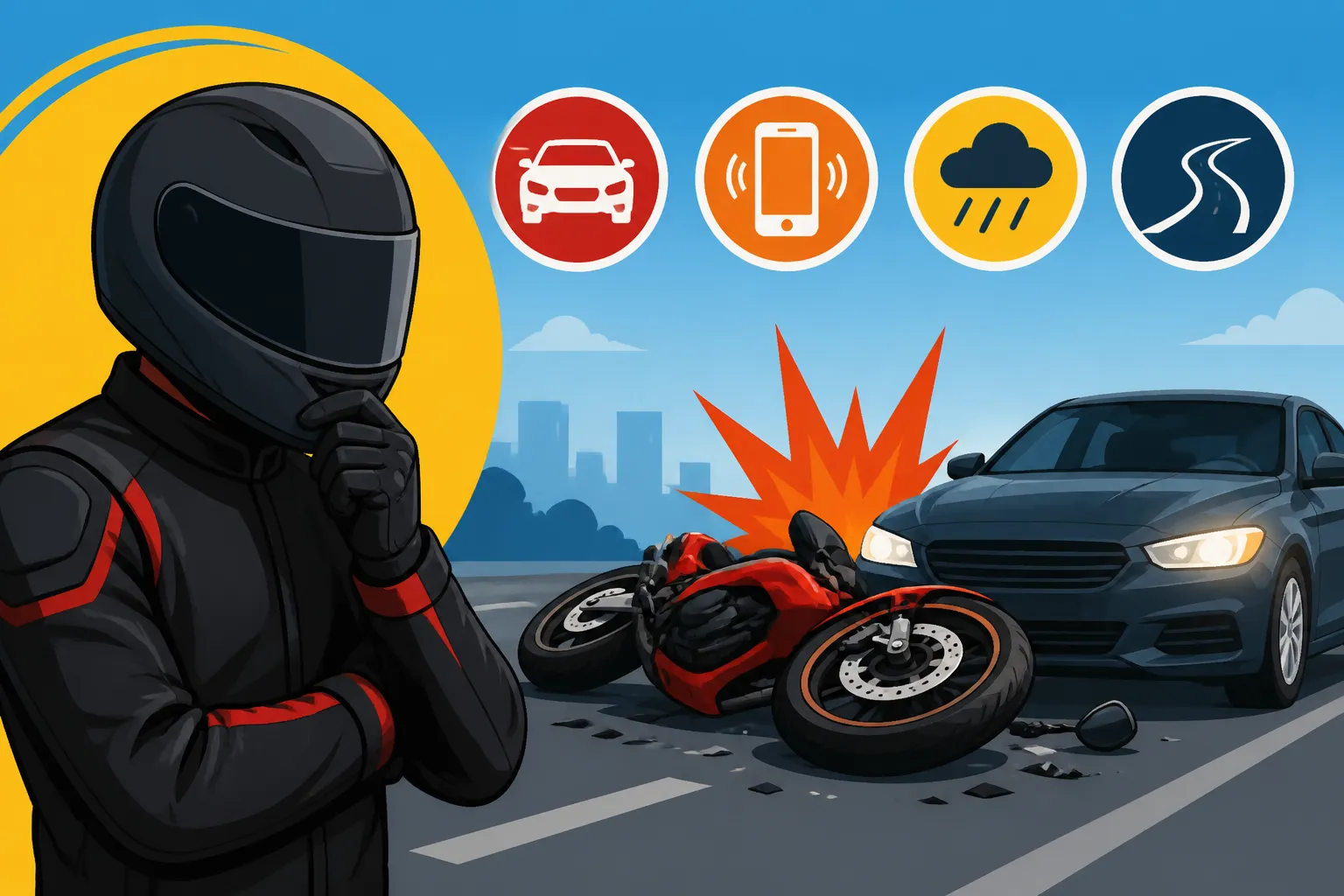
Riding a motorcycle offers unparalleled freedom and exhilaration, but it also comes with inherent risks. When a crash happens, it’s often devastating, leaving riders and their families grappling with serious injuries, medical bills, and a confusing legal process. One of the most common and frustrating misconceptions is that motorcycle accidents are always the rider's fault. This couldn't be further from the truth. Understanding what truly causes most motorcycle accidents is critical for both prevention and navigating the aftermath of a crash. This guide will delve deep into the primary culprits behind these incidents, shedding light on the real dangers riders face on the road.
The Pervasive Threat of Driver Inattention and Perception Failure
It's a phrase almost every rider has heard, and it sends shivers down our spines: "I didn't see the motorcycle." This isn't just an excuse; it's a tragically common reality that underlies a significant portion of motorcycle accidents. Cars and trucks are larger and more conspicuous, and drivers often develop a form of "inattentional blindness" when it comes to smaller vehicles like motorcycles. Their brains are wired to look for other cars, not always for two-wheeled machines, especially when their attention is already divided.
Left-Turn Collisions and Failure to Yield
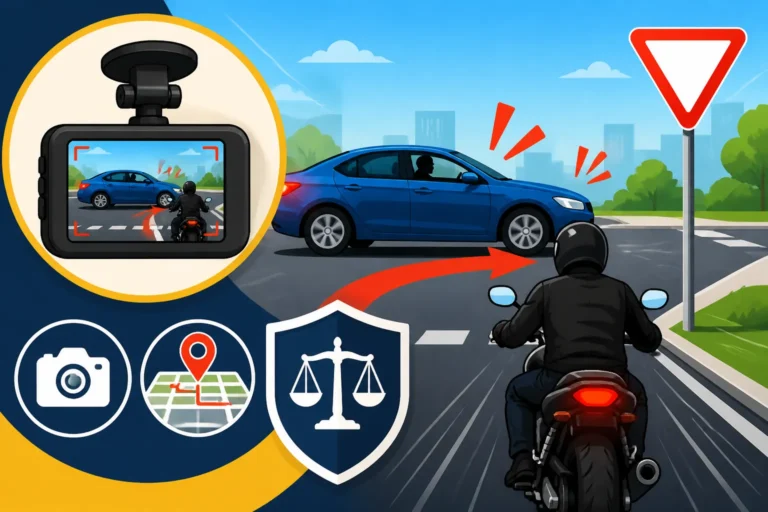
By far, one of the most dangerous scenarios for motorcyclists involves another vehicle making a left turn directly in front of them. These are often devastating head-on or side-impact collisions. The car driver, often misjudging the motorcycle's speed or simply failing to register its presence, proceeds to turn, cutting off the rider's right-of-way. This kind of incident isn't just about a driver not looking; it's often a cognitive failure to process the information even when they do look. Their brains are expecting a car and sometimes filter out the motorcycle.
Imagine you're cruising down a main road, enjoying a perfect Sunday afternoon ride through the suburbs of San Jose, California. You're going the speed limit, aware of your surroundings. Suddenly, a car from the opposite lane, waiting to turn left into a strip mall parking lot, starts to creep forward. You might think they see you, that they're waiting for you to pass. But then, without warning, they accelerate, turning directly into your path. You have mere seconds, if that, to react. Braking hard on a motorcycle can lead to a skid, and swerving might put you into oncoming traffic or off the road entirely. These are the split-second decisions that result in horrific injuries. Understanding how these incidents unfold is crucial, as they are a leading cause of severe harm. You can learn more about specific situations in our article on Left-Turn Motorcycle Accidents Explained.
Unsafe Lane Changes and Blind Spots
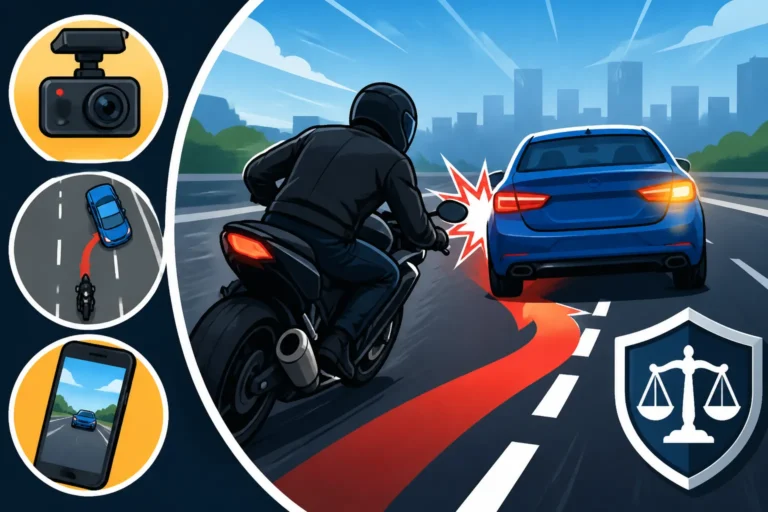
Another infuriatingly common cause of crashes stems from drivers changing lanes without properly checking their blind spots or using their signals. Modern vehicles, especially larger SUVs and trucks, have significant blind spots where a motorcycle can disappear entirely from view. Even with side mirrors and proper head checks, some drivers are simply negligent. They might glance, see nothing they recognize as a threat, and then commit to a lane change.
Think about navigating a busy freeway like I-35 in Dallas, Texas, during rush hour. You're in the left lane, keeping a safe distance. A large pickup truck in the lane to your right decides it wants to be in your lane. Without a blinker, or perhaps with a last-second, barely visible signal, they drift over, forcing you into the shoulder, or worse, directly into the concrete barrier. These accidents can lead to significant road rash injuries and broken bones as riders are either crushed or forced into evasive maneuvers that often end badly. It highlights the constant vigilance riders must maintain, even when obeying all traffic laws themselves. These incidents demonstrate why Motorcycle Accidents Caused by Unsafe Lane Changes are so prevalent and dangerous.
Driver Negligence Beyond Simple Inattention
While not seeing a motorcycle is a huge factor, it's certainly not the only way car and truck drivers cause accidents. A disturbing number of crashes are the direct result of outright negligence, where drivers prioritize distractions or impaired judgment over the safety of others on the road.
Distracted Driving: A Modern Epidemic
In our hyper-connected world, distracted driving has become an epidemic, and it poses an existential threat to motorcyclists. Texting, talking on the phone, fiddling with navigation systems, eating, drinking, even interacting with passengers – these are all activities that take a driver's eyes, hands, and mind off the road. When a driver is glancing down at their phone for even a few seconds, they can travel hundreds of feet without looking, completely oblivious to a motorcycle in their path.
Consider a scenario on a scenic route through the Colorado Rockies. You're enjoying the curves, fully focused on the road ahead. A driver in an SUV behind you is scrolling through their social media feed. They drift, fail to notice you slowing down for a turn, and rear-end you. Or, worse, they might swerve across the centerline because they looked away, creating a head-on collision. The consequences for a motorcyclist in such a situation are almost always catastrophic. The sheer force of impact from a heavier vehicle can cause life-altering injuries. The rise of smartphones has made this issue particularly acute, and it's a constant source of frustration for anyone on two wheels. Find out more about how this impacts claims in our piece on Motorcycle Accidents Caused by Distracted Driving.
Impaired Driving: A Reckless Endangerment
Despite decades of public awareness campaigns and severe legal penalties, impaired driving remains a tragic cause of motorcycle accidents. Whether under the influence of alcohol, illicit drugs, or even certain prescription medications, impaired drivers have severely compromised judgment, reaction times, and coordination. They often weave, speed, ignore traffic signals, and are even less likely to see a motorcycle than an alert driver.
Picture this: it's late evening, and you're heading home after a long day. A driver coming the other way crosses the double yellow line on a dark stretch of road outside of Phoenix, Arizona. This driver has been drinking heavily and is barely able to keep their vehicle in their own lane. You have nowhere to go, no time to react. The result is a devastating crash that could have been entirely prevented. There is simply no excuse for driving while impaired, and when these drivers cause accidents, their liability is usually clear, though proving it can still be a challenge. Delve deeper into this topic with our guide on Motorcycle Accidents Caused by Drunk Driving.
Speeding and Aggressive Driving
Speeding and aggressive driving behaviors are not just nuisances; they are direct contributors to serious accidents. Drivers who speed have less time to react to unexpected situations, including a motorcycle appearing seemingly out of nowhere. Aggressive drivers, those who tailgate, weave through traffic, or engage in road rage, create incredibly dangerous conditions. Their unpredictable actions put everyone at risk, but especially vulnerable motorcyclists.
Imagine you're on a suburban street in Atlanta, Georgia, approaching a four-way stop. You come to a complete stop, check for cross-traffic, and proceed. Suddenly, a car blows through the stop sign, clearly speeding and ignoring the right-of-way. They smash into your side, sending you and your bike flying. In such a scenario, the speeding and blatant disregard for traffic laws by the other driver are undeniably the root cause of the crash. When fault is being determined, these factors heavily weigh against the at-fault driver. Our post on Motorcycle Accidents Caused by Speeding offers more insight into this risky behavior.
Environmental Factors and Road Conditions
It's not always about other drivers, though they are often the biggest threat. Sometimes, the road itself, or the elements, conspire to create hazardous conditions that are disproportionately dangerous for motorcyclists. What might be a minor inconvenience for a car can be a life-threatening obstacle for a bike.
Road Hazards and Poor Maintenance
Motorcycles are much more sensitive to road surface imperfections than cars. A pothole that a car might barely notice can throw a motorcycle off balance or even cause a tire blowout. Gravel, sand, oil slicks, or debris left in the road can instantly cause a loss of traction, leading to a crash. Construction zones, with their uneven pavement, sudden drops, and loose materials, are particularly treacherous.
Consider a seemingly innocent piece of metal debris from a truck that fell onto the highway in Columbus, Ohio. A car might drive over it, feeling a bump. A motorcyclist hitting it, especially at speed, could lose control, be ejected from the bike, or suffer severe tire damage leading to a high-speed wobble and crash. Similarly, crumbling pavement or unmarked construction plates can be catastrophic. These aren't hypothetical situations; they're daily realities for riders. When a government entity or construction company fails to maintain roads or adequately warn about hazards, they can be held liable. Our in-depth look at Motorcycle Accidents Caused by Road Hazards details these dangers.
Adverse Weather Conditions
While many riders avoid riding in bad weather, sometimes you get caught out. Rain, ice, snow, or even strong winds drastically reduce traction and visibility, making riding inherently more dangerous. What's more, other drivers often become more erratic in bad weather, increasing the risk of multi-vehicle collisions.
Picture riding through a sudden downpour on a highway in Seattle, Washington. Visibility drops, and the road surface becomes slick. The car ahead of you slams on its brakes, hydroplaning, and you have much less room and traction to react safely. Your options are severely limited, and a sudden stop could lead to a loss of control, even if you execute it perfectly. While riders are expected to exercise caution in adverse conditions, the actions of other drivers in these situations often escalate the danger.
Rider-Related Factors: Acknowledging Our Own Role
While the vast majority of articles and studies point to other drivers as the primary cause of motorcycle accidents, it's also important to acknowledge that riders sometimes contribute to or cause their own accidents. This isn't to blame the victim but to offer a realistic and honest perspective on all the variables at play.
Inexperience, Lack of Training, or Overconfidence
Motorcycle riding requires a unique skill set, constant vigilance, and a healthy respect for the machine and the road. Inexperienced riders, especially those who haven't completed formal safety courses, might lack the skills to handle emergency situations, tight turns, or unexpected obstacles. Even experienced riders can become overconfident, pushing their limits or taking unnecessary risks.
A new rider might panic and "target fixate" on an obstacle, failing to steer around it. Or they might improperly apply brakes in a curve, leading to a low-side slide. While these aren't always directly caused by another vehicle, they highlight the importance of continuous training and staying within one's skill limits. This is particularly relevant when discussing When a Rider Is Partially at Fault in an accident.
Speeding or Reckless Riding by the Motorcyclist
Just as car drivers speed, some motorcyclists do too. Excessive speed reduces reaction time and increases stopping distance. Reckless maneuvers, such as weaving excessively through traffic or performing stunts on public roads, are incredibly dangerous and irresponsible. While the stereotype of the "reckless biker" is often unfair, it's a reality in some cases.
If a rider is speeding significantly and crashes into a car that legitimately pulled out in front of them, their speed could be considered a contributing factor to the severity of the impact, or even the cause if the car driver wouldn't have had time to react even if they had seen the motorcycle. This can complicate claims and potentially reduce settlement amounts due to Comparative Negligence in Motorcycle Accidents.
Riding While Impaired
Sadly, not all impaired drivers are in cars. Some motorcyclists also make the irresponsible choice to ride under the influence of alcohol or drugs. This significantly impairs their ability to operate the motorcycle safely, leading to a higher risk of single-vehicle accidents or crashes involving other vehicles where their impairment is a direct cause. This is a clear example of How Traffic Violations Affect Fault in an accident.
Data Breakdown: Who is Primarily at Fault?
Understanding these causes is one thing, but seeing the data helps put it into perspective. Research from various traffic safety organizations consistently shows that car drivers are at fault in the majority of multi-vehicle motorcycle accidents.
| Accident Type | Primary At-Fault Party (Typically) | Contributing Factors from Other Party | Severity for Rider |
|---|---|---|---|
| Left-Turn Collision | Car Driver (Failure to Yield) | Rider speed, visibility | High – Often Fatal |
| Unsafe Lane Change | Car Driver (Blind Spot Negligence) | Rider speed, positioning | Medium to High |
| Distracted Driving | Car Driver (Inattention) | Rider visibility, speed | Medium to High |
| Impaired Driving (Car) | Car Driver (Impairment) | N/A | Very High – Fatal |
| Speeding (Car) | Car Driver (Reckless Behavior) | Rider reaction time | Medium to High |
| Road Hazard | Government/Maintenance Crew | Rider vigilance, speed | Medium to High |
| Rider Impairment | Motorcycle Rider | N/A | Very High – Fatal |
| Rider Speeding/Reckless | Motorcycle Rider | Other driver's actions (sometimes) | Medium to High |
As you can see, while rider error does occur, the overwhelming evidence points to other motorists and external conditions as the primary drivers of motorcycle accidents, particularly those involving multiple vehicles. This table also underscores why proving Who Is at Fault in a Motorcycle Accident is such a critical step in any claim.
Protecting Yourself and Your Claim
Knowing what causes most motorcycle accidents isn't just academic; it's vital for every rider. It reinforces the need for defensive riding, constant awareness, and choosing the right gear. But when an accident does happen, this knowledge also empowers you to protect your rights and your potential claim.
Always remember that insurance companies, like Geico or Progressive, often operate with an inherent bias against motorcyclists. They may try to quickly assign blame to the rider, regardless of the actual circumstances. They might even try to use the "I didn't see them" defense against you, implying you were invisible or should have been more visible. It's an uphill battle sometimes, and knowing the common causes helps you anticipate their tactics. Our article on How Insurance Companies Assign Blame to Riders details this phenomenon.
Documenting the scene, gathering witness information, and seeking immediate medical attention are crucial steps to take. The evidence collected at the scene, including photos and videos, can be invaluable in establishing what truly happened. Even if you feel fine, always get checked out by a medical professional, as some severe injuries, like internal bleeding or whiplash, may have delayed symptoms. To learn the best course of action right after a crash, check out our guide on What to Do After a Motorcycle Accident.
Ultimately, while we can't control every driver on the road, understanding the primary causes of motorcycle accidents arms us with knowledge. It helps us ride smarter, and it helps us fight harder for justice when the unthinkable happens.
Disclaimer
Please remember that this article provides general informational guidance and should not be construed as legal advice. Every motorcycle accident case is unique, and the specifics of your situation will dictate the best course of action. If you have been involved in a motorcycle accident, it is highly recommended to consult with a qualified legal professional to discuss your individual circumstances and rights.