Motorcycle Helmet Law in Wisconsin
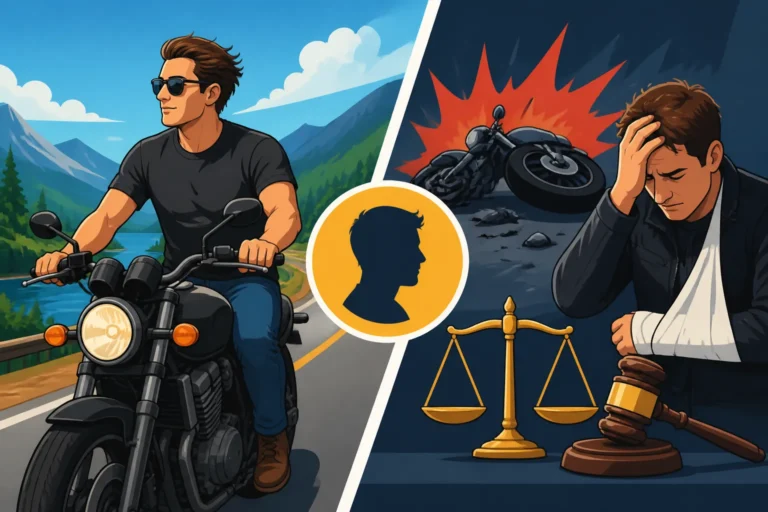
Riding a motorcycle in Wisconsin offers some of the most breathtaking scenic routes, from the winding roads of the Kettle Moraine State Forest to the lakeside drives along Lake Michigan. But navigating those roads safely, and understanding the specific rules that apply to riders, can be a bit of a labyrinth. One of the most common points of confusion and contention revolves around motorcycle helmet laws. It's not always as straightforward as "wear one" or "don't wear one," and misunderstanding these regulations can have serious consequences, both for your safety and any potential accident claim. This guide will clarify Wisconsin's motorcycle helmet law, exploring its nuances, what it means for you on the road, and how it might impact you if you ever find yourself in an unfortunate accident.
Navigating Wisconsin's Motorcycle Helmet Law
Unlike some states that have universal helmet laws requiring all riders to wear a helmet, or those that have no helmet law at all, Wisconsin operates under what's often called a "partial" or "modified" helmet law. This means that while some riders are legally mandated to wear a helmet, others are not, depending on specific criteria. It's this distinction that often trips up both residents and visitors, leading to misunderstandings that could put them at risk.
Who Must Wear a Helmet in Wisconsin
The primary focus of Wisconsin's helmet law is on younger and less experienced riders. This makes sense when you think about it – new riders are still honing their skills, and younger individuals statistically have less judgment and experience on the road. The law is designed to offer an extra layer of protection to those who might need it most.
Specifically, Wisconsin Statute § 347.485 mandates that any operator or passenger of a motorcycle under 18 years of age must wear a protective headgear. This isn't just a suggestion; it's a hard and fast rule. If you're 17 and riding as a driver or a passenger, that helmet needs to be on your head and properly secured. The same statute also applies to anyone holding an instructional permit, regardless of their age. If you're just learning the ropes and are out on an instructional permit, you're required to wear a helmet. This requirement extends to anyone riding with you as a passenger, too. So, if you're an adult with an instructional permit and your buddy is riding pillion, both of you need to be helmeted up.
The law specifies "protective headgear" which generally refers to helmets designed for motorcycle use. It needs to be securely fastened while the motorcycle is in motion. This isn't the time for a novelty helmet that offers little to no real protection, or a construction hard hat. It needs to be a proper, purpose-built motorcycle helmet. For a deeper dive into the specifics of these requirements, you might want to read our article on Motorcycle Helmet Laws by State.
When the Law Doesn't Mandate a Helmet
Here's where Wisconsin's law diverges from universal mandates. If you are 18 years of age or older and possess a valid, full motorcycle endorsement (meaning you’ve passed all the tests and aren't on an instructional permit), you are not legally required to wear a helmet while riding or as a passenger in Wisconsin. This is a privilege that many experienced riders in the state appreciate, but it comes with significant responsibilities and potential risks.
For many seasoned riders, the choice to ride without a helmet is a personal one, often rooted in a desire for freedom, the feel of the wind, or simply a different sensory experience. However, it's crucial to understand that even when not legally required, the absence of a helmet profoundly changes the risk profile of your ride. While the law grants you this choice, it doesn't diminish the very real dangers that come with it. Many riders still choose to wear helmets for their own safety, regardless of the law, recognizing the severe consequences that can arise from even a minor incident.
This aspect of the law often leads to spirited discussions among the riding community. On one hand, it's seen as upholding individual liberty. On the other, safety advocates point to the devastating consequences of head injuries, which are often preventable with proper helmet use.
The Financial Responsibility Clause
While riders 18 and over with a full endorsement aren't legally required to wear a helmet in Wisconsin, there's an important financial caveat that you absolutely need to be aware of. This isn't always explicitly stated in the helmet law itself but is interwoven into the broader motorcycle operation statutes.
Insurance Requirements for Helmet Exemption
In many states with partial helmet laws, there's often a link between helmet exemption and adequate insurance coverage. Wisconsin is one of those states. While the actual helmet statute doesn't explicitly state "unless you have insurance," the spirit and intent of such laws often revolve around financial responsibility. Essentially, if you choose to ride without a helmet, you are taking on a greater personal risk. States want to ensure that if that risk materializes into a serious accident and injury, you (or your insurance) can cover the costs, rather than burdening public healthcare systems or uninsured motorist programs.
For example, states often require higher minimum liability insurance coverage for riders who choose to go helmetless, or some even mandate medical payment coverage. As of my last check, Wisconsin does not have these explicit additional insurance requirements directly tied to the helmet exemption for adult riders. However, all motorcycle riders in Wisconsin, regardless of helmet use, are required to carry minimum liability insurance. This includes bodily injury liability ($25,000 per person, $50,000 per accident) and property damage liability ($10,000 per accident). While not directly tied to the helmet law, having robust insurance, especially uninsured/underinsured motorist (UM/UIM) coverage, becomes even more critical if you choose to ride without a helmet.
It’s about protecting yourself and others. If you’re involved in an accident and sustain severe head injuries without a helmet, your medical bills could skyrocket into the hundreds of thousands or even millions of dollars. Your standard liability coverage might help cover the other driver's damages, but it won't necessarily cover your own astronomical medical expenses. This is where personal health insurance, or supplemental motorcycle insurance policies, become invaluable. Think of it as a personal safety net, especially when you choose to forgo a physical one.
Passenger Helmet Requirements and Liability
What about your passenger? The rules for passengers mirror those for operators. If your passenger is under 18, they absolutely must wear a helmet. If they are 18 or older, and you, as the operator, have a full endorsement and are also 18+, then the passenger is not legally required to wear a helmet.
However, consider the implications for liability. If you're involved in a crash, and your adult passenger, who chose not to wear a helmet, sustains a severe head injury, questions of shared fault could arise. While they made their own choice, you, as the operator, have a duty of care. This doesn't necessarily mean you're liable for their choice, but it can complicate an accident claim significantly.
Imagine a scenario where you're riding with a friend in rural Wisconsin, both 18+, enjoying the open air without helmets. Another vehicle turns left in front of you, causing a collision. Your friend, unfortunately, suffers a traumatic brain injury. Even if the other driver is clearly at fault for the Left-Turn Motorcycle Accidents Explained, their insurance company will almost certainly argue that your friend's injuries were exacerbated by the lack of a helmet. This is often referred to as the "helmet defense," which we'll discuss further in a later section. It highlights why understanding Motorcycle Accident Liability: A Complete Guide is so crucial.
The Critical Role of DOT-Compliant Helmets and Proper Gear
Whether legally mandated or chosen by personal preference, a helmet is your first line of defense against severe injury in a motorcycle accident. But not all helmets are created equal, and simply having something on your head isn't enough to satisfy safety standards or potentially protect you in a claim.
What is a DOT-Compliant Helmet?
The term "DOT-compliant" refers to helmets that meet the safety standards set by the U.S. Department of Transportation (DOT), specifically Federal Motor Vehicle Safety Standard (FMVSS) 218. When you're shopping for a helmet, it's absolutely vital to look for the DOT certification sticker on the back. This sticker is your assurance that the helmet has been tested and meets minimum safety performance requirements.
What makes a helmet DOT-compliant?
- Thick Inner Liner: A compliant helmet will have a sturdy, at least one-inch thick inner liner of firm foam (usually polystyrene or EPS foam). This liner is designed to absorb impact energy.
- Strong Outer Shell: The outer shell should be rigid and resistant to penetration, but also designed to slightly deform on impact to spread the force.
- Riveted Chin Strap: A DOT-compliant helmet will have a robust chin strap system, securely riveted to the helmet, that fastens firmly under the chin.
- Weight: Generally, a DOT-compliant helmet will feel substantial, weighing around three pounds or more, due to the protective materials. "Novelty" helmets, which offer minimal protection, are typically very lightweight.
- No Projections: The helmet should not have any rigid projections greater than 0.20 inches, as these could snag during an impact.
You can often find good quality, DOT-compliant helmets at reputable retailers like Cycle Gear, which typically stock a wide range of brands and styles that meet these crucial safety standards. Investing in a quality helmet is not just about adhering to the law if you're under 18 or on a permit; it's about protecting your brain, which is, quite frankly, priceless. Our article on DOT Helmet Requirements Explained goes into even more detail.
Beyond Helmets: Other Essential Safety Gear
While helmets often get the most attention, a motorcycle is an incredibly exposed form of transport. Every piece of specialized riding gear plays a crucial role in preventing or minimizing injuries. Think of it as a full-body suit of armor, essential for every ride, especially given the common types of Common Motorcycle Accident Injuries.
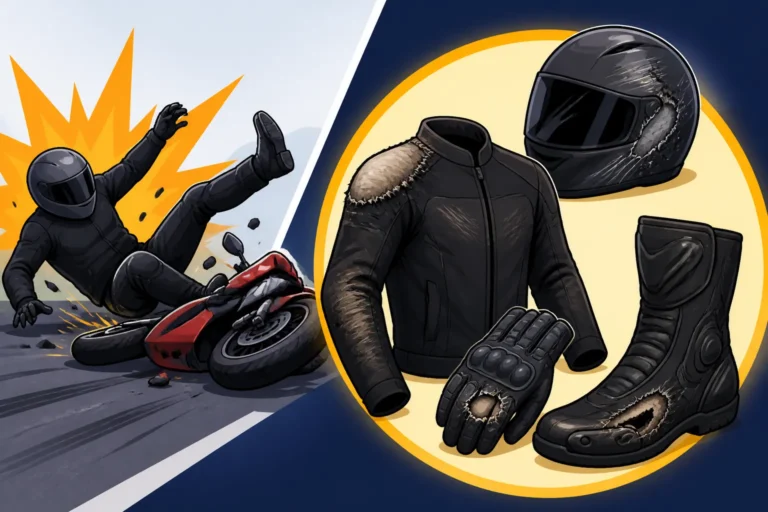
- Riding Jacket: A good riding jacket, typically made from leather or abrasion-resistant textiles like Cordura, offers vital protection against road rash. It also provides impact protection with CE-rated armor in the shoulders, elbows, and back. In a slide, bare skin on asphalt is instantly shredded.
- Riding Pants: Just like jackets, specialized riding pants (leather or armored textile) protect your legs, hips, and knees from abrasions and impacts. Jeans offer almost no protection in a slide.
- Gloves: Well-fitting motorcycle gloves protect your hands from road rash and provide grip. Many have hard knuckle protection. Instinctively, when you fall, your hands go out first. Protecting them is paramount.
- Boots: Sturdy, ankle-height riding boots protect your feet and ankles from impact, crushing injuries, and abrasion. Sneakers or open-toed shoes are an open invitation to serious foot injuries.
Stores like Cycle Gear are excellent resources for finding a full complement of protective gear. They often have knowledgeable staff who can help you choose gear that fits properly and offers the right level of protection for your riding style and budget. Investing in comprehensive gear isn't just about comfort; it's about drastically reducing your risk of catastrophic injury, whether or not a helmet is legally required. This type of thoughtful preparation is part of Motorcycle Safety Gear and Legal Protection.
How Helmet Use Affects Your Accident Claim
Even if you're an adult rider in Wisconsin not legally required to wear a helmet, your choice not to wear one can have significant repercussions if you're involved in an accident and pursue a personal injury claim. This is often one of the most frustrating realities for unhelmeted riders.
The Helmet Defense Explained
Insurance companies and defense attorneys are always looking for ways to reduce the amount they have to pay in a settlement. If you weren't wearing a helmet and suffered a head injury, they will almost certainly invoke what's known as the "helmet defense."
The helmet defense is an argument that states your head injuries were either caused or made worse by your failure to wear a helmet. Even if the other driver was 100% at fault for the collision itself – say, they ran a red light or made an Unsafe Lane Changes Motorcycle Accident – the defense will argue that your injuries would have been less severe, or perhaps non-existent, had you been wearing a helmet.
This isn't an argument that you caused the accident, but rather that you contributed to the severity of your own damages. It's an application of comparative negligence principles, where your own actions might reduce your overall recovery. In Wisconsin, which follows a modified comparative negligence rule (specifically, the 51% bar rule), if a jury determines you were 51% or more at fault for your injuries (even if not for the accident itself), your ability to recover damages could be severely limited or even barred. Our guide on How the Helmet Defense Reduces Settlements breaks down this complex issue thoroughly.
This can be incredibly infuriating for riders. You're minding your own business, riding legally, and someone else causes a crash, yet your choice about personal safety gear is then used against you to diminish your compensation for life-altering injuries. It feels unfair, but it's a very common tactic.
Mitigating Damages and Proving Causation
On the flip side, if you were wearing a DOT-compliant helmet, it can be a powerful piece of evidence in your favor. First, it demonstrates that you took reasonable steps to protect yourself, undermining any "helmet defense" argument. Second, and more importantly, it can help prove the severity of the impact and the nature of your head injuries, especially if the helmet itself is visibly damaged.
Documenting your helmet use after an accident is crucial. Take photos of your helmet, especially any damage it sustained. Keep the helmet as evidence, no matter how tempting it is to throw out a damaged one. This foresight can be invaluable when trying to Prove Your Injuries and ensure you receive fair compensation for all Types of Damages in a Motorcycle Accident Claim.
Even if you have head injuries despite wearing a helmet, the fact that you wore one strengthens your position. It shows you were prudent, and it makes it much harder for the defense to argue that your choice caused the head injury. Instead, the focus remains squarely on the negligent driver's actions and the direct impact of the collision. It also subtly reinforces the image of a responsible rider, which can counter some of the negative stereotypes insurers try to leverage. When you're dealing with the aftermath, knowing What to Do After a Motorcycle Accident can significantly affect the outcome.
Wisconsin Motorcycle Helmet Law Summary
To help clarify Wisconsin's specific helmet requirements, here's a quick reference table:
| Rider Type | Helmet Required? | Key Condition/Notes |
|---|---|---|
| Operator Under 18 | Yes | Must be DOT-compliant. |
| Passenger Under 18 | Yes | Must be DOT-compliant. |
| Operator with Instructional Permit | Yes | Regardless of age; must be DOT-compliant. |
| Passenger with Instructional Permit | Yes | If operator has instructional permit; must be DOT-compliant. |
| Operator 18+ with Full Endorsement | No | Personal choice. Strong recommendation for safety. |
| Passenger 18+ (with 18+ operator) | No | Personal choice. Strong recommendation for safety. |
Keep in mind that while the law allows adult, experienced riders to make their own choice, the physical and financial consequences of riding without a helmet can be severe. It's always about balancing personal freedom with personal responsibility and understanding the potential impact on your well-being and any future legal claims.
Frequently Asked Questions About Wisconsin's Helmet Law
Understanding the letter of the law is one thing, but knowing how it applies to real-life situations and common questions can be another. Let's tackle some of the most common inquiries riders have about Wisconsin's motorcycle helmet law.
Can Out-of-State Riders Ride Without a Helmet in Wisconsin?
This is a really common question, especially for riders traveling through Wisconsin from states with different helmet laws. The general rule is that when you're riding in a state, you must abide by that state's laws. So, if you're an adult rider from a universal helmet law state like California, once you cross into Wisconsin, if you are 18 or older and have a full motorcycle endorsement, you are not legally required to wear a helmet. Conversely, if you're an adult rider from Iowa (which has no universal helmet law) and are 17, you would be required to wear a helmet in Wisconsin.
It's not about where your license is from; it's about the laws of the state you're currently riding in. Always research the local laws before you embark on a multi-state trip. While most law enforcement officers are understanding, ignorance of the law is generally not a valid defense if you're pulled over for a violation.
What Are the Penalties for Not Wearing a Helmet When Required?
If you're caught riding or as a passenger without a helmet when required by Wisconsin law (i.e., you're under 18 or on an instructional permit), you can face penalties. This typically involves a traffic citation and a fine. The exact fine amount can vary by jurisdiction, but it's usually considered a non-criminal moving violation.
Beyond the immediate fine, repeated violations could potentially affect your driving record or, for permit holders, delay your ability to get a full endorsement. More importantly, getting a ticket for not wearing a helmet when you should have been could be used against you in a civil accident claim, even if you weren't issued a ticket specifically for that reason. It establishes a clear violation of safety regulations on your part, which defense attorneys would love to highlight. This is another reason why it's so important to fully understand the specific Motorcycle Helmet Laws by State.
Are There Any Exceptions for Religious or Medical Reasons?
Wisconsin's motorcycle helmet law does not explicitly include exceptions for religious or medical reasons. The law is fairly strict on who must wear a helmet. If you fall into the categories requiring a helmet (under 18 or instructional permit), there are no statutory exemptions for personal beliefs or medical conditions that would legally allow you to forgo a helmet.
While courts have, in some instances across the country, considered religious freedom arguments related to helmet laws, these cases are complex and highly specific. Relying on such an argument in Wisconsin would likely put you in violation of the law and subject to citation. For practical purposes, if the law says you need a helmet, you need a helmet. If you have a legitimate medical condition that genuinely prevents you from wearing a helmet, consult with a legal professional familiar with Wisconsin's traffic laws and perhaps explore alternative transportation options or request a waiver from the Department of Transportation, though this is exceedingly rare and usually not granted for basic helmet requirements.
Ultimately, while Wisconsin offers a degree of freedom for adult, experienced riders regarding helmet use, the decision should always be weighed carefully. Safety, financial protection, and the potential impact on any future accident claims are all significant factors that deserve your full consideration. Ride safe, ride smart, and stay informed!
Disclaimer
The information provided in this guide is intended for general informational purposes only and does not constitute legal advice. Motorcycle accident laws, including helmet laws, can be complex and are subject to change. For specific legal advice regarding your individual situation, please consult with a qualified attorney in Wisconsin.