How Insurers Value Pain and Suffering
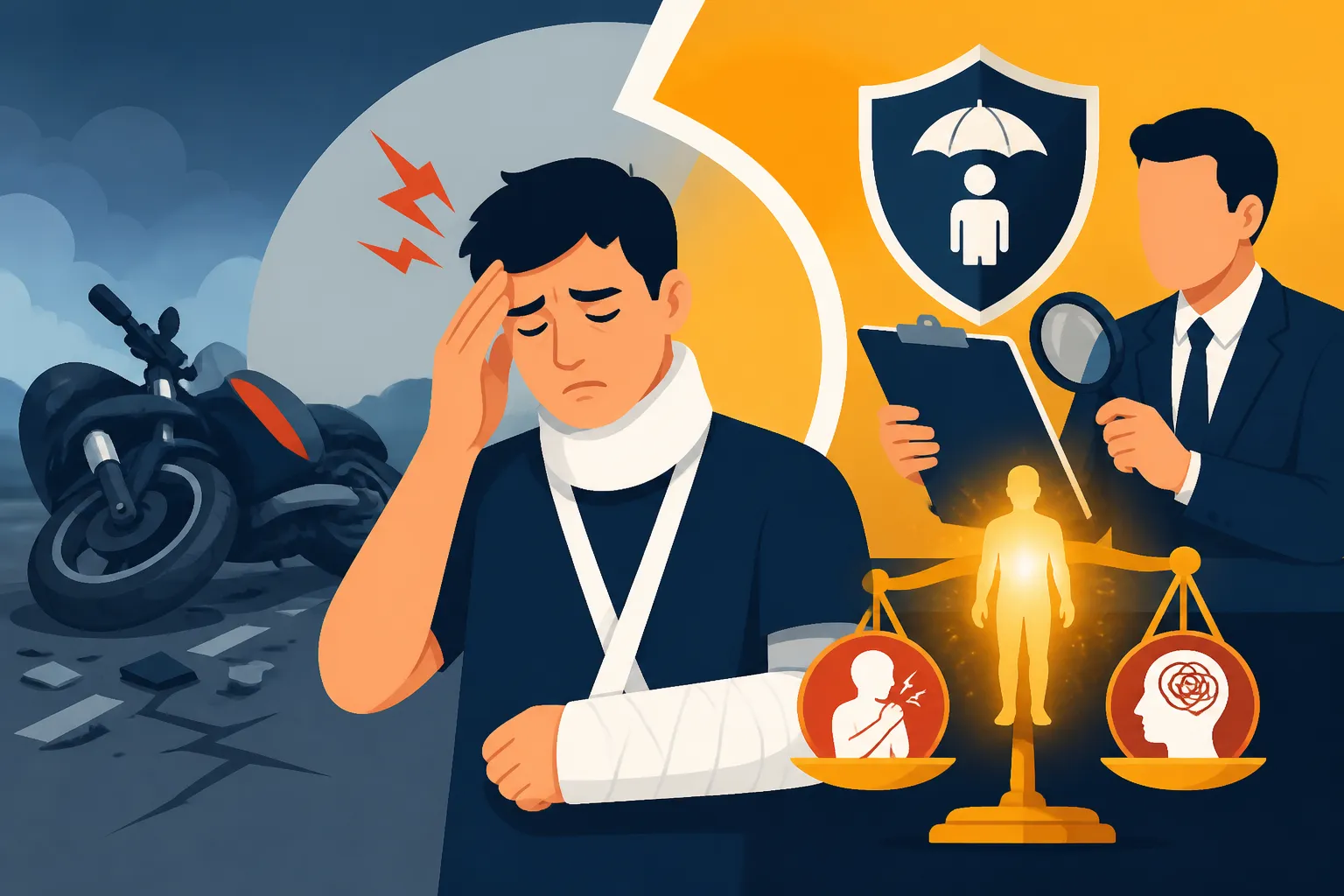
After a devastating motorcycle accident, the physical pain is often just the beginning. Many riders face an uphill battle trying to get insurance companies to fairly compensate them for the invisible, yet profoundly impactful, emotional and psychological toll they endure. It's incredibly frustrating when insurers seem to dismiss the real anguish you're experiencing, trying to reduce your suffering to a mere line item on a spreadsheet. This guide dives deep into how insurance companies attempt to value something as subjective as pain and suffering, offering insights into their methods and what you can do to ensure your suffering isn't undervalued.
Deconstructing "Pain and Suffering" in Motorcycle Accident Claims
When you're reeling from a motorcycle accident, the term "pain and suffering" might feel like an understatement. It encompasses so much more than just a momentary ache. For insurance companies and the legal system, however, it's a specific category of damages designed to compensate accident victims for the non-economic impacts on their lives. These are the damages that don't come with a receipt or a direct bill, making them notoriously challenging to quantify.
The Two Faces of Suffering: Physical and Emotional
Think about the immediate aftermath of a crash. There's the searing physical pain from broken bones, road rash, or internal injuries. That’s a significant part of "pain and suffering." But it’s not the whole picture.
- Physical Pain: This includes the actual discomfort, agony, and physical limitations you experience from your injuries. It covers everything from the initial impact pain, post-surgical recovery, ongoing rehabilitation, chronic pain that might last a lifetime, and even the phantom pains associated with severe injuries like amputations. For a rider, this might mean the inability to swing a leg over your bike again, or even just the daily struggle of getting out of bed.
- Emotional and Mental Suffering: This often goes unacknowledged but can be just as debilitating, if not more so. It includes mental anguish, anxiety, depression, fear of riding again, loss of sleep, post-traumatic stress disorder (PTSD), and the profound grief of losing your independence or your ability to enjoy hobbies. Many riders experience a significant psychological impact after a severe accident, feeling isolated or struggling with confidence that used to define their riding experience. These are real, tangible losses, even if they aren't visible scars.
These two aspects are deeply intertwined. The constant physical pain can lead directly to emotional distress, and vice-versa. Understanding that both components are legitimate parts of your claim is the first step toward advocating for fair compensation. When considering the types of damages in a motorcycle accident claim, these non-economic losses are just as vital as your medical bills and lost wages.
Why Non-Economic Damages Are So Challenging to Quantify
Unlike economic damages, which are straightforward to calculate (medical bills, lost wages, property damage), non-economic damages like pain and suffering don't come with a clear price tag. How do you put a dollar amount on the sleepless nights caused by anxiety, the agony of daily physical therapy, or the loss of joy from no longer being able to hit the open road?
Insurance adjusters, whose job it is to minimize payouts, often downplay these subjective elements. They might argue that your emotional distress isn't as severe as you claim, or that your chronic pain is an exaggeration. This is where the difficulty lies. Because there's no fixed formula, insurers use various methods, which we'll explore shortly, to try and standardize this highly personal experience. The challenge for you, the accident victim, is to effectively convey the true depth and breadth of your suffering in a way that resonates with an insurance company and, if necessary, a jury. This involves compiling compelling evidence that goes beyond just medical charts, telling the story of how the accident truly altered your life.
Insurer Valuation Tactics: The Multiplier Method
When it comes to putting a numerical value on something as abstract as pain and suffering, insurance companies often default to a strategy known as the "multiplier method." It’s widely used because it attempts to create a semblance of objectivity by tying non-economic damages directly to your easily quantifiable economic losses.
How the Multiplier System Is Applied
The core idea behind the multiplier method is relatively simple: you take the total amount of your economic damages (often called "special damages") and multiply it by a certain number.
- Economic Damages (Specials): These are your tangible, out-of-pocket expenses. This includes all your medical bills (hospital stays, doctor visits, prescriptions, physical therapy), lost wages from time off work, and property damage to your motorcycle. Let’s say, for example, your total medical bills were $20,000, and you lost $5,000 in wages. Your total economic damages would be $25,000.
- The Multiplier: This is a number, typically ranging from 1.5 to 5, sometimes even higher in very severe cases. The insurance adjuster will assign a multiplier based on the severity of your injuries, the duration of your recovery, and the overall impact on your life.
- Calculation: If your economic damages are $25,000 and the insurer assigns a multiplier of 3, your pain and suffering compensation would be $75,000 ($25,000 x 3). This amount would then be added to your economic damages to arrive at a total settlement offer. So, in this scenario, the total offer would be $100,000 ($25,000 economic + $75,000 non-economic).
It sounds straightforward, but the real complexity and contention arise in determining that multiplier. This is where an insurance company’s incentives to minimize payouts often clash with a rider's need for fair compensation. Learning about how the multiplier method works is key to understanding how your settlement could be impacted.
Factors That Influence the Multiplier's Range
The choice of multiplier is not arbitrary; it's heavily influenced by several factors that paint a picture of your overall suffering. Insurers scrutinize these details to justify a lower multiplier, while your goal is to present a case for a higher one.
- Injury Severity: This is perhaps the most significant factor. Catastrophic injuries, like spinal cord injuries, traumatic brain injuries (TBI), or amputations, will almost always warrant a higher multiplier (often 4x or 5x) due to their profound and often permanent impact. Minor injuries like mild road rash or sprains with a quick recovery might only get a 1.5x or 2x multiplier. The more severe and long-lasting your injuries, the higher the multiplier should be.
- Medical Treatment: The nature and extent of your medical treatment play a crucial role. If your injuries required extensive interventions such as surgery, prolonged hospitalization, or months of physical therapy, it suggests a higher level of suffering, thus justifying a higher multiplier. Conversely, if your treatment consisted of only a few doctor visits and a week of rest, the multiplier will likely be lower.
- Recovery Period and Prognosis: How long did it take you to recover? Are you expected to make a full recovery, or will you have long-term complications or permanent disability? A longer recovery period, especially one involving chronic pain or permanent impairment, will lead to a higher multiplier. This is where demonstrating the long-term effects of motorcycle injuries becomes critical.
- Impact on Daily Life: This factor assesses how your injuries have affected your ability to enjoy life. Can you still work? Can you engage in hobbies? Can you care for your family? If you were an avid motorcyclist who can no longer ride, or a skilled craftsman who can no longer use their hands, these losses significantly increase the multiplier. This concept is often referred to as "loss of enjoyment of life" and is a key component of non-economic damages.
- Evidence of Pain and Suffering: The quality and quantity of documentation you provide (medical records, personal journals, witness statements) directly influence the insurer's perception of your suffering. Strong, consistent evidence supports a higher multiplier.
Consider this: if a rider suffers a broken leg requiring surgery and extensive physical therapy, preventing them from working for six months and causing severe emotional distress due to their inability to ride, their case for a 4x or 5x multiplier would be strong. On the other hand, a rider with minor cuts and bruises that heal in a few weeks might only see a 1.5x multiplier. The key takeaway is that the multiplier isn't fixed; it's a point of negotiation based on the unique circumstances of your injury and its effect on your life.
An Alternative Approach: The Per Diem Method
While the multiplier method is quite common, some insurance companies or legal professionals might occasionally employ the "per diem" method, particularly for certain types of injuries or during specific negotiation phases. This method takes a different approach to valuing pain and suffering, focusing on a daily rate rather than a multiplier of economic damages.
Calculating Damages Based on Daily Suffering
The term "per diem" is Latin for "by the day." In the context of personal injury claims, the per diem method assigns a specific dollar amount for each day you experienced pain and suffering from the date of the accident until you reach maximum medical improvement (MMI).
- Daily Rate: The "daily rate" can vary significantly. Often, it's tied to your daily lost wages, or it might be a somewhat arbitrary figure that aligns with what a person might earn in a day (e.g., $100 to $300 per day). The argument here is that your pain and suffering prevent you from living a normal, productive life, much like your injuries prevent you from earning a daily wage.
- Duration of Suffering: This is the period from the date of the accident until you are considered to have reached MMI. MMI means your condition has stabilized, and further medical treatment is unlikely to improve it significantly. It doesn't mean you're fully recovered, but rather that your healing process has plateaued.
- Calculation: Let's say you suffered injuries that resulted in 120 days of pain and suffering before reaching MMI, and the agreed-upon daily rate is $150. Your pain and suffering compensation using the per diem method would be $18,000 (120 days x $150).
This method can be seen as more intuitive for some, as it directly accounts for the duration of suffering. However, it still faces the challenge of determining a "fair" daily rate, which can be highly contentious.
When Insurers Might Favor Per Diem Calculations
Insurers don't typically favor the per diem method for severe, long-term injuries, as it can quickly accumulate into a very large sum. They might lean towards it in specific scenarios:
- Minor Injuries with Short Recovery: For less severe injuries where the recovery period is relatively short (e.g., a few weeks or months), the per diem method might be used. It provides a straightforward way to calculate a smaller amount that seems reasonable for a brief period of discomfort. For instance, if you had minor injuries from a low-speed rear-end collisions crash and fully recovered in a month, a per diem calculation might be proposed.
- To Counter a High Multiplier: An insurance adjuster might introduce a per diem calculation as a negotiation tactic if they feel your demand using the multiplier method is too high. By offering a per diem amount, they attempt to anchor the discussion to a lower figure, hoping to reduce your settlement expectations.
- Lack of Clear Economic Damages: In rare cases where economic damages are minimal but pain and suffering are present (e.g., severe emotional trauma without significant physical injury costs), a per diem approach could be considered, though it's less common.
It's important to note that the per diem method generally yields lower pain and suffering values for serious, long-term injuries compared to the multiplier method, especially when a high multiplier is justified. Therefore, as a claimant, you should always evaluate which method provides a more accurate and fair representation of your suffering, often preferring the multiplier method for more significant injuries. Both methods aim to calculate what are known as "non-economic damages explained" in a personal injury claim.
Critical Elements Insurers Weigh for Pain and Suffering
Insurance companies are businesses, and their primary goal is to minimize payouts. When evaluating your pain and suffering, they meticulously examine several factors, looking for anything that could reduce their liability. Understanding these critical elements can help you anticipate their tactics and build a stronger case.
The Objective Reality of Your Injuries and Treatment
The cornerstone of any pain and suffering claim is the tangible evidence of your physical injuries and the medical treatment you've received. Insurers aren't just taking your word for it; they want hard proof.
- Severity of Injuries: This is paramount. A traumatic brain injury will be viewed differently than a sprained ankle. Insurers look at diagnostic reports (X-rays, MRIs, CT scans), doctor's notes, and specialist opinions. They want to see objective medical findings that corroborate your claims of pain. For example, a documented herniated disc with nerve impingement provides a much stronger basis for a pain claim than vague complaints of back pain without an objective diagnosis.
- Nature and Extent of Medical Treatment: Did you go to the emergency room? Were you hospitalized? Did you require surgery? How many physical therapy sessions did you attend? The more extensive, invasive, and prolonged your medical care, the more credible your pain and suffering claim becomes. Insurers pay attention to continuous, consistent medical treatment. Gaps in treatment can be used against you, suggesting your injuries weren't that severe or that your pain subsided. Therefore, knowing how to document injuries for a claim and seeking immediate treatment are crucial.
- Medications and Procedures: Prescriptions for strong pain medication, nerve blocks, or other pain management interventions serve as objective indicators of the level of pain you're experiencing.
- Prognosis: Is your injury permanent? Will you have chronic pain or limited mobility for the rest of your life? A doctor's prognosis outlining long-term effects significantly impacts the perceived value of your pain and suffering.
Quantifying the Loss of Life's Enjoyment
Beyond the sheer physical pain, motorcycle accidents often strip away a person's ability to engage in activities they once loved, fundamentally altering their quality of life. This "loss of enjoyment of life" is a significant component of non-economic damages.
- Impact on Hobbies and Recreation: Perhaps you were an avid hiker, a talented musician, or someone who loved weekend motorcycle tours with friends. If your injuries prevent you from participating in these activities, that’s a real loss. Insurers consider how the accident has diminished your ability to enjoy personal pursuits that contribute to your happiness and well-being.
- Social and Family Life: Has your injury made it difficult to spend time with family or friends? Are you unable to perform household chores or care for your children as you once did? The inability to participate in social gatherings or fulfill family responsibilities contributes to emotional distress and a diminished quality of life.
- Work and Career Limitations: Even if you've returned to work, do you struggle with your duties? Has your injury forced you into a less physically demanding or lower-paying role? Loss of earning capacity explained is a type of economic damage, but the emotional toll of career changes and limitations directly feeds into pain and suffering.
- Mental and Emotional Toll: This includes conditions like depression, anxiety, PTSD, and chronic stress resulting from the accident. The inability to sleep, persistent nightmares, or overwhelming fear when near traffic are all aspects of lost enjoyment. Insurers will look for documentation from therapists, counselors, or psychiatrists to validate these claims.
To effectively quantify this loss, it's vital to keep a detailed injury journal where you document not only your physical pain but also how your injuries prevent you from doing things you used to enjoy, how your mood has changed, and how it impacts your relationships. Photos and videos of you before and after the accident engaged in activities can also be powerful evidence.
The Influence of Perceived Rider Bias
Unfortunately, motorcyclists often face an unfair stereotype. Some people, including insurance adjusters and even juries, hold a preconceived notion that riders are reckless or inherently more prone to accidents. This can lead to a subtle, or sometimes not-so-subtle, bias against the rider when assessing fault and, by extension, the value of their pain and suffering.
- "They Were Asking for It" Mentality: This harmful stereotype can lead adjusters to believe that a motorcyclist's injuries are partly their own fault, even if the car driver was clearly negligent. This is where Rider Bias in Fault Determination often comes into play. Insurers might try to assign partial fault to the rider, which can significantly reduce the overall settlement amount, including compensation for pain and suffering.
- Helmet Defense: In states with partial or no helmet laws, insurers frequently invoke the "helmet defense." They might argue that if you weren't wearing a helmet (or a DOT-compliant helmet), your head injuries were exacerbated, and therefore, you share some responsibility for your pain and suffering. This can reduce your payout even if the other driver was 100% at fault for the collision itself. Understanding How Helmet Laws Affect Your Accident Claim is crucial.
- "Invisible" Injuries: Because many motorcycle injuries are catastrophic, but some, like soft tissue injuries or certain psychological impacts, aren't immediately visible, adjusters might be skeptical. They might question the severity of your pain or suggest you're exaggerating, especially if they are influenced by negative stereotypes about riders.
Overcoming this bias requires meticulous documentation of your adherence to traffic laws, a strong demonstration of fault on the part of the other driver, and evidence that you took all reasonable precautions. Having an attorney who understands these biases and knows how to counter them is often invaluable.
Building a Robust Case Through Diligent Documentation
One of the biggest hurdles in any motorcycle accident claim, especially concerning pain and suffering, is the subjective nature of the damages. How do you prove what's happening inside your body and mind? The answer lies in meticulous and consistent documentation. The more evidence you have, the harder it is for insurance companies to deny or minimize your suffering.
The Power of Medical Records and Consistent Care
Your medical records are the bedrock of your personal injury claim. They provide objective evidence of your injuries, the treatment you've received, and your ongoing physical condition.
- Immediate Medical Attention: The moment you're in an accident, even if you feel "fine," seek medical attention. Adrenaline can mask pain, and some injuries, like internal bleeding or concussions, might not manifest symptoms immediately. A prompt visit to the emergency room or urgent care creates an official record of your injuries linked directly to the accident. Any delay can be used by insurers to argue your injuries weren't serious or weren't caused by the crash. This is why you should always Why You Should Seek Immediate Treatment.
- Detailed Doctor's Notes: Ensure your doctors accurately document all your complaints of pain, discomfort, limitations, and emotional distress. Don't just say "my back hurts"; describe how it hurts, when it hurts, and what activities are affected. These detailed notes become crucial evidence.
- Referrals to Specialists: If your primary care physician refers you to a specialist (e.g., orthopedic surgeon, neurologist, physical therapist, psychologist), follow through. Consistent treatment from relevant specialists demonstrates the severity of your injuries and your commitment to recovery.
- Medication and Therapy Records: Keep track of all prescribed medications, dosages, and any side effects. Document all physical therapy, occupational therapy, or mental health counseling sessions, including progress reports or notes from your therapists.
- Diagnostic Test Results: X-rays, MRIs, CT scans, and other diagnostic tests provide objective evidence of internal injuries, fractures, and other physical damage that directly supports your claim of pain.
Gaps in treatment can be detrimental to your claim. If you miss appointments or discontinue therapy too early, insurers will argue that your injuries weren't severe enough to warrant ongoing care, or that you contributed to your own prolonged suffering. Consistent, well-documented medical care is paramount to proving your injuries and, by extension, your pain and suffering. This information is vital for how medical records support your claim.
Your Personal Narrative: Journals and Witness Accounts
While medical records provide objective data, your personal account offers the subjective, human experience of your suffering. This narrative can be incredibly powerful in conveying the true impact of the accident.
- Injury Journal or Diary: This is an invaluable tool for documenting your daily pain and suffering. Start immediately after the accident and continue consistently throughout your recovery.
- Daily Entries: Describe your physical pain levels (on a scale of 1-10), location of pain, and how it fluctuates.
- Emotional State: Document feelings of frustration, anxiety, depression, fear, anger, or sadness.
- Impact on Daily Activities: Note what activities you cannot do, struggle to do, or can no longer enjoy. This could include sleeping, walking, driving, working, hobbies, or spending time with family.
- Medication and Therapy: Record what medications you're taking, their effectiveness, and any side effects. Note your physical therapy exercises and how they feel.
- Specific Examples: Instead of just saying "I'm in pain," write "Today, I tried to pick up my child and the sharp pain in my lower back made me drop to my knees. I couldn't go for our usual evening walk, which makes me feel isolated."
- Photos and Videos: Supplement your journal with photos of visible injuries (road rash, bruising, scars) as they heal. Videos of you attempting tasks you now find difficult can also be very compelling. Learning How to Keep an Injury Journal and How to Document Your Recovery are essential.
- Witness Statements: Statements from family members, friends, or co-workers can corroborate your claims of pain, suffering, and the impact on your daily life. They can testify to your pre-accident activity levels, your changed demeanor, your struggles, and how your injuries have affected your relationships or work performance. For example, a spouse might describe your inability to help with household chores or your increased irritability due to pain. A colleague might attest to your reduced productivity or absence from work. These accounts provide an external perspective on your suffering that adds credibility to your claim.
- Expert Testimony: In severe cases, particularly those involving long-term physical or psychological trauma, expert testimony from a vocational rehabilitation specialist, an economist, or a mental health professional can provide a professional assessment of your lost earning capacity, future medical needs, or the extent of your emotional distress.
Combining objective medical evidence with your compelling personal narrative and supporting witness accounts creates a comprehensive and persuasive picture of your pain and suffering, making it much harder for insurers to dispute your claim.
Strategies for Negotiating Pain and Suffering with Insurers
Dealing with insurance companies after a motorcycle accident can feel like an entirely different kind of injury – one to your patience and emotional well-being. They often operate with tactics designed to minimize payouts, especially for subjective damages like pain and suffering. Knowing how to negotiate effectively is key to ensuring you receive fair compensation.
Crafting a Persuasive Demand for Non-Economic Damages
Your demand letter is your opportunity to present a clear, compelling case for why you deserve the compensation you're asking for, particularly for pain and suffering. It's more than just a list of numbers; it's your story backed by evidence.
- Comprehensive Storytelling: Begin by outlining the accident itself and the immediate aftermath. Then, systematically detail your injuries, referencing your medical records. Don't just list them; explain the impact of each injury on your life. For instance, instead of "broken leg," describe "a comminuted fracture of the tibia and fibula requiring open reduction internal fixation surgery, resulting in agonizing pain, six weeks non-weight-bearing, and ongoing physical therapy causing muscle atrophy and chronic stiffness."
- Connect Pain to Specific Losses: Link your physical and emotional pain directly to the losses you've experienced. If you can no longer ride your motorcycle, explain the joy and freedom that activity brought you and the emotional toll of losing it. If you have chronic pain, describe how it affects your sleep, mood, and ability to concentrate. This shows the insurer that your pain isn't abstract; it has real, daily consequences.
- Utilize Your Documentation: Attach all relevant supporting documents: medical bills, doctor's notes, diagnostic test results, physical therapy records, medication lists, employment records (for lost wages), property damage estimates, and most importantly, your pain journal entries and witness statements. Motorcycle Accident Evidence for Proving Fault and damages should be organized and presented clearly.
- Calculate Your Demand: Use the multiplier method (or per diem if more appropriate for your case) to arrive at a well-justified figure for your pain and suffering. Clearly show your calculation, demonstrating how you arrived at that specific amount based on your economic damages and the chosen multiplier. For example, "Total Economic Damages: $X. Multiplier (due to severe, permanent injuries and extensive recovery): Y. Pain and Suffering: $X * Y = $Z."
- Be Reasonable but Firm: While you want to demand full and fair compensation, an outrageously high figure might be immediately dismissed. Your demand should be ambitious but grounded in the evidence. Be prepared to justify every dollar you're asking for.
Crafting a strong demand letter is one of the first steps in How to Negotiate a Motorcycle Accident Settlement and sets the tone for future discussions.
Recognizing and Countering Insurer Lowball Tactics
Insurance companies are masters of negotiation, and they often start with a "lowball" offer, especially for pain and suffering, hoping you'll accept it out of desperation or lack of knowledge. It's crucial to recognize these tactics and know how to counter them.
- The Initial Low Offer: Their first offer is almost never their best offer. It's designed to test your resolve and gauge how much you know about your case's value. Don't be offended, but don't accept it either.
- Downplaying Injuries: Insurers might argue your injuries aren't as severe as you claim, or that your pain is exaggerated. They might point to gaps in treatment, pre-existing conditions, or even rider bias to suggest your suffering isn't as significant. Counter this with detailed medical records, your consistent pain journal, and, if necessary, expert medical opinions. For example, if they claim a pre-existing condition is the cause, remind them of The Eggshell Skull Rule Explained – you take the victim as they are.
- Questioning Necessity of Treatment: They may argue that certain treatments (like extensive physical therapy or counseling) were unnecessary or excessive. Your medical records should clearly show referrals from doctors and notes indicating progress or continued need.
- Offering a Quick Settlement: Sometimes, an adjuster might try to rush you into a quick settlement, especially if you're still undergoing treatment. They might offer a sum that seems appealing in the moment but doesn't account for future medical expenses or long-term pain. This is a tactic to get you to sign a release before the full extent of your damages is known. Never settle too early; wait until you've reached maximum medical improvement to fully assess your damages, including future medical costs.
- "We Don't Pay for Pain and Suffering": While they might not say this directly, some adjusters imply that non-economic damages are discretionary or minor. Reiterate that pain and suffering are legally recognized damages and a significant part of your claim.
When facing a lowball offer, don't just say "no." Respond with a reasoned counter-offer, explaining why their offer is inadequate and reiterating the strength of your evidence. Be prepared to justify your counter-offer with specific details from your documentation, emphasizing the points where their offer falls short. If they offer $10,000 for pain and suffering when you've demanded $75,000, don't just say your pain is worth more. Explain why it's worth more by referencing your debilitating chronic pain, the months of lost work, and the emotional toll documented in your journal. Understanding How Insurers Lowball Motorcycle Riders is crucial for protecting your claim. If you find yourself repeatedly hitting a wall, it might be time to consider professional legal help.
When to Seek Legal Counsel for Pain and Suffering Claims
Navigating the complexities of a motorcycle accident claim, especially when it involves something as subjective as pain and suffering, can be overwhelming. While it's tempting to handle things yourself, there are definite moments when the value of a seasoned motorcycle accident lawyer becomes clear.
The Clear Advantages of Professional Representation
A personal injury attorney specializing in motorcycle accidents brings a wealth of knowledge and experience that can significantly impact the outcome of your claim, particularly concerning pain and suffering damages.
- Expert Valuation: An attorney knows how to accurately assess the full scope of your damages, including both economic and non-economic losses. They understand the nuances of the multiplier and per diem methods, and how to present your case in the most compelling way. They can help estimate How Much Is a Motorcycle Accident Claim Worth based on precedent and current legal standards.
- Leveling the Playing Field: Insurance companies have vast resources and experienced adjusters whose job is to minimize payouts. An attorney acts as your advocate, evening the odds. They understand insurance tactics and can effectively counter lowball offers and biased arguments.
- Gathering and Presenting Evidence: Lawyers know exactly what evidence is needed to prove pain and suffering. They can help you organize medical records, interpret complex reports, gather expert testimony, and present your personal narrative in a way that maximizes its impact. They understand How to Prove Your Injuries in a legal context.
- Negotiation Prowess: Attorneys are skilled negotiators. They can articulate the full extent of your suffering, back it up with robust evidence, and push for a fair settlement. Their involvement often signals to the insurance company that you are serious about your claim, which can lead to higher offers.
- Litigation Readiness: If negotiations fail, a lawyer is prepared to take your case to court. The threat of litigation itself can be a powerful motivator for insurance companies to settle fairly, as trials are expensive and unpredictable for them. Understanding Motorcycle Accident Settlement vs Trial is a strategic decision your lawyer can help you with.
You might be wondering, Do You Need a Motorcycle Accident Lawyer for every claim? For minor accidents with minimal injuries, perhaps not. But for anything more serious, professional help can make a world of difference.
Signs It's Time to Call an Attorney
While every accident is unique, certain situations strongly indicate that you should at least consult with a motorcycle accident attorney.
- Serious or Catastrophic Injuries: If you've suffered broken bones, a TBI, spinal cord injury, amputation, or any injury requiring extensive medical treatment or leading to permanent disability, your pain and suffering claim will be significant and complex. These cases almost always require legal expertise to ensure fair compensation.
- Disputed Fault: If the insurance company is trying to pin partial or full blame on you for the accident, this can severely impact your ability to recover damages, including for pain and suffering. An attorney can investigate and How to Fight an Unfair Fault Assignment effectively.
- Lowball Settlement Offers: If the insurance company's offer doesn't come close to covering your medical bills, lost wages, and a fair amount for your pain and suffering, it's a clear sign you need professional help. They are trying to take advantage of your lack of experience. Recognizing Signs of a Bad Settlement Offer is easier with legal guidance.
- Insurance Company Delay Tactics or Silence: If the insurer is dragging its feet, not returning calls, or refusing to communicate transparently, they might be hoping you'll give up. An attorney can compel them to respond and move the process forward.
- Complex Legal Issues: If there are multiple parties involved, issues with government liability for road hazards, or questions about manufacturer liability for defective parts, the case can become legally intricate.
- Long-Term Pain or Disability: If your injuries have resulted in chronic pain, long-term disability, or a significantly altered quality of life, valuing future pain and suffering is incredibly difficult without expert guidance. Your attorney can work with medical and vocational experts to project these long-term damages.
Even if you're just unsure, many motorcycle accident lawyers offer free initial consultations. There's no harm in discussing your case and understanding your options. This conversation can provide peace of mind and clarify whether professional representation is the right path for your specific situation.
Disclaimer
The information provided in this guide is for general informational purposes only and does not constitute legal advice. Every motorcycle accident claim is unique, and the value of pain and suffering can vary significantly based on individual circumstances, state laws, and the specific details of the accident. It is highly recommended to consult with a qualified legal professional to discuss your specific situation and obtain personalized advice.