Average Settlement for a Motorcycle Broken Bones
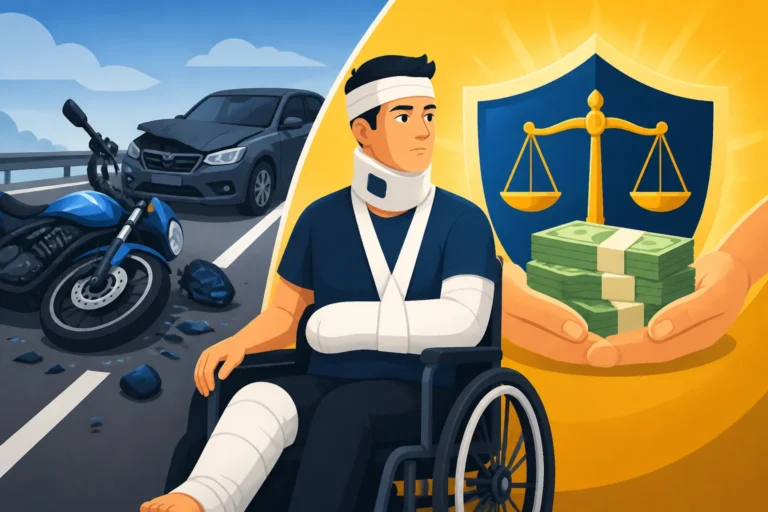
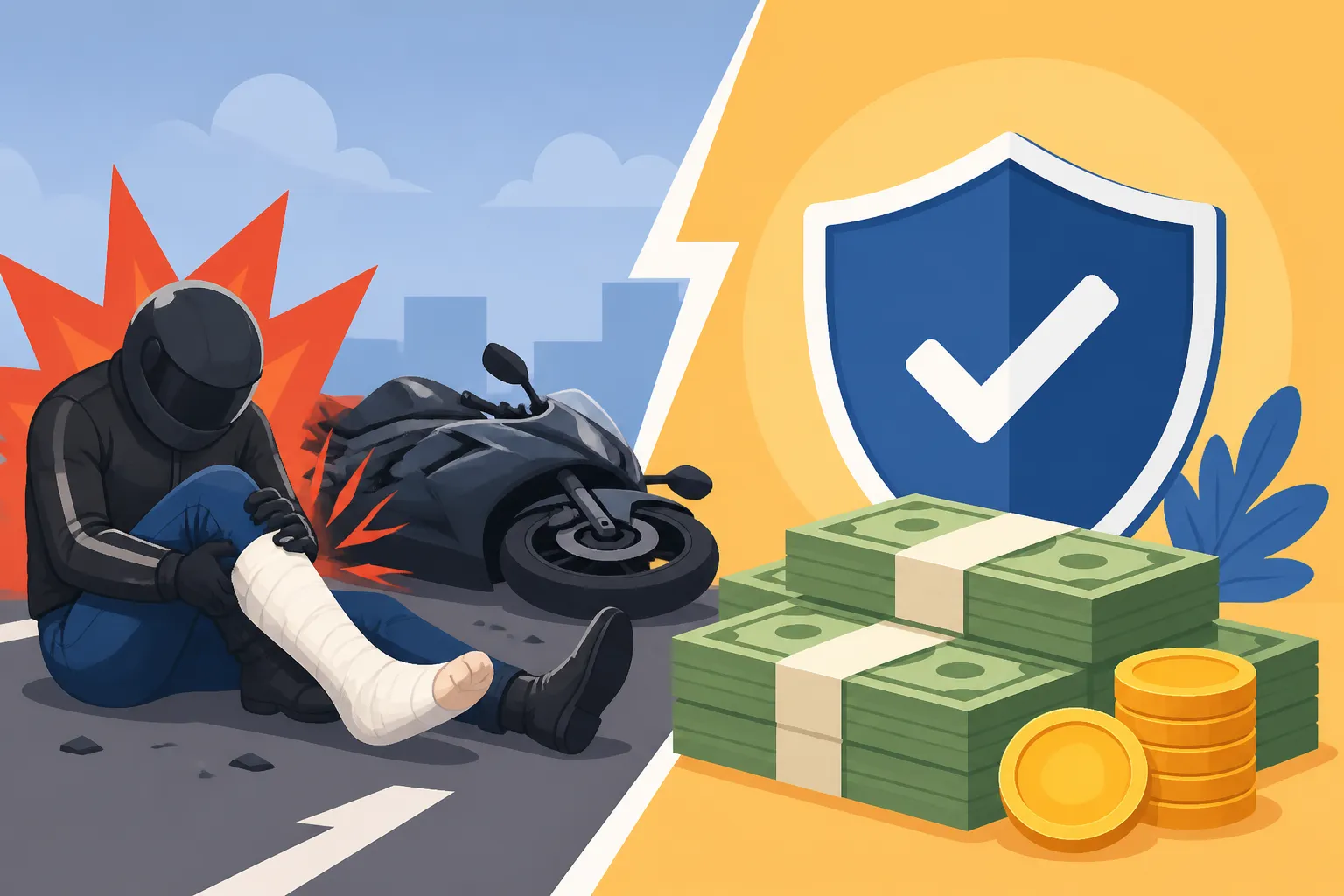
Experiencing a motorcycle accident is terrifying enough, but then you’re hit with the stark reality of a serious injury, like a broken bone. Beyond the agonizing pain and immediate medical crisis, a crushing financial burden often looms large. You’re probably wondering, "What is a fair settlement for a broken bone in a motorcycle accident?" It’s a completely valid question that keeps many riders up at night, especially when medical bills pile up and you can't work. This comprehensive guide will break down the complexities of motorcycle accident settlements involving broken bones, helping you understand what factors genuinely influence your potential payout and what you can do to protect your claim.
Understanding Motorcycle Accident Broken Bone Injuries
Motorcycle accidents, by their very nature, often result in more severe injuries compared to car accidents. Without the protective shell of a vehicle, riders are directly exposed to the forces of impact, making broken bones a tragically common occurrence. These aren't just minor cracks; we're often talking about life-altering fractures that require extensive medical intervention and long-term recovery.
Common Types of Fractures in Motorcycle Accidents
When a rider comes off their bike, especially at speed or in a collision with a larger vehicle, the impact can transfer immense force directly to their body. This often leads to fractures in various bones, each carrying its own level of severity and recovery challenges.
One of the most frequent sites for fractures is the leg, specifically the tibia and fibula. These long bones can suffer anything from simple breaks to highly complex comminuted fractures, where the bone shatters into multiple pieces. Imagine the impact of a car's bumper hitting your leg or your leg getting pinned under your bike – it's easy to see why these bones are so vulnerable. Often, these injuries require surgical intervention, such as internal fixation with rods, plates, and screws to stabilize the bone, a process that’s anything but simple. Similarly, femur fractures, the long bone in your thigh, are incredibly serious and often indicative of high-energy trauma, necessitating lengthy hospital stays and significant rehabilitation.
Beyond the lower extremities, arm fractures are also prevalent. The clavicle (collarbone) is particularly susceptible, often breaking when a rider attempts to brace for impact or is thrown over the handlebars. Wrist and forearm fractures, especially the radius and ulna, are also common when riders instinctively extend their arms to break a fall. These injuries can severely limit mobility and impact your ability to perform daily tasks, let alone ride again.
Rib fractures, though sometimes considered less severe, can lead to serious complications, including punctured lungs or internal bleeding, making breathing excruciating. Pelvic fractures are another extremely serious injury, often associated with internal organ damage and significant blood loss, requiring complex surgeries and a very long, difficult recovery period. Even vertebral fractures in the spine are a risk, potentially leading to paralysis or chronic pain, profoundly changing a rider’s life.
The Immediate and Long-Term Impact of a Broken Bone
The journey after a broken bone injury from a motorcycle accident is long and arduous, impacting every facet of your life. It starts with the immediate, searing pain at the scene, often followed by the chaos of emergency medical services, sirens, and the frantic ride to the nearest trauma center, like a Level I trauma center at Ryder Trauma Center in Miami or Cedars-Sinai in Los Angeles, known for handling severe cases.
Once there, you'll undergo a battery of tests – X-rays, CT scans, and possibly MRIs – to fully assess the damage. Many broken bones from motorcycle accidents aren't simple fixes. They often require emergency surgery to realign the bones, insert hardware like plates, screws, or rods, and address any associated soft tissue damage. Post-surgery, you're looking at weeks, if not months, in a cast or brace, followed by intensive physical therapy to regain strength, flexibility, and range of motion. This isn’t a quick fix; it’s a marathon of pain management, exercises, and countless appointments.
The long-term effects can be even more devastating. Chronic pain is a very real possibility, especially with complex fractures or those involving joints. Nerve damage, reduced mobility, and the development of post-traumatic arthritis are also common complications. Sometimes, despite the best medical care, a limb may never fully recover, leading to permanent disability or even the need for future surgeries, such as joint replacement. For some, the damage is so severe that amputation becomes the only option, irrevocably altering their life. The emotional and psychological toll, including post-traumatic stress disorder (PTSD), anxiety, and depression, is often overlooked but just as significant. These aren’t just physical injuries; they're an assault on your entire well-being.
Key Factors Influencing a Broken Bone Settlement
There isn't a single "average settlement" for a broken bone in a motorcycle accident because every case is unique, much like every rider's journey. What you can expect to recover is highly dependent on a constellation of factors, ranging from the severity of your injury to the intricacies of the legal and insurance landscape. Understanding these elements is crucial for setting realistic expectations and effectively pursuing your claim.
Severity of the Fracture and Medical Costs
The type and severity of your broken bone injury are, without a doubt, the primary drivers of your settlement value. A clean, simple fracture that heals quickly with minimal intervention will naturally yield a different settlement than a comminuted fracture requiring multiple surgeries, prolonged hospitalization, and years of rehabilitation.
Consider the contrast: a non-displaced wrist fracture that heals in a cast might incur a few thousand dollars in medical bills, a few weeks of lost work, and moderate pain. On the other hand, a shattered femur that requires immediate surgery with internal fixation, a lengthy hospital stay, weeks of non-weight bearing, and extensive physical therapy over many months, could easily rack up hundreds of thousands of dollars in medical expenses. This doesn't even account for potential future surgeries to remove hardware, address arthritis, or revise previous procedures. The more invasive the treatment, the longer the recovery, and the more extensive the medical bills, the higher the economic damages component of your settlement will be. This includes everything from ambulance rides and emergency room visits to specialist consultations, medications, and the long road of physical and occupational therapy. Estimating Future Medical Costs Explained is a critical component of any significant injury claim.
Impact on Your Life: Lost Wages and Pain and Suffering
Beyond the direct medical costs, how the broken bone impacts your ability to live your life is a huge factor. This includes both your financial capacity to earn a living and your ability to enjoy life itself.
If your broken bone prevents you from working, even temporarily, those lost wages become a significant part of your claim. For a rider who works in a physically demanding job, like construction or mechanics, a fractured limb could mean being out of commission for months, leading to substantial income loss. Even office workers might be sidelined by mobility issues or medication side effects. Calculating How Lost Wages Are Calculated involves not just your current income but also any lost earning capacity if your injury leads to a permanent disability that limits your future career prospects. It's about demonstrating the direct financial hit your injury has caused and will continue to cause.
Equally important, though harder to quantify, is the immense impact on your quality of life – commonly referred to as "pain and suffering." This encompasses not only the physical agony of the broken bone, surgery, and recovery but also the emotional distress, anxiety, depression, loss of enjoyment of hobbies (like riding!), and scarring or disfigurement. Imagine not being able to pick up your child, walk your dog, or even sleep comfortably for months on end. These are real, tangible losses, even if they don't come with a bill. Insurance companies use various methods, including the multiplier method, to assess these non-economic damages. You can learn more about How Pain And Suffering Are Calculated in a Motorcycle Claim to understand this crucial aspect.
Fault, Insurance, and Legal Representation
Even with severe injuries and sky-high damages, your ability to recover compensation hinges on proving fault and the available insurance coverage. In many motorcycle accidents, the "I didn't see the motorcycle" defense is common, but it's often the driver of the car who is primarily at fault due to negligence.
Establishing Who Is at Fault in a Motorcycle Accident is paramount. If you can clearly demonstrate that the other driver’s actions – like making a left turn in front of you, failing to yield, or distracted driving – caused your broken bone, your chances of a substantial settlement increase dramatically. However, if you are found to share some responsibility, a concept known as Comparative Negligence in Motorcycle Accidents comes into play. Depending on your state's laws (e.g., California's pure comparative negligence versus Texas's modified comparative negligence), your settlement could be reduced proportionally to your percentage of fault. This is where evidence collection, like photos from the scene, witness statements, and the police report, becomes vital. Learn more about How Fault Affects Your Settlement.
The at-fault driver's insurance policy limits are another critical factor. If your damages for a severely broken leg total $250,000, but the at-fault driver only carries the state minimum liability coverage of $25,000 (common in states like Florida), you might be left with a significant shortfall. This is where your own uninsured/underinsured motorist (UM/UIM) coverage becomes a lifeline, often allowing you to recover additional compensation from your own policy. Understanding How Insurance Policy Limits Affect Your Payout is crucial for any motorcycle accident claim. Dealing with How Insurance Companies Assign Blame to Riders can be a major challenge, as they often try to minimize their payout. This is why having an experienced motorcycle accident attorney on your side is almost always beneficial. They understand how to build a strong case, negotiate with adjusters, and pursue all available avenues for compensation, ultimately helping to Maximize Your Motorcycle Accident Settlement.
Calculating Your Potential Broken Bone Settlement Value
Determining a precise "average" for a broken bone settlement is incredibly difficult due to the wide range of variables involved. Instead, it’s more useful to think about the categories of damages that contribute to your overall compensation and how they are typically calculated. This breakdown provides a clearer picture of what you should be seeking in your claim.
Economic Damages: The Tangible Costs
Economic damages are the quantifiable financial losses directly resulting from your motorcycle accident and broken bone injury. These are often easier to calculate because they come with bills, invoices, and pay stubs.
- Medical Expenses: This is usually the largest component. It includes everything from the ambulance ride, emergency room treatment, diagnostic tests (X-rays, CTs, MRIs), hospital stays, surgical procedures (including anesthesia, surgeon's fees, and facility charges), post-operative care, specialist consultations (orthopedists, neurologists), prescription medications, assistive devices (crutches, wheelchairs), and importantly, all rehabilitation costs like physical therapy, occupational therapy, and chiropractic care. For severe fractures, ongoing medical care and even future surgeries are highly likely, and these must be meticulously projected.
- Lost Wages (Past and Future): This covers any income you’ve lost from being unable to work since the accident. It’s calculated based on your average earnings before the crash. Just as important is the loss of earning capacity – if your broken bone injury leaves you with a permanent disability that prevents you from returning to your old job or significantly reduces your earning potential in the future, this long-term financial impact is a critical part of your claim.
- Property Damage: While not directly related to your broken bone, the cost to repair or replace your damaged motorcycle, helmet, and other riding gear (like your jacket, boots, or specialized gloves) is a legitimate economic damage.
- Out-of-Pocket Expenses: Don't overlook the smaller costs that add up quickly. This can include mileage or transportation costs to medical appointments, parking fees, childcare expenses if you're incapacitated, necessary home modifications to accommodate your injury (e.g., grab bars, ramps), and over-the-counter pain relief.
Non-Economic Damages: The Intangible Costs
Non-economic damages address the profound, non-financial ways your life has been negatively impacted by the broken bone. These are subjective but absolutely crucial to a fair settlement.
- Pain and Suffering: This is the physical pain you endured, from the moment of impact through surgery, recovery, and ongoing rehabilitation. It also includes the chronic pain you might live with for months or even years. This isn't just a fleeting discomfort; it can be debilitating.
- Emotional Distress: Motorcycle accidents with broken bones are traumatic. Many riders experience severe anxiety, fear of riding again, depression, sleep disturbances, and even PTSD. The emotional toll of pain, loss of independence, and the uncertainty of recovery is immense.
- Loss of Enjoyment of Life: This accounts for your inability to participate in hobbies, recreational activities, or even simple daily pleasures that your injury prevents. If you loved riding, exercising, gardening, or playing with your kids, and now you can't, that loss is compensable.
- Scarring and Disfigurement: Many severe broken bone injuries, especially those requiring surgery, leave behind permanent scars. The psychological impact of visible scarring or a noticeable limp can be significant, leading to self-consciousness and emotional distress.
Insurance companies often use a "multiplier method" to estimate non-economic damages. This involves taking the total economic damages (medical bills, lost wages) and multiplying it by a number, typically between 1.5 and 5 (or even higher for very severe, catastrophic injuries). The multiplier chosen depends on the severity of your injuries, the clarity of fault, and the impact on your life. For instance, a complex femur fracture with multiple surgeries and long-term disability might warrant a higher multiplier than a simple wrist fracture that heals quickly.
Here's a simplified table to illustrate how different broken bones can impact typical costs and potential recovery scenarios, which then drives settlement discussions:
| Type of Broken Bone | Severity | Typical Medical Costs Range (Initial to Long-Term) | Recovery Time (Approx.) | Potential Impact on Life/Work |
|---|---|---|---|---|
| Clavicle (Collarbone) | Moderate | $5,000 – $30,000 (Surgery often needed) | 6-12 weeks | Limited arm use, difficulty lifting |
| Wrist (Radius/Ulna) | Moderate-Severe | $8,000 – $45,000 (Surgery common) | 8-24 weeks | Fine motor skill loss, impaired grip |
| Tibia/Fibula (Lower Leg) | Severe | $25,000 – $150,000+ (Surgery, extensive PT) | 4-12 months (or more) | Non-weight bearing, chronic pain, limp |
| Femur (Thigh Bone) | Catastrophic | $50,000 – $300,000+ (Multiple surgeries, long hospital stay) | 6-18 months (or more) | Significant mobility issues, long-term disability |
| Pelvis | Catastrophic | $75,000 – $400,000+ (Complex surgery, internal damage) | 6-24 months (or more) | Severe pain, mobility impairment, organ issues |
| Vertebrae (Spine) | Catastrophic | $100,000 – $1,000,000+ (Surgery, potential paralysis) | Years, potentially lifelong | Chronic pain, nerve damage, paralysis |
Note: These ranges are illustrative and can vary significantly based on individual circumstances, complications, and geographical location of treatment.
The Settlement Process for Broken Bone Claims
Navigating the aftermath of a motorcycle accident with a broken bone isn't just about healing; it's also about a complex legal and administrative journey to secure the compensation you deserve. This process can be overwhelming, especially when you're still recovering. Understanding the typical steps involved can help you prepare and protect your rights.
Initial Steps and Documentation
The moments immediately following a motorcycle accident are critical, not just for your health but also for the strength of your future claim. Your first priority, absolutely, is seeking immediate medical attention. Even if you feel okay after a crash, adrenaline can mask serious injuries like fractures or internal bleeding. Always get checked out by paramedics or go to the emergency room. This establishes a clear medical record linking your injuries to the accident, which is vital for proving your damages. This is one of the most important aspects of What to Do Immediately After a Motorcycle Accident.
Once stable, the documentation process begins. This includes taking photos of the accident scene, your motorcycle damage, any road hazards, and importantly, your visible injuries. Gather contact information from witnesses and the other driver. Get a copy of the police report, as it often provides an official account of the incident and preliminary fault findings. Keep meticulous records of all medical treatments, appointments, prescriptions, and any out-of-pocket expenses. Maintain a pain journal, noting your daily symptoms, limitations, and how your broken bone is impacting your life. This detailed record-keeping is invaluable for demonstrating the full extent of your damages, particularly for How to Document Injuries for a Claim and for illustrating your pain and suffering.
Negotiating with Insurance Companies
After your initial treatment, you'll inevitably be dealing with insurance adjusters. These individuals are trained professionals whose primary goal is to settle your claim for the lowest possible amount. They might seem friendly and sympathetic, but remember they represent the insurance company's bottom line, not your best interests. They will scrutinize every detail of your case, often looking for ways to minimize your injuries or assign partial fault to you, which can significantly reduce your payout.
They might offer a quick, lowball settlement, especially if you're still early in your recovery and your full medical costs aren't yet known. This is a tactic to get you to sign a release before you understand the true extent of your injuries and future needs. It's often recommended not to settle your claim until you've reached Maximum Medical Improvement (MMI), meaning your doctors believe your condition is stable and unlikely to improve further. Only then can your medical team accurately assess your prognosis, long-term care needs, and any permanent impairments, giving you a clearer picture of your total damages. This is also where you'll need to know How to Handle a Lowball Settlement Offer.
This negotiation phase is where an experienced motorcycle accident attorney truly shines. They understand the tactics insurance companies employ and can counter their arguments with medical evidence, expert opinions, and legal precedents. Your attorney will build a comprehensive demand package outlining all your economic and non-economic damages, backed by strong evidence. They will then engage in extensive negotiations, working to secure a fair settlement that fully compensates you for your broken bone injuries. An attorney can effectively manage How to Negotiate a Motorcycle Accident Settlement, protecting you from being taken advantage of during a vulnerable time.
When a Lawsuit Becomes Necessary
Sometimes, despite robust negotiation efforts, the insurance company simply refuses to offer a fair settlement that adequately covers your broken bone injuries and losses. In such cases, your attorney may advise filing a personal injury lawsuit. This doesn't automatically mean you're going to trial; most lawsuits settle before ever reaching a courtroom.
Filing a lawsuit initiates a more formal legal process, including discovery, where both sides exchange information and evidence. This can involve written questions (interrogatories), requests for documents, and depositions (sworn out-of-court testimonies). During this phase, your attorney might bring in expert witnesses, such as accident reconstructionists to prove fault or medical experts to detail the long-term impact of your broken bone and project future medical costs.
Often, before a trial, the parties will engage in mediation, a facilitated negotiation session with a neutral third party. Mediation is often successful in reaching a settlement, as it allows both sides to frankly discuss the strengths and weaknesses of their cases in a less adversarial setting than a courtroom. However, if all attempts at settlement fail, your case would proceed to trial, where a judge or jury would ultimately decide fault and the amount of compensation you receive. While trials can be lengthy and unpredictable, a willingness to go to court often gives you more leverage in negotiations. Understanding the difference between a Motorcycle Accident Settlement vs Trial is important for making informed decisions about your claim.
Disclaimer
Please remember that the information provided in this article is for general informational purposes only and does not constitute legal advice. Every motorcycle accident claim is unique, and the outcome depends heavily on specific facts, applicable laws in your jurisdiction, and the details of your insurance policies. You should consult with a qualified motorcycle accident attorney to discuss your individual situation and receive personalized legal guidance.