Motorcycle Knee Injury: Treatment and Long-Term Impact
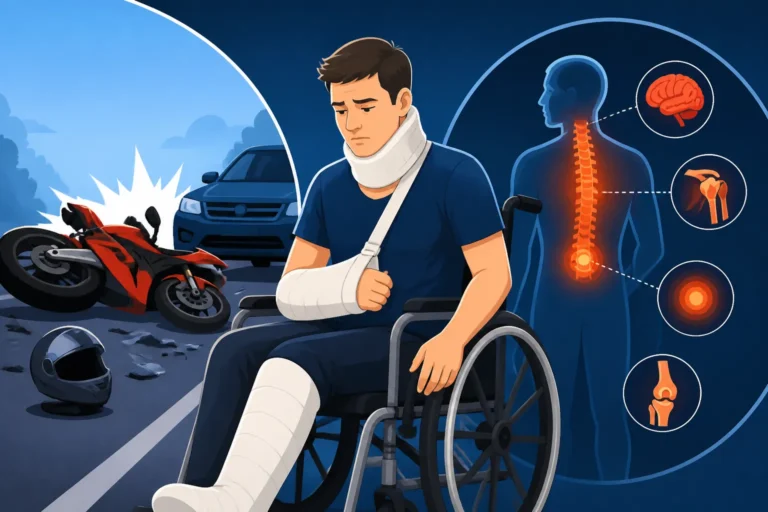
Riding a motorcycle offers unparalleled freedom, but it also comes with inherent risks, and among the most devastating consequences of an accident can be a severe knee injury. The sudden impact, twisting forces, and direct trauma often experienced in a motorcycle crash can leave riders with significant damage to one of the body's most complex and vital joints. This comprehensive guide will walk you through the common types of motorcycle knee injuries, the spectrum of available treatments, and the often-challenging long-term impacts, helping you understand what to expect on your road to recovery.
Understanding Motorcycle Knee Injuries
When you go down on a motorcycle, your knees are incredibly vulnerable. They're often the first point of contact with the road or another vehicle, absorbing immense force. The complex structure of the knee, with its intricate network of bones, ligaments, tendons, and cartilage, means there are many ways it can be damaged. It's not just a simple break; you could be looking at a whole host of issues that profoundly impact your ability to walk, stand, and even enjoy simple daily activities.
Common Types of Knee Injuries
The knee is a marvel of biomechanical engineering, but that complexity also means it's susceptible to a wide range of injuries during a high-impact event like a motorcycle accident. We often think of broken bones, but the soft tissues are just as, if not more, vulnerable.
Ligament tears are incredibly common. The knee has four major ligaments: the anterior cruciate ligament (ACL), posterior cruciate ligament (PCL), medial collateral ligament (MCL), and lateral collateral ligament (LCL). A sudden twisting motion, often as the leg gets pinned or hyperextended, can easily tear one or more of these crucial stabilizing structures. An ACL tear, for instance, is notorious for requiring extensive surgery and a long, arduous recovery period, often leaving athletes sidelined for a year or more. Imagine that impact on your daily life, let alone getting back on two wheels. Similarly, a severe PCL tear can lead to instability and chronic pain, sometimes even more difficult to treat than an ACL injury due to its location.
Fractures around the knee are another major concern. This includes fractures to the patella (kneecap), the femur (thigh bone) near the knee, or the tibia (shin bone) at the knee joint itself, known as a tibial plateau fracture. A direct blow to the kneecap can shatter it, requiring reconstructive surgery. Tibial plateau fractures are particularly nasty because they involve the weight-bearing surface of the joint. If this surface isn't perfectly realigned, it can lead to lifelong issues with arthritis and chronic pain. Sometimes, even the fibula, the smaller bone next to the tibia, can fracture, complicating recovery.
Beyond ligaments and bones, the meniscus, a C-shaped piece of cartilage that acts as a shock absorber, is frequently damaged. A meniscal tear can cause clicking, locking, pain, and swelling. These tears can sometimes be repaired, but often a portion of the meniscus must be removed, which increases the risk of developing osteoarthritis down the line. Tendon injuries, like patellar tendon tears or quadriceps tendon tears, can also occur, severely impacting your ability to straighten your leg and bear weight. These require surgical repair and a lengthy period of immobilization and physical therapy.
Why Knee Injuries Are So Prevalent in Motorcycle Accidents
It's not just bad luck that riders often suffer knee injuries; it's a fundamental aspect of how motorcycle accidents unfold. Unlike being in a car, where you're surrounded by a protective cage of steel, a motorcycle offers virtually no structural protection. When a rider is ejected, thrown, or pinned, the lower extremities, particularly the knees, are directly exposed to the blunt force of impact, crushing injuries, or severe twisting.
Think about a common scenario: a car making a left turn in front of a motorcycle. In many of these Motorcycle Accidents Caused by Left-Turn Collisions, the rider's bike is impacted on the side, and the rider's leg, often extended to brace for impact or caught under the bike, takes the brunt of the collision. This can lead to devastating crushing injuries, avulsion fractures where ligaments or tendons pull off a piece of bone, or severe dislocations. The forces involved are immense, far exceeding what the delicate structures of the knee are designed to withstand.
Another factor is the sliding impact. Even if you're wearing protective gear, a slide across asphalt at speed generates incredible friction and grinding forces. This can lead to severe road rash that extends deep into the joint, potentially introducing infection, and can also contribute to fractures or dislocations as the knee twists and grinds against the road surface. Sometimes the bike itself, weighing hundreds of pounds, can land on the rider's leg, causing crushing injuries that combine fractures, ligament damage, and soft tissue trauma all at once. The exposed nature of riding, while exhilarating, sadly means the knees are right in the line of fire when things go wrong.
Immediate Symptoms and Diagnosis
Immediately following a motorcycle accident, it can be incredibly difficult to assess the full extent of a knee injury due to adrenaline and shock. However, recognizing key symptoms and seeking prompt medical attention are crucial steps. The first thing you'll likely notice is intense pain, often sharp and localized around the knee. This pain might make it impossible to put any weight on the affected leg or even move it at all. Swelling usually begins fairly quickly, sometimes within minutes, and can be quite dramatic as blood and fluid accumulate within the joint capsule.
You might also experience an audible "pop" at the time of injury, which is a classic sign of a torn ligament, particularly the ACL. Instability, feeling like your knee is going to give out, or a sense of "looseness" is another tell-tale sign of ligament damage. If your knee looks deformed or out of place, that's an emergency situation indicating a dislocation, which requires immediate medical intervention to reduce the joint and prevent further damage to nerves and blood vessels. Sometimes, you might feel a catching or locking sensation, suggesting a meniscal tear or a loose body within the joint.
Upon arrival at the emergency room or urgent care, doctors will perform a thorough physical examination. This involves gently probing and manipulating the knee to test for stability, range of motion, and specific ligament integrity. Don't be surprised if this is uncomfortable; they need to understand what's damaged. Imaging tests are essential for diagnosis. X-rays are typically the first step to check for fractures, though they don't show soft tissues. For a definitive diagnosis of ligament, tendon, or meniscal tears, an MRI (Magnetic Resonance Imaging) is almost always required. This advanced imaging provides detailed pictures of soft tissues, allowing doctors to pinpoint the exact nature and severity of the injury. It’s important to seek treatment right away, as Why You Should Seek Immediate Treatment is critical for both your health and your potential claim.
Treatment Options for Motorcycle Knee Injuries
The path to recovery from a motorcycle knee injury is rarely straightforward and often involves a combination of different treatments tailored to the specific type and severity of the damage. There’s no one-size-fits-all solution, and your treatment plan will be highly individualized, guided by orthopedic specialists who understand the complexities of the knee. The goal is always to restore as much function, stability, and pain-free movement as possible, but it can be a long haul.
Non-Surgical Approaches
For some knee injuries, particularly less severe ligament sprains (like grade 1 or 2 MCL tears) or small meniscal tears that don't cause mechanical symptoms like locking, non-surgical treatment might be the first line of defense. The RICE protocol – Rest, Ice, Compression, and Elevation – is fundamental in the initial stages to reduce swelling and pain. Resting the knee means avoiding activities that aggravate it, sometimes requiring crutches to stay non-weight-bearing. Ice helps with inflammation, compression bandages or sleeves reduce swelling, and elevating the leg above the heart helps drain fluid.
Pain management is also crucial, often involving over-the-counter anti-inflammatory medications like ibuprofen or naproxen. In some cases, stronger prescription pain relievers may be necessary, especially in the immediate aftermath of the injury. A knee brace can provide external support and stability, protecting the injured structures as they heal and preventing further damage. These braces can range from simple sleeves to more rigid, hinged designs.
Physical therapy is arguably the most vital component of non-surgical recovery. A skilled physical therapist will guide you through a personalized exercise program designed to reduce pain, decrease swelling, improve range of motion, and strengthen the muscles around the knee (quadriceps, hamstrings, and calves). Strengthening these muscles helps to compensate for any ligamentous laxity and improves overall knee stability. This isn't just a few weeks of exercise; it can be months of dedicated work, and consistency is key to regaining strength and function. Without proper rehabilitation, even minor injuries can lead to chronic issues.
Surgical Interventions
Many severe motorcycle knee injuries, however, will necessitate surgical repair or reconstruction to fully restore function and stability. For example, a complete tear of the ACL or a complex meniscal tear often requires surgery. ACL reconstruction typically involves replacing the torn ligament with a graft taken from another part of your body (autograft) or from a donor (allograft). This is a major surgery, and while the techniques have improved dramatically, it still entails a significant recovery period. Similarly, severely damaged or shattered patellas or complex tibial plateau fractures often require open reduction and internal fixation (ORIF), where the bone fragments are surgically realigned and held in place with plates, screws, or pins.
Meniscal tears, depending on their type and location, might be repaired by stitching the torn edges back together, or a damaged portion might be trimmed away (meniscectomy). While meniscectomy has a shorter recovery, it removes valuable shock-absorbing tissue, increasing the risk of future arthritis. Tendon tears, like a ruptured patellar tendon, also require surgical reattachment to restore the ability to straighten the leg. The decision for surgery is usually made after careful consideration of the injury's extent, your activity level, and your long-term goals. Your orthopedic surgeon will discuss the pros and cons, explaining the specific procedure, potential risks, and the projected recovery timeline. The process of How Medical Records Support Your Claim will be extremely important in documenting the need for these complex procedures.
Rehabilitation and Physical Therapy
Whether your treatment is surgical or non-surgical, rehabilitation and physical therapy are absolutely non-negotiable for a successful recovery from a motorcycle knee injury. This isn't just about getting back to normal; it's about preventing long-term complications and regaining your quality of life. Rehabilitation typically begins very soon after injury or surgery, sometimes even within days.
The early phases focus on pain and swelling control, gentle range of motion exercises to prevent stiffness, and activating muscles that might have "shut down" due to pain or immobilization. As healing progresses, the therapist will introduce progressive strengthening exercises, starting with low-impact activities and gradually advancing to more challenging resistance training. This includes exercises targeting the quadriceps, hamstrings, glutes, and calf muscles to create a strong, stable foundation around the knee. Balance and proprioception (your body's sense of its position in space) training are also critical, especially after ligamentous injuries, to re-educate the joint and improve stability during movement.
Later stages of rehabilitation often involve functional training, mimicking movements you need for daily activities, hobbies, and eventually, if appropriate, sports or even riding again. This might include walking drills, stair climbing, squatting, and eventually agility exercises. The entire process requires immense dedication, patience, and consistency. It’s not uncommon for physical therapy to last for many months, sometimes even a year or more, especially after major surgeries like ACL reconstruction or complex fracture repairs. During this time, documenting your progress and any setbacks is important. Keeping an How to Keep an Injury Journal can be immensely helpful, not only for your recovery but also for any ongoing legal claim.
Long-Term Impact and Recovery
The journey to recover from a motorcycle knee injury rarely ends when the cast comes off or physical therapy sessions conclude. For many riders, these injuries can leave a lasting legacy, impacting their physical capabilities, emotional well-being, and even their financial stability for years, if not a lifetime. Understanding these potential long-term effects is crucial for setting realistic expectations and advocating for comprehensive care and compensation.
Chronic Pain and Mobility Challenges
One of the most disheartening long-term impacts of a severe knee injury is chronic pain. Even after surgery and extensive physical therapy, persistent aches, stiffness, or sharp pains can become a daily reality. This can be due to residual nerve damage, ongoing inflammation, or the altered biomechanics of the joint. Imagine trying to sleep with a constant dull ache in your knee, or experiencing sharp pain with every step. This isn't just uncomfortable; it can be debilitating, affecting everything from your mood to your ability to work.
Mobility challenges often go hand-in-hand with chronic pain. You might find your knee doesn't bend or straighten as fully as it used to, or that it clicks, catches, or feels unstable. Simple activities like walking long distances, climbing stairs, or kneeling become difficult, if not impossible. For riders, this can mean a permanent inability to get back on the bike, or at least a significant reduction in riding endurance and confidence. Even driving a car can become painful, especially if it involves frequent use of the affected leg for pedals. This loss of mobility isn't just physical; it restricts your participation in hobbies, social events, and recreational activities, leading to a profound impact on your quality of life.
The struggle with chronic pain and limited mobility can be an ongoing battle, requiring continuous management, possibly including periodic injections, medication, or even further surgical interventions down the line. It's a stark reminder that while a body part can be "fixed," it may never truly return to its pre-injury state. This persistent struggle directly affects What Affects Your Motorcycle Accident Payout, as these lasting impacts contribute significantly to your overall damages.
Potential for Secondary Conditions and Arthritis
Beyond the immediate symptoms of the original injury, a significant long-term concern for severe knee injuries is the increased risk of developing secondary conditions, most notably osteoarthritis. When the delicate cartilage within the knee joint is damaged, or if the alignment of the joint is altered, even subtly, the smooth gliding surfaces can begin to wear down prematurely. This degenerative process is known as post-traumatic arthritis, and it can manifest years, or even decades, after the initial injury.
Osteoarthritis causes progressive pain, stiffness, and reduced mobility as the cartilage erodes and bone rubs against bone. It can lead to bone spurs, inflammation, and further damage to the joint. For many motorcycle accident survivors with knee injuries, this means facing the prospect of total knee replacement surgery later in life, often at a much younger age than someone without such a traumatic injury history. A knee replacement is a major surgery with its own recovery period and potential complications, adding another layer of physical and financial burden.
Other secondary conditions can include chronic swelling, patellofemoral pain syndrome (pain around the kneecap), or even conditions in other parts of the body as you compensate for your injured knee. For example, limping or favoring one leg can put undue stress on the hip, ankle, or even the lower back, leading to new aches and pains. This ripple effect underscores just how interconnected our bodies are and how a single severe injury can cascade into multiple problems over time.
Emotional and Financial Ramifications
The long-term impact of a severe knee injury isn't solely physical; it takes a significant toll on your mental and emotional well-being, as well as your financial stability. Dealing with chronic pain, limited mobility, and the frustration of not being able to do the things you once loved can lead to a range of emotional struggles, including depression, anxiety, and post-traumatic stress disorder (PTSD). Many riders identify strongly with their ability to ride, and the loss of this freedom can be devastating. The recovery process itself is mentally exhausting, filled with setbacks and the constant effort of physical therapy.
Financially, the burden can be immense. Even with health insurance, medical bills pile up rapidly, covering surgeries, medications, physical therapy sessions, durable medical equipment, and potentially future surgeries like knee replacements. If your injury prevents you from working, or forces you into a less physically demanding (and often lower-paying) job, the loss of income can be catastrophic. You might face How Lost Earning Capacity Are Calculated in a Motorcycle Claim due to permanent disability. Add to this the cost of transportation to appointments, home modifications if mobility is severely restricted, and potentially hiring help for household tasks you can no longer perform, and the financial strain becomes overwhelming.
This combination of physical pain, emotional distress, and financial pressure can create a vicious cycle, making recovery even harder. It's why fully understanding all Types of Damages in a Motorcycle Accident Claim – both economic and non-economic – is crucial when pursuing a claim. These long-term effects must be accounted for to ensure you receive a settlement that truly reflects the full scope of your losses and future needs.
Navigating Your Claim with a Knee Injury
If you've suffered a knee injury in a motorcycle accident that wasn't your fault, navigating the insurance claim process can feel like another uphill battle, especially when you're already focused on recovery. Insurance companies are often skeptical of motorcycle claims due to Rider Bias in Fault Determination, and they will try to minimize your injuries and settlement amount. This is where a thorough understanding of the process and robust documentation becomes paramount.
Documenting Your Knee Injury
Comprehensive documentation is the bedrock of a strong motorcycle accident claim, especially when dealing with complex injuries like those to the knee. From the moment of the accident, every step you take should be recorded. This starts with immediate medical attention. Do not delay seeing a doctor, even if you feel okay at first. Delayed Symptoms After a Motorcycle Crash are common, and a gap in treatment can be used by insurers to argue your injury wasn't caused by the accident. Every visit to the ER, orthopedic specialist, physical therapist, and any other medical professional should generate records that detail your diagnosis, treatment plan, symptoms, and limitations.
Beyond medical records, keep a detailed injury journal. This journal should chronicle your daily pain levels, how your injury impacts your ability to perform daily tasks, your emotional state, and any limitations on your hobbies or work. For example, "Couldn't bend my knee enough to get into my truck today," or "Sharp pain when trying to stand for more than 10 minutes." Take photographs of any visible swelling, bruising, or scars. If you're using crutches or a brace, photograph that too. These visual aids can powerfully convey the reality of your injury.
Gathering evidence also includes financial records: all medical bills, receipts for prescription medications, assistive devices, and any out-of-pocket expenses related to your injury. If you've missed work, collect documentation of lost wages from your employer. This meticulous record-keeping paints a clear picture of the physical, emotional, and financial toll your knee injury has taken, providing undeniable evidence for your claim. This is essential for Motorcycle Accident Evidence for Proving Fault and damages.
How Knee Injuries Affect Settlement Value
The severity and long-term implications of a motorcycle knee injury significantly impact the potential settlement value of your claim. Generally, more severe injuries that require extensive medical treatment, cause permanent disability, or lead to chronic pain will result in higher settlements. Insurance companies and juries look at both "economic" and "non-economic" damages when determining compensation.
Economic damages are quantifiable financial losses, such as past and future medical expenses (including potential future surgeries like knee replacements), lost wages, and loss of future earning capacity if your injury prevents you from returning to your previous job. For example, if a severe tibial plateau fracture means you can no longer work in construction, the loss of your lifetime earnings will be a major component of your claim.
Non-economic damages are harder to quantify but just as real. These include pain and suffering, emotional distress, loss of enjoyment of life, and disfigurement. A chronic, painful knee injury that prevents you from riding, playing with your kids, or enjoying outdoor activities has a profound impact on your quality of life, and this must be compensated. Insurance adjusters often use formulas, like the "multiplier method," to estimate pain and suffering, where they multiply your economic damages by a factor (usually 1.5 to 5, depending on injury severity). A major knee injury with long-term consequences would warrant a higher multiplier. Understanding How Motorcycle Accident Settlements Are Calculated is crucial.
Keep in mind that factors like your own percentage of fault (if any, under Comparative Negligence in Motorcycle Accidents) and the at-fault driver's insurance policy limits can also affect your final payout. Navigating these complexities and ensuring all damages, especially future and non-economic ones, are adequately represented usually requires the expertise of an experienced motorcycle accident attorney who understands the true, lasting impact of severe knee injuries.
Disclaimer
Please remember that this article is intended for informational purposes only and should not be taken as legal or medical advice. Every motorcycle accident and injury is unique. It is crucial to consult with qualified medical professionals for diagnosis and treatment, and to speak with an experienced motorcycle accident attorney to discuss the specifics of your case and understand your legal options.