How to Value Pain and Suffering
After a motorcycle accident, you're not just dealing with medical bills and bike repairs; you're often grappling with a profound level of physical discomfort, emotional distress, and a complete upheaval of your daily life. It's incredibly frustrating to know you're suffering, but then be asked to put a dollar amount on something as intangible as "pain and suffering." This guide is here to walk you through exactly how pain and suffering are valued in a motorcycle accident claim, helping you understand the process and what you can do to ensure your suffering is fairly recognized.
Understanding Pain and Suffering in a Motorcycle Accident Claim
When you've been in a motorcycle accident, the damages you can claim typically fall into two main categories: economic and non-economic. Economic damages are the easy ones to quantify because they come with receipts and invoices – things like medical bills, lost wages, and property damage. But then there are the non-economic damages, and that's where "pain and suffering" lives. These are the less tangible, yet often more devastating, consequences of your accident that don't have a direct monetary cost.
It’s crucial to understand that while pain and suffering don't come with a price tag, they are a very real and often significant component of your overall claim. Ignoring or downplaying these aspects can leave you with a settlement that doesn't truly reflect the full impact the accident has had on your life. The entire legal and insurance system has developed ways, however imperfect, to assign a value to these experiences.
What Falls Under "Pain and Suffering"?
The term "pain and suffering" is actually a broad umbrella encompassing a wide range of physical and emotional tolls. It's not just about the ache in your broken bones, though that's certainly part of it. It includes all the ways your life has been negatively altered since the crash.
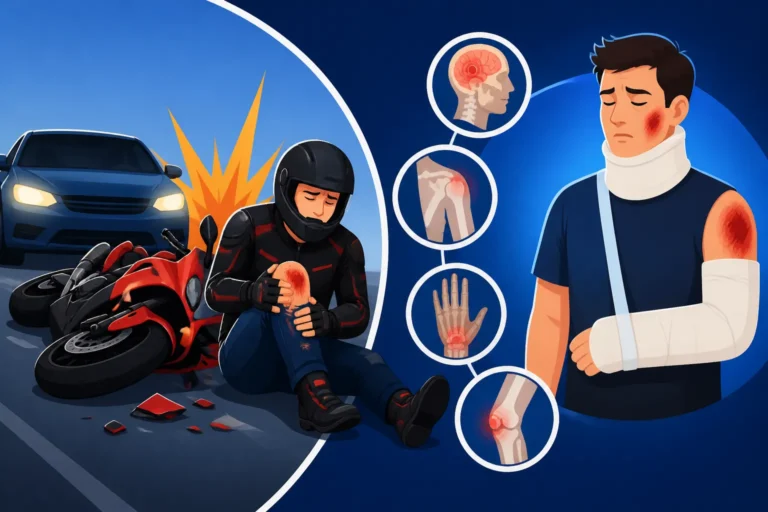
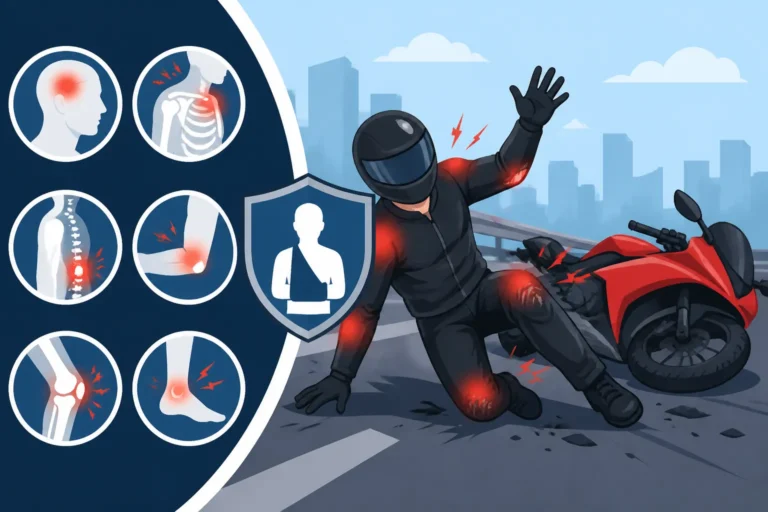
On the physical side, this includes the actual bodily pain you've endured from your injuries, the discomfort of medical treatments like surgeries or physical therapy, and any chronic pain you might be facing long-term. For example, if you sustained a serious case of road rash, the initial excruciating pain, the daily wound care, and the itching during healing all fall under physical suffering. Similarly, if you suffered Motorcycle Broken Bones Claims and Compensation or a Motorcycle Spinal Cord Injury Claims and Compensation, the constant pain, the limited mobility, and the daily struggles become part of this calculation.
Emotionally, the scope is even wider. This can involve anxiety, fear (especially of riding again or even just being on the road), depression, anger, frustration, and even post-traumatic stress disorder (PTSD). Imagine waking up in a cold sweat reliving the moment of impact, or feeling unable to enjoy hobbies you once loved because of persistent pain or fear. This also covers things like loss of enjoyment of life, meaning your inability to partake in activities, hobbies, or social engagements you once cherished. If you can no longer ride your bike, play with your kids, or perform tasks around your home, that loss of enjoyment and independence contributes significantly to your suffering.
Why It's So Hard to Quantify
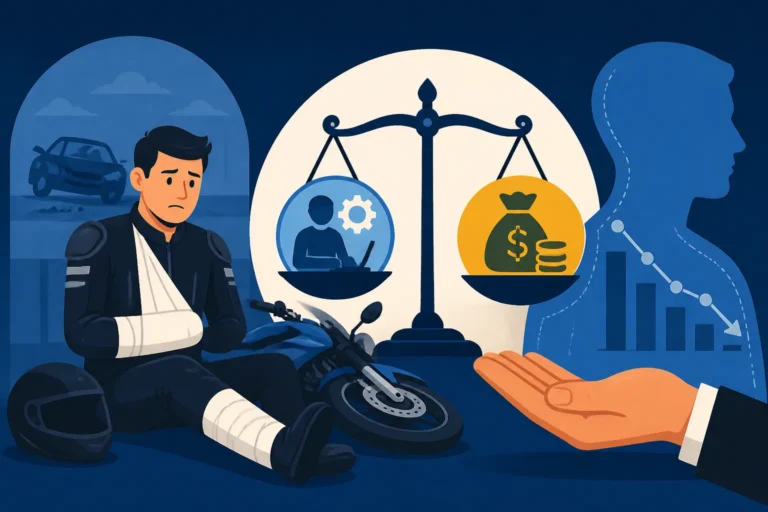
Trying to put a number on your pain and suffering can feel like an impossible task. Unlike a mechanic's bill for your damaged motorcycle, there's no fixed rate for how much a week of severe back pain costs, or the emotional anguish of losing your independence. This subjectivity is precisely why insurance companies often try to minimize these damages, and why you need a clear strategy to articulate the true impact of your injuries.
The challenge lies in translating a deeply personal and internal experience into a financial figure that a jury, or an insurance adjuster, can understand and accept. It requires demonstrating not just that you are in pain, but how that pain affects every facet of your existence. This is where meticulous documentation and compelling storytelling become paramount, helping to bridge the gap between your subjective experience and an objective financial valuation. It’s not about being dramatic; it’s about being precise in describing your reality.
Methods Insurance Companies and Courts Use to Value Pain and Suffering
Since pain and suffering don't come with an itemized bill, insurance companies and courts rely on a few common methods to calculate their value. It's important to remember these are guidelines, not rigid formulas, and the final number will always be subject to negotiation and the specific details of your case. Understanding these methods can help you see how your claim is being evaluated.
Knowing these valuation techniques also gives you insight into how to gather and present your evidence. If you know an adjuster is going to apply a multiplier, you'll want to ensure that all your Economic vs Non-Economic Damages Explained are fully documented, as they form the base for that calculation.
The Multiplier Method
Perhaps the most commonly known method, the multiplier method involves taking the total amount of your economic damages (medical bills, lost wages, property damage, etc.) and multiplying it by a number, typically between 1.5 and 5. Sometimes, in cases of severe or catastrophic injuries, this multiplier can go even higher.
Here's how it generally works: If your total economic damages come to, say, $50,000, and the adjuster or jury assigns a multiplier of 3, your pain and suffering would be valued at $150,000. This $150,000 would then be added to your $50,000 in economic damages for a total claim value of $200,000. The specific multiplier chosen depends heavily on the severity of your injuries, the permanency of those injuries, the impact on your daily life, and the duration of your recovery. A minor injury that heals quickly might warrant a 1.5 multiplier, while a permanent disability or a Motorcycle Traumatic Brain Injury Claims and Compensation might justify a 4 or 5 multiplier. Factors like chronic pain, disfigurement, or significant emotional trauma will also push that multiplier higher.
The Per Diem Method
Another method, less frequently used for long-term or severe injuries but sometimes applied in cases with a clear recovery period, is the per diem (Latin for "by the day") method. With this approach, a specific dollar amount is assigned to each day you suffered from the accident, starting from the date of the injury until you reach what's called Maximum Medical Improvement (MMI). MMI is the point where your medical condition has stabilized, and further improvement is not reasonably expected, even with continued treatment.
For example, if a daily rate of $200 is assigned, and you suffered for 100 days until you reached MMI, your pain and suffering would be valued at $20,000. The daily rate itself is often determined by considering your daily lost wages or a similar metric, aiming to represent the daily value of your suffering. This method tends to be more straightforward but can be less effective in capturing the long-term impact of severe, lasting injuries or significant emotional distress that continues well past the physical healing process.
Factors Influencing the Multiplier or Daily Rate
No matter which method is applied, several key factors profoundly influence the final valuation of your pain and suffering. These are the elements that you and your legal team will need to emphasize to build a strong case.
- Injury Severity: This is perhaps the most significant factor. Severe injuries, like those requiring extensive surgery, hospitalization, or leading to permanent impairment, will generally command a higher multiplier or daily rate. Think about the difference between a minor bruise and a catastrophic injury like a Motorcycle Amputation Claims and Compensation.
- Permanency of Injuries: If your injuries are expected to cause permanent limitations, chronic pain, or long-term disability, this drastically increases the value. A permanent limp, ongoing nerve damage, or persistent emotional distress from PTSD After a Motorcycle Accident will carry much more weight than injuries that fully resolve.
- Impact on Daily Life: How have your injuries affected your ability to work, perform household chores, engage in hobbies, or enjoy relationships? Losing your ability to ride your motorcycle, run marathons, or even sleep comfortably significantly impacts your quality of life and directly contributes to your pain and suffering.
- Medical Treatment: The type, duration, and intensity of your medical treatment also play a role. Extensive physical therapy, multiple surgeries, and ongoing prescription medication demonstrate a higher level of suffering and the need for continuous care.
- Age of the Injured Rider: Younger individuals with permanent injuries may receive higher settlements for pain and suffering because they will have to endure the consequences of their injuries for a longer period of their lives. A 25-year-old facing lifelong pain is seen as having lost more years of quality life than a 70-year-old with the same injury.
- Emotional and Psychological Impact: Documented emotional distress, anxiety, depression, or PTSD directly resulting from the accident significantly adds to the pain and suffering component. Therapy records and psychological evaluations can provide powerful evidence.
The interplay of these factors is complex. For instance, a broken leg might have a higher multiplier if it leads to permanent mobility issues and impacts your livelihood, compared to a clean break that heals completely with no lasting effects.
Here's a quick comparison of the two main valuation methods:
| Feature | Multiplier Method | Per Diem Method |
|---|---|---|
| How It Works | Multiplies economic damages by a factor (1.5-5+) | Assigns a daily rate for each day of suffering |
| Base Calculation | Total economic damages (medical, lost wages, etc.) | Number of days from injury to MMI |
| Best For | Severe, long-term, or permanent injuries | Injuries with a clear, finite recovery period |
| Factors Influencing | Injury severity, permanency, emotional impact | Daily lost wages, daily pain experience |
| Flexibility | More adaptable to severe, complex cases | Less adaptable to long-term or intangible suffering |
| Common Use | Widely used by insurers and courts | Less common, often supplemental or for minor cases |
Documenting Your Pain and Suffering for a Stronger Claim
Since pain and suffering are subjective, proving their extent often requires a proactive and detailed approach to documentation. You can't just tell an insurance company you're in pain; you need to show them. This means creating a clear, consistent, and comprehensive record of how your injuries have impacted your life. The better your documentation, the harder it is for an insurer to dismiss your claim.
Remember, the insurance company isn't on your side, and they will always look for reasons to reduce your payout. Thorough documentation directly counters their attempts to downplay your suffering. This proactive approach not only helps your claim but also allows you to focus on healing without constantly worrying about remembering every detail later.
Thorough Medical Documentation
Your medical records are the bedrock of any personal injury claim, and they are absolutely critical for establishing the severity and legitimacy of your pain and suffering. It's not enough to just see a doctor once; consistent and detailed medical documentation is vital.
Ensure you seek immediate medical attention after the accident, even if you feel okay at first. Many injuries, like Motorcycle Internal Injuries Claims and Compensation or Delayed Symptoms After a Motorcycle Crash, might not manifest immediately. Every doctor's visit, every diagnosis, every prescribed treatment, and every recommendation for follow-up care needs to be recorded. Make sure your doctors fully document your complaints of pain, discomfort, and any emotional distress you express. Don't just say "my back hurts"; describe the intensity, the type of pain (sharp, dull, throbbing), what makes it worse or better, and how it limits your activities. If your doctor suggests physical therapy or specialists, follow through and ensure those records are part of your file. Gaps in treatment can be used by insurance companies to argue that your injuries weren't as severe or that your pain isn't ongoing. These records help prove How to Document Injuries for a Claim.
Keeping a Detailed Pain Journal
Beyond official medical records, one of the most powerful tools you have is a personal pain journal. This is where you document, in your own words, the day-to-day reality of your suffering. Start writing in it as soon as possible after the accident and continue regularly throughout your recovery.
In your journal, include:
- Daily Pain Levels: Rate your pain on a scale of 1-10.
- Specific Symptoms: Describe the nature of your pain, where it is, and if it radiates. Detail any numbness, tingling, weakness, or other physical symptoms.
- Impact on Daily Activities: Note what you can't do anymore or what you struggle with. Did you miss work? Could you not pick up your child? Were you unable to cook a meal? Did you have trouble sleeping? Did you miss out on social events?
- Emotional State: Document feelings of frustration, sadness, anger, fear, anxiety, or depression. Note if you're having trouble concentrating or remembering things.
- Treatment Details: Briefly mention any medications you took, their effectiveness, and any side effects. Record details of physical therapy or other treatments and how you felt afterward.
- Witness Observations: Note any comments from family or friends about changes in your demeanor or ability to do things.
For example, on May 15th, you might write: "Pain 7/10 in my right shoulder. Couldn't lift my arm above my head. Dropped my coffee cup trying to reach for it. Felt incredibly frustrated and tearful. Missed my son's soccer game again. Took two ibuprofen but still can't get comfortable." This kind of specific, ongoing detail paints a vivid picture of your pain and suffering over time.
Gathering Other Evidence
Beyond medical records and your journal, there are other crucial pieces of evidence that can corroborate and strengthen your claim for pain and suffering. Think of anything that visually or audibly captures the aftermath of the crash and its impact.
Photos and videos are incredibly powerful. Take pictures of your injuries as they heal – road rash, bruises, surgical scars, and any visible limitations. Document your damaged gear; pictures of your Motorcycle Safety Gear and Legal Protection can provide compelling evidence of the force of impact, and how protective gear like a DOT-approved helmet saved you from even worse head trauma. If you can, take videos of yourself struggling with tasks you once did easily, like walking, getting dressed, or even just getting out of bed. Witness statements from friends, family, or co-workers who can attest to your pre-accident health and how the accident has changed you can also be highly persuasive. They can speak to your diminished capacity, your emotional changes, or your inability to enjoy life as you once did. Even therapy records from psychologists or counselors, showing you sought help for emotional distress like anxiety or depression following the accident, are critical for demonstrating the non-physical aspects of your suffering.
The Role of Legal Representation in Valuing Pain and Suffering
Navigating the complexities of valuing pain and suffering is incredibly difficult, especially when you're also trying to recover from significant injuries. This is precisely why having an experienced motorcycle accident lawyer on your side can make all the difference. They understand the nuances of the law, the tactics insurance companies use, and how to effectively present your case to maximize your settlement.
Trying to tackle this alone puts you at a distinct disadvantage. Insurance adjusters are trained negotiators whose primary goal is to pay out as little as possible, not to ensure you receive fair compensation for your pain. A seasoned attorney acts as your advocate, evening the playing field and ensuring your suffering isn't undervalued. This is particularly true in cases where Shared Fault in Motorcycle Accidents might be an issue, as your lawyer can fight to minimize your assigned blame, which in turn protects your potential pain and suffering award.
Negotiating with Insurance Adjusters
Insurance adjusters are notorious for trying to downplay the pain and suffering component of a claim. They might argue that your injuries aren't as severe as you claim, that your pain is exaggerated, or that a pre-existing condition is truly to blame. They often start with a very low offer, hoping you'll be desperate enough to accept it.
A skilled attorney knows these tactics inside and out. They will gather all the evidence you've collected – medical records, pain journals, witness statements, photos – and use it to build an undeniable case for your pain and suffering. They will confidently counter lowball offers, articulating the real-world impact of your injuries and the legal precedents that support a higher valuation. For instance, if you suffered a Motorcycle Accident Traumatic Brain Injuries, your lawyer will highlight the long-term cognitive and emotional challenges, not just the initial hospital stay. They also understand How Insurers Use Rider Stereotypes Against You, and how to fight back against unfair assumptions about motorcyclists.
Presenting a Compelling Case
If negotiations fail and your case proceeds to court, your lawyer's ability to present a compelling case to a jury is invaluable. They understand how to translate your suffering into terms that resonate with a jury, utilizing expert testimony and visual aids to underscore the profound impact of your injuries.
This can involve bringing in medical experts to explain the intricacies of your physical injuries and their long-term prognosis. It might also include psychological experts who can testify to the emotional trauma, anxiety, or PTSD you're experiencing. Your attorney will know how to effectively introduce your pain journal, witness statements, and photos to illustrate the severity of your suffering. They will also understand the local legal landscape, including how courts in your area have valued similar claims in the past, giving them a benchmark for what a fair settlement might look like. Ultimately, their expertise ensures that every aspect of your pain and suffering is thoroughly documented and powerfully communicated, increasing your chances of a fair outcome.
Disclaimer
Please remember that this information is intended for educational purposes only and does not constitute legal advice. Every motorcycle accident claim is unique, and the value of pain and suffering can vary significantly based on individual circumstances, jurisdiction, and the specifics of the case. It is always recommended to consult with a qualified personal injury attorney to discuss your particular situation and receive personalized legal guidance.