How to Prove Fault in a Dooring Accidents Crash
Riding a motorcycle offers unparalleled freedom, but it also comes with unique vulnerabilities. Few things are as jarring and unexpected as a "dooring" accident – that terrifying moment when a car door suddenly swings open into your path, leaving you with no time to react. The sudden impact, the immediate pain, and the frustrating realization that someone else’s carelessness caused it all can feel overwhelming. If you've been in such a crash, you know the struggle of trying to pick up the pieces while facing a complicated claim process. This guide is here to walk you through exactly how to prove fault in a dooring accident, helping you understand your rights and build a strong case.
Understanding Dooring Accidents and How They Happen
Dooring accidents, sometimes referred to as "dooring collisions," are a specific type of traffic incident that disproportionately affects motorcyclists and bicyclists. They occur when a driver or passenger of a parked or stopped vehicle opens a door into the path of an oncoming vehicle or person, causing a collision. For a motorcyclist, this can be catastrophic.
The Dynamics of a Dooring Incident
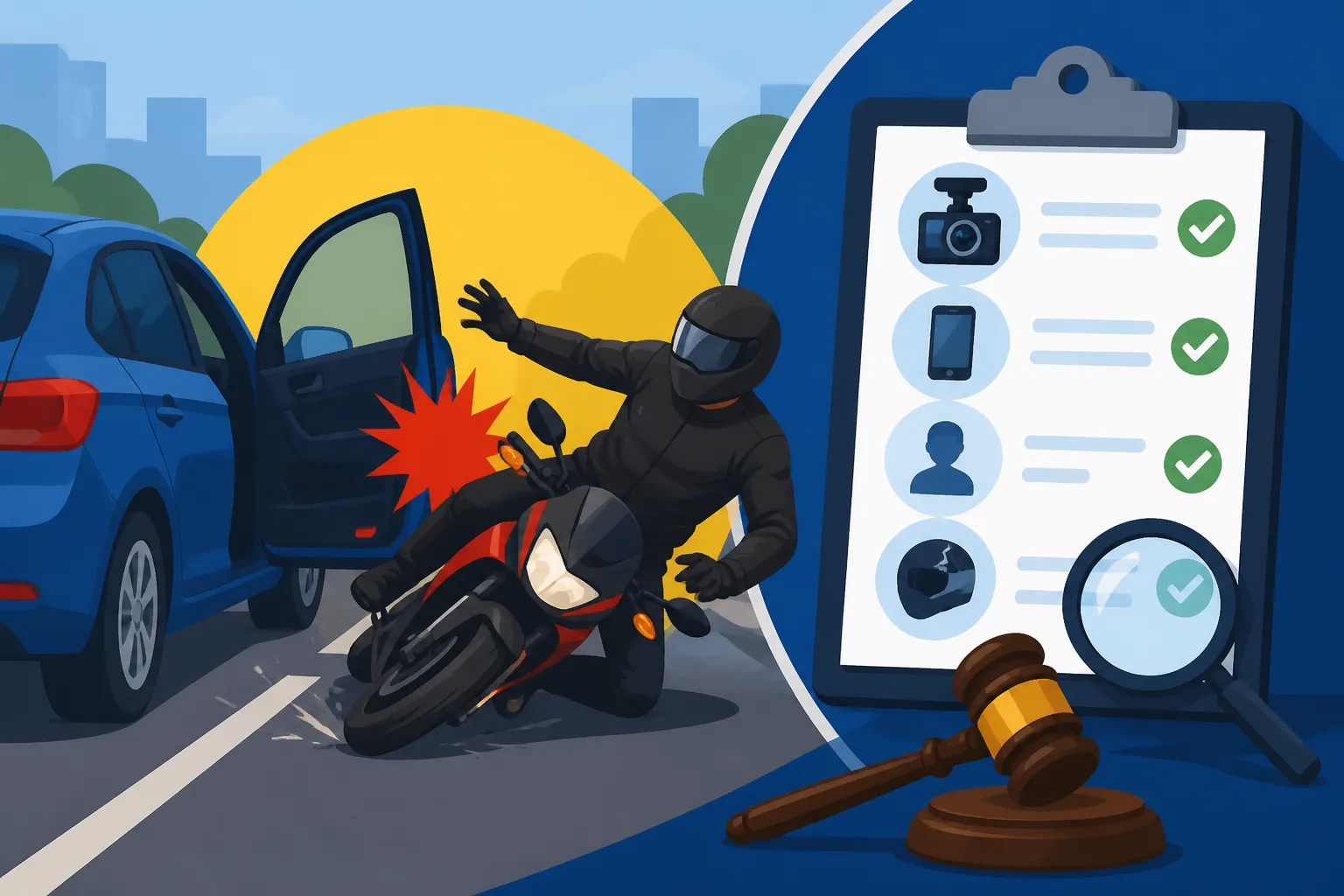
Imagine you're cruising down a busy street, perhaps in a city like Boston or Chicago, minding your own business, maintaining a safe distance from parked cars. Suddenly, without warning, a car door on your left or right side swings wide open. There’s no brake light, no turn signal, no indication whatsoever that a person is about to exit the vehicle. You're simply in the wrong place at the wrong time, and the door becomes an immovable object directly in your path. The suddenness of it means you often have milliseconds, if that, to react. Your instinct might be to swerve, which can lead to losing control, or to brake hard, which can also result in a devastating fall, even if you manage to avoid the door itself.
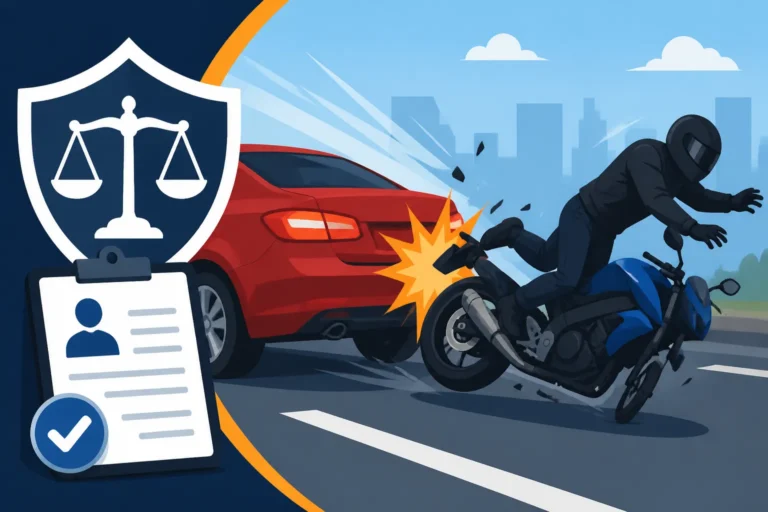
These accidents are particularly dangerous for motorcyclists because motorcycles offer minimal protection compared to a car. A direct impact with a door can throw a rider from their bike, leading to severe injuries like broken bones, spinal cord injuries, or traumatic brain injuries. Even if you only clip the door, the instability of a two-wheeled vehicle means a spill is almost inevitable. The unexpected nature is key here – drivers often look for other vehicles in their mirrors, but they frequently fail to account for the smaller profile and quicker approach of a motorcycle.
Who Is Typically at Fault in a Dooring Accident
Legally speaking, the person who opens the car door is almost always considered at fault in a dooring accident. This is because drivers and passengers have a fundamental duty of care to ensure that it is safe to open their car door before doing so. This duty typically includes checking mirrors, looking over their shoulder, and being aware of traffic approaching from behind or beside them. Many states have specific traffic laws that reinforce this. For instance, some states have laws explicitly stating that no person shall open the door of a motor vehicle on the side available to moving traffic unless it is reasonably safe to do so and can be done without interfering with the movement of other traffic.
This principle extends beyond just the driver. If a passenger opens the door, the driver may still bear some responsibility, especially if they were aware of the passenger's intent and failed to ensure safety. In some cases, even the municipality could be held partially responsible if, for example, the parking regulations put vehicles too close to a lane of traffic, creating an inherently dangerous situation. However, the primary blame almost always falls on the individual who directly caused the obstruction. Understanding Who Is at Fault in a Motorcycle Accident is crucial for your claim, and in dooring incidents, it's generally quite clear.
Crucial Evidence to Collect Immediately After a Dooring Accident
The moments immediately following a dooring accident are critical for establishing fault and protecting your ability to recover damages. While your priority should always be your safety and seeking medical attention, if you are able, documenting the scene is paramount.
On-Scene Documentation and Witness Accounts
After ensuring your immediate safety and calling for emergency services if needed, gather as much evidence as you possibly can. This might sound daunting, especially when you're shaken or injured, but it can make all the difference in proving your case.
- Photographs and Videos: This is your most powerful tool. Take pictures and videos from multiple angles.
- The Door and Your Motorcycle: Capture the exact position of the car door when it hit or was involved in the incident. Show the damage to your motorcycle and any damage to the car door.
- The Wider Scene: Include photos of the entire accident scene, showing traffic lanes, road conditions, any relevant signs, and the distance between the parked car and the curb or traffic flow.
- Injuries: Document any visible injuries you or a passenger sustained. Road rash, bruises, cuts – photograph everything.
- Driver's Perspective: Take a photo from inside the driver's car looking back to show what they should have seen.
- Driver Information: Get the full name, contact information, insurance details, and license plate number of the driver. Do not let them leave the scene without this information.
- Witness Information: Eyewitnesses can provide invaluable, unbiased accounts. Many times, pedestrians or people in nearby shops will have seen what happened. Politely ask for their names and contact information. Their testimony can directly counter any attempt by the at-fault driver or their insurance company to shift blame onto you. For more on the importance of these accounts, read about How Witnesses Affect Motorcycle Fault.
- Dashcam or Security Footage: If you have a helmet camera or if nearby businesses have security cameras, this footage could be definitive proof of what occurred. Inquire about it immediately, as footage is often overwritten quickly.
Remember, do not admit fault or apologize for anything at the scene, even if you're just being polite. Anything you say can be used against you later by the insurance company. Stick to the facts.
Police Reports and Accident Reconstruction
A police report is often a cornerstone of any motorcycle accident claim. When law enforcement arrives, they will investigate the scene, speak to those involved and witnesses, and document their findings in an official report.
- The Police Report: The officer's assessment of fault, even if not legally binding, carries significant weight with insurance companies. It will document key details like the date, time, location, involved parties, vehicle information, and often a narrative description of how the accident occurred. Crucially, the officer might cite the driver for violating a specific traffic law related to opening a car door unsafely. Make sure to get the report number and the contact information for the investigating officer. Be aware that How a Police Report Can Hurt Your Claim if it contains inaccuracies, so review it carefully once available.
- Accident Reconstruction: In complex dooring accidents, especially where severe injuries or disputed fault are involved, an accident reconstruction expert can be instrumental. These specialists use scientific methods to analyze the scene, vehicle damage, skid marks (if any), and other evidence to recreate the accident sequence. They can determine vehicle speeds, angles of impact, and critical timings, which can unequivocally prove that the car door was opened into your path, making it impossible for you to avoid. This level of expertise can be particularly useful in countering claims that you were speeding or otherwise at fault. For a deeper dive, consider when to hire an When to Hire an Accident Reconstruction Expert.
Leveraging Legal Principles to Establish Fault
Even with solid evidence, insurance companies might still try to downplay their client's fault or even assign a percentage of blame to you. Understanding the legal principles at play is key to fighting back.
Driver Negligence and Violation of Traffic Laws
The core of proving fault in a dooring accident hinges on establishing the other party's negligence. Negligence, in legal terms, means that someone failed to act with the reasonable care that a prudent person would have exercised in a similar situation, and this failure caused harm.
In the context of a dooring accident, the driver or passenger's negligent actions typically include:
- Failure to Look: Not checking mirrors or looking over their shoulder for oncoming traffic before opening the door. This is the most common form of negligence in these cases.
- Improper Door Opening: Some states, like Massachusetts, have adopted "Dutch Reach" laws, which encourage drivers and passengers to open their car doors with their far hand (e.g., using the right hand to open the driver's side door). This forces them to naturally turn their body and look over their shoulder, increasing awareness of approaching traffic. While not universal, the spirit of such practices underscores the general duty of care.
- Violation of Statute: Many jurisdictions have specific statutes or ordinances prohibiting the opening of a vehicle door into traffic. For example, California Vehicle Code Section 22517 states, "No person shall open the door of a vehicle on the side available to moving traffic unless it is reasonably safe to do so and can be done without interfering with the movement of other traffic." If the police report cites the driver for such a violation, it provides strong evidence of negligence per se, meaning negligence is presumed due to the violation of the law.
By clearly demonstrating that the driver or passenger failed in their duty to exercise reasonable care, you establish the foundation of their fault.
Shared Fault and Comparative Negligence
Sometimes, even if the other driver is clearly at fault for opening their door, they or their insurance company might try to argue that you, as the motorcyclist, were also partially to blame. This is where the concept of shared fault, often handled under "comparative negligence" laws, comes into play.
- Comparative Negligence Explained: Most states follow some form of comparative negligence. This means that if you are found to be partially at fault for the accident, your total compensation award will be reduced by your percentage of fault. For example, if your damages are assessed at $100,000, but a jury or adjuster determines you were 20% at fault (perhaps for speeding or not paying enough attention), your payout would be reduced to $80,000. It's a critical concept, and understanding How Comparative Negligence Reduces Your Payout is vital.
- Types of Comparative Negligence:
- Pure Comparative Negligence: States like California and Florida follow this, allowing you to recover damages even if you are 99% at fault, though your recovery will be significantly reduced.
- Modified Comparative Negligence: Many states, including Texas and Ohio, use a modified system. This typically means you can recover damages as long as you are not more than 50% or 51% at fault (depending on the specific state law). If your fault exceeds that threshold, you might be completely barred from recovering any compensation. For more details on these variations, see our guide on Pure vs Modified Comparative Negligence.
- Common Arguments for Rider Fault in Dooring Accidents:
- Speeding: "The motorcycle was going too fast to react."
- Inattentive Riding: "The rider wasn't paying attention to parked cars."
- Lane Position: "The motorcycle was riding too close to parked cars."
- Lane Splitting: In states where lane splitting is legal, an argument might be made that even though it's legal, it contributed to the accident. However, in states like California, even when legal, riders must do so safely. Understanding Lane Splitting and Motorcycle Accident Liability is key.
It's crucial to have strong evidence and potentially legal representation to counter these attempts to shift blame, especially because of the inherent "rider bias" that often exists against motorcyclists.
Navigating the Insurance Claim Process
Dealing with insurance companies after a motorcycle accident can be a frustrating and often intimidating experience. They are in the business of minimizing payouts, and they will employ various tactics to do so.
Communicating with Insurance Adjusters
After a dooring accident, you'll likely be contacted by the at-fault driver's insurance company. Their adjusters are trained negotiators whose goal is to resolve the claim for the lowest possible amount.
- Be Cautious What You Say: While you need to provide basic information, avoid giving recorded statements or detailed narratives of the accident without first speaking to a legal professional. Stick to the absolute facts, and never speculate or admit any fault, even indirectly. They might ask leading questions designed to get you to say something that can be used against you.
- Documentation is Key: Provide them with the evidence you've collected – photos, witness contacts, and the police report number. Do not, however, hand over your original documents.
- They're Not On Your Side: Understand that the adjuster, no matter how friendly they seem, is representing the insurance company's interests, not yours. They may try to offer a quick, lowball settlement before you fully understand the extent of your injuries or the full value of your claim. Don't sign anything, especially a general release, without reviewing it with a knowledgeable attorney. If you want to know more about how insurers assign blame, check out How Insurance Companies Assign Blame to Riders.
The Role of a Motorcycle Accident Attorney
While you can try to handle a dooring accident claim on your own, it's often an uphill battle, especially when you're recovering from injuries. This is particularly true if fault is disputed or if your injuries are severe.
- Leveling the Playing Field: A skilled motorcycle accident attorney acts as your advocate, leveling the playing field against large insurance companies. They understand the nuances of personal injury law, traffic codes, and how to effectively negotiate for a fair settlement.
- Evidence Gathering and Analysis: An attorney will help you gather all necessary evidence, including medical records, lost wage documentation, and even arrange for accident reconstruction specialists if needed. They know what evidence is most compelling in court and with insurers.
- Valuing Your Claim: Calculating the true value of your motorcycle accident claim is complex. It includes not only medical bills and lost wages but also non-economic damages like pain and suffering, emotional distress, and loss of enjoyment of life. A lawyer can accurately assess these damages, ensuring you don't settle for less than you deserve. This ties into How Motorcycle Accident Settlements Are Calculated.
- Negotiation and Litigation: Your attorney will handle all communications and negotiations with the insurance company. If a fair settlement cannot be reached, they are prepared to take your case to court. They understand the intricacies of The Statute of Limitations Explained and will ensure all filings are done correctly and on time.
- Protecting Your Rights: They will protect you from tactics like unfair fault assignment, lowball offers, and attempts to use your lack of legal knowledge against you.
- Focus on Recovery: With a lawyer handling the legal complexities, you can focus on what truly matters: your physical and emotional recovery.
If you're wondering Do You Need a Motorcycle Accident Lawyer, especially after a dooring incident with injuries, the answer is almost certainly yes. Their expertise can significantly impact the outcome of your case and help you get the compensation you need to get back on your feet.
Disclaimer
Please remember that this article provides general information and insights into motorcycle accident claims. It is not intended as legal advice. Every accident case is unique, and the laws governing personal injury claims vary significantly by state. For personalized advice regarding your specific situation, it is always recommended to consult with a qualified motorcycle accident attorney in your jurisdiction.