How Gear Choice Affects Insurance Rates
Riding a motorcycle offers a unique sense of freedom, but let's be honest, the cost of insurance can sometimes feel like it's trying to rein you in. It’s a common frustration to wonder why premiums are so high, especially when you invest so much in safety. You might think that choosing the best protective gear should somehow reflect positively on your rates, right? This guide will dive deep into how your gear choices can, and sometimes don't, influence your motorcycle insurance premiums, and what you can do about it.
The Direct Impact of Safety Gear on Insurance Premiums
When you’re shelling out good money for top-tier motorcycle gear, it's natural to assume that your insurance provider would take notice and reward your commitment to safety with lower rates. While it’s not always a straightforward discount for every piece of gear you own, there are definite ways your investment in protection can subtly, and sometimes overtly, affect what you pay.
How Insurance Companies View Protective Gear
Insurance companies operate on risk assessment. Their primary goal is to predict how likely you are to file a claim and how expensive that claim might be. From their perspective, a rider who invests in quality protective gear is generally seen as a lower risk for severe injuries. It's not just about the helmet; it's about the whole package. When you consider the sheer number of variables that go into calculating your insurance premium – from your riding history and age to the type of motorcycle you ride and where you live – protective gear is one piece of that complex puzzle, albeit sometimes a subtle one.
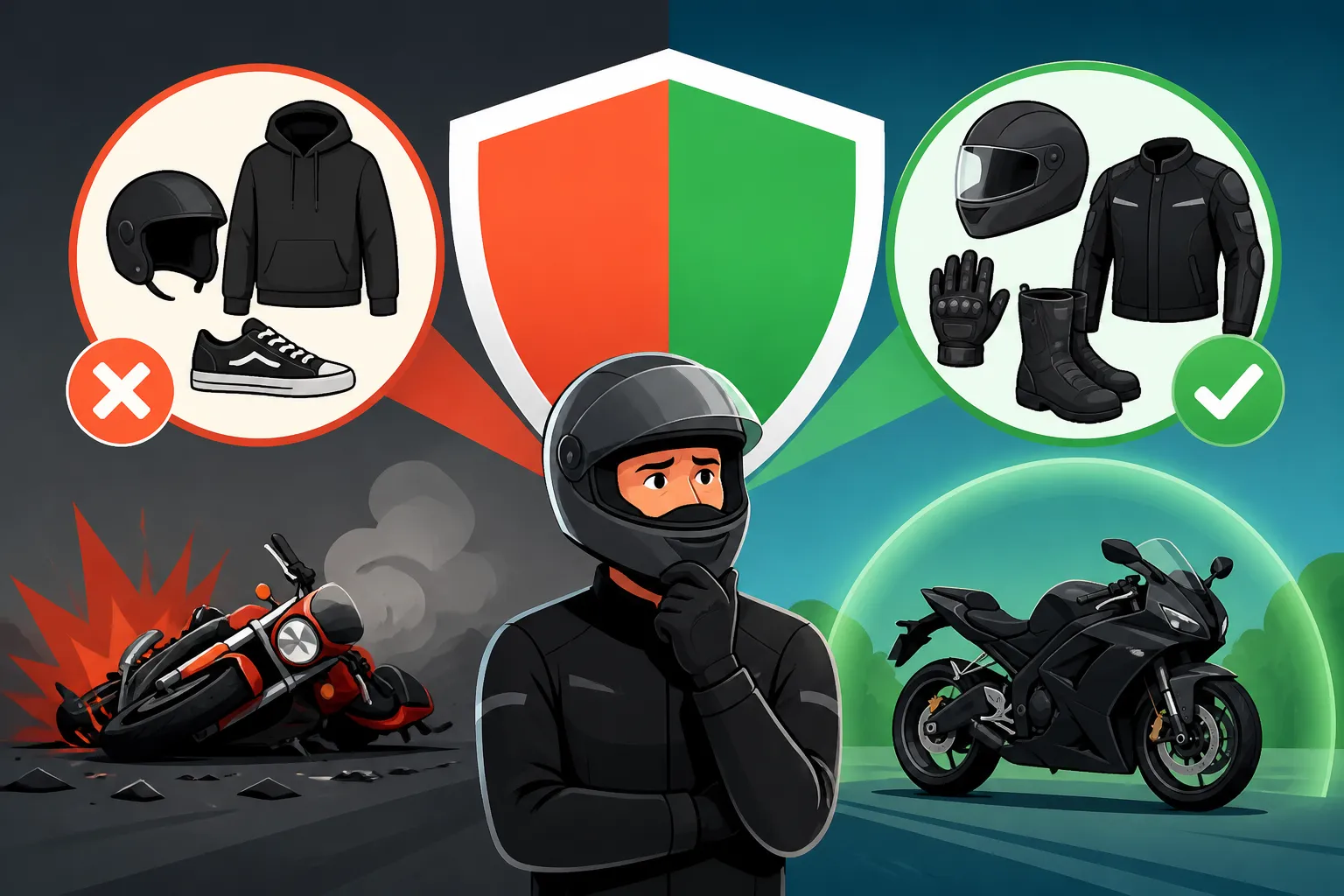
For example, a rider who always wears a DOT-approved full-face helmet, armored jacket, gloves, and riding boots demonstrates a higher degree of safety consciousness. While an insurer might not have a specific line item discount for "armored gloves," the overall reduction in potential injury severity is a factor that gets baked into their actuarial tables over time. It shows responsible behavior. Some progressive insurance providers, particularly those catering specifically to motorcyclists, like Dairyland or Progressive, might be more attuned to these nuances, offering small perks or recognizing a safety-conscious profile.
Discounts for Specific Safety Equipment
This is where things can get a little more concrete. While a discount for your shiny new riding pants might be a stretch, certain items of protective gear, or accessories that enhance safety, can sometimes qualify you for a break on your premium.
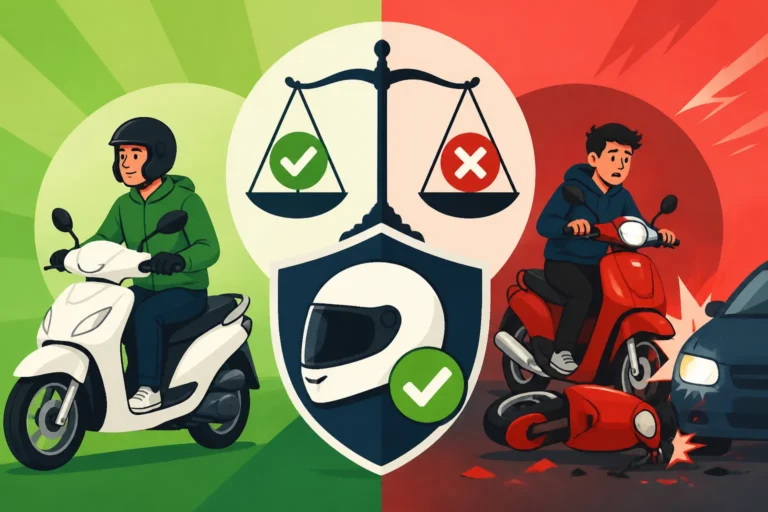
The most prominent example, of course, is the helmet. In states with Motorcycle Helmet Laws by State, wearing a helmet is often legally required, but beyond that, a DOT-compliant helmet is universally recognized as a crucial piece of safety equipment. Some insurance companies will offer a direct discount for riders who consistently wear a certified helmet. This isn't just because it's the law; it's because helmets significantly reduce the risk of head injuries, which are among the most catastrophic and expensive claims.
Beyond helmets, other safety-related features on your motorcycle itself can lead to discounts. For instance, anti-lock braking systems (ABS) are a significant safety enhancement, proven to reduce accident rates, and many insurers offer discounts for bikes equipped with ABS. Similarly, some insurers might recognize advanced rider training courses (like those offered by the Motorcycle Safety Foundation or Harley-Davidson's Rider Academy), which often emphasize the importance of proper gear. While not a direct gear discount, completing such a course implies a rider who takes safety seriously, which includes wearing appropriate protection. You can think of it as a holistic approach to risk reduction.
It’s worth noting that these specific discounts vary wildly by state and by insurer. What one company offers in California, where Is Lane Splitting Legal in California and therefore road conditions and traffic patterns are unique, might be different from what's available in, say, Florida or New York. Always ask your agent directly what safety discounts they have available.
Understanding the Link Between Injury Risk and Premiums
The core business of an insurance company is to manage risk. For motorcyclists, the risk of serious injury in an accident is undeniably higher than for occupants of a car. This fundamental truth drives many aspects of motorcycle insurance pricing. Your gear choice, by mitigating injury risk, plays a critical, albeit often indirect, role.
The Role of Accident Statistics
Insurance premiums are heavily influenced by vast datasets of accident statistics. Actuaries, the number-crunchers behind insurance rates, look at everything: the frequency of motorcycle accidents, the types of injuries sustained, the average medical costs associated with those injuries, and even the prevalence of certain types of accidents, like Motorcycle Accidents Caused by Left-Turn Collisions.
When riders consistently wear protective gear, the severity of injuries in accidents tends to decrease. Fewer traumatic brain injuries, less severe road rash, and fewer broken bones mean lower medical costs for the insurance company in the long run. While your individual decision to wear a full armored suit won't immediately slash your premium by hundreds of dollars, the collective impact of safety-conscious riders over time can influence the broader risk profile of motorcyclists. If statistics show a trend of decreasing severe injuries due to better gear adoption, insurers might, in theory, adjust their overall rates or offer more incentives.
This isn't just theoretical. The data collected by organizations like the National Highway Traffic Safety Administration (NHTSA) often highlights the effectiveness of helmets and other gear in reducing fatalities and serious injuries. Insurers pay attention to these trends because they directly impact their payouts.
The "Helmet Defense" and Its Insurance Implications
Here's a critical point where gear choice directly intersects with your potential claim outcomes, which in turn influences how insurance companies view overall risk. The "helmet defense" is a legal strategy often employed by at-fault drivers' insurance companies to reduce their liability if a motorcyclist was not wearing a helmet, or a proper one, at the time of an accident.
Essentially, the argument is that even if the other driver was clearly at fault, the rider's injuries, particularly head injuries, would have been less severe had they been wearing a helmet. Depending on your state's laws, this can significantly impact your settlement. In states that follow How Comparative Negligence Reduces Your Payout, if the court or insurer determines you were partially at fault for your own injuries because you chose not to wear a helmet, your awarded damages could be reduced.
For example, if you're in an accident in a state like Texas, which has a partial helmet law (riders over 21 with specific insurance coverage can ride without a helmet), and you sustain a head injury while unhelmeted, the at-fault driver's insurance might argue your injury severity was your own doing. Even if your state doesn't have a universal helmet law, the presence of The Helmet Defense Explained can still lead to protracted legal battles and reduced payouts.
From an insurer's perspective, this means that even if they're paying out on a claim, if the rider was unhelmeted, the potential cost of that claim (especially for traumatic brain injuries) could be much higher. Therefore, anything that reduces the likelihood of such a defense being successfully employed – i.e., wearing a proper helmet – is a factor they implicitly or explicitly consider in their risk models. When you choose to wear a quality helmet, you're not just protecting yourself; you're also protecting the potential value of your claim, making you a less "risky" policyholder in the eyes of an insurer.
Beyond Just Helmets: The Broader Gear Picture
While helmets often take center stage in discussions about motorcycle safety and insurance, a truly comprehensive approach to protection involves a full suite of gear. And guess what? This broader gear picture, though not always tied to direct discounts, absolutely impacts your safety, your injury claims, and by extension, the overall perception of risk that influences insurance rates.
How Full Protective Gear Can Influence Your Claim and Perceived Risk
Let's be realistic: you’re not going to get a specific insurance discount for your armored jacket from RevZilla or your Kevlar-reinforced jeans from Cycle Gear. However, the cumulative effect of wearing full protective gear cannot be overstated, especially when it comes to the aftermath of an accident.
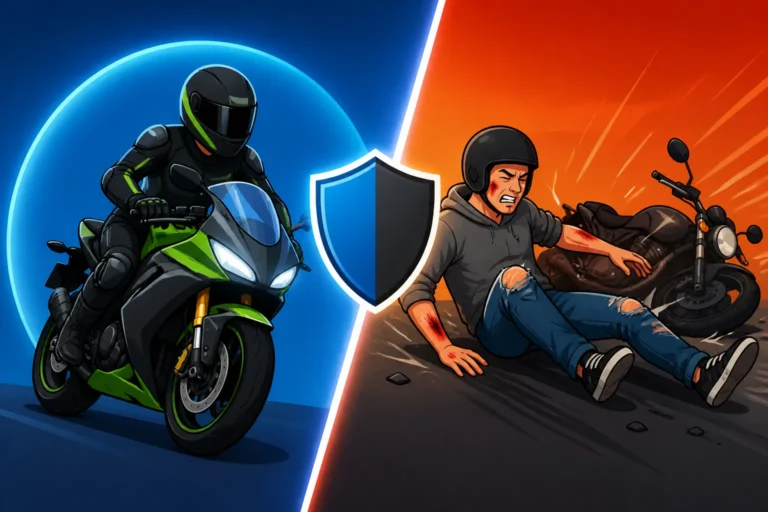
Consider this: a rider involved in a low-speed slide without proper gear might suffer extensive road rash, broken bones, and nerve damage. Road rash, depending on its severity, can require extensive medical treatment, including wound care, antibiotics, and even skin grafts, leading to significant medical bills and potentially long-term scarring. On the other hand, a rider wearing a CE-rated armored jacket, proper riding pants, and sturdy boots in the same scenario is far more likely to walk away with minor scrapes or bruises, if any.
When it comes time to file an injury claim, the medical documentation for the properly geared rider will show much less severe injuries, leading to a quicker resolution and lower payouts for medical expenses and pain and suffering. This directly relates to How Injury Severity Affects Compensation. Insurers, over time, track these outcomes. If a policyholder regularly demonstrates a commitment to wearing comprehensive Motorcycle Safety Gear and Legal Protection, even without a direct discount, their overall risk profile becomes more favorable. They are less likely to incur catastrophic medical expenses, which means lower payouts for the insurance company. This data, aggregated across many riders, can subtly influence pricing models.
Furthermore, a rider in full gear sends a clear message of responsibility and seriousness, which can even subtly influence how police and accident investigators perceive the situation. While they should focus on facts, the visual evidence of a rider taking every precaution can certainly not hurt your case when determining Who Is at Fault in a Motorcycle Accident.
Documenting Your Gear for Insurance Purposes
This is a step many riders overlook but can be incredibly valuable. While your gear might not get you an upfront discount, documenting its value and condition can be crucial if your motorcycle is damaged or stolen, or if you need to prove injury mitigation after an accident.
Here’s why it matters:
- Property Damage Claims: Your helmet, jacket, gloves, and boots are often expensive investments. In an accident, they can be damaged beyond repair. Most motorcycle insurance policies include coverage for accessories and personal effects. If your premium riding suit was torn up in a crash, you'll want to be reimbursed for its replacement value. Having photos, receipts, and a detailed inventory makes this process much smoother.
- Injury Claims: After an accident, the condition of your gear can be powerful evidence. A damaged helmet showing a clear impact point, scuffed leathers with deep abrasions, or broken boots can visually demonstrate the force of the impact and, paradoxically, how your gear protected you from even worse injuries. Documenting your gear immediately after a crash, before it's cleaned or discarded, can be vital for Motorcycle Accident Evidence for Proving Fault and the severity of impact.
To effectively document your gear, keep a detailed inventory:
- Take Photos: Snap pictures of all your significant gear pieces, especially your helmet, jacket, pants, and boots. Show brand, model, and condition.
- Keep Receipts: Store digital or physical copies of purchase receipts. This proves ownership and value.
- Update Annually: Re-evaluate your gear and documentation periodically, especially if you buy new items or upgrade.
- Consider a Rider's Log: Some riders keep a log of their rides, including the gear they wear. This isn't strictly necessary but can be useful.
This meticulous documentation proves not just the value of your possessions but also your commitment to safety, which can indirectly support your claim as a responsible rider.
Practical Steps to Leverage Your Gear for Better Rates
You're a conscientious rider, you invest in good gear, and you want that to count for something beyond just keeping your skin on the asphalt. While direct discounts for every piece of gear might be rare, there are definitely actionable steps you can take to make sure your commitment to safety is recognized by your insurance provider.
Talking to Your Insurance Provider
Don't assume your insurance company automatically knows how safety-conscious you are. You need to be proactive. Here's how to engage them:
- Ask Directly About Safety Gear Discounts: Call your agent or customer service representative and specifically ask if they offer any discounts for DOT-approved helmets, ABS, or other safety features. Even if they don't have a specific "gear discount" line item, they might have discounts for completing a motorcycle safety course, which inherently promotes good gear use.
- Highlight Your Riding Habits: While they can't always verify it, you can express your commitment to wearing full protective gear on every ride. This might factor into a broader assessment of your risk profile, especially if coupled with a clean driving record and advanced training.
- Inquire About Comprehensive Policies: Some specialized motorcycle insurance providers, like Progressive, GEICO, or the aforementioned Dairyland, might have more nuanced policies that recognize a rider's overall safety efforts. They understand the motorcycle lifestyle better and might have programs or considerations not found with generic auto insurers.
- Provide Documentation (When Relevant): If you're discussing your riding habits or the safety features of your bike, mention that you maintain records of your gear purchases and certifications. This adds credibility to your commitment.
Remember, the goal is to present yourself as a responsible, low-risk rider. Your gear is a visible manifestation of that commitment.
Choosing the Right Gear for Both Safety and Savings
Making informed gear choices isn't just about looking good; it's about maximizing your protection and, in a roundabout way, potentially influencing your financial outcomes.
- Prioritize Certified Gear: Always opt for helmets that are DOT-certified (in the U.S.) and ideally also Snell or ECE certified, as these standards indicate a higher level of impact protection. For other gear, look for CE-rated armor in jackets, pants, and gloves. This ensures a baseline of quality and protection. Places like Cycle Gear often have sales and a wide selection of certified products, making it easier to gear up safely without breaking the bank.
- Invest in a Full Kit: Don't stop at the helmet. A proper riding jacket, pants (or armored jeans), gloves, and boots create a holistic protective system. While individual pieces might not get you discounts, the combined effect significantly reduces your injury risk, which is the ultimate goal for both you and your insurer. As we discussed earlier, reducing the severity of potential injuries translates into lower claims, which can indirectly contribute to better overall rates in the market.
- Consider Motorcycle Safety Courses: Enrolling in and completing an approved motorcycle safety course is one of the best ways to potentially reduce your insurance premiums directly. Many insurers offer a discount for riders who have completed such training. These courses teach advanced riding skills and reinforce the importance of proper gear, making you a safer rider on multiple fronts. Plus, the knowledge you gain is invaluable, regardless of insurance benefits.
- Understand Your Policy's Personal Effects Coverage: When choosing gear, remember its value. Make sure your motorcycle insurance policy has adequate coverage for your riding gear and personal effects. If your $1,000 helmet and $800 jacket are destroyed in an accident, you want to be able to replace them without significant out-of-pocket costs. Review your policy’s limits for "custom parts and equipment" or "personal effects." Some policies automatically include a small amount, while others require you to purchase additional coverage.
By combining smart gear choices, advanced training, and clear communication with your insurance provider, you can build a strong profile as a safe and responsible rider. While the direct financial benefits might not always be immediately apparent for every item of gear, the peace of mind and protection for your body – and your wallet in the event of a claim – are priceless.
| Gear Item | Direct Insurance Impact | Indirect Insurance Impact (via Claim Severity) | Important Documentation |
|---|---|---|---|
| DOT/Snell Helmet | Potential direct discount | Significantly reduces head injury severity | Receipts, Certifications, Photos |
| Armored Jacket | Rarely direct discount | Reduces road rash, fracture risk (torso, arms) | Receipts, CE-ratings, Photos |
| Riding Pants | Rarely direct discount | Reduces road rash, fracture risk (legs) | Receipts, CE-ratings, Photos |
| Riding Gloves | Rarely direct discount | Reduces hand/wrist injuries (fractures, road rash) | Receipts, CE-ratings, Photos |
| Riding Boots | Rarely direct discount | Reduces foot/ankle injuries (fractures, crushing) | Receipts, Photos |
| ABS (Motorcycle) | Often a direct discount | Reduces accident frequency & severity | Bike specs, Manufacturer info |
| Safety Course | Often a direct discount | Implies safer riding, incl. better gear use | Course completion certificate |
Disclaimer
The information provided in this guide is for general informational purposes only and does not constitute legal, medical, or insurance advice. Motorcycle laws and insurance policies vary significantly by state and individual provider. Always consult with a qualified legal professional, your insurance agent, or a medical expert for advice tailored to your specific situation. Riding a motorcycle carries inherent risks, and proper protective gear is crucial for your safety.