Average Settlement for a Motorcycle Neck Injury
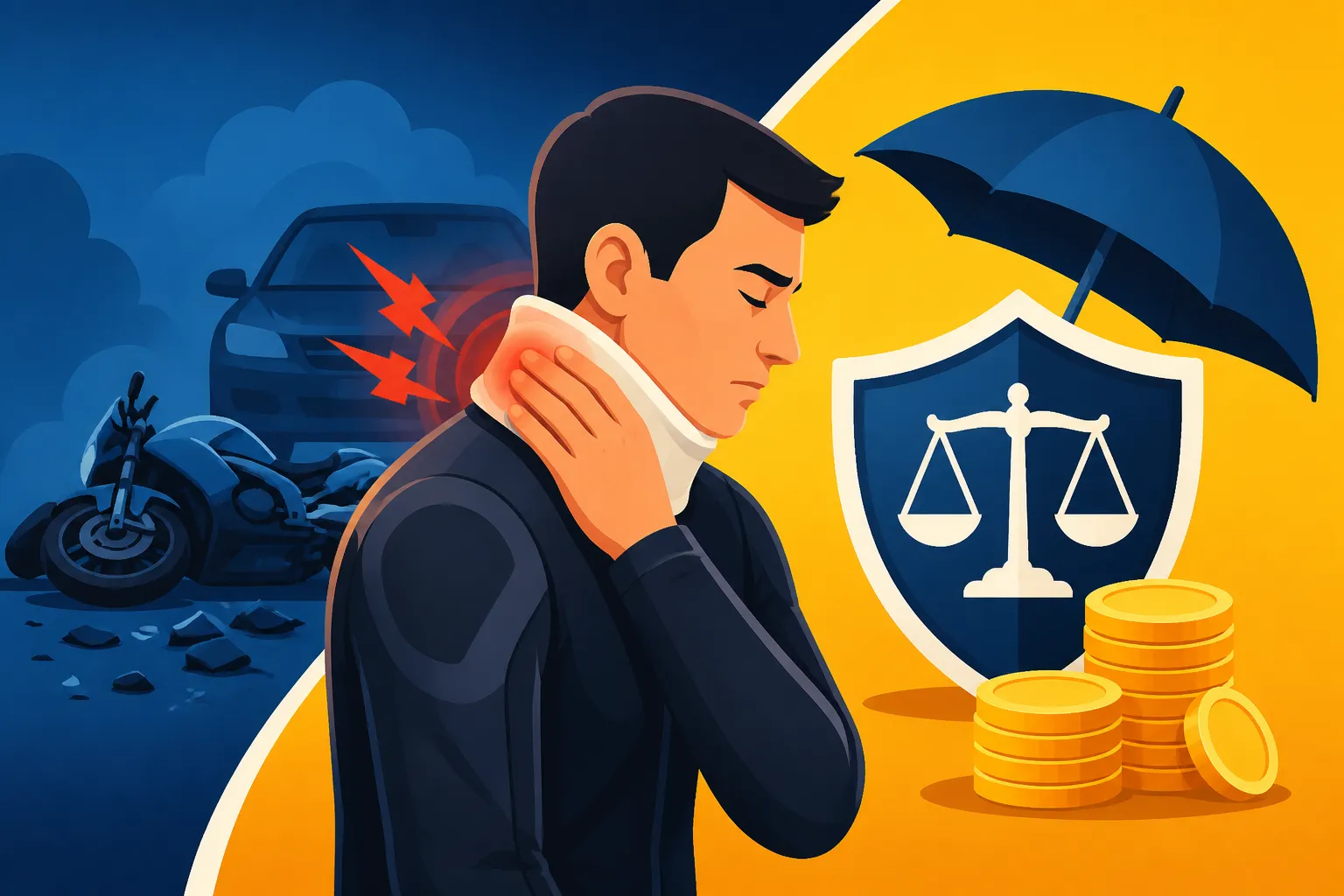
A motorcycle accident, even a seemingly minor one, can leave you with a whirlwind of physical pain, emotional distress, and mounting medical bills. Among the most common and debilitating injuries riders face are those to the neck, which can quickly turn your life upside down. This guide is here to unravel the complexities of seeking compensation for a motorcycle neck injury, exploring what factors influence your settlement and what you can realistically expect.
Understanding Motorcycle Neck Injuries and Their Severity
When you're involved in a motorcycle accident, your body is incredibly vulnerable, and your neck, in particular, often bears the brunt of the impact. The sudden, violent forces at play can wrench, compress, or hyperextend your cervical spine, leading to a spectrum of injuries from uncomfortable to life-altering. It’s not just about the immediate pain; these injuries can have long-lasting repercussions that touch every aspect of your daily life.
Common Types of Neck Injuries in Motorcycle Accidents
Neck injuries stemming from motorcycle crashes are unfortunately varied and often severe, primarily due to the lack of protective enclosure compared to a car. Many riders know the familiar sting of whiplash, but it can be far more serious than just a stiff neck.
- Whiplash (Cervical Strain/Sprain): This is perhaps the most recognized neck injury after a collision. It occurs when your head is suddenly jolted backward and then forward, tearing or stretching the muscles, tendons, and ligaments in your neck. While often considered "minor," severe whiplash can lead to chronic pain, headaches, dizziness, and limited range of motion for months or even years. Many people think whiplash is a trivial injury, but if you’ve experienced it, you know the constant throb and stiffness can be utterly debilitating.
- Herniated or Bulging Discs: Between the vertebrae in your neck are soft, gel-like discs that act as shock absorbers. The immense force of a motorcycle accident can cause these discs to bulge out of place (bulging disc) or even rupture (herniated disc), putting pressure on nearby nerves. This nerve compression can lead to radiating pain, numbness, tingling, or weakness in your arms and hands. Imagine trying to ride your bike, or even just hold a coffee cup, when your arm keeps going numb—it’s a real challenge.
- Facet Joint Injuries: The facet joints are small joints located at the back of each vertebra, allowing your spine to bend and twist. Impact from an accident can damage these joints, causing inflammation, pain, and stiffness. This type of injury can make simple movements like turning your head to check your blind spot agonizing.
- Fractured Vertebrae: In more severe accidents, the bones of your cervical spine (vertebrae) can fracture. These fractures can range from stable cracks to unstable breaks that threaten the spinal cord. A fractured neck is a critical injury that requires immediate medical attention and often leads to long recovery periods, potentially involving surgery and prolonged immobilization.
- Spinal Cord Damage: The most devastating neck injuries involve damage to the spinal cord itself, which runs through the center of your vertebrae. Spinal cord injuries can result in partial or complete paralysis below the site of the injury, leading to permanent disability, loss of sensation, and a profound impact on one's independence and quality of life. This is the injury everyone dreads, and for good reason.
The Immediate and Long-Term Impact of Neck Injuries
The immediate aftermath of a motorcycle crash is often chaos, adrenaline, and confusion. You might not even realize the full extent of your neck injury right away. Delayed symptoms are incredibly common; you might feel fine at the scene, only to wake up the next day with excruciating pain and stiffness. This is why getting prompt medical attention is absolutely crucial, even if you feel okay.
Beyond the initial pain, neck injuries can have a profound and lasting impact. Chronic pain is a common companion, making everyday activities, work, and even sleep incredibly difficult. You might find yourself unable to return to your job, especially if it involves physical labor or long hours in a static position. The inability to participate in hobbies you once loved, like riding your motorcycle or playing sports, can lead to significant emotional distress, including anxiety and depression. A severe neck injury can lead to permanent disability, requiring ongoing physical therapy, pain management, and sometimes even assistive devices or home modifications. This isn't just about physical rehabilitation; it's about rebuilding a life that has been fundamentally altered. For more on the prognosis, read about Motorcycle Neck Injury: Treatment and Long-Term Impact.
Factors That Influence Your Neck Injury Settlement Value
When it comes to figuring out what your motorcycle neck injury claim might be worth, there's no magic number. Many factors come into play, each contributing to the overall valuation of your case. It's like a complex puzzle where every piece, from your medical bills to your emotional distress, affects the final picture. Understanding these elements can help you better grasp why some settlements are higher than others.
Medical Expenses and Future Care Costs
This is often the most straightforward and quantifiable aspect of your claim. It includes everything from the ambulance ride and emergency room treatment to diagnostic imaging like X-rays, MRIs, and CT scans. Don't forget the costs of specialist consultations – orthopedists, neurologists, pain management doctors – and prescription medications. Physical therapy, chiropractic care, and rehabilitation are also significant expenses. But it doesn't stop there. For severe neck injuries, especially those involving spinal cord damage or chronic pain, you might face future medical costs, such as ongoing therapy, potential surgeries, assistive devices, or even in-home care. A thorough assessment of these future needs is critical to ensure you're not left paying out of pocket years down the line. An expert can estimate these costs, which significantly impacts how Future Medical Costs Are Estimated in your claim.
Lost Wages and Earning Capacity
A neck injury can easily keep you off work, sometimes for weeks, months, or even permanently. This category of damages covers the income you've already lost since the accident. If your injury prevents you from returning to your previous job or limits your ability to work at the same capacity, you can also claim loss of future earning capacity. This looks at the difference between what you would have earned over your lifetime had the accident not occurred and what you can now earn with your injury. For instance, a construction worker with a severe neck injury might no longer be able to perform physically demanding tasks, forcing them into a lower-paying or entirely different career path. This is a crucial, often underestimated, component of a claim, as it reflects the long-term financial impact on your life. Understanding How Lost Wages Are Calculated is essential.
Pain, Suffering, and Quality of Life Damages
These are known as non-economic damages and, while harder to quantify, often make up a substantial portion of a motorcycle accident settlement. This isn't just about physical pain; it encompasses the emotional toll the injury has taken. Think about the chronic discomfort, the inability to sleep, the psychological distress, anxiety, and depression that can follow a serious accident. It also includes the loss of enjoyment of life – no longer being able to ride your motorcycle, play with your kids, pursue hobbies, or even perform simple daily tasks without agony. The constant struggle and mental anguish associated with a severe neck injury can be immense, and the law recognizes this by allowing compensation for such profound impacts on your well-being. This is where Pain and Suffering in Motorcycle Settlements really comes into play.
Liability and Comparative Negligence
Who was at fault for the motorcycle accident plays a monumental role in your settlement. If the other driver was 100% at fault, your chances of a full recovery are much higher. However, many states operate under a "comparative negligence" system. This means if you were found partially at fault for the accident, your settlement could be reduced by your percentage of blame. For example, if your damages are assessed at $100,000, but you're found 20% at fault, you would only recover $80,000. In some states, being more than 50% or 51% at fault can even bar you from recovering any damages at all. Insurance companies are notorious for trying to shift blame onto riders, so proving the other driver's fault is paramount. Knowing How Comparative Negligence Reduces Your Payout is critical for your case. If you're wondering Who Is at Fault in a Motorcycle Accident, it's a key piece of information.
How Insurance Companies Evaluate Neck Injury Claims
Dealing with insurance companies after a motorcycle accident can feel like an uphill battle. They're not on your side, and their primary goal is to minimize payouts. They have specific methods for evaluating claims, and understanding these can help you navigate the process more effectively. It’s a game, and knowing the rules (and their tactics) gives you a better chance.
The Role of Documentation and Medical Records
Insurance adjusters will scrutinize every piece of documentation you provide, especially your medical records. This is where a clear, consistent, and detailed medical history becomes your strongest ally. They want to see a direct link between the accident and your neck injury.
- Prompt Medical Treatment: Seeking immediate medical attention after the accident is paramount. Any delay can be used against you, with the insurer arguing that your injuries weren't serious or might have been caused by something else. Even if you only feel minor aches, get checked out.
- Consistent Treatment: Follow through with all recommended treatments, including physical therapy, specialist visits, and medications. Gaps in treatment can weaken your claim, as the insurance company might argue that you weren't seriously injured or weren't doing your part to recover. They'll claim you exacerbated your own injuries.
- Detailed Records: Ensure your doctors are thoroughly documenting your symptoms, pain levels, limitations, and prognosis. Objective medical evidence like MRI results showing disc herniations or fractures holds significant weight. Subjective complaints are important, but objective findings back them up. This documentation is key to How Medical Bills Affect Your Settlement.
- Impact on Daily Life: It's also incredibly helpful to document how your neck injury affects your daily life. Keep a pain journal, note missed workdays, and list activities you can no longer do. This helps quantify your pain and suffering, which is often difficult for insurers to measure.
Common Tactics Used to Undervalue Claims
Insurance companies have a playbook they often use to reduce payouts, particularly for motorcycle riders, who unfortunately face a certain bias. They will look for any opportunity to pay you less.
- Disputing Fault: The first line of defense is often to argue that you were partially or entirely at fault for the accident. They might claim you were speeding, didn't wear appropriate gear, or simply weren't visible. This is where having solid evidence and understanding How Police Reports Establish Fault becomes vital. They might even try to apply "rider bias," unfairly assuming you were engaging in risky behavior.
- Minimizing Injuries: Insurers will often try to downplay the severity of your neck injury, especially if it's whiplash, which they sometimes label as minor. They may suggest your pain is exaggerated, or that you could have recovered faster. They might even send you to their "independent" medical examiner, who often issues reports favorable to the insurance company.
- Pre-Existing Conditions: If you have any history of neck pain, prior injuries, or degenerative conditions like arthritis, the insurance company will almost certainly try to blame your current symptoms on these pre-existing issues rather than the accident. They'll argue the accident didn't cause the injury, but merely aggravated a pre-existing one. While aggravation of a pre-existing condition is still compensable, they'll fight hard to limit their liability. This is why knowing How Pre-Existing Conditions Affect Claims is crucial.
- Lowball Offers: It’s almost a given that the initial offer you receive from an insurance company will be significantly lower than the actual value of your claim. They do this hoping you're desperate for money and will accept a quick settlement. Don't fall for it. Understand that this is a negotiation.
What to Expect: Average Settlement Ranges for Neck Injuries
Pinpointing an "average" settlement for a motorcycle neck injury is tricky because, as we've discussed, every case is unique. However, we can look at ranges based on injury severity and other critical factors. It’s helpful to have a ballpark, but remember, your specific outcome will depend heavily on the details of your situation.
Varying Settlements Based on Injury Type and Severity
The type and severity of your neck injury are the biggest drivers of settlement value. Minor whiplash will yield a vastly different settlement than a fractured vertebra with spinal cord involvement.
- Minor Neck Sprains/Strains (Whiplash): For less severe whash-type injuries where recovery is relatively quick (a few weeks to a couple of months) with no lasting complications, settlements might range from $5,000 to $25,000. These cases typically involve minor medical bills and perhaps a few weeks of lost wages. If the whiplash becomes chronic, with persistent pain and limitations, the value can go significantly higher, sometimes reaching $50,000 or more.
- Moderate Neck Injuries (Herniated/Bulging Discs, Facet Joint Injuries): Injuries like herniated discs or significant facet joint damage that require more extensive treatment, such as injections, prolonged physical therapy, or even minimally invasive surgery, will generally command higher settlements. These cases often involve greater medical expenses, longer periods of lost income, and more substantial pain and suffering. Settlements for moderate injuries can range from $50,000 to $250,000, or even higher depending on the need for future medical interventions and the long-term impact on daily life and work.
- Severe Neck Injuries (Fractures, Spinal Cord Damage): Catastrophic neck injuries involving fractured vertebrae, spinal cord compression, or permanent neurological deficits represent the highest end of the settlement spectrum. These injuries often lead to extensive surgeries, long-term rehabilitation, permanent disability, and a complete change in quality of life. Medical bills can easily run into hundreds of thousands, and lost earning capacity can be in the millions. Settlements for severe neck injuries can range from $500,000 to several million dollars, depending on the extent of permanent damage, the need for lifelong care, and the profound impact on the victim's life.
To give you a clearer picture, here's a simplified table illustrating potential ranges based on injury severity:
| Injury Type/Severity | Medical Expenses Estimate | Lost Wages Estimate | Pain & Suffering Multiplier | Estimated Settlement Range |
|---|---|---|---|---|
| Minor Whiplash/Strain | $2,000 – $10,000 | $0 – $5,000 | 1x – 2x | $5,000 – $25,000 |
| Moderate Disc Injury | $15,000 – $50,000+ | $10,000 – $50,000+ | 2x – 4x | $50,000 – $250,000 |
| Severe Fracture/SCI | $100,000 – $1,000,000+ (lifetime) | $50,000 – $Millions (lifetime) | 4x – 6x+ | $500,000 – $Millions |
Note: The "Pain & Suffering Multiplier" is often applied to economic damages (medical bills + lost wages) to estimate non-economic damages. Higher multipliers are used for more severe, long-lasting injuries. For more insight on how total settlements are calculated, refer to How Motorcycle Accident Settlements Are Calculated.
Why State Laws and Rider Bias Matter
The state where your accident occurred significantly impacts your potential settlement due to varying laws concerning fault and damages.
- Comparative Negligence Laws: As mentioned, some states like California follow pure comparative negligence, meaning you can recover damages even if you're 99% at fault, though your recovery is reduced proportionally. Other states, like Texas and Florida, have modified comparative negligence laws (51% rule), where you can only recover if you are 50% or less at fault. In a few states, like North Carolina, "contributory negligence" applies, where if you are even 1% at fault, you might recover nothing at all. This distinction is crucial and can dramatically alter your case's outcome. Delve deeper into Comparative Negligence in Motorcycle Accidents for more detail.
- Insurance Policy Limits: The at-fault driver's insurance policy limits can act as a ceiling for your settlement. Even if your damages are valued at $500,000, if the other driver only has a $100,000 policy, you might struggle to recover more than that unless you have Underinsured Motorist (UIM) coverage yourself. Understanding How Insurance Policy Limits Affect Your Payout is essential.
- Rider Bias: Unfortunately, a pervasive bias against motorcyclists exists among some jurors, judges, and even insurance adjusters. There's an unfair stereotype that riders are inherently reckless. This bias can make proving fault and maximizing damages more challenging. Skilled legal representation is vital to counteract these perceptions and ensure your case is judged on its merits, not on unfair assumptions. This is a common frustration, and unfortunately, it's something riders need to be aware of and prepared to counter. Insurers will look for any way to assign blame to riders, as detailed in How Insurance Companies Assign Blame to Riders.
Maximizing Your Motorcycle Neck Injury Claim
After the trauma of a motorcycle accident, the idea of meticulously building a legal case might feel overwhelming. However, taking proactive steps can significantly strengthen your claim and help ensure you receive the full compensation you deserve for your neck injury. This isn't just about financial recovery; it's about getting the support you need to truly heal and move forward.
Importance of Prompt Medical Attention and Adherence to Treatment
This cannot be stressed enough: your health is your top priority, and it’s also the bedrock of your personal injury claim.
- Immediate Care is Crucial: Even if you feel shaken but not seriously hurt at the scene, always seek medical attention. Adrenaline can mask pain, and some severe injuries, like internal bleeding or certain neck injuries, might not manifest symptoms right away. A trip to the emergency room or an urgent care clinic creates an official record of your injuries directly after the accident, establishing a clear link. This is one of the most important things to remember from What to Do After a Motorcycle Accident.
- Follow Doctor's Orders Faithfully: Once diagnosed, adhere strictly to your doctor's treatment plan. Attend all appointments, follow through with physical therapy, take prescribed medications, and don't miss follow-ups. Gaps or inconsistencies in your medical treatment can be seized upon by insurance companies, who might argue that your injuries weren't as severe as claimed or that you contributed to your own prolonged recovery by not following advice. You might feel like skipping a therapy session because you’re tired or busy, but remember that every missed appointment is a potential chink in the armor of your claim.
- Document Everything: Keep a detailed record of all medical appointments, treatments, medications, and out-of-pocket expenses. Maintain a pain journal where you document your daily pain levels, how your injury affects your sleep, mood, and ability to perform routine tasks. This personal account can be powerful evidence of your pain and suffering.
Gathering Critical Evidence to Support Your Claim
A strong claim is built on compelling evidence. The more information you can collect, the harder it will be for insurance companies to dispute your version of events or the severity of your injuries.
- Accident Scene Evidence: If you're able and it's safe to do so, document the accident scene immediately. Take photos and videos of your motorcycle, the other vehicles involved, road conditions, traffic signs, skid marks, and any visible injuries. Exchange information with the other driver and gather contact details for any witnesses. This raw, immediate evidence is invaluable for proving fault. For more specific guidance, see Motorcycle Accident Evidence for Proving Fault.
- Witness Statements: Independent witnesses can provide crucial, unbiased accounts of what happened. Their testimony can corroborate your story and counter any claims of fault by the other driver or the insurance company.
- Police Report: Obtain a copy of the official police report. While not always conclusive regarding fault, it often contains important details about the accident, including witness contacts, citations issued, and initial observations from law enforcement. Remember that even a police report can sometimes be challenged or corrected if it contains inaccuracies, as discussed in How to Correct a Wrong Police Report.
- Medical Records and Bills: As discussed, these are paramount. Ensure you have copies of all diagnostic reports (X-rays, MRIs, CTs), doctor's notes, treatment plans, and itemized bills. These documents prove the extent of your injuries and the financial burden they've imposed.
- Lost Wage Documentation: Collect pay stubs, employment records, and a letter from your employer confirming your time off due to injury. If you're self-employed, gather tax returns, invoices, and business records to demonstrate your lost income.
Building a comprehensive case can be a daunting task, especially when you're recovering from a painful neck injury. This is where the value of legal expertise truly shines. A seasoned personal injury attorney specializing in motorcycle accidents can help you navigate these complex processes, investigate the accident, gather critical evidence, deal with aggressive insurance adjusters, and negotiate for a fair settlement. They can determine What Affects Your Motorcycle Accident Payout and fight to ensure you're not undervalued. In many cases, having a lawyer can significantly increase your settlement amount, as they know how to properly calculate damages, challenge insurance tactics, and even take your case to trial if necessary. If you're wondering Do You Need a Motorcycle Accident Lawyer, especially with a neck injury, the answer is often a resounding yes. They are your strongest advocate in the complex world of personal injury claims.
Disclaimer
Please remember that the information provided in this article is for general informational purposes only and does not constitute legal advice. Every motorcycle accident claim is unique, and the value of a settlement can vary widely based on specific facts, jurisdiction, and legal precedents. It is highly recommended to consult with a qualified personal injury attorney in your state to discuss the details of your case and receive personalized legal advice.