How Traffic Violations Affect Fault
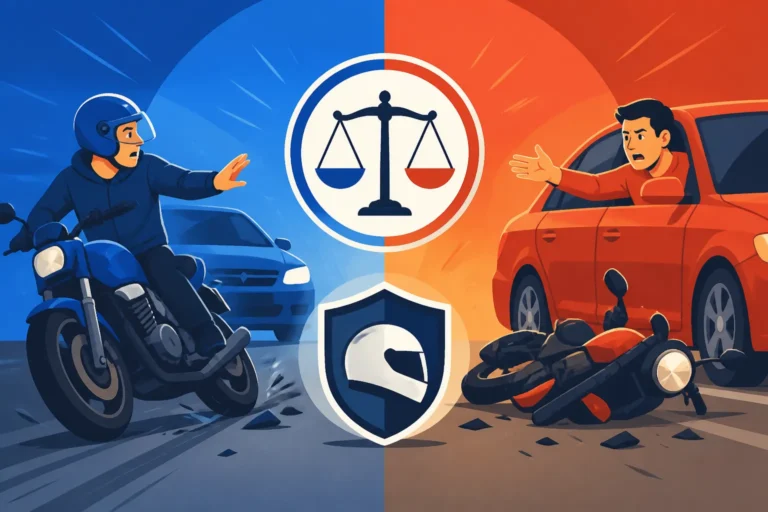
There's nothing quite like the open road, the wind in your face, and the rumble of your engine. But when the unthinkable happens and you're involved in a motorcycle accident, the aftermath can quickly turn into a nightmare. One of the most frustrating aspects for riders is how even a minor traffic violation, real or perceived, can be unfairly leveraged against them, impacting their ability to recover from the crash. This comprehensive guide will pull back the curtain on how traffic violations affect fault in motorcycle accidents, giving you the knowledge to protect yourself.
The Basics of Fault in Motorcycle Accidents
Understanding who is at fault after a motorcycle accident is the cornerstone of any claim. It’s not just about pointing fingers; it’s about legally establishing responsibility so that the injured party can seek compensation for their damages. This process can be incredibly complex, especially when the inherent biases against motorcyclists come into play.
Understanding Negligence and Liability
At its core, determining fault in a motorcycle accident revolves around the legal concept of negligence. In simple terms, negligence means that someone failed to act with the reasonable care that a prudent person would have exercised in a similar situation, and this failure directly led to the accident and your injuries. For instance, if a car driver barrels through a red light on a busy street in Dallas, Texas, and T-bones your motorcycle, their failure to obey the traffic signal is a clear act of negligence.
To establish liability, you generally need to prove four elements:
- Duty of Care: The other party had a legal duty to exercise reasonable care (e.g., all drivers have a duty to follow traffic laws).
- Breach of Duty: The other party breached that duty (e.g., by running a red light).
- Causation: The breach of duty directly caused your accident and injuries.
- Damages: You suffered actual damages as a result (medical bills, lost wages, pain and suffering).
Every driver on the road, whether they're behind the wheel of a massive pickup truck or on a nimble motorcycle, has a duty to operate their vehicle safely and adhere to traffic laws. When someone deviates from this duty, and that deviation leads to a collision, they can be held liable for the resulting harm. It sounds straightforward, but proving each element can be a tremendous challenge, especially when there are conflicting accounts or a lack of clear evidence.
The "Rider Bias" Factor
Let's be real: as motorcyclists, we often face an uphill battle when it comes to public perception, and unfortunately, this "rider bias" often spills over into accident investigations and insurance claims. The stereotype that all motorcyclists are reckless thrill-seekers who are inherently more dangerous on the road is persistent. This bias can lead police officers, witnesses, and even insurance adjusters to instinctively assume the rider was at fault, or at least partially to blame, even when the evidence points squarely at the other driver.
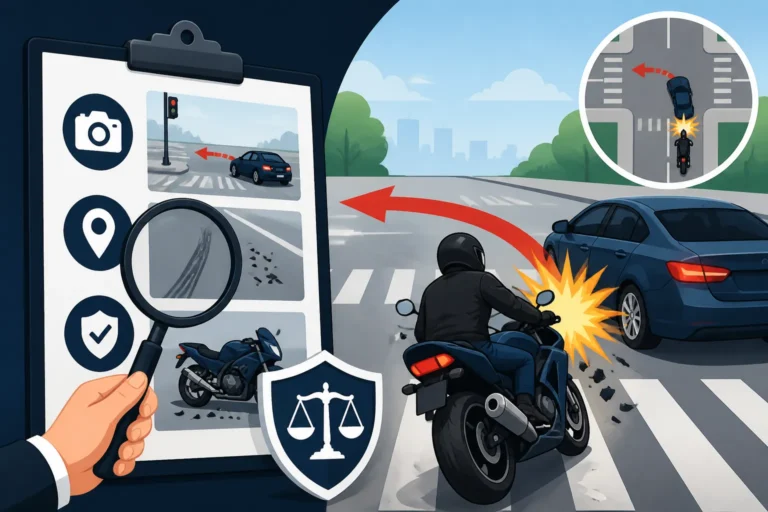
This prejudicial assumption is a serious hurdle. For example, after a left-turn collision where a car driver failed to see a motorcycle and turned directly into its path, some might still question what the motorcyclist "could have done" differently, rather than focusing solely on the car driver's clear failure to yield. Insurance companies, being the savvy businesses they are, are keenly aware of these biases. They often leverage them to assign an unfair percentage of fault to the motorcyclist, even if based on flimsy evidence or pure conjecture. This tactic can significantly reduce the amount of compensation they're willing to offer. Understanding this bias is the first step in combating it and ensuring your rights aren't trampled. It’s a frustrating reality, but being aware means you can be proactive in challenging these unfair assumptions. For a deeper dive into this issue, you might want to read about how Rider Bias in Fault Determination can impact your case.
How Traffic Violations Directly Influence Fault
Traffic violations are more than just annoying tickets; in the context of a motorcycle accident, they can become powerful pieces of evidence that directly impact who is assigned fault and, consequently, who pays for the damages. Both your violations and the other driver's violations will be scrutinized.
Traffic Citations as Evidence of Negligence
When a police officer arrives at the scene of an accident, one of their primary tasks is to investigate what happened and, if warranted, issue traffic citations. These citations, whether for speeding, running a stop sign, or an unsafe lane change, are essentially an official statement by law enforcement that a specific traffic law was broken. For insurance companies and legal teams, a traffic ticket issued to one of the parties involved serves as powerful, albeit not always conclusive, evidence of negligence.
Consider a scenario in a busy intersection in Phoenix, Arizona. If a car driver receives a ticket for failing to yield while turning left, that ticket strongly suggests they were negligent and caused the accident. This piece of paper often becomes a central point in establishing who is at fault in a motorcycle accident. However, it's crucial to understand that a traffic citation isn't the final word. While it certainly carries weight, it doesn't automatically mean fault is fully assigned. Sometimes tickets are wrongly issued, or they don't capture the full complexity of the situation. This is why a thorough investigation is always necessary, looking beyond just the initial police report. How Police Reports Establish Fault goes into more detail about the importance and limitations of these reports.
Examples of Common Violations and Their Impact
Let's break down some common traffic violations and how they frequently play a role in determining fault in a motorcycle crash:
-
Speeding: Perhaps one of the most common violations, speeding can significantly impact fault. Even if another driver commits a primary error, like turning in front of you, if you were exceeding the posted speed limit, the insurance company for the other driver might argue that your speed contributed to the accident or the severity of your injuries. They could claim that if you had been going slower, you might have had enough time to react and avoid the collision, or at least lessen its impact. This could lead to a reduction in your overall settlement amount under comparative negligence rules. It's a tough pill to swallow, but even a few miles over can be used against you.
-
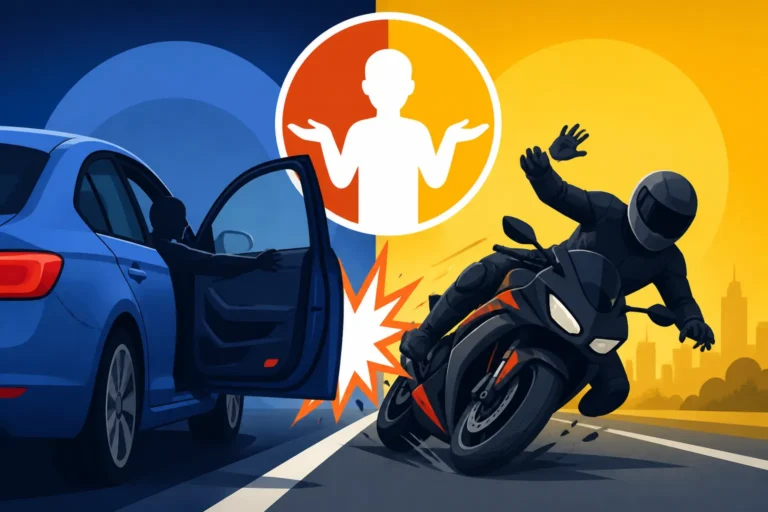
Unsafe Lane Changes: This is a particularly pertinent issue for motorcyclists, who are often overlooked in blind spots. If a car changes lanes unsafely and collides with you, the car driver is clearly at fault. However, if you as the motorcyclist were attempting an unsafe lane change, perhaps without properly signaling or by weaving through traffic, you could bear some responsibility. For example, if you were trying to squeeze between two vehicles without adequate space, and one of them suddenly moved, the blame could be shared. This type of incident is often contentious, and understanding Motorcycle Accidents Caused by Unsafe Lane Changes can be critical.
-
Failure to Yield: This is a huge factor in many motorcycle accidents, especially at intersections. Drivers often claim they "didn't see" the motorcycle. If a driver fails to yield the right-of-way, whether at a stop sign, yield sign, or when turning left, they are typically deemed at fault. Their violation of the right-of-way rule is a direct breach of their duty of care. Conversely, if you as the motorcyclist fail to yield when required, even if you feel the other driver was also negligent, you could be assigned partial or even primary fault. This often comes up in situations like Who Is at Fault in a Failure To Yield Motorcycle Accident.
-
Drunk Driving or Distracted Driving: These violations are almost universally seen as egregious and will heavily lean the fault determination towards the impaired or distracted driver. If the other driver was under the influence of alcohol or drugs, or actively texting, checking social media, or otherwise distracted, their actions are considered grossly negligent. This kind of behavior not only proves fault but can also open the door to punitive damages in some jurisdictions, meaning they could be ordered to pay additional compensation beyond your actual losses as a form of punishment. Similarly, if a motorcyclist is found to be driving under the influence or distracted, they will face severe consequences regarding fault and potential criminal charges. It's vital to know How Drunk Driving Affects a Motorcycle Claim and How to Prove the Other Driver Was Distracted can influence your case.
| Traffic Violation | Likelihood of Affecting Fault | Potential Impact on Settlement | Notes |
|---|---|---|---|
| Speeding | High | Moderate to Significant Reduction | Can be used to argue contributory negligence, even if not primary cause. |
| Failure to Yield | Very High | Significant to Primary Fault | Often the direct cause of intersection accidents. |
| Unsafe Lane Change | High | Moderate to Primary Fault | Especially critical in sideswipe collisions or when changing lanes in heavy traffic. |
| Drunk/Distracted Driving | Extremely High | Primary Fault | Almost always leads to primary fault; may incur punitive damages. |
| Expired Registration | Low | Minimal to None | Usually doesn't affect fault for the accident itself, but can lead to a separate citation. |
| Faulty Equipment (e.g., non-working headlight) | Moderate | Minor to Moderate Reduction | Can be argued as a contributing factor to the accident, especially at night. |
The Role of Comparative Negligence
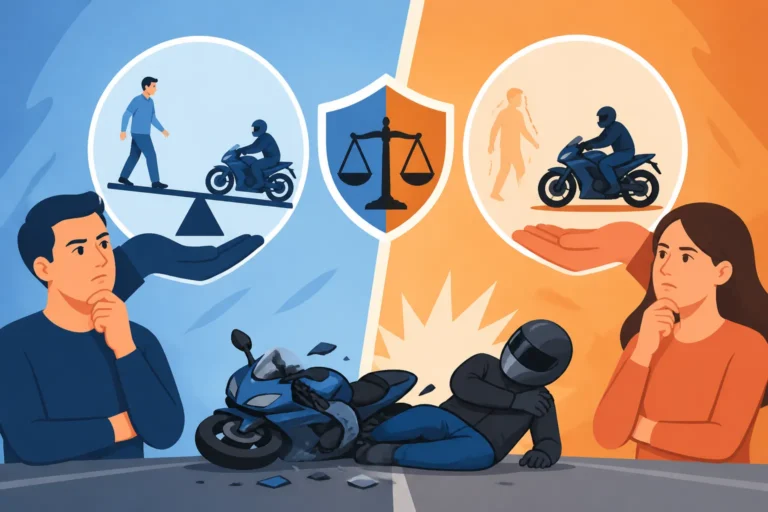
It's rare for an accident to be 100% one person's fault and 0% the other's. Often, both parties contribute in some way, shape, or form to the collision. This is where the legal principle of comparative negligence comes into play, and it's absolutely crucial for motorcyclists to understand its implications, especially when a traffic violation is involved.
Understanding Shared Fault States
In an ideal world, the person who caused the accident would bear full financial responsibility for all damages. However, in reality, traffic dynamics are complex, and many states recognize that fault can be shared. This is where comparative negligence laws step in. Instead of an "all or nothing" approach, these laws allow for damages to be apportioned based on each party's degree of fault. This is incredibly important because if you, as the motorcyclist, are found to be even partially at fault due to a traffic violation, your ability to recover full compensation will be impacted.
There are generally two types of comparative negligence:
-
Pure Comparative Negligence: In states like California, if you are found to be 80% at fault and the other driver 20% at fault, you can still recover 20% of your damages. The principle here is that you can recover some damages no matter how much fault is assigned to you, as long as you can prove the other party contributed. So, even if you were speeding and assigned 60% fault, you could still recover 40% of your medical bills and other losses from the other driver.
-
Modified Comparative Negligence: This is more common and comes in two flavors: the "50% Bar Rule" and the "51% Bar Rule."
- 50% Bar Rule: In states like Ohio or North Carolina, if you are found to be 50% or more at fault, you cannot recover any damages from the other party. If you are 49% or less at fault, your damages are reduced by your percentage of fault.
- 51% Bar Rule: States like Florida and Texas use this rule. If you are found to be 51% or more at fault, you cannot recover any damages. If you are 50% or less at fault, your damages are reduced by your percentage of fault.
Understanding which type of rule applies in your state is paramount, as it directly impacts your potential settlement. For a broader perspective, exploring Comparative Negligence in Motorcycle Accidents can provide additional insights into how these rules are applied.
How Partial Fault Reduces Your Settlement
Let's illustrate how this works with a practical example. Imagine you're riding through Orlando, Florida, and a distracted driver suddenly merges into your lane without looking, causing you to crash. Your total damages, including medical bills, lost wages, and pain and suffering, are calculated at $100,000. However, during the investigation, it's discovered that you were riding with an aftermarket exhaust system that was illegally loud for Florida regulations, and the other driver's insurance company argues that this made it harder for their driver to detect you.
The insurance company, or a jury if the case goes to court, might assign 20% of the fault to you because of the loud exhaust and 80% to the distracted driver. Under Florida's modified comparative negligence (51% rule), since your fault is less than 51%, you can still recover, but your $100,000 settlement would be reduced by your 20% share of fault. This means you would only receive $80,000. This deduction highlights the significant impact that even a seemingly minor traffic violation on your part can have on your total compensation.
The stakes are even higher in states like Virginia, which follows contributory negligence, a much harsher rule where if you are found even 1% at fault, you cannot recover any damages. While most states have moved away from pure contributory negligence, it’s a stark reminder of how critical it is to mitigate any perceived fault on your part. This reduction due to shared fault is a common tactic used by insurance companies to minimize payouts, which is why fighting any allegations of your own negligence is so important. If you want to dive deeper into how this impacts your compensation, take a look at How Comparative Negligence Reduces Your Payout. Understanding these rules, and especially How the 50% Fault Rule Works or the 51% rule, can give you a clearer picture of your claim's potential value.
Strategies for Addressing Traffic Violations After a Crash
When a traffic violation becomes part of your accident claim, whether you received the ticket or the other driver did, it adds a layer of complexity. It's not enough to simply accept what's on the police report; proactive steps are often necessary to protect your rights and your potential settlement.
Contesting the Traffic Ticket
If you receive a traffic ticket at the scene of a motorcycle accident, your immediate thought might be to just pay it and move on. After all, you're dealing with injuries, motorcycle repairs, and probably a mountain of stress. However, paying that ticket is effectively an admission of guilt, and that admission can be used against you in your personal injury claim. It can become powerful evidence for the other driver's insurance company to argue that you were at least partially at fault for the accident, thereby reducing your potential settlement.
This is why, in many cases, it's incredibly important to contest the traffic ticket. Fighting the ticket in traffic court, even if it feels like a small battle, can have significant ramifications for your larger personal injury claim. If you successfully get the ticket dismissed or reduced to a non-moving violation, it weakens the other party's argument that your traffic violation contributed to the crash. You might even find that the police officer's account or evidence is insufficient to prove your guilt beyond a reasonable doubt in traffic court.
To contest the ticket effectively, you'll need to prepare. Gather any evidence you have, such as photos of the scene, witness statements, or dashcam footage. Review the police report carefully for inaccuracies. Sometimes, simply explaining the full context of the accident to the judge can make a difference. While traffic court is different from civil court, a "not guilty" verdict or a dismissal can be a huge win that removes a significant hurdle in your accident claim.
Gathering Evidence to Shift or Mitigate Fault
After a motorcycle accident, the moments immediately following the crash are critical for gathering evidence, especially if there's any dispute over fault or if you've been unfairly accused of a traffic violation. Don't rely solely on the police report; officers might not always capture every detail, and their perspective can be influenced by inherent biases.
Your priority should be to document everything you possibly can. Take extensive photos and videos of the accident scene from multiple angles: your motorcycle's position, the other vehicle's position, any skid marks, road debris, traffic signs, road conditions, and your injuries. If you have a dashcam on your helmet or bike, that footage can be invaluable in proving what truly happened and disproving any allegations of your own wrongdoing. Get contact information for any witnesses, as their unbiased testimony can be crucial in corroborating your account and refuting the other driver's claims. For a detailed guide on what to collect, check out Motorcycle Accident Evidence for Proving Fault.
Beyond the immediate scene, medical records are paramount. Document all your injuries, treatments, and prognosis, as these prove the extent of the damages caused by the crash. If a traffic violation is alleged against you, an accident reconstruction expert can be a game-changer. These specialists can analyze physical evidence, vehicle data, and witness accounts to create a detailed scientific explanation of how the accident occurred. Their expert testimony can often dismantle arguments of your fault based on a traffic violation, particularly if it's unclear who was really to blame. Knowing When to Hire an Accident Reconstruction Expert can make a significant difference in a complex case. Their findings can often shift the blame more accurately or significantly mitigate any fault assigned to you.
The Impact of Not Wearing a Helmet or Proper Gear
While traffic violations directly relate to how an accident happens, a different set of laws and legal arguments come into play regarding protective gear. Not wearing a helmet or adequate riding gear doesn't usually cause the accident itself, but it can profoundly impact your injury claim and the compensation you receive.
The "Helmet Defense" and Its Implications
If you weren't wearing a DOT-compliant helmet during your motorcycle accident, even if the other driver was clearly at fault for causing the crash, their insurance company might invoke what's known as the "helmet defense." This legal strategy argues that your head injuries would have been less severe, or perhaps even avoided entirely, had you been wearing a helmet. It's a tricky argument because it doesn't aim to prove you caused the accident, but rather that you contributed to the severity of your own injuries.
For instance, if you sustain a traumatic brain injury in a crash where the other driver ran a stop sign in Pennsylvania (a state with a partial helmet law for riders under 21 or those without two years of riding experience/approved training), the opposing insurance company will almost certainly argue that your TBI would have been less severe if you'd worn a helmet, even if you weren't legally required to. This argument is then used to reduce the amount of compensation you can claim for your head injuries. They're essentially saying, "Yes, our client caused the crash, but your choice not to wear a helmet made your injuries worse, so we shouldn't have to pay for the full extent of those preventable damages."
It's a frustrating reality for riders, especially in states with partial or no helmet laws for adults, as it feels like an unfair attack after a traumatic event. The "helmet defense" can be a powerful tool for insurers to chip away at your settlement. This is why understanding The Helmet Defense Explained is crucial, even if you believe you were within the law.
State-Specific Helmet and Gear Laws
Motorcycle helmet laws vary significantly from state to state, creating a patchwork of regulations that can be confusing for riders, especially those traveling cross-country. Some states, like California, require all riders, regardless of age, to wear a DOT-approved helmet (universal helmet laws). Others, like Texas, have partial helmet laws, typically requiring helmets for riders under a certain age (e.g., 21) or those without specific insurance coverage or training. A few states, like Iowa and New Hampshire, have no universal helmet law for adults. For a comprehensive overview, checking Motorcycle Helmet Laws by State can be incredibly informative.
However, even in states where helmets aren't universally required, the "helmet defense" can still be used. It’s not about legality; it’s about causation of injury severity. Beyond helmets, the absence of other protective gear can also be used against you. If you suffer severe road rash because you weren't wearing a proper motorcycle jacket, gloves, or riding pants, the opposing insurance company might argue that your decision not to wear full gear contributed to the extent of your injuries. They could claim that if you had worn appropriate gear, your road rash would have been less severe, thereby reducing the amount of compensation they're liable for. This tactic is used to reduce payouts for medical expenses, pain and suffering, and even lost wages if your recovery time was extended due to preventable injuries. This is why it’s always recommended to wear as much protective gear as possible, not just for safety, but also to protect your legal claim. Understanding How Missing Gear Affects Your Claim can provide important context for your case.
When to Seek Professional Legal Help
Navigating the aftermath of a motorcycle accident is inherently challenging, but when traffic violations or allegations of shared fault enter the picture, the complexity escalates dramatically. This is precisely when having an experienced legal advocate becomes not just helpful, but often indispensable.
Navigating Complex Fault Disputes
Imagine you've been involved in a motorcycle accident in Chicago, Illinois. The other driver ran a red light, but the police officer, perhaps influenced by rider bias, also issued you a ticket for an "unsafe lane change" because you swerved to try and avoid the collision. Now you're facing not only serious injuries and a totaled bike but also an accusation of fault. In such a scenario, the insurance companies will aggressively seize on any alleged traffic violation on your part to shift blame and reduce their payout. They might even try to pin the majority of the fault on you, leveraging their significant resources and legal teams.
These fault disputes are incredibly complex. They involve a deep understanding of traffic laws, accident reconstruction principles, and the nuances of comparative negligence in your specific state. Trying to argue against a large insurance company on your own, especially while recovering from injuries, is like trying to fight a fire with a squirt gun. They have a vested interest in minimizing their liability, and they're experts at it. This is not a time to go it alone. The reality is, if traffic violations are involved, or if fault is disputed in any way, you need an expert in your corner who understands how to counter these tactics and protect your rights. This situation clearly illustrates Do You Need a Motorcycle Accident Lawyer.
How an Attorney Can Help with Traffic Violations and Fault
A seasoned motorcycle accident attorney brings a wealth of knowledge and experience to the table that can be invaluable when dealing with traffic violations and fault disputes. First and foremost, they can immediately begin investigating the accident independently, not just relying on the police report. They'll gather critical evidence like traffic camera footage, black box data from vehicles, and detailed witness statements that might have been overlooked. They can even arrange for accident reconstruction specialists to provide an unbiased, scientific analysis of the crash, which can definitively challenge erroneous traffic citations or accusations of fault.
Furthermore, an attorney understands the intricacies of comparative negligence laws in your state (e.g., whether it's pure, 50%, or 51% modified comparative negligence). They can build a strong case to either disprove your alleged traffic violation or minimize your percentage of fault, ensuring that your settlement isn't unfairly reduced. They are adept at negotiating with aggressive insurance adjusters, who often try to lowball injured riders or trick them into admitting fault. An attorney acts as a buffer, handling all communication and protecting you from saying anything that could jeopardize your claim.
Beyond fault, they will meticulously calculate the full extent of your damages—medical expenses, lost wages, future rehabilitation costs, pain and suffering, and property damage—to ensure no stone is left unturned. They'll also be acutely aware of the statute of limitations, the strict deadline for filing a lawsuit in your state, ensuring your claim is filed on time. Trying to manage all these legal complexities while you are focusing on your recovery is simply too much for most people. A skilled attorney can significantly increase your chances of a fair settlement by navigating these legal minefields. To see how professional help can benefit you, consider reading How a Lawyer Increases Your Settlement. It’s about ensuring you get the compensation you truly deserve, not just what the insurance company wants to offer. Understanding The Statute of Limitations Explained is also critical, as missing this deadline can effectively end your claim.
Disclaimer
Please remember that the information provided in this article is intended for general informational purposes only and does not constitute legal advice. Motorcycle accident laws, fault determination, and comparative negligence rules vary significantly by state and specific circumstances. It is crucial to consult with a qualified motorcycle accident attorney in your jurisdiction to discuss the details of your particular situation and receive personalized legal counsel. Relying on this general information without professional legal advice could have detrimental consequences for your claim.