Motorcycle Accident Fault Laws in Wisconsin
Riding a motorcycle in Wisconsin offers some of the most breathtaking views, from the shores of Lake Michigan to the sprawling forests and dairy lands. But even the most careful rider can find themselves in a devastating accident. When that happens, one of the most immediate and overwhelming concerns is figuring out who's at fault and what that means for your ability to recover. The rules governing fault in Wisconsin can be a bit of a labyrinth, and understanding them is absolutely critical to protecting your rights and your future. This guide aims to cut through the confusion, explaining Wisconsin's specific fault laws and how they will directly impact your motorcycle accident claim.
Understanding Wisconsin's Modified Comparative Negligence
Wisconsin operates under a system known as "modified comparative negligence." This isn't just a legal term; it's a fundamental principle that dictates whether you, as a motorcycle rider, can recover damages after an accident and, if so, how much. It’s crucial to grasp this concept because it differs significantly from other states that might use "pure comparative negligence" or "contributory negligence." Many riders mistakenly believe that any shared fault automatically bars them from compensation, which isn't always true in Wisconsin.
The "51% Rule" Explained
At the heart of Wisconsin's modified comparative negligence system is what's often referred to as the "51% Rule." This rule establishes a threshold: you can only recover damages for your injuries and losses if you are found to be 50% or less at fault for the accident. If your percentage of fault is determined to be 51% or higher, then, unfortunately, you are completely barred from recovering any compensation from the other party.
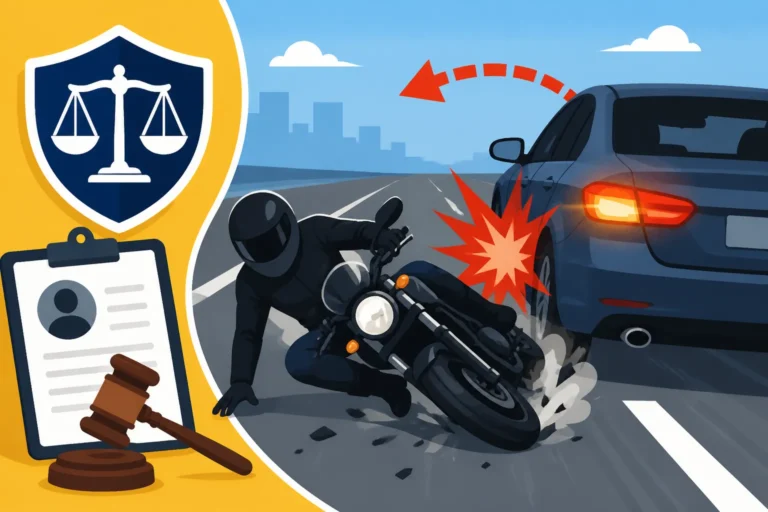
Let's unpack that a bit. Imagine a scenario where a car driver makes an illegal U-turn, causing a collision with your motorcycle. While the driver's actions are clearly negligent, perhaps you were riding slightly above the speed limit or failed to react as quickly as an average, prudent rider might have. In this case, a jury or an insurance adjuster might determine that the car driver was 80% at fault, and you were 20% at fault. Since your fault is 20% – which is less than 51% – you can still pursue a claim. However, your total damages would be reduced by your percentage of fault. So, if your total damages were $100,000, you would only be able to recover $80,000. This system aims for a fairer distribution of responsibility and ensures that those who bear primary responsibility are held accountable, while still allowing partially-at-fault victims to seek some recourse. This concept is a core part of what you need to understand about Comparative Negligence in Motorcycle Accidents.
How Your Percentage of Fault Affects Your Recovery
The impact of the 51% Rule cannot be overstated. It's not just about getting some money; it's about getting any money if you share some blame. For example, if you're deemed 50% at fault, you can recover 50% of your damages. That's a significant reduction, but it's still far better than receiving nothing at all. This is the critical line in the sand.
Consider this: a rider is involved in a collision with a distracted driver who ran a stop sign. The rider, unfortunately, was lane splitting, which, while legal in California under certain conditions, is not explicitly allowed in Wisconsin in the same way. An adjuster might argue that the lane splitting contributed to the accident or made it more severe. After a thorough investigation, if it's determined the distracted driver was 60% at fault and the rider was 40% at fault, the rider could still recover 60% of their damages. However, if the fault was reversed – rider 60% and driver 40% – the rider would recover nothing. This is precisely How the 51% Fault Rule Works in practice, making every percentage point a matter of intense negotiation and evidence presentation. It means that collecting every piece of evidence and understanding precisely how those pieces can paint a picture of fault is paramount, as even a small shift in perceived blame can drastically alter your settlement.
Determining Fault in a Wisconsin Motorcycle Accident
Figuring out who is at fault after a motorcycle accident in Wisconsin is rarely straightforward. It involves a meticulous examination of evidence, state laws, and often, the perspectives of those involved. Insurers and legal teams pour over every detail, looking to assign blame, or more accurately, to reduce their client's liability. As a rider, you need to understand how this process unfolds and what factors are typically considered.
Key Evidence in Fault Assessment
When an accident occurs, the facts surrounding it quickly become the battleground for fault determination. The more robust and clear the evidence, the stronger your position will be in arguing against a disproportionate fault assignment. One of the first pieces of evidence is usually the police report. While not always definitive, it often contains initial observations from law enforcement, witness statements, and sometimes even a preliminary determination of fault or citations issued.
Beyond the police report, witness statements are invaluable. People who saw the accident unfold can provide unbiased accounts that contradict an at-fault driver's narrative or an insurance company's assumptions. Skid marks, debris fields, and damage to both vehicles can tell a story of impact angles and speeds, which accident reconstruction specialists can interpret. Modern technology also plays a huge role; dashcam footage from other vehicles, surveillance video from nearby businesses, or even your own helmet camera can provide irrefutable proof of what happened. Taking photos of the accident scene, including road conditions, vehicle positions, and any traffic signs, is also critical. These are all vital components of Motorcycle Accident Evidence for Proving Fault and collecting them immediately after the crash can make all the difference.
Common Scenarios and Fault Allocation
Motorcycle accidents often involve unique circumstances that influence how fault is assigned under Wisconsin law. It's not always a clear-cut case of one party being 100% responsible. Understanding common accident types and how they are typically viewed can prepare you for the challenges ahead.
One of the most frequent and dangerous scenarios involves Motorcycle Accidents Caused by Left-Turn Collisions. A car driver turning left directly into the path of an oncoming motorcycle is a tragically common occurrence. Often, the driver claims they "didn't see" the motorcycle. In Wisconsin, the turning vehicle generally has a duty to yield to oncoming traffic. If the car driver failed to yield, they would typically be found primarily at fault. However, if the motorcyclist was speeding excessively or not using their headlight (even during the day, which is a common practice for visibility), an argument could be made for shared fault.
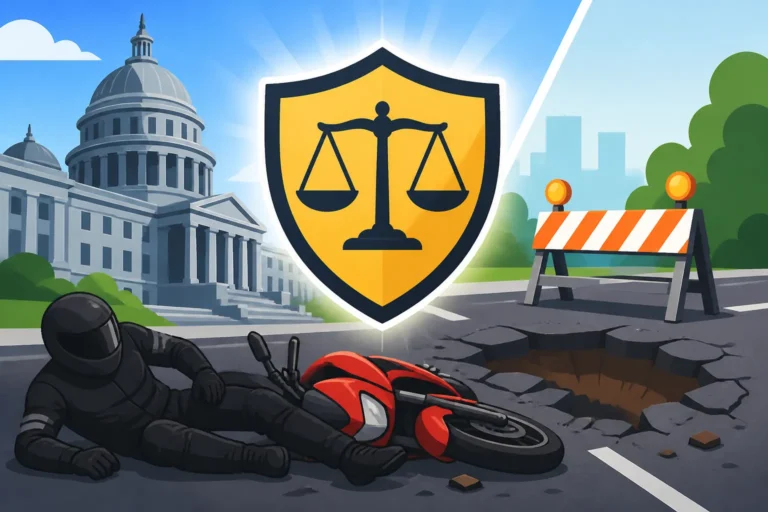
Another significant factor can be Motorcycle Accidents Caused by Road Hazards. Wisconsin's diverse terrain and varying weather conditions mean riders frequently encounter potholes, gravel, debris, or unmarked construction zones. If a poorly maintained road or an improperly managed construction site caused your accident, the responsible municipality or construction company could be held liable. However, you might still be assigned some fault if it's argued that a reasonable rider should have seen and avoided the hazard. Similarly, if you were involved in a crash because another driver was on their phone, learning How to Prove the Other Driver Was Distracted becomes essential to assign full fault to them and away from yourself. Each scenario demands a careful investigation into all contributing factors, not just the most obvious ones.
Navigating the Insurance Claims Process with Shared Fault in Wisconsin
Dealing with insurance companies after a motorcycle accident can be incredibly frustrating, especially when fault is being disputed. Insurance adjusters are trained to protect their company's bottom line, and that often means finding ways to reduce the amount they have to pay out. In Wisconsin, with its modified comparative negligence system, this often translates into efforts to shift blame onto the motorcyclist.
Insurance Companies and Rider Bias
It's an unfortunate truth that motorcycle riders often face an uphill battle when dealing with insurance companies. There's a pervasive, unfair stereotype that motorcyclists are inherently reckless or prone to dangerous behavior. Insurance adjusters are keenly aware of Wisconsin's 51% Rule, and they will often try to leverage any small detail to push your percentage of fault over that critical threshold. They might scrutinize your speed, your lane position, your gear, or even your riding experience to suggest you contributed more to the accident than you actually did. This tactic, often referred to as Rider Bias in Fault Determination, can make it feel like you're guilty until proven innocent, even when the other driver clearly caused the crash.
You might hear an adjuster claim, "Our insured stated you were going too fast," or "If you had been more visible, our driver would have seen you." These statements, while sometimes containing a grain of truth, are often designed to intimidate you into accepting a lower settlement or abandoning your claim entirely. They understand that most people aren't legal experts and might not know how to effectively counter these arguments. This is why understanding How Insurance Companies Assign Blame to Riders is crucial; it helps you prepare for the pushback and gather the specific evidence needed to counter their assertions.
Fighting an Unfair Fault Assignment
When an insurance company attempts to assign you a higher percentage of fault than you believe is fair, it's not the end of the road. You have the right to challenge their assessment, and doing so effectively often requires a strategic approach. The first step is to never admit fault at the scene or to an insurance adjuster. Stick to the facts and let the evidence speak for itself.
To counter an unfair fault assignment, you need to present compelling evidence that clearly demonstrates the other driver's negligence and minimizes your own. This might include accident reconstruction reports, expert witness testimony, traffic camera footage, or even detailed analyses of vehicle damage. For example, if an adjuster claims you were speeding, but your motorcycle's onboard diagnostics or a thorough skid mark analysis proves otherwise, that evidence can be powerful. If the other driver claims they didn't see you, but witnesses confirm your lights were on and you were clearly visible, that helps dismantle their defense. This is precisely How to Fight an Unfair Fault Assignment and requires diligence and often, professional assistance to compile and present your case effectively. Remember, the burden of proof is on the party asserting your fault, so make them prove it with solid evidence, not just assumptions.
The Role of Legal Counsel in Wisconsin Fault Disputes
Navigating the aftermath of a motorcycle accident in Wisconsin, especially when fault is contested, can be an overwhelming and complex ordeal. From dealing with immediate medical needs to battling persistent insurance adjusters, the process often feels stacked against the injured rider. This is precisely where experienced legal counsel becomes not just beneficial, but often absolutely essential.
Why a Lawyer is Crucial for Motorcycle Claims
After an accident, you're likely focused on recovering from your injuries and getting your life back on track. The last thing you need is the added stress of deciphering complex legal statutes, negotiating with seasoned insurance adjusters, or building a comprehensive case to prove fault. This is why asking, "Do You Need a Motorcycle Accident Lawyer?" almost always yields a resounding yes, particularly in a state with modified comparative negligence like Wisconsin.
A skilled personal injury attorney specializing in motorcycle accidents brings invaluable expertise to the table. They understand Wisconsin's specific fault laws, including the nuances of the 51% Rule, and how they apply to various accident scenarios. They know how to investigate a crash thoroughly, gathering critical evidence like police reports, witness statements, accident reconstruction data, and medical records. Furthermore, they are adept at countering common tactics used by insurance companies to minimize payouts or unfairly assign fault to riders. They can negotiate on your behalf, ensuring your rights are protected and that you receive fair compensation for all your damages – from medical bills and lost wages to pain and suffering. They can also connect you with medical specialists and guide you through the treatment process, allowing you to focus on your recovery.
Understanding Your Potential Payout with Shared Fault
One of the biggest questions on any injured rider's mind is, "What kind of settlement can I expect?" In Wisconsin, if shared fault is a factor, answering this question becomes even more complicated. You might be entitled to significant compensation, but your percentage of fault will directly reduce that amount. An experienced attorney can help you accurately assess the total value of your claim, taking into account all economic and non-economic damages, and then strategically work to minimize your assigned fault.
For example, if your total damages—including current and future medical expenses, lost wages, pain, suffering, and property damage—amount to $250,000, and you're found 20% at fault, your recoverable amount would be $200,000. However, without skilled legal representation, an insurance company might push for a 40% fault assignment, reducing your potential recovery to $150,000. This is a massive difference, highlighting How Comparative Negligence Reduces Your Payout and how crucial it is to have an advocate fighting for every percentage point. Your attorney will help prove the other party's negligence, gather compelling evidence of your injuries and losses, and argue fiercely to ensure that any fault assigned to you is fair and justified, ultimately maximizing your net recovery. They can also explain the implications of Wisconsin's motorcycle accident fault laws and guide you through the critical steps of What to Do After a Motorcycle Accident to protect your claim.
Table: Wisconsin's Modified Comparative Negligence at a Glance
| Scenario | Rider's Percentage of Fault | Outcome for Rider |
|---|---|---|
| No Fault | 0% | Recovers 100% of damages. |
| Partial Fault (Minor) | 1% – 50% | Recovers damages reduced by their percentage of fault (e.g., 20% fault means 80% recovery). |
| Equal Fault | 50% | Recovers 50% of damages. |
| Majority Fault (Barred) | 51% or more | Recovers 0% of damages. Completely barred from recovery. |
Disclaimer
Please remember that this article provides general information and insights into Wisconsin's motorcycle accident fault laws and modified comparative negligence. It is not intended as legal advice. Every accident is unique, and the specific facts and circumstances of your case will determine its outcome. For personalized legal guidance regarding your motorcycle accident claim in Wisconsin, it is always recommended to consult with a qualified personal injury attorney in your state.