How to Prove Fault in a Distracted Driving Crash
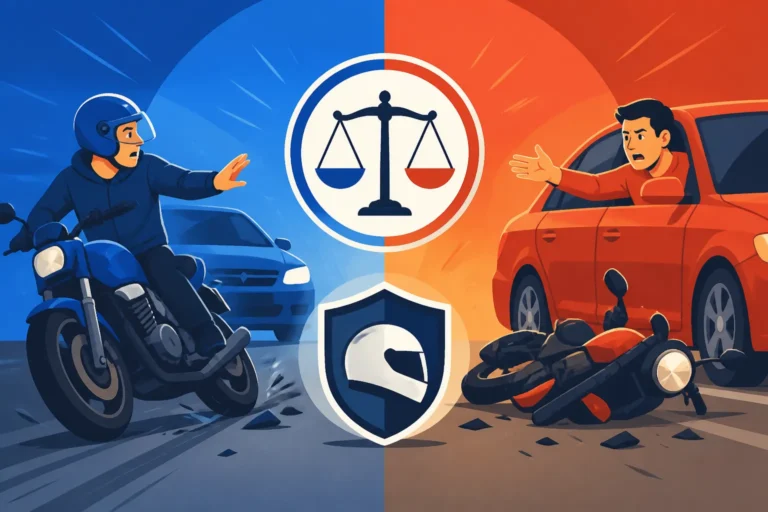
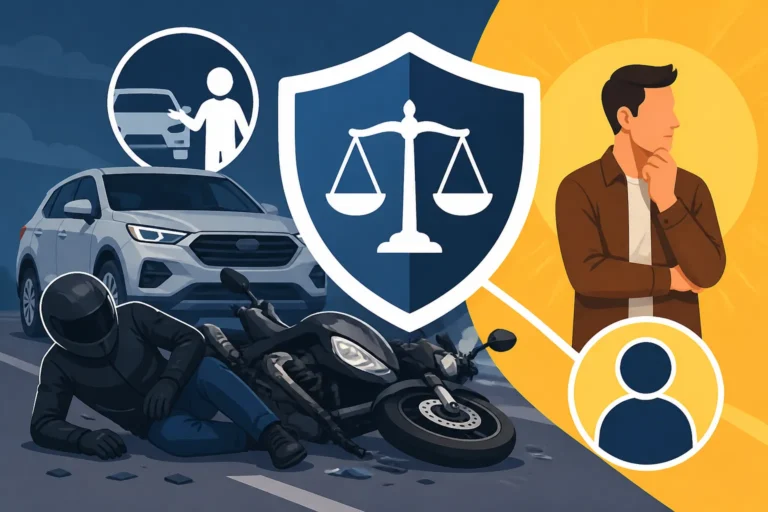
Getting into a motorcycle accident is terrifying enough, but when you realize the other driver wasn't even paying attention – that they were distracted by something preventable – it adds a whole new layer of frustration and anger. You're left not just with injuries and a damaged bike, but with the uphill battle of proving their negligence when they might deny everything. This guide is here to walk you through the crucial steps of proving fault in a distracted driving crash, helping you understand what evidence truly matters and how to build a strong case.
Understanding Distracted Driving and Its Grave Impact
As riders, we're keenly aware of how vulnerable we are on the road. We ride defensively, always scanning, always anticipating. But even the most vigilant rider can't account for a driver whose attention is elsewhere – on their phone, their navigation system, a passenger, or even a snack. Distracted driving isn't just a minor infraction; it's a critical safety issue, especially for motorcyclists, who are often harder to spot even by attentive drivers. When someone isn't looking, our chances of being seen plummet, and the consequences can be catastrophic.
What Constitutes Distracted Driving
Distracted driving encompasses any activity that diverts a driver's attention from the primary task of operating a vehicle. It's more than just texting; it's a broad category that can be broken down into a few key types:
- Manual Distractions: These are actions that cause a driver to take their hands off the steering wheel. Think about reaching for a dropped item, eating or drinking, adjusting the radio, or handling a GPS device. Even a split second of fumbling can lead to tragic results, especially for a motorcycle that occupies a smaller visual footprint.
- Visual Distractions: Anything that takes a driver's eyes off the road falls into this category. This could be looking at a phone screen, observing an accident on the side of the road, gazing at billboards, or even looking at something inside their own vehicle, like children in the back seat. This type of distraction is particularly dangerous because the driver completely loses sight of what's happening ahead, making it impossible to react to a motorcycle.
- Cognitive Distractions: These are perhaps the trickiest to spot and prove, as they involve the driver's mind wandering from the task of driving. This could be daydreaming, being lost in thought, having an intense conversation with a passenger, or being emotionally upset. While less obvious, a cognitively distracted driver is just as dangerous because their reaction time and decision-making capabilities are severely impaired.
The blend of these distractions often leads to a driver failing to yield, missing traffic signals, or drifting into other lanes – all scenarios that disproportionately affect motorcyclists. It’s a frustrating reality that many of our Common Causes of Motorcycle Accidents stem directly from someone else's lack of focus.
The Link Between Distraction and Motorcycle Crashes
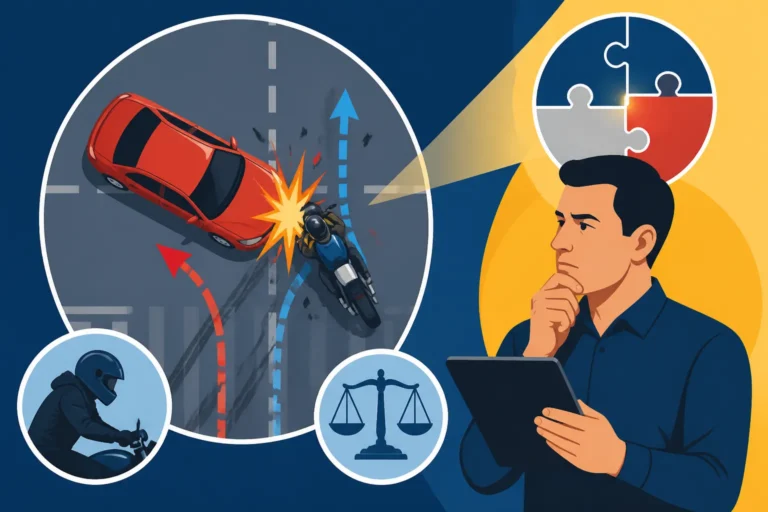
Motorcycles are inherently less visible than larger vehicles. This is a fact we live with every day, and it's why we wear bright gear, use loud pipes, and practice advanced riding techniques. However, when a driver is distracted, that inherent visibility challenge becomes an insurmountable hurdle. A driver who is texting and driving simply isn't scanning their mirrors, checking their blind spots, or looking twice at intersections. This often leads to situations like Motorcycle Accidents Caused by Left-Turn Collisions or Motorcycle Accidents Caused by Unsafe Lane Changes, where the driver claims, "I didn't see the motorcycle," a common defense that often masks underlying distraction.
The data supports this grim reality. Studies consistently show that distracted driving is a leading cause of vehicle accidents across the country, and given the vulnerability of riders, motorcyclists bear a significant portion of the severe injury and fatality statistics. When a car hits a motorcycle, the rider is almost always the one who suffers serious injury or worse, and often, the root cause is a driver who simply wasn't paying attention to the road. This isn't just statistics; it's the lived experience of countless riders and their families dealing with the aftermath of preventable crashes.
Gathering Key Evidence to Prove Distracted Driving
The moment after a crash, especially one caused by a distracted driver, is chaotic and often painful. However, what you do in those crucial first minutes, hours, and days can make or break your ability to prove fault. You need to act quickly and systematically to gather evidence, as memories fade, and evidence can disappear. Proving that someone was distracted often feels like an impossible task because you weren't inside their car, but there are many avenues to explore.
Immediate Actions at the Scene
The scene of the accident is a treasure trove of potential evidence. If you're physically able and it's safe to do so, these are the first steps you should take:
- Call 911 Immediately: This ensures medical attention for anyone injured and, crucially, brings law enforcement to the scene. The police will investigate, secure the area, and create an official How Police Reports Establish Fault. A police report, while not always conclusive on fault, can be a vital piece of evidence, especially if it notes any observations of distraction or if the other driver made any admissions.
- Document Everything with Photos and Videos: Your smartphone is your best friend here. Take pictures and videos from every angle imaginable.
- Vehicle Damage: Capture the damage to your motorcycle and the other vehicle. Show the points of impact clearly.
- Scene Overview: Photograph the entire accident scene – road conditions, traffic signs, skid marks, debris, and the positions of both vehicles before they are moved (if safe to do so).
- Driver's Vehicle Interior: This is especially important for distracted driving. Try to get photos of the other driver's lap, dashboard, or center console. Is there a phone visible? Is it illuminated? Are there open food containers, spilled drinks, or anything else that suggests distraction? Even a quick, blurry photo might be better than nothing.
- Your Injuries: Document any visible injuries, scrapes, road rash, or blood.
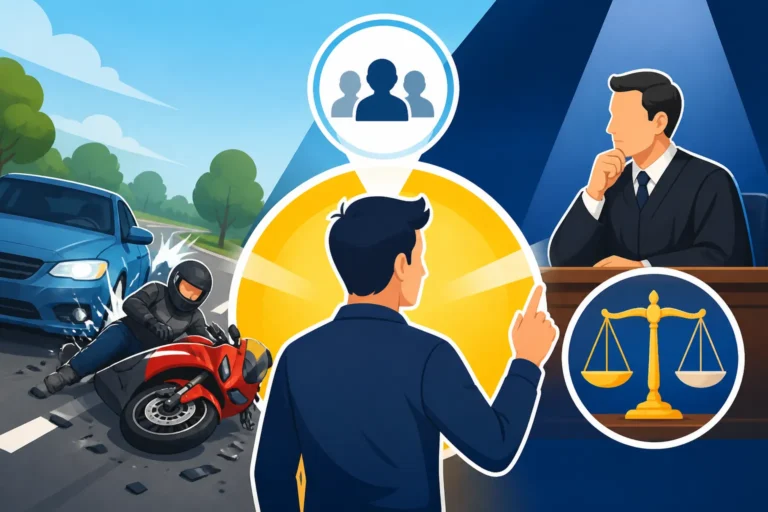
- Identify and Speak with Witnesses: Eyewitnesses can be invaluable in distracted driving cases. People who saw the other driver looking at their phone, swerving erratically, or failing to react could provide critical testimony. Ask for their names and contact information. Even if they didn't see the exact moment of impact, they might have noticed the driver's behavior just before. Remember, How Witnesses Affect Motorcycle Fault can significantly sway a case.
- Avoid Admitting Fault: Even if you're shaken, angry, or confused, do not apologize or admit any fault at the scene. Stick to the facts when speaking with police or the other driver. Anything you say can and will be used against you by insurance companies.
Post-Accident Investigation
Once you're safe and have sought medical attention, the investigation phase continues. This often requires persistent effort and sometimes the help of professionals.
- Obtain the Police Report: Follow up with the local law enforcement agency (e.g., California Highway Patrol, Texas Department of Public Safety, Florida Highway Patrol) to get a copy of the official accident report. This report will contain crucial details about the crash, including diagrams, officer observations, and driver statements. If the officer noted any signs of distraction or cited the other driver for a related offense (like texting while driving), this is powerful evidence.
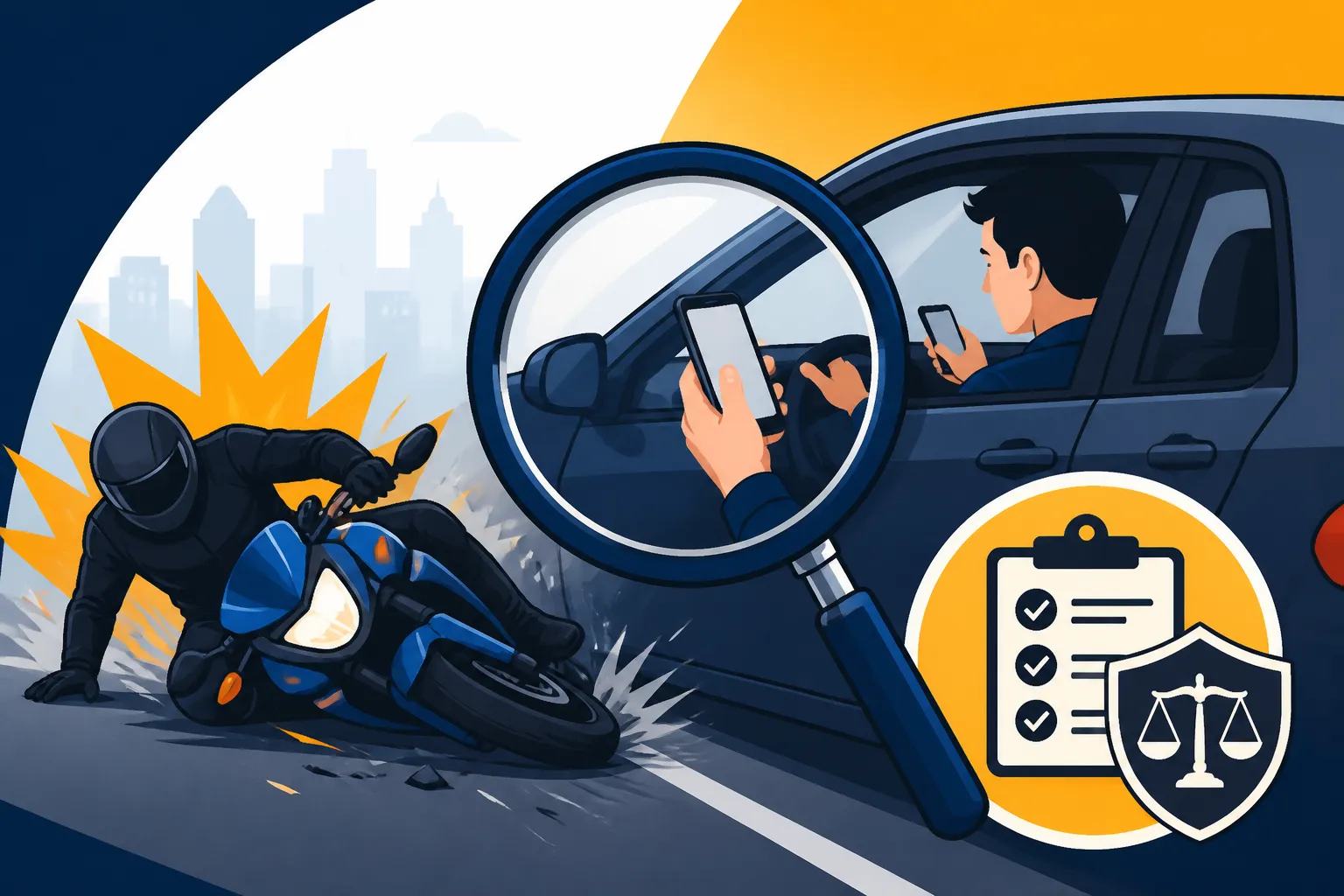
- Request Phone Records: This is often the most direct way to prove cell phone distraction. If the other driver was using their phone for texting, calling, or app usage around the time of the accident, their phone records will show it. However, obtaining these records typically requires a court order or subpoena, which is where legal assistance becomes essential. Your attorney can file the necessary motions to compel the at-fault driver to produce these records.
- Review Dashcam and Surveillance Footage: In today's world, cameras are everywhere.
- Your Dashcam: If you have a helmet cam or motorcycle dashcam, this is perhaps the single most powerful piece of evidence you can have. It can unequivocally show the other driver's actions, and sometimes even capture what they were doing inside their vehicle. This is incredibly strong evidence for How Dashcam Footage Proves Fault.
- Business Surveillance: Check nearby businesses, traffic cameras, or even doorbell cameras on houses close to the accident scene. Many establishments have exterior surveillance systems that might have captured the incident or the moments leading up to it. This can often show erratic driving behavior consistent with distraction.
- Other Drivers' Dashcams: Put out a call on local social media groups or through community forums. Another driver might have captured the incident on their dashcam.
- Accident Reconstruction: For complex cases, particularly those involving severe injuries, an accident reconstruction expert can be invaluable. These experts analyze physical evidence at the scene (skid marks, vehicle damage, debris patterns) and other data (black box data from vehicles, speed, angles of impact) to recreate the accident. They can often determine if a driver's delayed reaction time or unusual driving pattern is consistent with distracted driving. This specialized analysis can be crucial in proving who is at fault in a motorcycle accident.
Evidence Table for Distracted Driving Cases
Here's a quick look at the types of evidence and what they can reveal:
| Type of Evidence | What It Can Show | How to Obtain/Use |
|---|---|---|
| Police Report | Officer's observations, statements, citations issued, preliminary fault finding. | Request from local law enforcement agency. |
| Witness Statements | Eyewitness accounts of driver behavior (e.g., "they were looking at their phone"). | Get contact info at scene, attorney can follow up for sworn statements. |
| Photos/Videos (Scene) | Vehicle positions, damage, skid marks, road conditions, evidence of distraction in other vehicle. | Take with phone at scene, preserve immediately. |
| Phone Records | Calls, texts, data usage around accident time. | Requires subpoena/court order; attorney handles this. |
| Dashcam/Surveillance | Direct video evidence of the crash, driver behavior, surrounding environment. | Preserve your own footage; attorney requests external surveillance. |
| Black Box Data (EDR) | Vehicle speed, braking, steering input in moments before impact. | Requires subpoena/court order; useful for accident reconstruction. |
| Expert Testimony | Accident reconstruction, human factors analysis (reaction time, attention). | Hired by attorney to analyze evidence and provide professional opinion. |
| Driver Admissions | Other driver admitting distraction at scene or shortly after. | Noted in police report, witness statements, or sometimes captured on your own camera/phone recording (if legal in your state). |
This comprehensive approach to evidence collection is your best bet for successfully proving the other driver's distraction.
Overcoming Challenges and Strengthening Your Claim
Proving distracted driving isn't always straightforward. The at-fault driver might deny using their phone, and their insurance company will likely try to minimize their driver's responsibility or even shift blame to you, the motorcyclist. This is where your preparedness and strategic approach become absolutely vital.
Common Defenses and How to Counter Them
Insurance companies are masters at playing defense, and they often rely on common tactics to avoid paying out full settlements. You need to be aware of these and know how to counteract them:
- "I Didn't See the Motorcycle" Defense: This is perhaps the most infuriating and common defense after a motorcycle accident. While it sounds like an admission of failing to keep a proper lookout, insurance companies often try to frame it as a rider visibility issue rather than driver negligence. Your response here is critical. The core of this defense is often a tacit admission of distraction. If they didn't see you, it’s because they weren't looking, and that's the definition of distracted driving. Counter this by emphasizing your efforts to be visible (bright gear, headlights on) and presenting evidence that shows the driver should have seen you if they were attentive – for example, a clear line of sight, lack of obstructions, and plenty of time for reaction. Dashcam footage or witness statements that confirm the driver was looking down or at something else just before the crash are gold here. This defense often highlights the driver's cognitive distraction.
- Denial of Phone Usage: Even when confronted with evidence, drivers may outright deny using their phone or claim they were simply checking the time or their GPS briefly. This is where phone records become indispensable. If their records show active texting, calling, or app usage at the precise time of the collision, their denial falls apart. Furthermore, witness statements or your own photos of the phone in their hand or lap can directly contradict their claims.
- Claiming You Were at Fault: Insurance companies frequently try to assign partial or full blame to the motorcyclist. They might argue you were speeding, lane splitting illegally, or riding recklessly. This is especially true if you live in a state with Comparative Negligence in Motorcycle Accidents laws, where even partial fault on your part can reduce your settlement. For instance, in states like California, which uses pure comparative negligence, even if you are 99% at fault, you can still recover 1% of your damages. In others, like Texas, with modified comparative negligence, if you're found more than 50% at fault, you might recover nothing. To counter this, meticulously document your own compliance with traffic laws. Your dashcam footage can be invaluable here, proving your speed, position, and adherence to traffic rules. Expert testimony from an accident reconstructionist can also debunk false claims of your fault by analyzing crash dynamics. It's crucial to understand How Insurance Companies Assign Blame to Riders and be prepared to fight back.
The Power of Documentation and Medical Treatment
Beyond gathering evidence of the other driver's distraction, you must also meticulously document your own injuries and recovery. This forms the basis of your damages claim and proves the severity of the accident.
- Comprehensive Medical Records: Seek immediate medical attention after the crash, even if you feel fine. Some injuries, like internal bleeding or whiplash, have delayed symptoms. Follow all doctor's orders, attend all appointments, and keep a record of every diagnosis, treatment, medication, and therapy session. Gaps in treatment can be used by insurance companies to argue that your injuries weren't severe or weren't related to the accident. Detailed medical records are key to proving Motorcycle Accident Traumatic Brain Injuries, Road Rash Injuries and Claims, and other common motorcycle accident injuries.
- Injury Journal and Photos: Keep a daily journal documenting your pain levels, limitations, emotional distress, and how your injuries impact your daily life. Take regular photos of your injuries as they heal (or don't heal), especially for things like road rash, bruising, or surgical scars. This personal account and visual evidence can be powerful tools to convey the human cost of your injuries to an insurance adjuster or jury.
- Lost Wages and Expenses: Keep detailed records of all lost income due to your injuries, including pay stubs, tax returns, and letters from your employer. Also, track all out-of-pocket expenses related to the accident, such as medical bills, prescription costs, transportation to appointments, and even the cost of repairing or replacing damaged gear. These are all crucial components in calculating How Motorcycle Accident Settlements Are Calculated.
The Role of Legal Expertise in Distracted Driving Cases
When you're dealing with serious injuries and battling an insurance company that's trying to deny liability, trying to navigate the complexities of a distracted driving claim on your own can feel overwhelming, if not impossible. This is precisely when having an experienced motorcycle accident attorney on your side becomes absolutely essential.
Why a Motorcycle Accident Lawyer is Indispensable
While some minor fender-benders might be handled without legal intervention, a motorcycle accident involving distracted driving and significant injuries almost always warrants professional legal help. Here’s why:
- Expertise in Proving Distraction: Motorcycle accident lawyers specialize in these types of cases. They know the common signs of distracted driving, the specific evidence needed to prove it, and the legal strategies required to obtain that evidence (like compelling phone records). They understand the nuances of state laws regarding distracted driving and how those laws impact your claim. An attorney knows Motorcycle Accident Evidence for Proving Fault, and how to leverage it.
- Dealing with Insurance Companies: Insurers are not on your side. Their primary goal is to pay as little as possible. They will employ tactics designed to undervalue your claim, shift blame, or pressure you into a quick, lowball settlement. A seasoned attorney understands these tactics and can effectively negotiate with adjusters, protecting your rights and ensuring you don't accept less than you deserve. They know How to Negotiate a Motorcycle Accident Settlement.
- Access to Resources and Experts: Lawyers have networks of professionals they can call upon. This includes accident reconstructionists, medical experts, vocational experts (to assess lost earning capacity), and private investigators. These experts can provide critical testimony and analysis that significantly strengthens your case, especially when fault is disputed or injuries are severe.
- Navigating Complex Legal Procedures: From filing the initial claim and drafting demand letters to managing discovery, negotiating liens, and potentially taking your case to trial, the legal process is intricate. An attorney handles all the paperwork, deadlines, and legal filings, allowing you to focus on your recovery. They also know the specific Motorcycle Accident Fault Laws in California, or any other state you're in, which are critical for your claim.
- Maximizing Your Settlement: Ultimately, an attorney’s primary role is to secure the maximum possible compensation for your injuries and losses. They accurately calculate the full extent of your damages, including current and future medical expenses, lost wages, pain and suffering, and property damage. Their experience often leads to significantly higher settlements than individuals could achieve on their own. It's often the case that How a Lawyer Increases Your Settlement, making their fees a worthwhile investment.
When to Engage Legal Counsel
The general rule of thumb is to contact a motorcycle accident lawyer as soon as possible after the crash. The sooner they get involved, the better they can protect critical evidence, interview witnesses while memories are fresh, and guide you through the crucial steps post-accident. Delaying can result in lost evidence, missed deadlines, and a weakened claim.
Many motorcycle accident lawyers work on a contingency fee basis, meaning you don't pay anything upfront, and they only get paid if they win your case. This makes quality legal representation accessible to everyone, regardless of their financial situation. Don't let the thought of legal fees deter you from seeking the help you need after a devastating distracted driving crash.
Final Thoughts for Riders
Being involved in a motorcycle accident is one of the most frightening experiences a rider can face. When it's caused by a distracted driver, the injustice feels even more profound. Remember, proving fault in a distracted driving crash is a challenging but achievable goal. It requires diligence, careful evidence collection, and often, the guidance of a skilled legal professional. By understanding what constitutes distracted driving, acting quickly at the scene, relentlessly pursuing evidence, and knowing how to counter common insurance tactics, you can significantly strengthen your claim and work towards the justice and compensation you deserve. Stay safe out there, and know your rights.
Disclaimer
Please remember that this article provides general informational guidance and is not a substitute for professional legal advice. Every motorcycle accident case is unique, and the laws governing personal injury claims vary by jurisdiction. You should consult with a qualified attorney to discuss the specifics of your situation and understand your legal options.