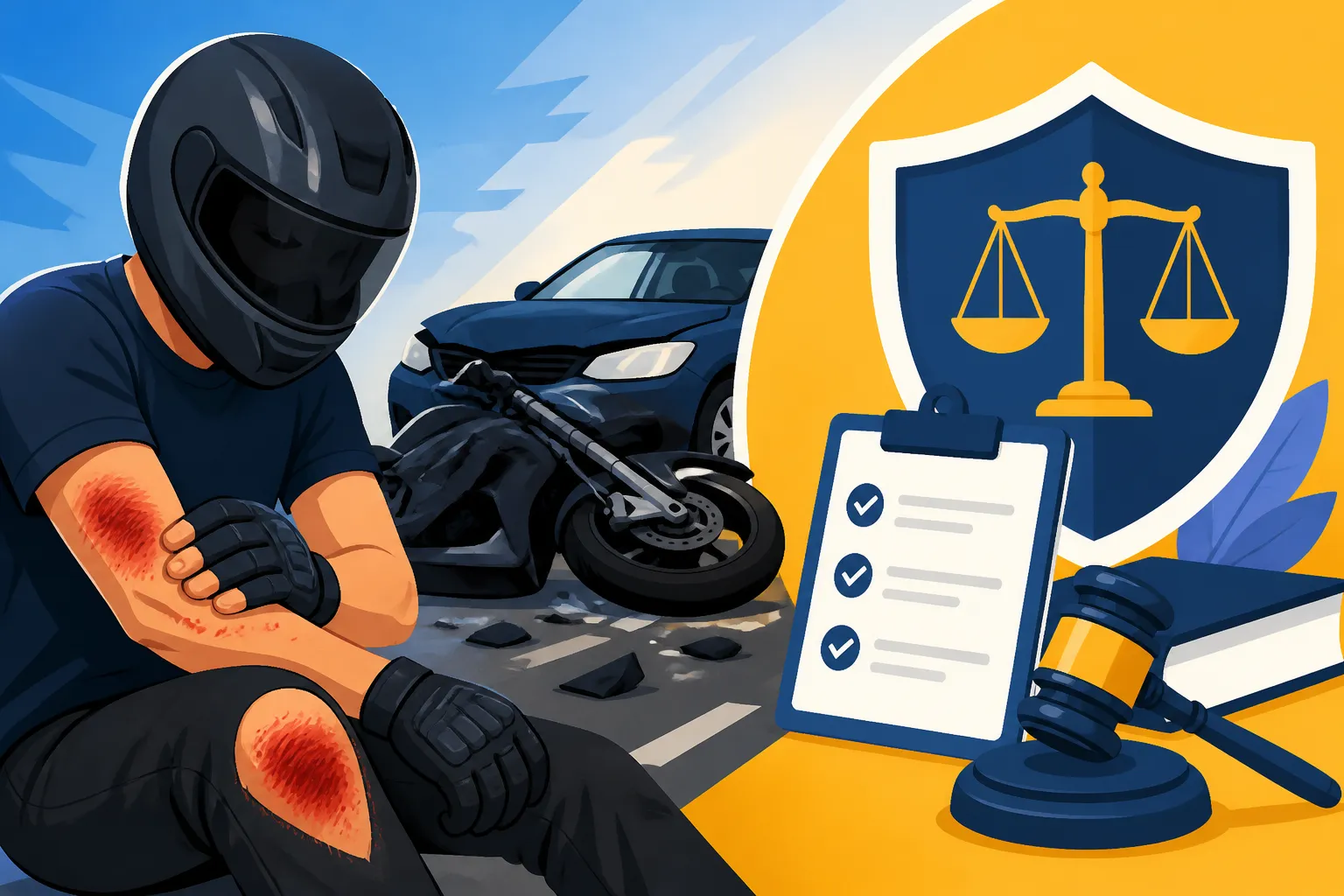
Road Rash Injuries and Claims
Riding a motorcycle offers unparalleled freedom and exhilaration, but it also comes with unique risks. One of the most common, and often severely underestimated, injuries riders face is road rash. Many people, even riders, might dismiss it as just a few scrapes, but the reality is far more gruesome and impactful, leading to agonizing pain, disfiguring scars, and extensive medical treatments that can throw your life into chaos. This guide aims to pull back the curtain on the true nature of road rash, detailing its various degrees, the medical care it demands, how to properly document these injuries for a claim, and what you can expect when seeking compensation for the physical and emotional toll it takes.
What Exactly is Road Rash? Unpacking This Common Motorcycle Injury
When we talk about "road rash," it sounds almost quaint, like a minor inconvenience. But for anyone who has experienced it, or for medical professionals who treat it, the term hardly captures the brutal reality of the injury. It’s not just a superficial scrape; it’s a severe form of abrasion caused by skin sliding across a rough surface, typically asphalt, at speed. The sheer force of impact and friction can peel away layers of skin, muscle, and even bone, leaving behind raw, exposed tissue.
Beyond the Scrape: Understanding the Injury Mechanism
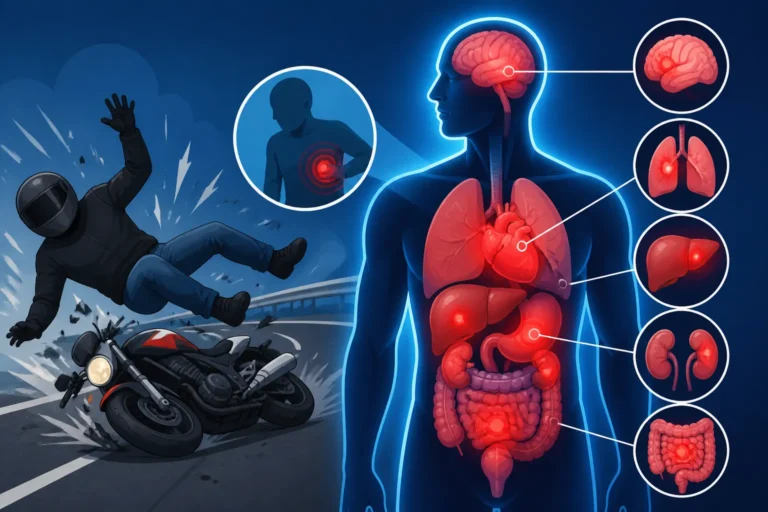
Imagine the moment of impact: you're ejected from your bike, and your body hits the unforgiving pavement, sliding, tumbling, scraping. This isn't a gentle fall. It's a high-energy event where your skin acts as the primary buffer between your body and the road. The friction literally tears away at your flesh, layer by layer. It's akin to using sandpaper on wood, but instead of wood, it's your living tissue. The longer and faster you slide, the deeper the injury becomes, often embedding dirt, gravel, glass, and other road debris deep into the wound. This isn't just painful; it's a massive open wound, a gaping invitation for infection, and a significant challenge for even the most advanced medical care.
Often, riders report a strange sensation during the slide – a burning, tearing feeling followed by a profound coldness as nerve endings are destroyed. This initial trauma sets the stage for a long and arduous healing process. The debris embedded in the wounds, known as "traumatic tattooing," must be meticulously cleaned out by medical professionals, often requiring extensive scrubbing or even surgical debridement, which can be excruciatingly painful. Ignoring this step can lead to permanent discoloration and a higher risk of serious infection.
Why Road Rash is Uniquely Severe for Riders
Motorcycle accidents are inherently different from car accidents because riders lack the protective cage of a vehicle. There’s no steel frame, no airbags, no seatbelts to absorb impact. When a motorcyclist goes down, their body is directly exposed to the road and other vehicles. This direct exposure means that road rash, while technically an abrasion, often comes hand-in-hand with other severe injuries such as Motorcycle Broken Bones Claims and Compensation, Motorcycle Traumatic Brain Injury Claims and Compensation, or even Motorcycle Spinal Cord Injury Claims and Compensation.
The combination of high speed, lack of protection, and the abrasive nature of road surfaces makes road rash in motorcycle accidents particularly severe. Unlike a scraped knee from a bicycle fall, motorcycle road rash often affects large areas of the body – arms, legs, back, shoulders, and hips. These are extensive wounds that significantly compromise the skin's ability to protect the body, regulate temperature, and prevent fluid loss. The sheer size and depth of these wounds can lead to hospitalization, multiple surgeries, and a recovery period that stretches for months or even years. The psychological impact of disfigurement and chronic pain can also be profound, affecting a rider’s confidence and quality of life long after the physical wounds have ostensibly healed.
Identifying the Degrees of Road Rash and Their Severity
Just like burns, road rash is classified into different degrees, indicating the depth of skin penetration and tissue damage. Understanding these classifications isn't just for medical professionals; it’s crucial for riders and their families to grasp the seriousness of the injury and what it means for recovery and potential Types of Damages in a Motorcycle Accident Claim.
First-Degree Road Rash: Superficial but Painful
First-degree road rash is the least severe form, affecting only the outermost layer of the skin, the epidermis. Think of it like a really bad scrape or a severe carpet burn. The skin will appear red, inflamed, and might be tender to the touch, but there's typically no deep bleeding, just some oozing of clear fluid. You might experience a stinging or burning sensation, similar to a sunburn.
While less dramatic than higher degrees, first-degree road rash can still be incredibly painful. The exposed nerve endings in the epidermis are highly sensitive. You'll likely see redness, minor swelling, and perhaps some light bleeding or serous fluid. It usually heals within a few days to a week with proper cleaning and bandaging, often without permanent scarring. However, it's still an open wound and susceptible to infection if not cared for diligently. Even a minor incident that results in first-degree road rash should prompt a medical evaluation, especially if debris is involved, to ensure proper cleaning and to rule out any underlying issues.
Second-Degree Road Rash: Partial Thickness Trauma
This is where road rash starts to get serious. Second-degree road rash involves damage to both the epidermis and the dermis, the layer beneath. This type of injury can be further divided into superficial partial-thickness and deep partial-thickness wounds. Superficial partial-thickness wounds affect the upper part of the dermis, causing redness, blistering, and significant pain, as many nerve endings are still intact. The skin may appear moist or weeping.
Deep partial-thickness road rash penetrates deeper into the dermis. These wounds are typically red or white, may be less painful than superficial second-degree injuries due to nerve damage, and often do not blanch (turn white) when touched. Blistering is common, and the wounds are usually moist. Healing takes longer, often weeks, and there's a higher risk of infection and scarring. Skin grafting may be necessary for larger or deeper areas of second-degree road rash, particularly if the wound is slow to heal or shows signs of infection. The long-term implications can include changes in skin texture, pigmentation, and chronic sensitivity or numbness in the affected area.
Third and Fourth-Degree Road Rash: Full Thickness and Deep Tissue Damage
These are the most catastrophic forms of road rash, extending through all layers of the skin and often into the subcutaneous fat, muscle, and even bone.
-
Third-degree road rash involves the complete destruction of the epidermis and dermis, exposing the subcutaneous tissue (fat). These wounds often appear white, leathery, charred, or waxy, and paradoxically, may be less painful than second-degree injuries because most nerve endings have been destroyed. There is a significant risk of infection, fluid loss, and severe scarring. Without immediate and aggressive medical intervention, including surgical debridement and skin grafting, these wounds cannot heal on their own. Recovery is extensive, requiring multiple surgeries, lengthy hospital stays, and intensive rehabilitation.
-
Fourth-degree road rash is the most extreme, extending beyond the skin and fat into muscle, tendons, ligaments, and sometimes directly to the bone. These injuries are life-threatening, often accompanied by massive blood loss, severe infection, and systemic shock. Amputation or reconstructive surgery involving tissue flaps and bone grafts may be necessary. The physical and psychological impact of fourth-degree road rash is devastating, leading to permanent disfigurement, loss of function, and chronic pain. The care required is akin to that for major trauma or severe burns, often involving specialized burn units and a multidisciplinary team of medical professionals. For more on severe injuries, you can look into Catastrophic Motorcycle Injuries Explained.
The table below provides a quick overview of road rash degrees:
| Degree of Road Rash | Skin Layers Affected | Appearance | Pain Level | Healing Time | Potential Complications |
|---|---|---|---|---|---|
| First-Degree | Epidermis (outermost layer) | Redness, swelling, tender, stinging | High (surface) | Few days to 1 week | Minor infection, temporary discoloration |
| Second-Degree | Epidermis & Dermis (partial) | Redness, blistering, moist, weeping, pain | Moderate to high | Weeks | Infection, significant scarring, changes in skin texture |
| Third-Degree | All skin layers & Subcutaneous fat | White, leathery, charred; little pain | Low (nerve damage) | Months, requires grafts | Severe infection, disfigurement, skin grafting, functional loss |
| Fourth-Degree | All skin layers, fat, muscle, bone | Charred, exposed muscle/bone | Variable | Months/Years, critical care | Life-threatening infection, amputation, extensive reconstruction, permanent disability |
Immediate Actions and Medical Care for Road Rash After a Crash
The moments immediately following a motorcycle accident can be chaotic and frightening. However, knowing what to do, especially concerning road rash, is crucial not only for your immediate health but also for the strength of any future Motorcycle Accident Evidence for Proving Fault or personal injury claim.
On-Scene Care: What You Can Do Safely
Your top priority after any motorcycle crash is personal safety and assessing your injuries. If you are able to move, get yourself and your motorcycle to a safe location away from traffic. Immediately call 911 to report the accident and request emergency medical services. Even if you feel okay, the adrenaline can mask significant injuries, including the full extent of road rash.
While waiting for paramedics, avoid moving or removing any gear if you suspect spinal injuries. For road rash, do not try to "clean" the wound with harsh chemicals or by scrubbing it aggressively. This can embed debris deeper and cause further trauma. If there's active bleeding, apply gentle, direct pressure with a clean cloth, if available, without disturbing the wound too much. Take photos of the scene, your bike, and any visible injuries, including your road rash, before they are cleaned or treated. Documenting the visible state of the road rash and any embedded debris before medical intervention can be invaluable evidence later on for your How to Document Injuries for a Claim. Remember, the police report is important, but your immediate actions help build a comprehensive picture. For a more detailed guide on immediate steps, refer to What to Do Immediately After a Motorcycle Accident.
The Critical Importance of Professional Medical Treatment
Let me be absolutely clear: all road rash, no matter how minor it seems, requires professional medical evaluation. Many riders, tough as nails, might be tempted to just clean it up at home. This is a dangerous mistake. Road rash is an open wound, and as such, it carries a high risk of infection, especially given the dirty environment in which it typically occurs.
Paramedics will assess the extent of your injuries, including your road rash, and provide initial wound care. They are trained to safely clean and dress the wounds, and can administer pain relief. More importantly, they can identify if the road rash is extensive enough to warrant immediate transport to an emergency room, or if there are other, more serious underlying injuries that might not be immediately apparent. A seemingly superficial patch of road rash might be hiding a deeper fracture or internal bleeding. Seeking immediate and continuous medical treatment is paramount, not just for your health, but also to establish a clear medical record linking your injuries to the accident. Gaps in treatment can be leveraged by insurance companies to dispute the severity or causation of your injuries.
Navigating Emergency Room Visits and Follow-Up Care
Once at the emergency room, doctors will thoroughly clean the road rash, often a painful process known as debridement, where debris and dead tissue are removed. This might involve strong scrubbing brushes or even surgical tools. You'll likely receive tetanus shots and possibly antibiotics to prevent infection. Depending on the severity, imaging tests (X-rays, CT scans) might be performed to check for Motorcycle Broken Bones Claims and Compensation or other internal injuries.
After the initial ER visit, follow-up care is critical. This could involve regular wound dressing changes, visits to a wound care specialist, physical therapy if mobility is affected, and potentially consultations with plastic surgeons for severe scarring or skin grafting. For deeper third or fourth-degree road rash, skin grafting is often a necessity. This involves taking healthy skin from another part of your body (a donor site) and surgically applying it to the damaged area. This is a complex procedure with its own set of risks and a lengthy recovery. Throughout this entire process, keep detailed records of all appointments, treatments, medications, and any recommendations from your medical team. These records are the backbone of your How to Prove Your Injuries.
Documenting Your Road Rash Injuries for a Successful Claim
When it comes to a motorcycle accident claim, the phrase "if it's not documented, it didn't happen" rings especially true. Thorough documentation of your road rash injuries is not just helpful; it’s essential to prove the extent of your suffering and to secure fair compensation.
Photography and Detailed Injury Journals
One of the most powerful pieces of evidence you can gather for your road rash claim is photographic documentation. Start immediately at the scene of the accident, if safe to do so. Capture clear, well-lit photos of your road rash from various angles, showing the size, depth, and any embedded debris before any medical cleaning. Continue taking photos regularly throughout your recovery process – daily or every few days initially, then weekly – to show the progression of healing, any blistering, infection, or the development of scarring. Include close-ups and wider shots to provide context.
Beyond photos, maintaining a detailed injury journal is invaluable. This isn't just a diary; it's a record of your daily pain levels (on a scale of 1-10), how the injuries impact your ability to perform daily tasks (getting dressed, sleeping, showering, working), your emotional state, and any limitations you face. Note down specific instances of discomfort, medication side effects, or setbacks in your recovery. This journal helps to quantify the Pain and Suffering in Motorcycle Settlements and Emotional Distress Damages you experience, providing a narrative that complements the objective medical records. For more on documenting, see How to Keep an Injury Journal.
Medical Records as Your Core Evidence
Your medical records are the undisputed foundation of your injury claim. Every visit to the emergency room, urgent care, your primary doctor, specialists (dermatologists, plastic surgeons, physical therapists), and every prescription fill contributes to this body of evidence. These records document:
- Diagnosis: The official medical findings of your road rash, including its degree and location.
- Treatment: The specific procedures performed, medications prescribed, and therapies recommended.
- Prognosis: Doctors' opinions on your expected recovery, potential for permanent scarring, or long-term complications.
- Costs: The direct financial impact of your medical care, which forms a significant part of your Economic Damages Explained.
It's crucial that you attend all scheduled appointments and follow all medical advice. Gaps in treatment or non-compliance with your doctor's orders can be interpreted by insurance companies as an indication that your injuries weren't as severe as you claim or that you weren't actively seeking recovery. This can severely undermine your claim. Obtain copies of all your medical bills and records as you go, or ensure your legal representative is doing so, to build a comprehensive file.
The Role of Expert Medical Testimony
For severe cases of road rash, particularly those involving third or fourth-degree injuries, significant scarring, disfigurement, or chronic pain, expert medical testimony becomes critical. This involves a doctor, often a plastic surgeon, dermatologist, or pain management specialist, providing an objective assessment of your injuries, their long-term impact, and the necessity of past and future medical treatments.
An expert can explain to an insurance adjuster, or a jury if your case goes to trial, the complex medical terminology, the mechanics of your injury, the permanence of your scars, and how these injuries will affect your quality of life. They can also estimate future medical costs, such as additional surgeries, scar revision treatments, physical therapy, or psychological counseling for the emotional trauma associated with disfigurement. Their testimony helps to solidify the causal link between the accident and your injuries, quantify the extensive nature of your damages, and counteract any attempts by the at-fault party's insurance to downplay the severity of your road rash. This level of detail is often needed for Long-Term Effects of Motorcycle Injuries.
Calculating Damages: What Your Road Rash Claim Could Be Worth
Understanding what your road rash claim could be worth is a complex puzzle, influenced by many factors. It’s not just about the immediate medical bills; it’s about the full spectrum of losses you’ve endured and will continue to face.
Economic Damages: Covering Medical Bills and Lost Wages
Economic damages are the quantifiable financial losses you incur due to your road rash injuries. These are typically straightforward to calculate because they come with receipts, invoices, and pay stubs.
-
Medical Expenses: This is often the largest component for road rash claims. It includes everything from the ambulance ride and emergency room visit to specialist consultations (dermatologists, plastic surgeons), surgeries (debridement, skin grafts), hospital stays, medications, wound care supplies, physical therapy, and even psychological counseling if the trauma warrants it. Keep every single bill, co-pay receipt, and explanation of benefits (EOB) from your insurance company. Future medical costs for ongoing scar revision, pain management, or therapy also fall under this category.
-
Lost Wages and Loss of Earning Capacity: If your road rash prevents you from working, you're entitled to compensation for lost income. This includes wages, commissions, bonuses, and benefits you would have earned. For freelancers or self-employed individuals, documenting this can be trickier, but it’s still recoverable. For more on how these are calculated, see How Lost Wages Are Calculated in a Motorcycle Claim. If your injuries are so severe that they permanently affect your ability to perform your job or work in your chosen profession, you can also claim Loss of Earning Capacity Explained. This considers the difference between what you could have earned over your lifetime versus what you'll realistically be able to earn with your injuries.
-
Property Damage: While not directly related to road rash, damage to your motorcycle, helmet, and riding gear (jacket, pants, gloves, boots) is also an economic loss from the accident. Your gear often takes the brunt of the road rash, proving its protective value, and the cost of replacement is recoverable.
Non-Economic Damages: Pain, Suffering, and Scars
While economic damages are about calculable financial losses, non-economic damages address the intangible losses that profoundly impact your quality of life. These are harder to put a specific dollar amount on but are often a significant part of a road rash settlement, especially for severe injuries.
-
Pain and Suffering: This encompasses the physical pain from the moment of impact through recovery, including surgical pain, dressing changes, and ongoing discomfort. It also includes the emotional distress, anxiety, depression, and fear associated with the accident, the recovery process, and the impact on your life. The excruciating pain of wound cleaning, the burning sensation of nerve damage, and the constant itching during healing are all aspects of pain and suffering.
-
Disfigurement and Scarring: Road rash, particularly second-degree or higher, almost invariably leads to scarring. These scars can be permanent, visible, and extensive, especially if skin grafting was required. Disfigurement refers to the alteration of your physical appearance. The psychological impact of visible scars, especially on the face or exposed body parts, can lead to severe self-consciousness, social anxiety, and a diminished sense of self-worth. This category also covers the loss of enjoyment of life, such as being unable to participate in hobbies, sports, or social activities due to pain, scarring, or embarrassment. For more detailed insights into this, check out How Scarring and Disfigurement Affect Settlements.
-
Loss of Consortium: In some cases, if the road rash injuries severely impact your relationship with your spouse or partner (e.g., affecting intimacy, companionship, or shared activities), they may also be able to claim loss of consortium.
The value of non-economic damages is usually determined by a "multiplier method" or "per diem method," where a daily rate is assigned for pain and suffering. Insurance companies will often try to minimize these, which is why strong documentation through your injury journal, mental health records, and expert testimony is vital.
The Impact of Permanent Scarring and Disfigurement
Permanent scarring and disfigurement from road rash are not merely cosmetic issues; they represent a lasting physical and psychological injury that can have profound long-term consequences. A significant portion of your non-economic damages often stems from this aspect.
For instance, hypertrophic scars (raised, red scars) or keloid scars (scars that grow beyond the original wound boundaries) can be itchy, painful, and restrict movement if they cross joints. Contractures, where the skin tightens and restricts movement, are a serious complication, especially with deep road rash over joints like the elbow or knee. These physical limitations can affect your ability to work, perform daily tasks, or engage in recreational activities. The costs associated with managing these scars can be substantial, including laser treatments, steroid injections, silicone sheets, and potentially future revision surgeries.
Beyond the physical, the emotional toll of disfigurement can be immense. Imagine constantly being reminded of your accident every time you look in the mirror or try to wear certain clothing. This can lead to depression, anxiety, social withdrawal, and even PTSD After a Motorcycle Accident. These psychological impacts are very real and deserving of compensation. Insurance companies may try to downplay the impact of scarring, labeling it as merely "cosmetic." However, with comprehensive medical documentation, photographic evidence, personal testimony, and potentially expert witnesses like plastic surgeons or psychologists, you can effectively demonstrate the true, debilitating impact of permanent scarring and disfigurement on your life.
Navigating the Insurance Claims Process with Road Rash Injuries
Dealing with insurance companies after a motorcycle accident, especially when you're recovering from painful road rash, can feel like a daunting and unfair battle. Insurance adjusters are trained negotiators, and their primary goal is to minimize payouts.
How Insurers View Road Rash and Rider Bias
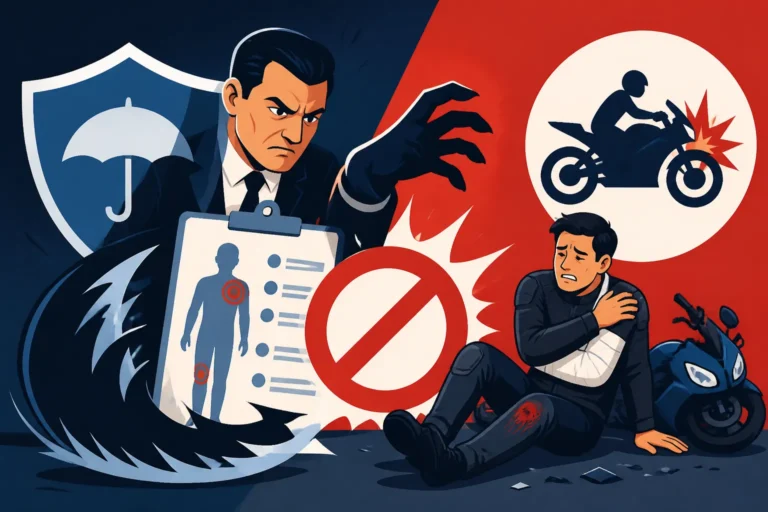
Unfortunately, motorcyclists often face a pervasive bias in the public eye and, by extension, within insurance companies. There's a common, unfair stereotype that riders are inherently reckless, and this can significantly impact how your road rash claim is viewed. Insurers might implicitly or explicitly try to suggest that your injuries are your own fault, or that you could have prevented them by not riding a motorcycle or by wearing more protective gear (even if you were fully geared). This "rider bias" can be a major hurdle.
They might also try to downplay the severity of your road rash, especially if it's not a broken bone or a TBI. They might argue that it's "just scrapes" that will heal, ignoring the intense pain, infection risk, scarring, and psychological trauma involved. They may offer a quick, lowball settlement hoping you're desperate for funds and unaware of the true value of your claim. It's important to remember that they are not on your side. Their adjusters may act friendly and sympathetic, but their job is to protect the company's bottom line. For more on how insurers assign blame, refer to How Insurance Companies Assign Blame to Riders.
Common Tactics Used to Undermine Your Claim
Insurance companies employ various tactics to reduce or deny road rash claims:
- Delay, Deny, Defend: This is a classic strategy. They might delay processing your claim, hoping you'll give up or accept a lower offer out of frustration. They might outright deny liability or try to shift blame to you, claiming When a Rider Is Partially at Fault. Then, they defend their position vigorously.
- Requesting Excessive Information: While legitimate requests for medical records are normal, some insurers might ask for irrelevant or overly broad information, hoping to find something in your past medical history to use against you, like a pre-existing condition.
- Minimizing Pain and Suffering: They'll scrutinize your medical records for any gaps in treatment or inconsistencies, arguing that your pain isn't as severe as you claim. They might dismiss your emotional distress or scarring as minor.
- Lowball Settlement Offers: One of the most common tactics is to offer a settlement that is far below the true value of your claim, especially early in the process before the full extent of your injuries and long-term costs are known. They're hoping you'll accept it out of financial pressure.
- Using Your Social Media Against You: Be incredibly careful what you post online. Anything that suggests you're recovering quickly, enjoying activities, or not in severe pain can be used by insurers to argue your injuries are not as debilitating as you claim. Even a photo of you smiling at a family gathering could be misconstrued.
Understanding these tactics can help you prepare and respond effectively. It reinforces the importance of meticulous documentation, following medical advice, and being cautious about what you say or post.
The Value of Legal Counsel in Maximizing Your Settlement
Given the complexities of road rash injuries and the challenges of dealing with insurance companies, hiring an experienced motorcycle accident lawyer is not just helpful; it’s often crucial for maximizing your settlement. A lawyer specializing in motorcycle accidents understands the unique nature of rider injuries and the biases riders face.
They can:
- Handle All Communications: Your lawyer can take over all communication with the insurance companies, shielding you from their aggressive tactics and ensuring you don't inadvertently say anything that could harm your claim.
- Investigate and Gather Evidence: Beyond your personal documentation, a lawyer can gather police reports, witness statements, accident reconstruction reports, traffic camera footage, and obtain all necessary medical records and billing statements. They can also connect with medical experts for testimony.
- Accurately Value Your Claim: An attorney has experience in calculating both economic and non-economic damages, ensuring that all your current and future losses, including lost earning capacity and long-term scarring, are accounted for. They know how to calculate How Motorcycle Accident Settlements Are Calculated.
- Negotiate Effectively: Armed with strong evidence and a deep understanding of personal injury law, your lawyer can negotiate fiercely with insurance adjusters, countering lowball offers and advocating for fair compensation.
- Represent You in Court: If a fair settlement cannot be reached, your lawyer can prepare your case for trial and represent your interests in court, pursuing litigation if necessary.
Having a legal advocate levels the playing field against large insurance corporations. They ensure that your road rash injuries are taken seriously and that you receive the full compensation you deserve for your physical pain, emotional suffering, and financial losses. Choosing the right attorney is important; consider looking for someone who specializes in motorcycle accidents, as they understand the unique dynamics of these cases. You can learn more about this by reading Do You Need a Motorcycle Accident Lawyer.
Long-Term Consequences of Road Rash: Beyond the Initial Healing
While the immediate pain and visible wounds of road rash are horrific, the consequences often extend far beyond the initial healing period. Many riders live with persistent issues that significantly impact their quality of life.
Chronic Pain, Numbness, and Nerve Damage
Even after the wounds appear to have healed, deep road rash can leave a legacy of chronic pain, numbness, and nerve damage. When skin layers are stripped away, superficial nerve endings are often destroyed. As new skin forms, these nerves can regrow incorrectly, leading to persistent itching, burning sensations, or hypersensitivity in the scarred area. Imagine the constant irritation of an itch you can’t fully scratch, or clothes rubbing against skin that feels perpetually raw.
Conversely, some areas might experience permanent numbness because nerves were completely severed or damaged beyond repair. This loss of sensation can be dangerous, as you might not feel cuts, burns, or other injuries in the affected area. Neuropathic pain, a type of chronic pain caused by nerve damage, can be particularly debilitating and difficult to treat, often requiring specialized pain management clinics, medications, and therapies for years after the accident. These ongoing issues contribute significantly to How Injury Severity Affects Compensation.
Infection Risks and Ongoing Medical Needs
Even with diligent initial care, road rash carries a substantial risk of infection. The wounds are often contaminated with dirt, gravel, bacteria, and other pathogens from the road. If not thoroughly cleaned, these contaminants can lead to cellulitis, staph infections, or even more serious conditions like sepsis, which can be life-threatening. Infections can also delay healing, worsen scarring, and necessitate additional rounds of antibiotics or even further surgeries.
Beyond the immediate risk, deep road rash can sometimes lead to complications requiring ongoing medical attention. Scar revision surgeries, which aim to improve the appearance or function of a scar, may be needed years down the line. Skin grafts can fail, requiring repeated procedures. Some individuals might develop chronic skin conditions in the scarred areas, necessitating regular dermatological care. The need for these long-term medical interventions and their associated costs must be factored into any settlement, as they represent substantial future expenses.
Psychological Impact and Quality of Life Changes
The physical scars of road rash are often accompanied by deep emotional and psychological wounds. The trauma of the accident itself, coupled with the pain, disfigurement, and prolonged recovery, can lead to a range of mental health issues. Many riders experience PTSD After a Motorcycle Accident, anxiety, depression, and body image issues. Visible scars, especially on the face or hands, can lead to severe self-consciousness, social withdrawal, and difficulty returning to work or social activities.
The impact on quality of life can be profound. Activities once enjoyed, like swimming, sports, or even simply walking outdoors, might become painful, difficult, or embarrassing due to the scars or chronic pain. Intimacy can also be affected. The sense of loss – loss of a pristine body, loss of former hobbies, loss of confidence – can be devastating. These psychological and quality of life changes are legitimate components of non-economic damages and should be documented meticulously in your injury journal and through mental health professional evaluations. Failing to address these aspects means an incomplete recovery and an undervalued claim.
Preventing Road Rash: The Indispensable Role of Proper Gear
While accidents are sometimes unavoidable, the severity of road rash is highly preventable through the use of proper riding gear. The adage "dress for the slide, not for the ride" holds immense truth, and investing in high-quality protective apparel is one of the smartest decisions any motorcyclist can make.
Abrasion-Resistant Materials and Their Effectiveness
Modern motorcycle gear is engineered specifically to protect riders from the abrasive forces of a slide. Materials like genuine leather, high-denier Cordura, Kevlar, and specialized textile blends are designed to withstand extreme friction, distributing impact and preventing skin from contacting the pavement.
- Leather: Long considered the gold standard, thick, quality leather offers superior abrasion resistance. Race suits, for example, are made from bovine or kangaroo leather, specifically tanned and treated for maximum protection.
- Textiles: Modern textile gear, often made from high-denier nylons like Cordura or proprietary blends, provides excellent abrasion resistance, often with added features like waterproofing, ventilation, and lighter weight. Many textiles incorporate ripstop weaving and reinforce critical impact zones with tougher materials or internal Kevlar lining.
- Armored Inserts: Beyond the outer shell, most quality riding gear includes CE-rated armor inserts at critical impact points like shoulders, elbows, hips, knees, and the back. While armor primarily protects against impact fractures, it also helps keep the garment in place during a slide, further preventing direct skin-to-road contact and distributing energy away from the body.
The difference these materials make is stark. In a slide, cheap jeans will tear almost instantly, leaving skin exposed. Quality motorcycle pants, however, can slide for many feet, sacrificing their outer layer to save your skin. This protection not only safeguards your body from gruesome injuries but also contributes to your peace of mind while riding, knowing you're better prepared for the unexpected. For more on gear, check out Motorcycle Gear Laws and Requirements.
The "All The Gear, All The Time" (ATGATT) Philosophy
The "All The Gear, All The Time" (ATGATT) philosophy isn't just a catchy phrase; it's a commitment to safety that can literally save your skin, and even your life. It means wearing a full-face DOT-approved helmet, a protective jacket, abrasion-resistant pants, sturdy boots that cover the ankles, and gloves every single time you ride, regardless of distance, speed, or weather.
Many riders, especially on short trips or hot days, might forgo some gear – perhaps just a t-shirt and shorts. This is incredibly risky. A low-speed fall, even at 20 mph, can result in severe road rash that requires extensive medical treatment and leaves permanent scars. ATGATT minimizes exposed skin and maximizes the layers of protection between you and the road. It’s a mindset that prioritizes safety over comfort or convenience, understanding that the consequences of a crash are far more uncomfortable than wearing protective gear. This philosophy also influences How Helmet Laws Affect Your Accident Claim and other injury claims, as wearing proper gear can demonstrate your commitment to safety, potentially aiding your case against an at-fault driver.
How Gear Protects Your Body and Your Claim
Wearing appropriate riding gear does more than just protect your body from road rash; it can also play a vital role in protecting your personal injury claim.
- Injury Mitigation: The most obvious benefit is reducing the severity of your injuries. A quality leather jacket might get shredded, but it prevents you from suffering third-degree road rash on your back and arms. This means less pain, faster recovery, and fewer medical bills.
- Demonstrating Due Care: In an accident claim, especially when facing rider bias, demonstrating that you were wearing proper protective gear can show that you exercised due care and responsibility as a motorcyclist. This can help counter arguments from the at-fault driver's insurance company that you were somehow negligent or contributed to the severity of your own injuries.
- Evidence of Impact: Damaged gear itself can serve as powerful physical evidence. A torn jacket, scuffed helmet, or ripped gloves can visually demonstrate the force of impact and the extent of the slide, corroborating your account of the accident and the severity of your injuries. Keep your damaged gear; do not discard it, as it can be critical evidence.
While no gear can guarantee absolute immunity from injury, choosing to ride with the best possible protection significantly reduces the risk of catastrophic road rash and supports the legitimacy of your claims for compensation should an accident occur due to another's negligence.
Disclaimer
Please note that this article provides general information and insights into motorcycle accident claims and road rash injuries. It is not intended as legal or medical advice. Every accident and injury claim is unique, and the information presented here may not apply to your specific situation. For personalized legal advice regarding a motorcycle accident, it is crucial to consult with a qualified personal injury attorney. For medical concerns, always seek the advice of a healthcare professional.